Newsletters


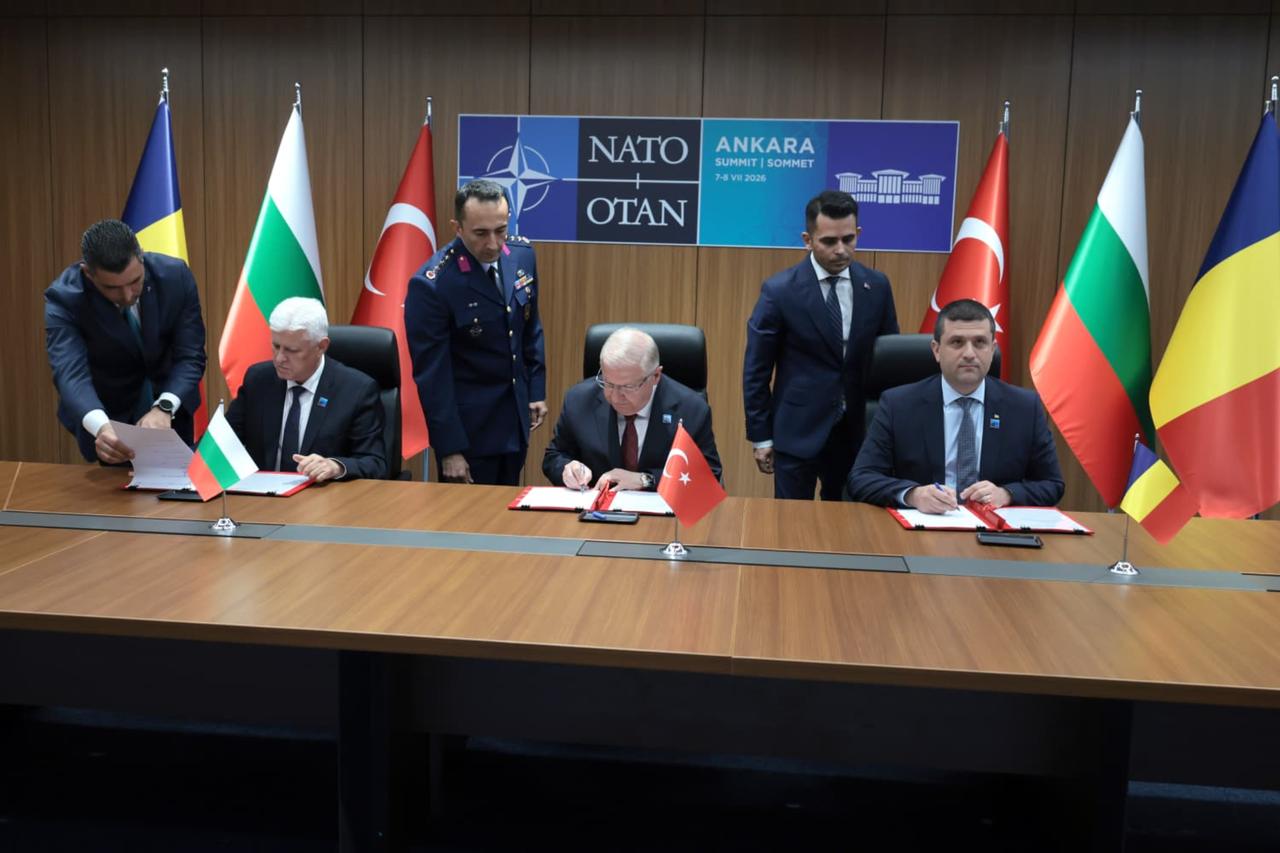


Türkiye, Romania and Bulgaria agreed Wednesday to broaden their trilateral Black Sea Mine Countermeasures Task Group (MCM Black Sea), adding the protection of critical undersea infrastructure to the initiative during the NATO summit in Ankara.
Turkish National Defense Minister Yasar Guler met separately with his Romanian counterpart, Radu-Dinel Miruta and Bulgarian Defense Minister Dimitar Stoyanov at the Presidential Complex before the three ministers signed the revised memorandum of understanding.
The amendment extends the scope of the 2024 agreement beyond mine countermeasure operations, allowing the partners to jointly safeguard strategic underwater infrastructure in the Black Sea, Türkiye's National Defense Ministry announced.
Romania's Defense Ministry described the move as part of a broader effort to reinforce regional security and deepen cooperation among the three NATO allies.
Protecting underwater assets requires a "complex, integrated and long-term approach," it noted, adding that the initiative has become a model for interoperability in the region.
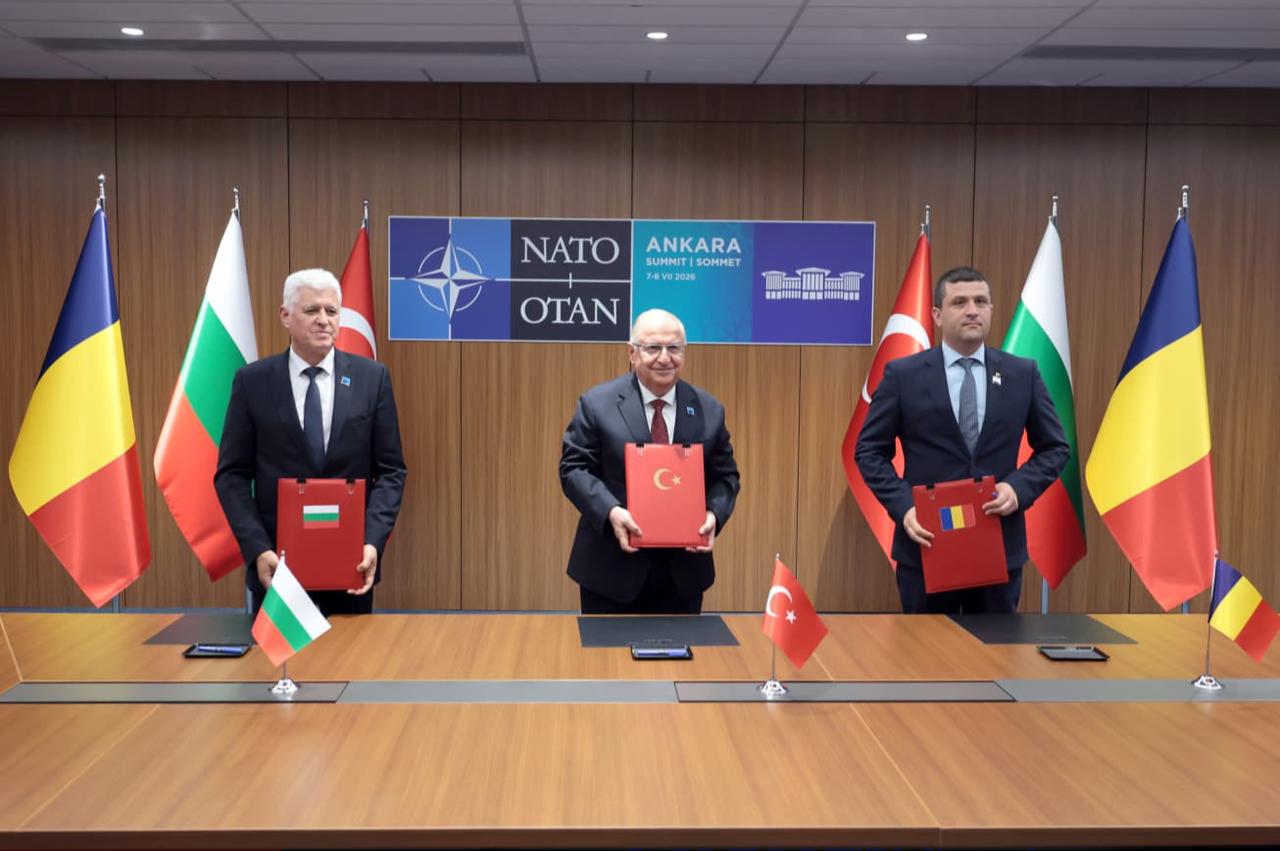

Created under a memorandum signed on Jan. 11, 2024, the multinational force focuses on maritime surveillance, clearing naval mines, eliminating navigation hazards, supporting search-and-rescue operations and keeping shipping routes open. Since becoming operational on July 1, 2024, it has been activated 10 times.
Leadership rotates every six months, with Bulgaria taking over from Türkiye on Wednesday.
Romania's minehunter Captain Constantin Dumitrescu will join the next deployment, scheduled for July 9-24, during the multinational BREEZE 2026 exercise, where participating vessels will support maritime monitoring and freedom of navigation.
Separately, Guler joined a working lunch with NATO defense ministers, according to Türkiye's Defense Ministry.


 Set as preferred source
 Set as preferred source


 1 min read
 1 min read