Newsletters




Türkiye is positioning itself to assume a leading role in Black Sea security as part of any ceasefire arrangement between Russia and Ukraine, with mine countermeasures identified as its most realistic naval contribution.
"When it comes to the security of the Black Sea, there is nothing more natural than Türkiye having responsibility as the NATO member with the largest fleet in the Black Sea," Turkish Foreign Minister Hakan Fidan recently stated.
Defense industry analyst Cem Devrim Yaylali, a correspondent for Warships IFR, Jane's, Defence News, and Defence Turkey, outlined why mine countermeasures represent Türkiye's most realistic contribution to establishing a naval-power arrangement supporting Ukraine peace negotiations.
In an exclusive interview with Türkiye Today, Yaylali addressed how Ankara can maintain Black Sea security while managing escalation risks and avoiding misidentification in active conflict zones.
Türkiye's most credible contribution would focus on defensive, risk-reducing naval missions rather than combat or power-projection roles, according to Yaylali.
"Türkiye's most credible contribution would focus on defensive, risk-reducing naval missions, rather than combat or power-projection roles. The most realistic options are mine countermeasures (MCM) and the creation of a recognized maritime picture to improve safety at sea," he said.
"Ankara can present its role as protecting freedom of navigation and maritime safety, fully in line with the Montreux Convention and international maritime law. By limiting its activities to clearly defined, non-offensive tasks and operating transparently, Türkiye can reduce escalation risks and avoid misidentification or misunderstandings at sea," Yaylali stated.

When asked which Turkish Navy contribution would be most realistic, Yaylali identified MCM as the primary option.
"Mine countermeasures are by far the most realistic and politically acceptable contribution. Türkiye already has strong capabilities in this area and real operational experience in the Black Sea. Escort missions and sea-corridor security would carry higher escalation risks, while ISR-heavy roles could raise political sensitivities," Yaylali stated.
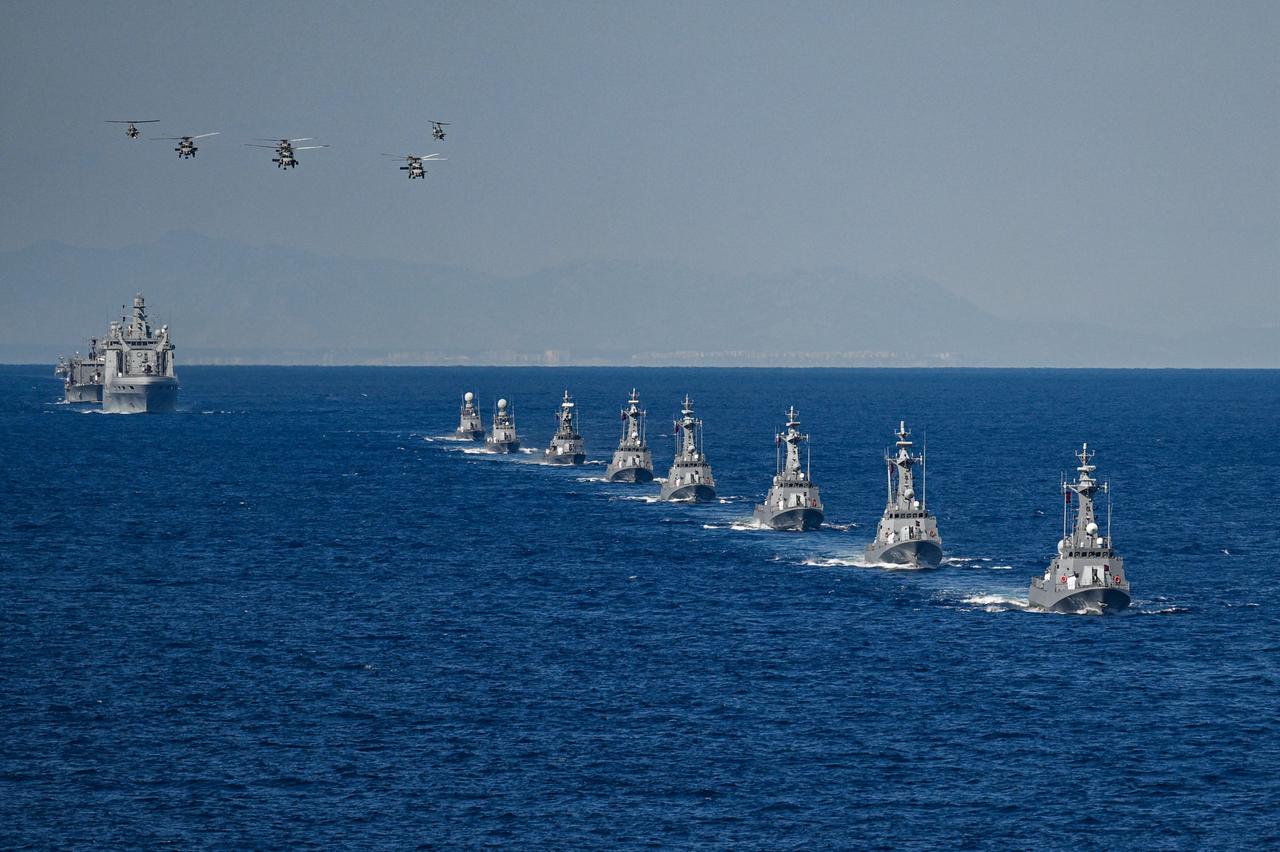
"Türkiye has 11 mine countermeasure vessels, one of NATO's most capable MCM forces. Currently, Turkish mine countermeasure units already neutralize drifting mines in Turkish waters. Many mines laid near Odesa have drifted south due to the Russia-Ukraine war," he noted.
Command-and-control for Turkish naval operations would follow a national command model with multinational coordination rather than a fully integrated multinational command structure, according to Yaylali.
"A realistic model would be national command with multinational coordination, rather than a fully integrated multinational command structure. Türkiye has already taken steps in this direction. The Black Sea Combined Task Force (CTF BLACK) is being established in Istanbul, as a static headquarters," he stated.
"The initial operational capability is planned with the participation of Türkiye, Bulgaria, and Romania, while remaining under NATO Maritime Command coordination. This structure allows close cooperation while ensuring that Turkish naval units remain under national control, reducing operational and political risk," Yaylali noted.
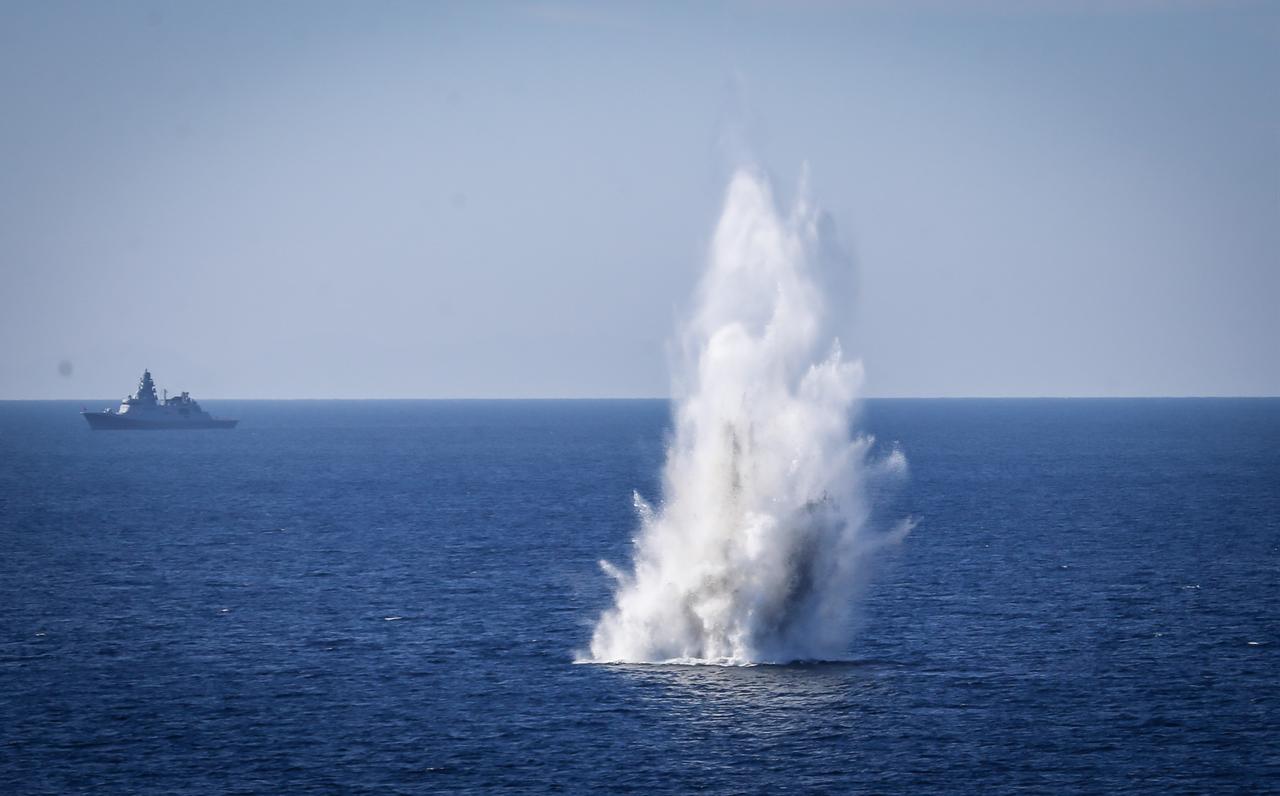
The risk of false flag operations targeting Turkish naval assets poses a serious threat, given the wide use of unmanned systems in the Russia-Ukraine conflict, according to Yaylali.
"Yes. This risk must be taken seriously. As long as active hostilities between Russia and Ukraine continue, Türkiye—or any NATO country—cannot safely conduct peacekeeping or freedom-of-navigation operations in the Black Sea. If unmanned surface or aerial threats remain unresolved politically and militarily, deploying naval forces would carry unacceptable risks," he noted.
"No NATO naval assets should be deployed until these threats are clearly addressed and controlled," Yaylali stated.
The conflict's use of unmanned surface vehicles and aerial vehicles without classic identification, friend or foe (IFF) systems creates significant challenges for naval operations.
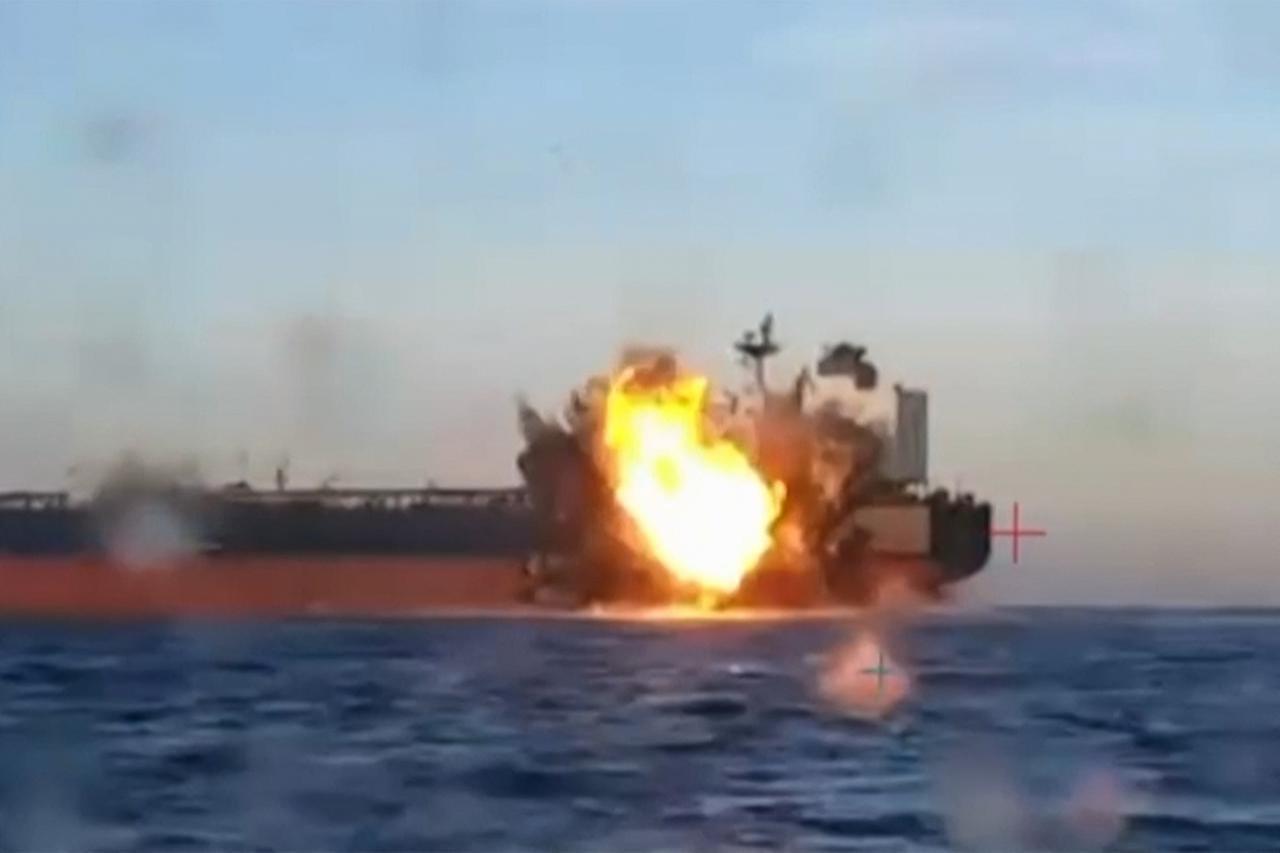
The Turkish Navy possesses layered self-defense systems capable of neutralizing unmanned threats, Yaylali confirmed.
"Yes. The Turkish Navy has layered self-defence systems, including: EO/IR, radar, and acoustic sensors, Hard-kill and soft-kill weapons against USVs and UAVs. However, capability alone is not the issue. No navy willingly deploys ships into a known high-risk environment. If there is a serious and unresolved threat from unmanned systems, the Turkish Navy would likely avoid deploying surface combatants into that area altogether," Yaylali stated.
The most dangerous operational grey zone involves close approaches by unmanned systems that do not clearly demonstrate hostile intent, according to Yaylali's analysis.
"The most dangerous grey zone would involve close approaches by unmanned systems that do not clearly demonstrate hostile intent. Suspected drifting mines and persistent shadowing by USVs or UAVs also pose serious challenges. These situations compress decision-making time and increase the risk of miscalculation or unintended escalation," he noted.
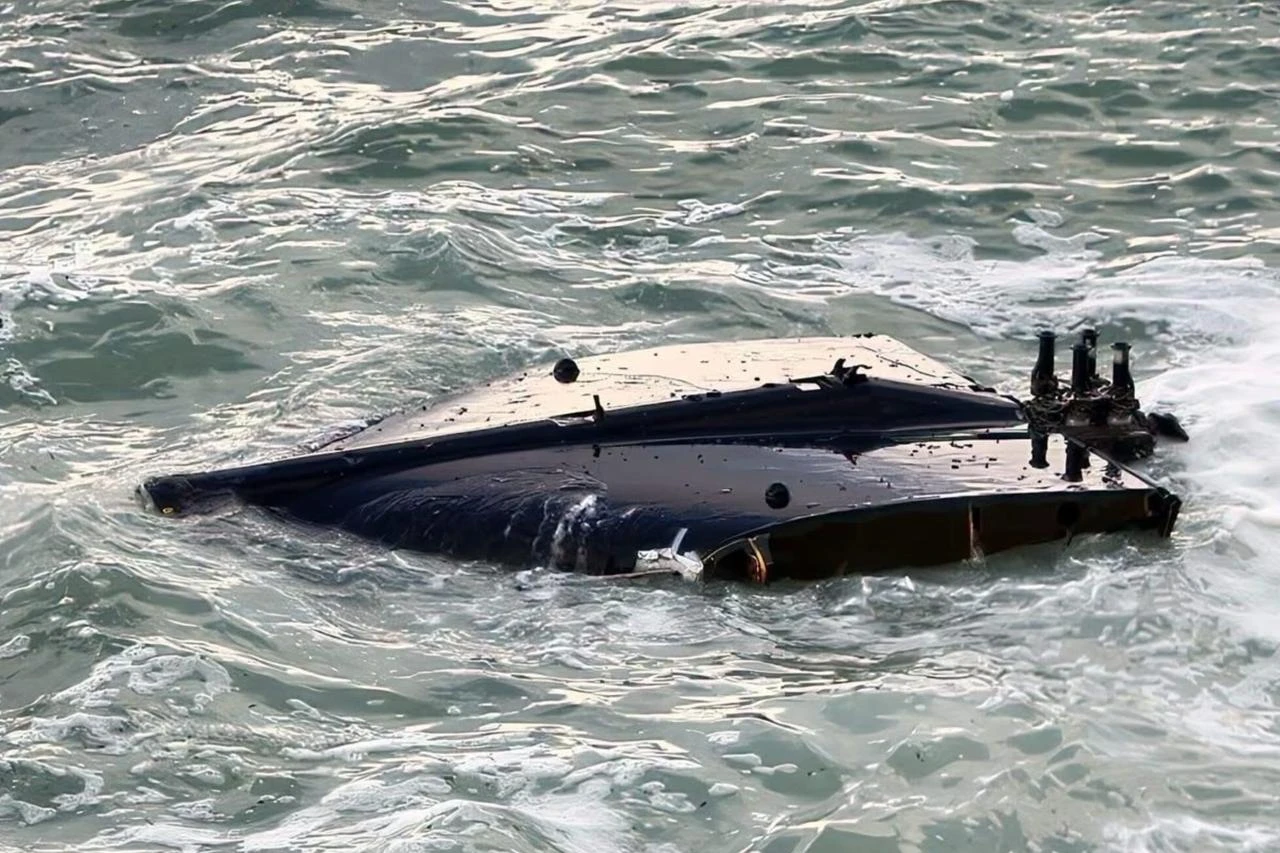
Unmanned surface vehicle (USV) shadowing and suspected drifting mines create compressed decision timelines, increasing the risk of miscalculation or unintended escalation during Black Sea operations.
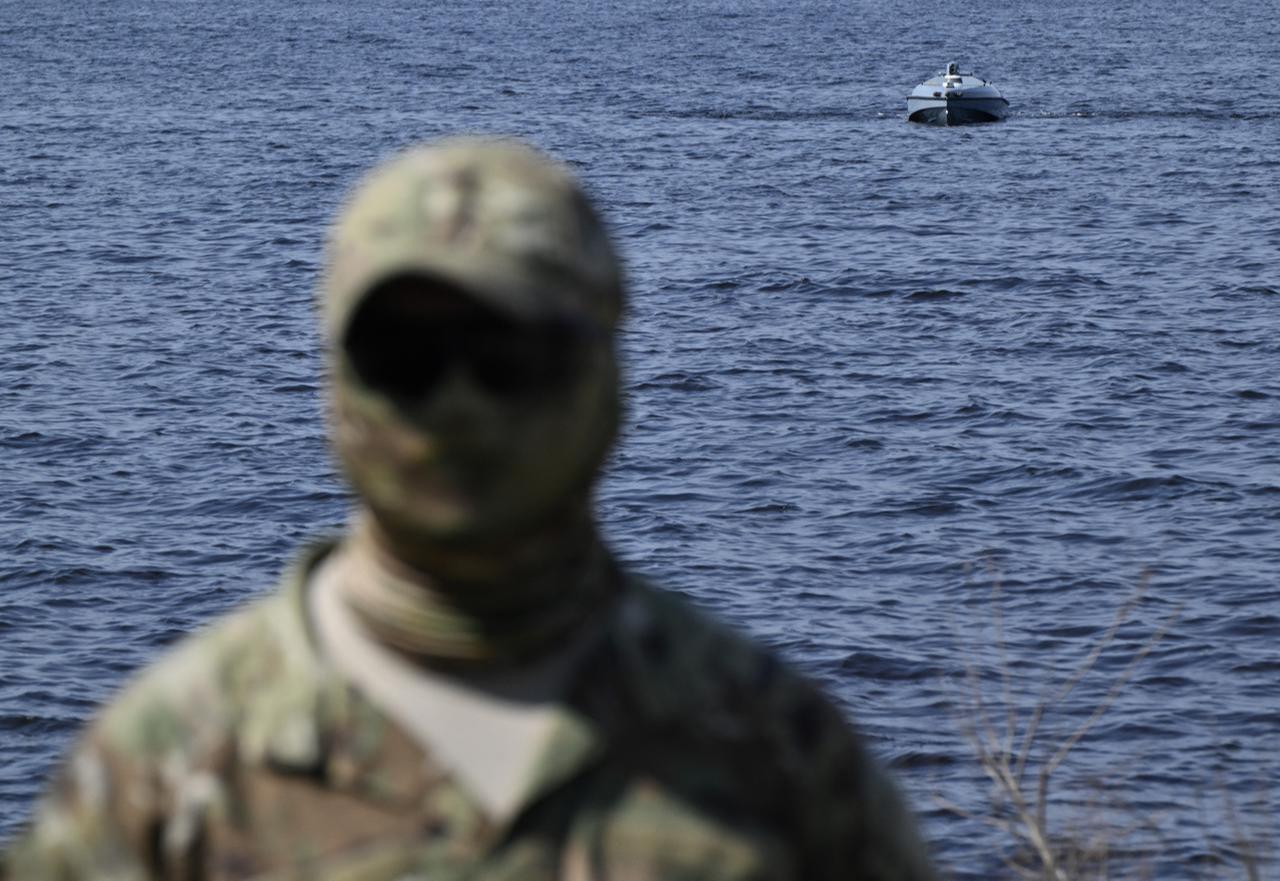
Türkiye's strongest and most decisive contribution involves large-scale mine clearance operations, Yaylali stated.
"Türkiye's strongest and most decisive contribution would be mine countermeasures. The Turkish Navy has one of the most capable MCM forces in NATO, with 11 mine countermeasure vessels. Due to the Russia–Ukraine war, many mines laid near Odesa have drifted south, some reaching Turkish waters, where they are already being neutralised by Turkish MCM units," Yaylali noted.
"After the war ends, the Turkish, Bulgarian, and Romanian navies together would be well positioned to conduct large-scale mine clearance operations across the Black Sea, significantly improving maritime safety and supporting post-conflict recovery," he added.
Three NATO navies—Türkiye, Bulgaria, and Romania—are positioned to conduct comprehensive Black Sea mine clearance operations following a ceasefire, improving maritime safety and supporting post-conflict recovery efforts.
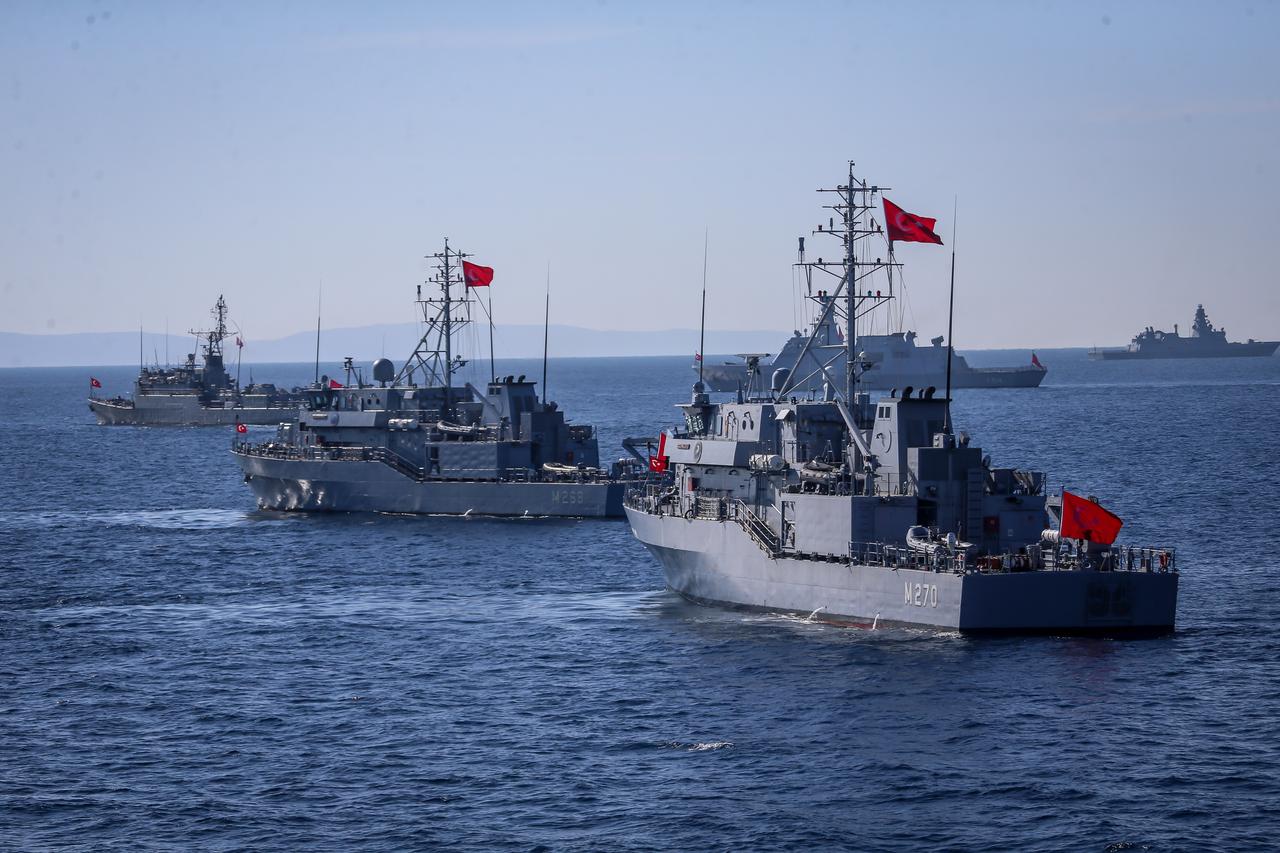
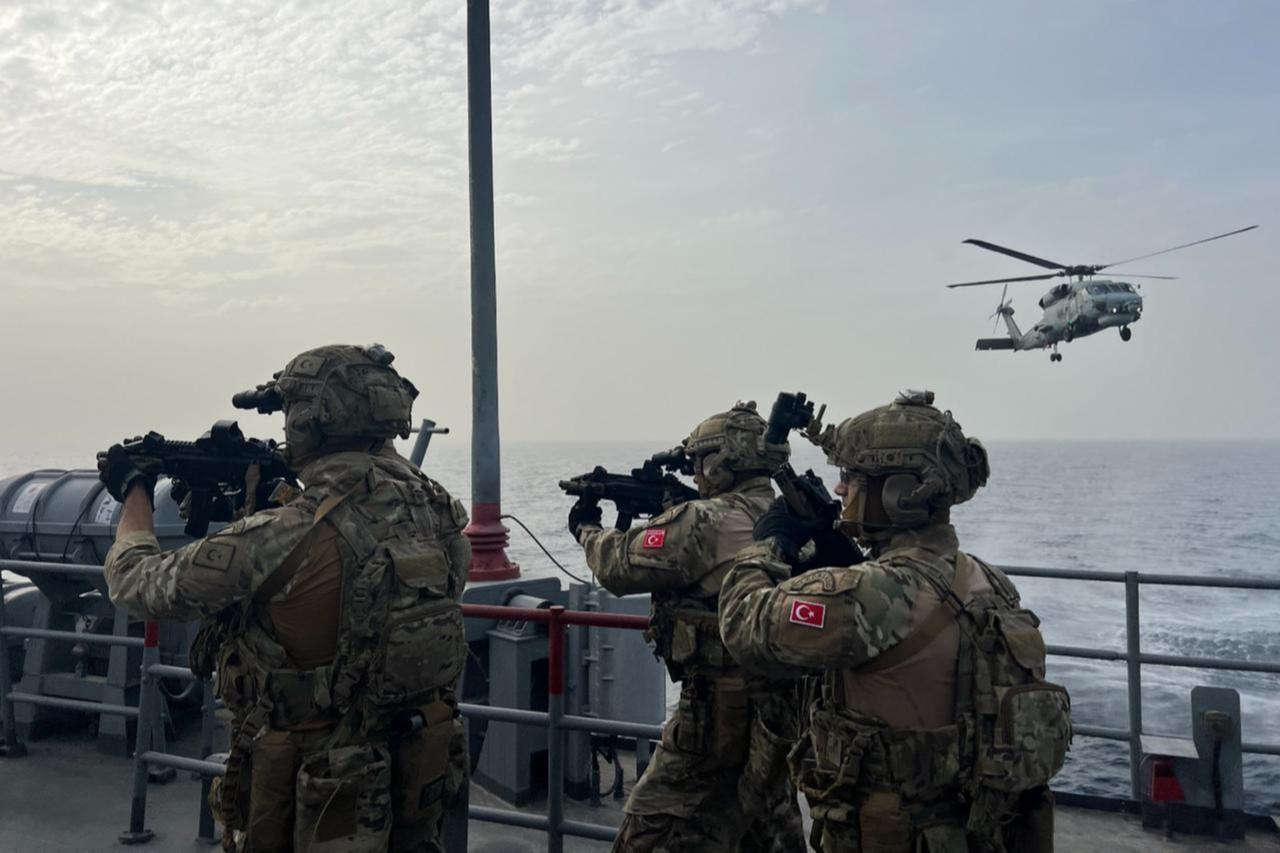
The Ministry of National Defense recently announced that four naval vessels were deployed for a major demining mission in the Black Sea as part of the Mine Counter Measures Black Sea Task Group.
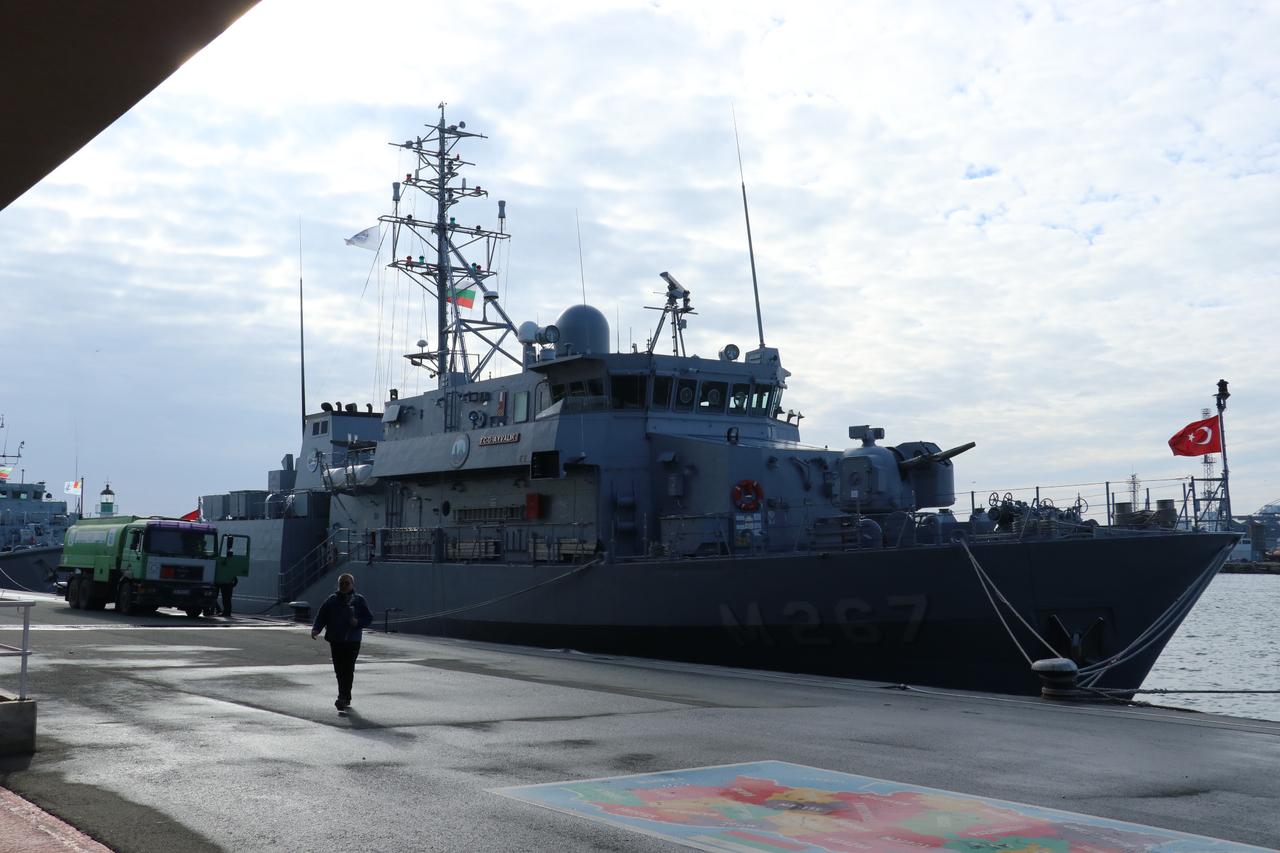
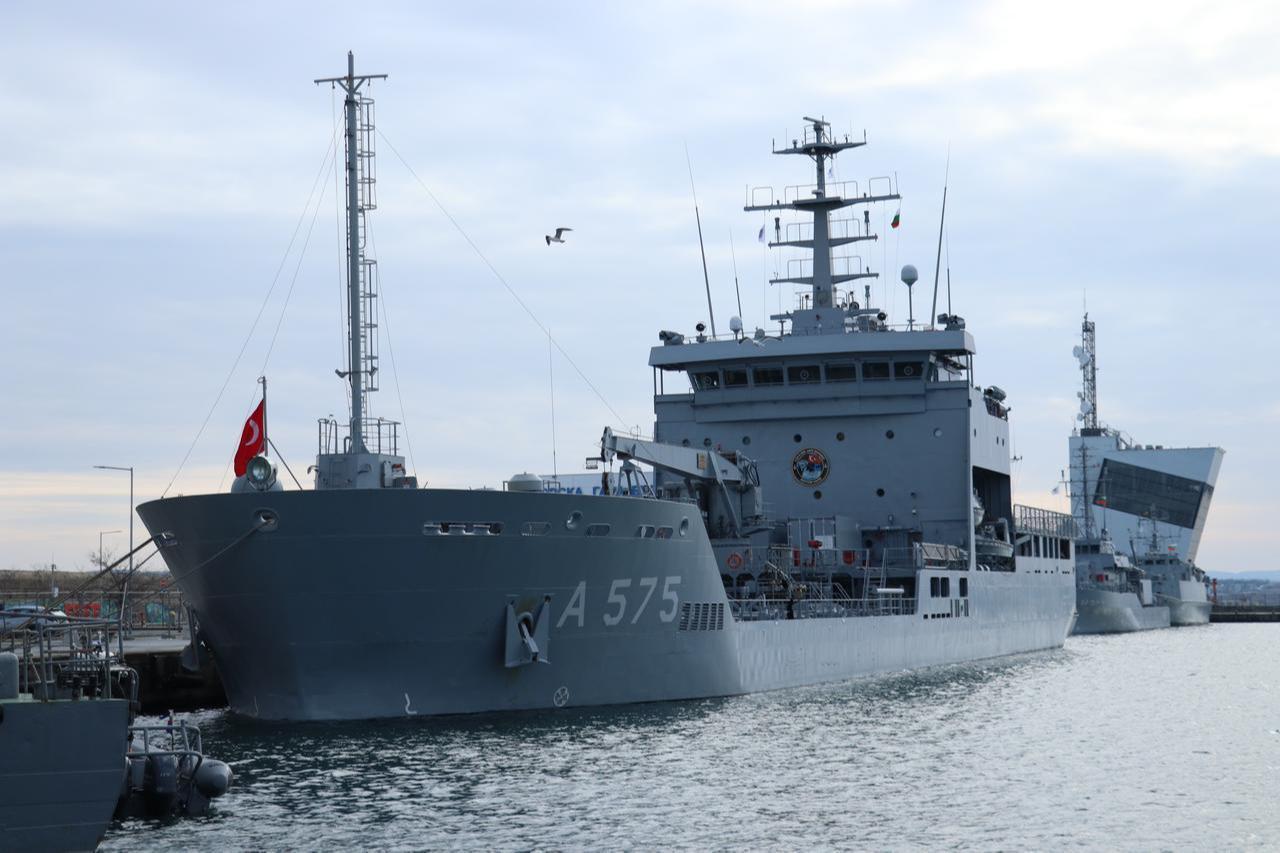
Turkish command ship TCG Utgm. Arif Ekmekci, Romanian minehunter ROS Ion Ghiculescu, Bulgarian minesweeper BGS Priboy (M-63), and Turkish minehunter TCG Ayvalik (M-267) departed Türkiye on January 10 and arrived in Bulgaria's Burgas.
"The mission aims to detect and neutralize drifting mines in the Black Sea and to conduct joint training exercises. During the activation period, which will continue until January 19, 2026, the ships will conduct port visits to Burgas and Constanta, Romania, in addition to their maritime training activities," the ministry said.
This eighth activation of the MCM Black Sea Task Group represents ongoing operations by the three NATO members formed in 2024 to address naval mines drifting into other Black Sea regions.


 Set as preferred source
 Set as preferred source


 1 min read
 1 min read