Newsletters


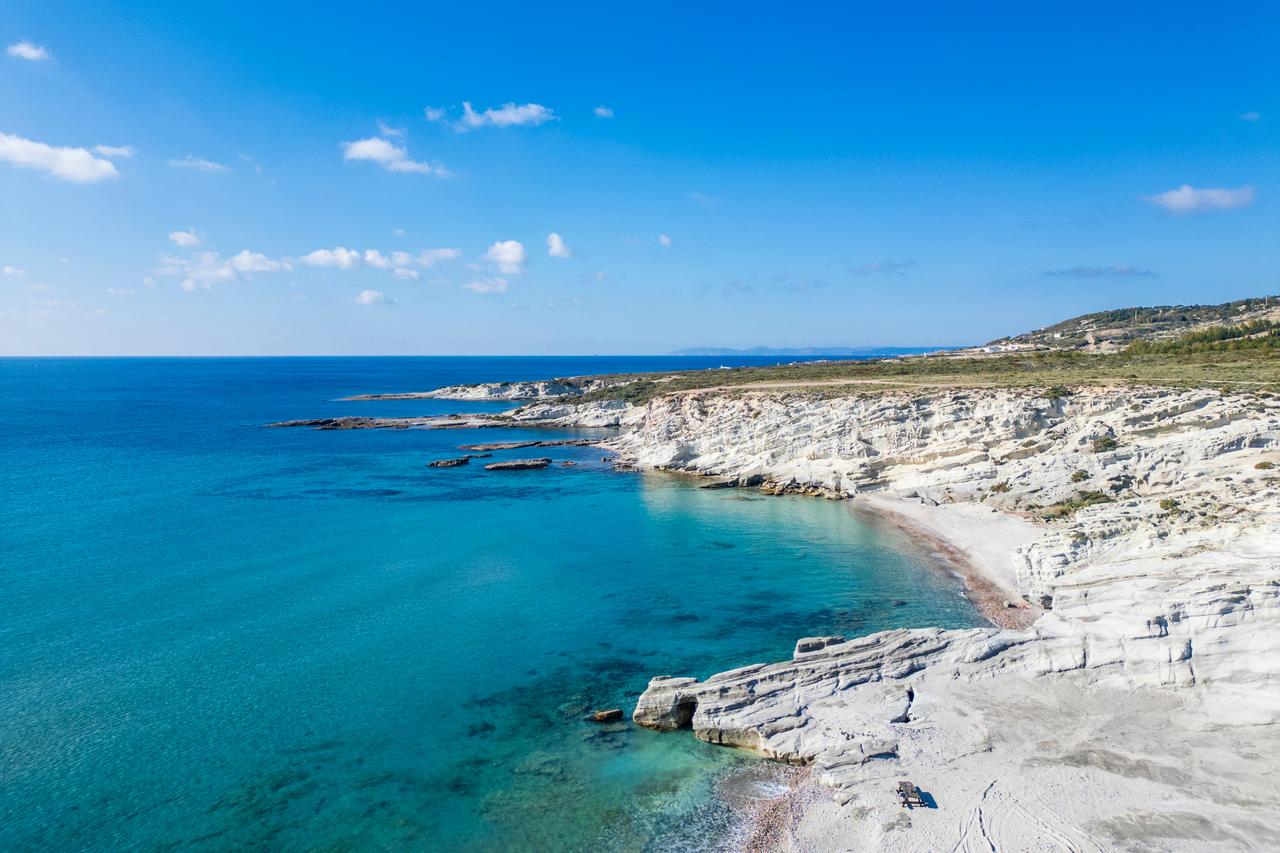


Türkiye's Ministry of Environment, Urbanization, and Climate Change has lowered the environmental protection status of several coastal zones along the Aegean Sea, drawing criticism from local groups who say the move prioritizes development over conservation.
The decision, published in the Official Gazette, affects areas in Cesme and Seferihisar, two popular resort towns on Türkiye's western Aegean coast.
In Seferihisar, the protected status of the coastal zone, which includes Azmak Bay, was downgraded from second-degree to third-degree, reclassifying it as a "natural site, sustainable conservation and controlled use area."
Under Türkiye's environmental law, second-degree protected areas are subject to strict restrictions that largely prohibit construction and industrial activity. A third-degree classification, by contrast, permits regulated development, effectively opening the door to partial construction in areas previously off-limits to developers.
In Cesme, a first-degree protected zone, the most restrictive designation under Türkiye's environmental law, reserved for areas of outstanding ecological and cultural value, covering Delikli Bay, Hermes Bay, and Cleopatra Bay, was similarly downgraded. The area has been reclassified under lower-tier designations that permit more flexible land use.
The affected bays are among the most visited along Türkiye's Aegean coast, drawing tourists from across Europe and beyond with their clear waters and unspoiled shorelines.
Azmak Bay in particular is prized for its natural character, while Cesme's coves have long been a staple of upscale Turkish and European summer tourism. Any visible construction or increased commercial activity in these areas could significantly alter their appeal.
Following the decisions, the Cesme City Council and the Cesme Environment Association announced they would challenge the move in court.
The Aegean coastline has faced growing development pressure in recent years, as rising tourism demand and real estate interest increasingly clash with conservation efforts.
The region has seen a surge in luxury housing projects and resort developments, particularly following the pandemic, as both domestic and foreign buyers seek properties along the coast.
Critics argue that incremental reclassifications of protected land risk are eroding Türkiye's most ecologically sensitive coastal areas, setting a precedent that could affect other protected zones along the country's extensive Aegean and Mediterranean shoreline.


 Set as preferred source
 Set as preferred source


 2 min read