Newsletters


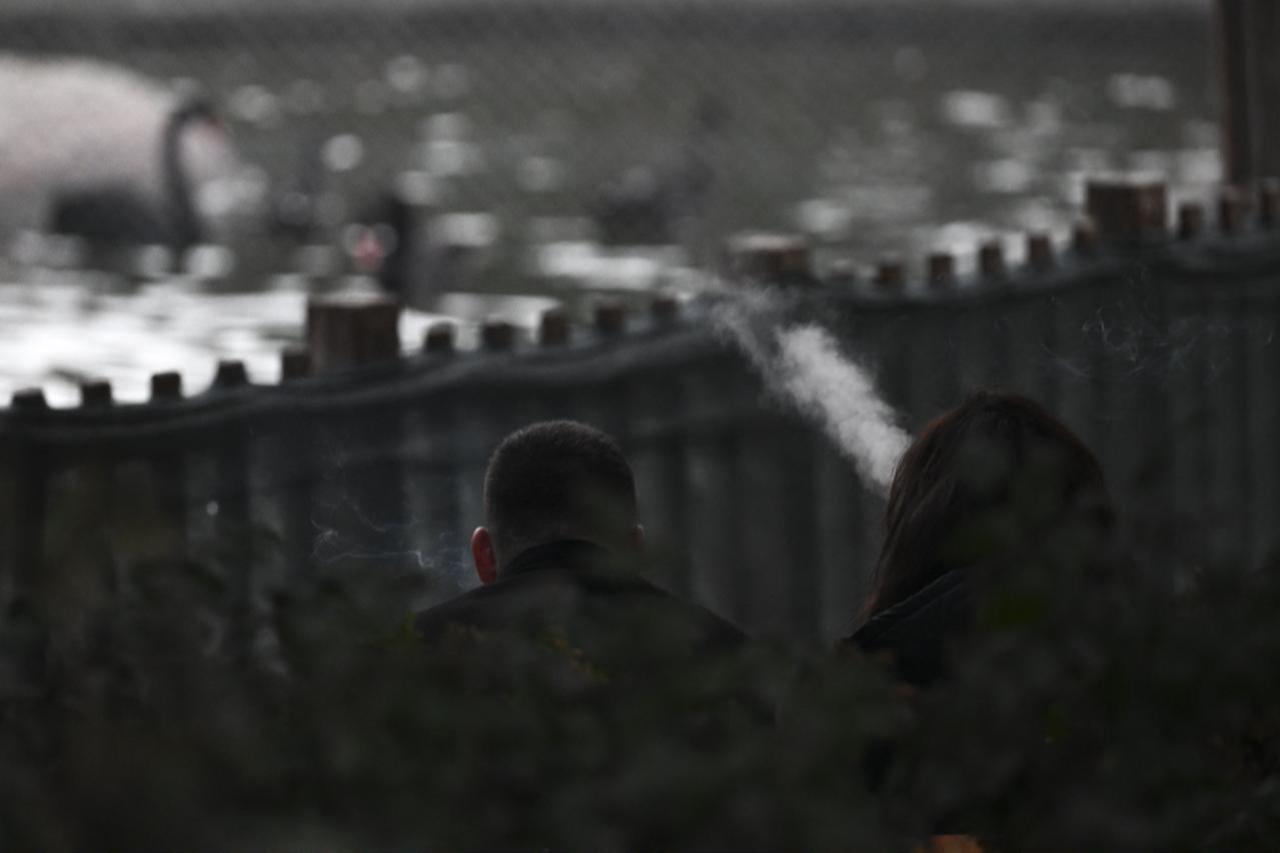


Türkiye is preparing a far-reaching overhaul of its tobacco control framework, with a 41-article legislative draft nearing its final stage. The proposal would significantly expand smoking restrictions across public and commercial spaces and ultimately aims to eliminate the production, sale, and distribution of tobacco products entirely by 2040.
The draft signals a major shift by extending smoking bans to a wide range of environments. Tobacco use would be largely prohibited in public buildings, educational and healthcare institutions, children’s areas, and open-air events.
One of the most notable changes is the inclusion of outdoor areas of food and beverage venues. Smoking would no longer be allowed in these open sections, marking a departure from current practices where outdoor smoking is often permitted.
While the general rule tightens restrictions, the draft allows for limited exceptions within hospitality venues. Businesses would be permitted to designate isolated smoking areas that do not exceed 10% of the total space and are capped at 20 square meters. These areas must remain out of public view and cannot offer service.
Access to such spaces would be restricted to individuals aged 18 and above. In hotels, smoking would only be allowed in specifically designated rooms. The draft also introduces a blanket ban on smoking in driver seats and across all public transportation, including taxis.
To ensure compliance, the proposal introduces specialized “tobacco inspection teams,” composed of at least two public officials and one law enforcement officer. These teams would have the authority to issue fines directly on-site.
Penalties are structured to escalate depending on the violation. Individuals smoking in restricted areas would face fines, while businesses that fail to comply would incur higher administrative penalties. Violations related to the sale, advertising, or promotion of tobacco products could lead to significantly larger fines, reaching into the millions of Turkish lira.
At the core of the draft is a long-term objective to fully phase out tobacco use in Türkiye by 2040. From that point onward, the production, sale, and distribution of tobacco products would be banned entirely, with heavy financial penalties applied to both producers and sellers.
The definition of “tobacco products” would also be broadened to include electronic cigarettes, heated tobacco products, and all nicotine-containing systems. This expansion aims to prevent the spread of newer alternatives that fall outside traditional tobacco categories.
The draft introduces stricter rules on how tobacco products can be sold. Retailers would be required to keep such products out of sight in closed cabinets, preventing direct access by customers.
Sales would also be conducted through electronic systems, with mandatory age verification to ensure compliance with legal purchasing limits. Businesses that fail to follow these rules would face escalating penalties, including fines and possible license cancellation in cases of repeated violations.


 Set as preferred source
 Set as preferred source


 1 min read

 1 min read