Newsletters


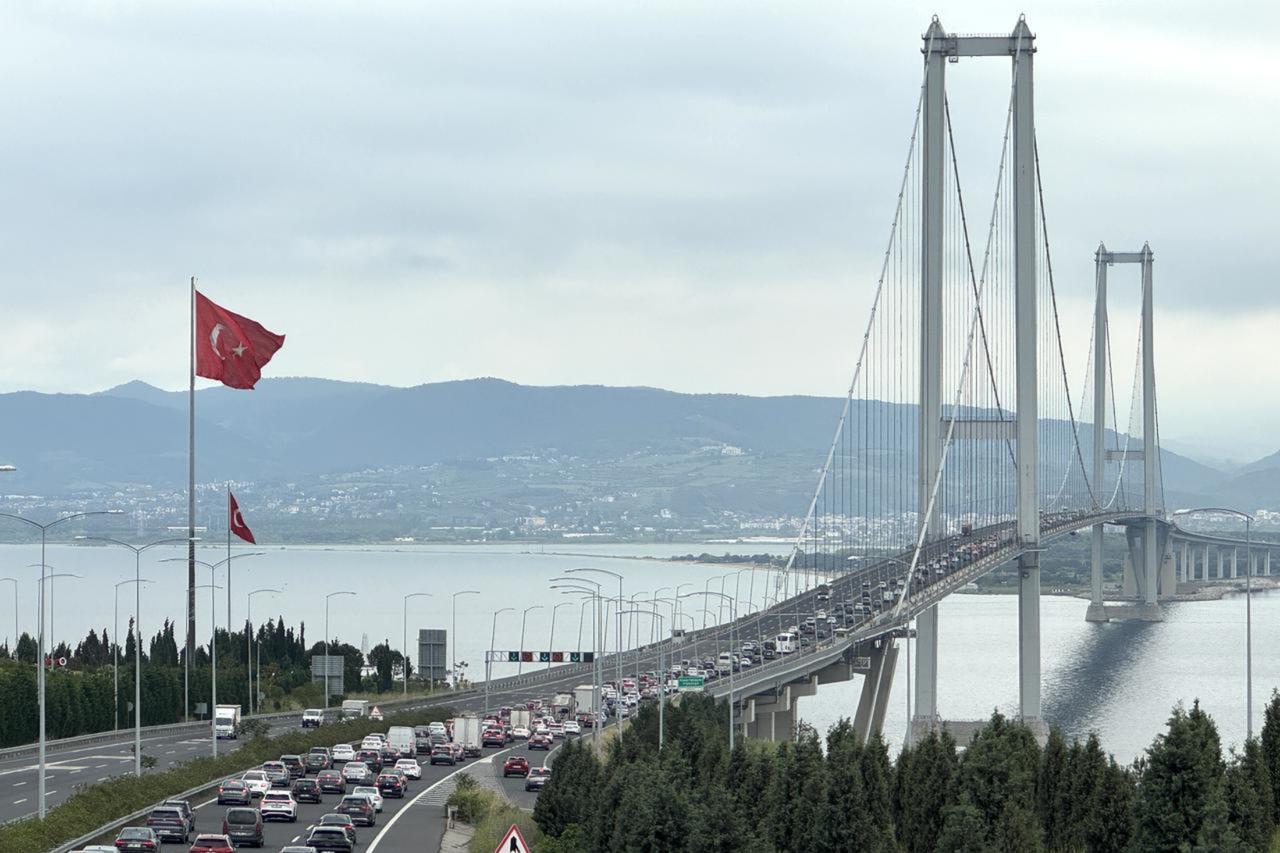


Türkiye raises tolls on highways and bridges operated under the Public-Private Partnership (PPP) model, with the revised tariff taking effect from 12 a.m. Wednesday.
The biggest increase applies to passenger cars using the Osmangazi Bridge and the 1915 Canakkale Bridge, where the toll rises from ₺790 ($16.93) to ₺1,170.
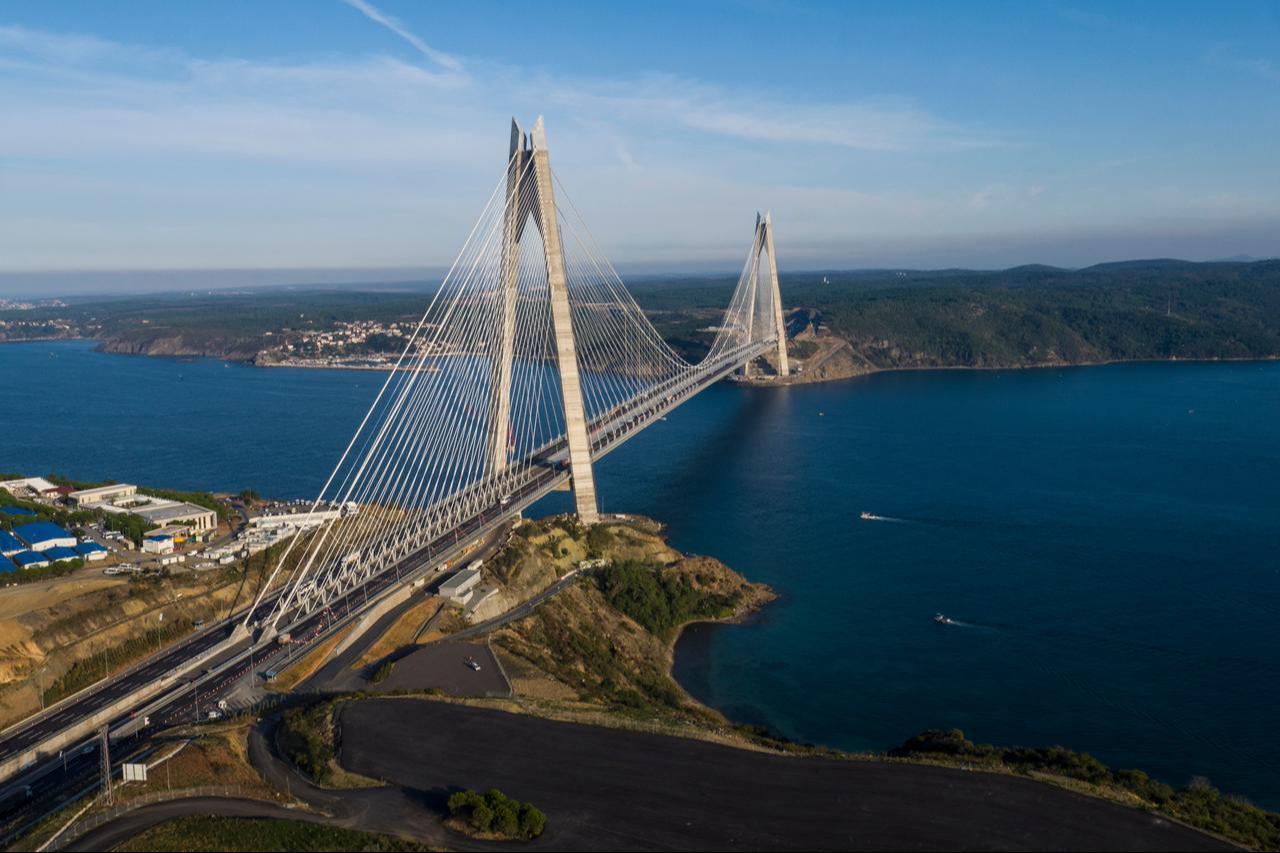
The revised tariff also raises the passenger car toll on the Yavuz Sultan Selim Bridge to ₺110 from ₺95.
Motorcycle tolls are set at ₺820 on the Osmangazi Bridge, ₺295 on the 1915 Canakkale Bridge and ₺75 on the Yavuz Sultan Selim Bridge under the new tariff.
Tolls for heavier vehicles range from ₺1,465 to ₺5,560 on the 1915 Canakkale Bridge, ₺1,870 to ₺3,720 on the Osmangazi Bridge and ₺145 to ₺860 on the Yavuz Sultan Selim Bridge, depending on vehicle class.
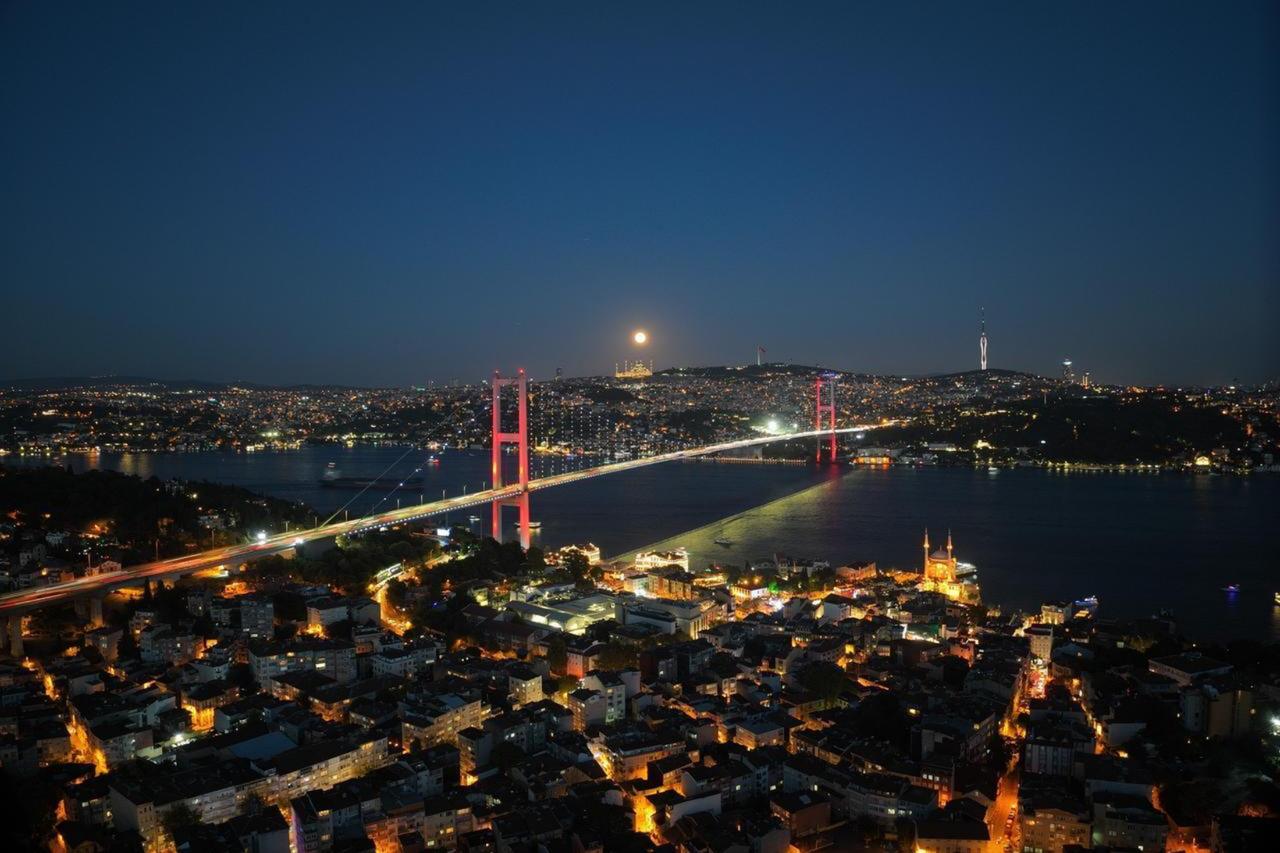
Meanwhile, the 15 July Martyrs Bridge and the Fatih Sultan Mehmet Bridge are not included in the latest adjustment, with crossing fees remaining unchanged under the existing tariff.

The three bridges affected by the latest tariff revision play a central role in Türkiye's transport infrastructure, connecting major economic hubs and helping reduce travel times on some of the country's busiest routes.
The Osmangazi Bridge, which crosses the Gulf of Izmit, is the centerpiece of the 426-kilometer (264.7-mile) Gebze-Izmir Motorway. By replacing a lengthy drive around the gulf with a direct crossing, the bridge cuts the trip between Istanbul and Izmir by several hours while easing congestion on surrounding roads.
The 1915 Canakkale Bridge, spanning the Dardanelles Strait, opened in 2022 as the world's longest mid-span suspension bridge. It links the Gelibolu and Lapseki districts, creating the first permanent road crossing over the strait and improving connections between Europe and Asia without relying on ferry services.
The Yavuz Sultan Selim Bridge, the third bridge across the Bosphorus, forms part of the Northern Marmara Motorway and serves as a major bypass for Istanbul.
Designed to carry both road and future rail traffic, it helps divert heavy trucks and long-distance vehicles away from the city's densely populated urban areas, improving freight movement between Europe and Asia.


 Set as preferred source
 Set as preferred source


 1 min read
 1 min read