Newsletters


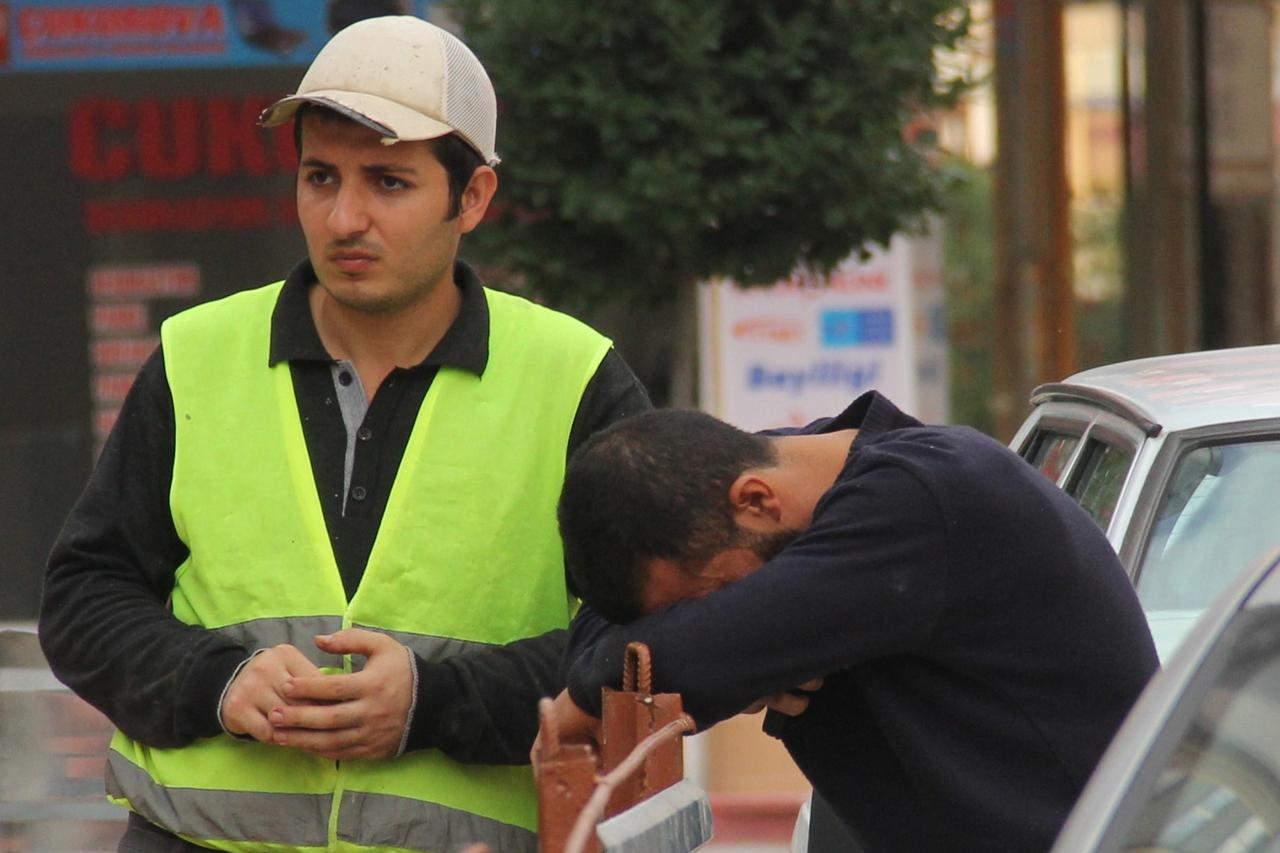


At least 2,105 workers in Türkiye died in what the Health and Safety Labor Watch Council (ISIG) describes as “workplace deaths” in 2025, marking the highest yearly toll since the pandemic period, according to the group’s year-end assessment.
ISIG says the 2,105 deaths amount to roughly “at least six” workers dying each day over the year. The group lists monthly totals that show sustained high levels throughout 2025, with some months exceeding 200 deaths, reinforcing its view that fatalities are not confined to seasonal spikes.
In terms of employment status, ISIG reports that most deaths involved wage earners, while a smaller share involved people working on their own account, such as farmers and tradespeople. It notes that official datasets capture far fewer deaths among these groups than ISIG’s own monitoring.


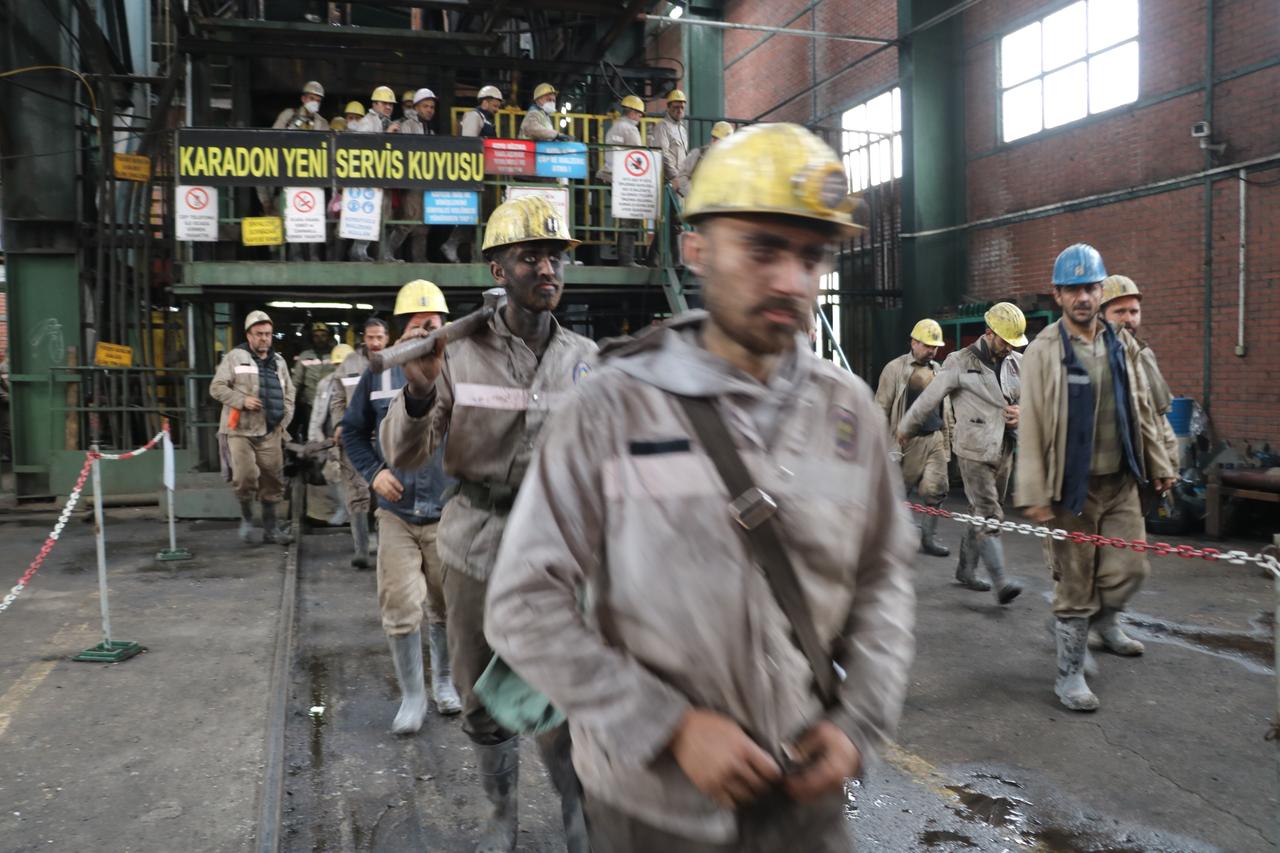
ISIG highlights three lines of work where deaths clustered: construction, agriculture/forestry, and transport. It links the concentration to insecure work, long hours, heavy workloads, informal employment, and weak union presence, describing these areas as settings where rule-breaking can become routine.
It also flags the post-earthquake rebuilding drive as a continuing danger zone. In its accounting, construction deaths in earthquake-affected cities rose year by year after the February 2023 disaster, with leading immediate causes including falls from height, crushing incidents or cave-ins, and electrocution. The group adds that severe injuries and long-term disability are also common on sites, alongside reported problems in worker housing, hygiene, and basic services.
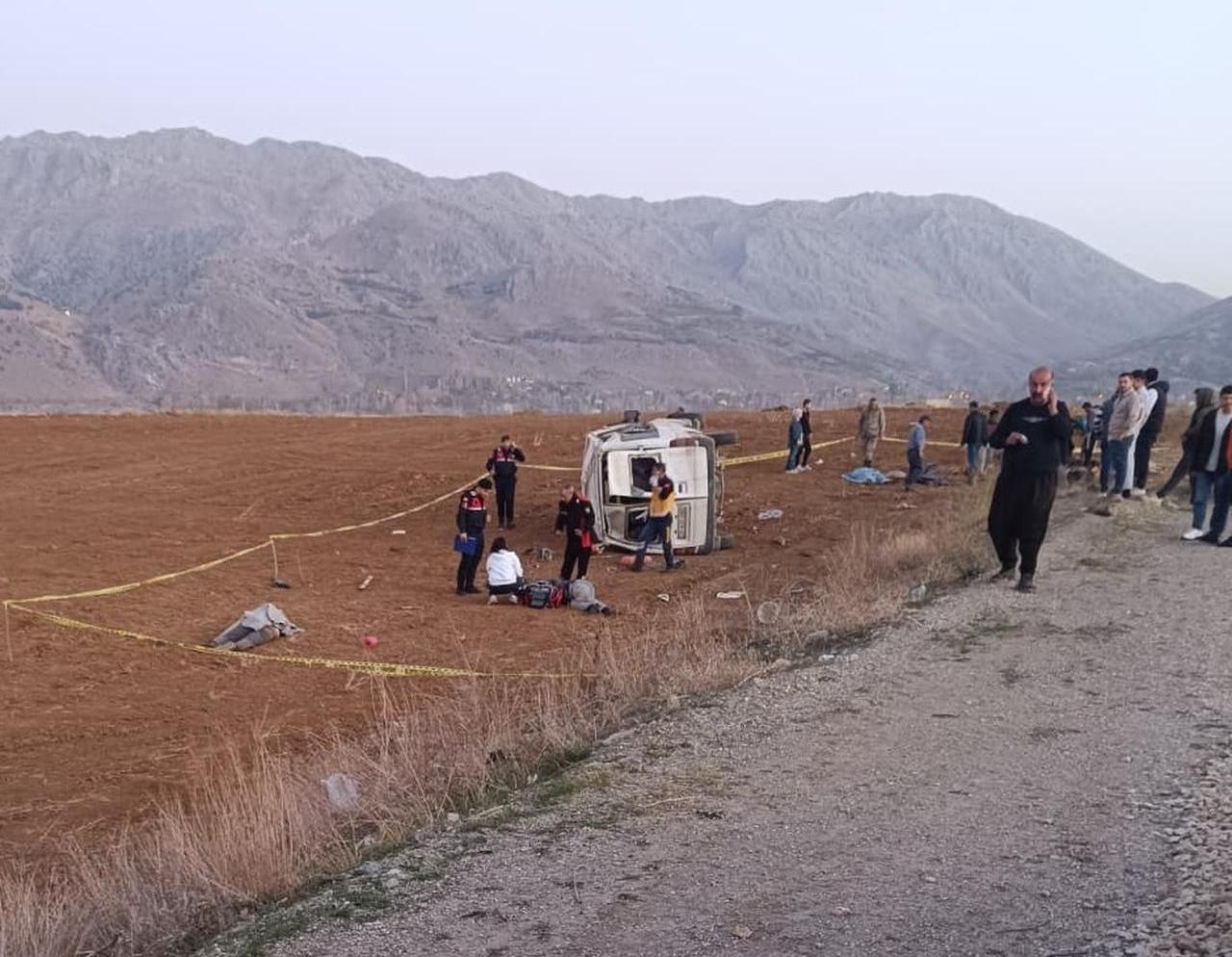
ISIG lists traffic and service-vehicle crashes as the top recorded cause of worker deaths in 2025, arguing that many such incidents get filed socially and institutionally as ordinary traffic accidents rather than workplace fatalities. It links these deaths to extended shifts, delivery and deadline pressure, poor vehicle maintenance, and infrastructure issues.
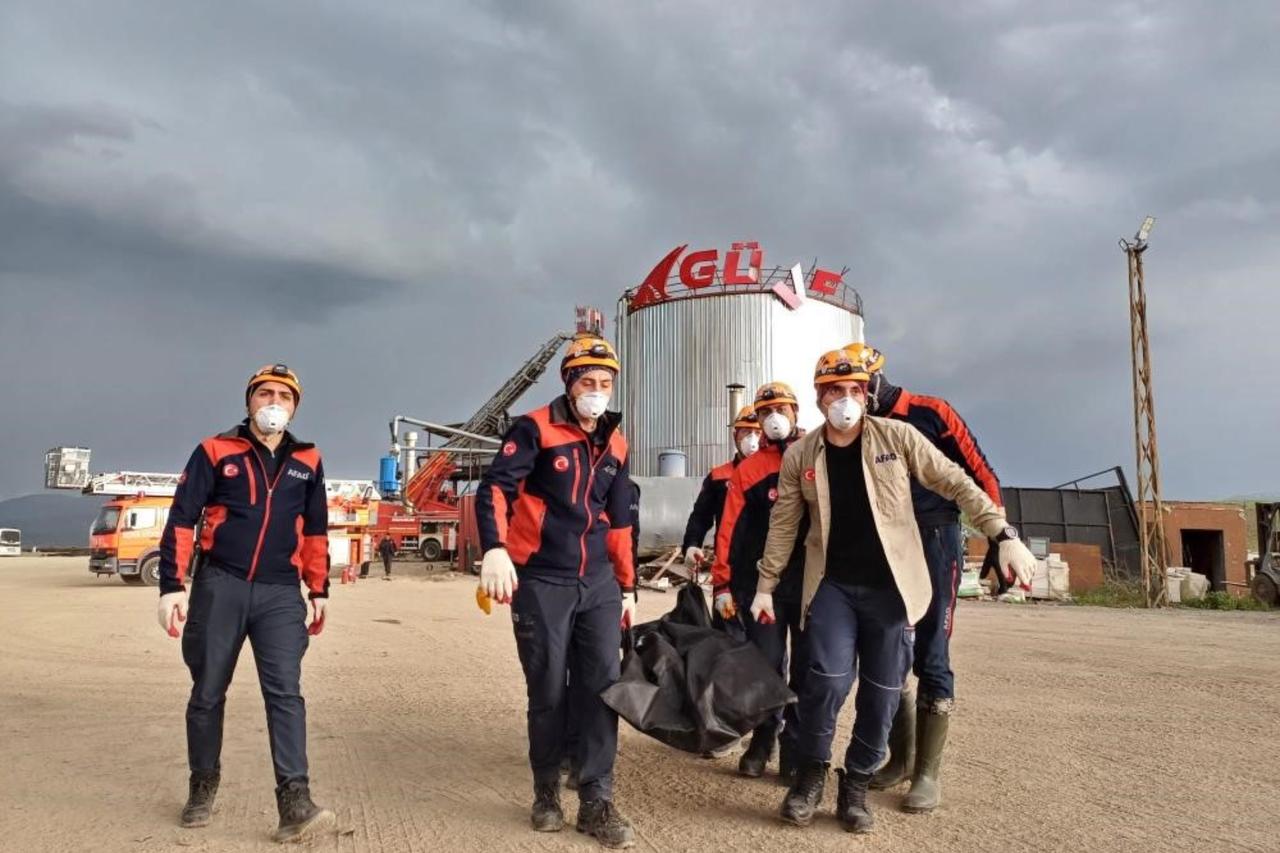
After traffic-related deaths, ISIG identifies crushing or cave-in incidents and falls from height among the leading causes, with additional categories including sudden medical events, electrocution, violence, suicide, and fires or explosions.
ISIG reports 94 child worker deaths in 2025, describing it as the highest number it has recorded. It contrasts this with official figures it says have historically logged far fewer child deaths annually, and argues that child labor has expanded and become more visible in urban areas, not only in rural agricultural work.
ISIG further notes a regulatory change published on January 17, 2025, which it says enables transfers into vocational middle-school tracks starting in earlier grades, presenting this as a lowering of the age at which children can be pushed toward work-linked schooling.
In its 2025 breakdown, ISIG reports that only a small share of those who died were union members, while the overwhelming majority were non-union.
It treats this as consistent with its broader view that deaths concentrate where workers lack protection and effective workplace-level oversight.
ISIG says workplace deaths were recorded across nearly all provinces in Türkiye, and it also logged deaths abroad involving workers in short-term assignments or Türkiye-linked companies.
Within Türkiye, it highlights an Istanbul-centered industrial and logistics corridor as a major concentration point, associating it with population density, the spread of industry and services, urban transformation, and insecure work practices.


 Set as preferred source
 Set as preferred source


 1 min read
 1 min read