Newsletters


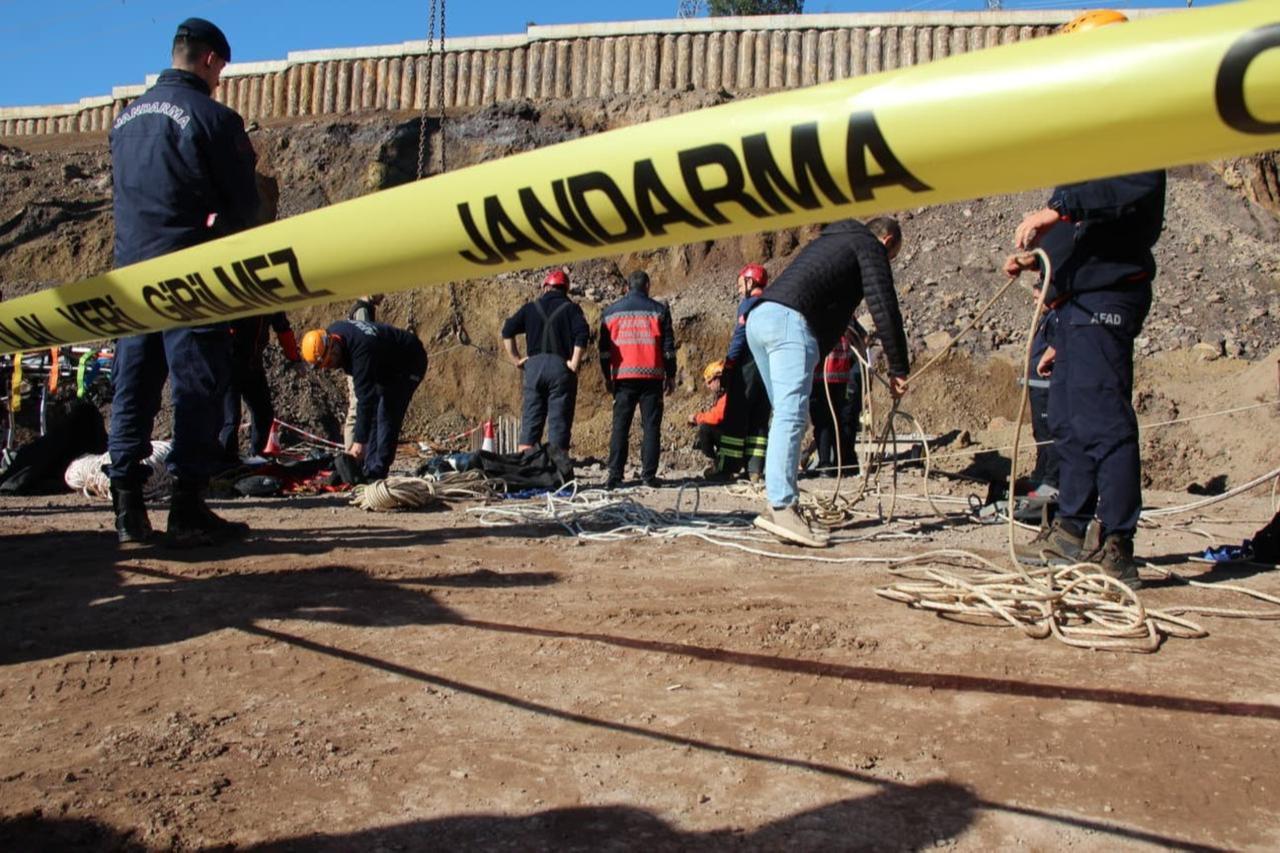


At least 216 workers lost their lives in workplace incidents in Türkiye in November 2025, bringing the number of recorded “workplace deaths” for the first 11 months of the year to at least 1,956. The organization behind the figures says it is now focusing on two urgent fronts: the fight against deadly working conditions and the growing scale of child labor.
According to the report by the Health and Safety Labor Watch Council (ISIG), November 2025 marked the highest monthly toll of workplace deaths since the group began publishing regular data in September 2011, excluding seven months during the COVID-19 pandemic, February 2023, when the Maras earthquakes struck, and May 2014, the month of the Soma disaster.
The report also notes that in some previous summers, when seasonal agricultural work intensified, monthly fatalities topped 200. However, it underlines that reaching 216 deaths in November is particularly striking.
The compilers say they use the term “is cinayetleri”—literally “workplace murders”—to describe fatal occupational incidents that they view as preventable. They base about two-thirds of their information on national media reports and the rest on accounts from colleagues, families, occupational safety experts, workplace doctors, trade unions and local media. They stress that earlier months’ figures are regularly updated as new cases emerge.

The report states that the highest number of deaths in November occurred in construction and road building, where 71 workers died. Agriculture and forestry followed with 34 deaths, including 18 wage earners and 16 farmers. Transport came next, with 31 deaths.
Looking at the broader picture across sectors, the report counts 73 deaths in construction, 68 in industry, 41 in services and 34 in agriculture for November. It also provides a breakdown by detailed branches such as mining, municipalities, petro-chemicals and rubber, metal, tourism and accommodation, energy, health, shipping, security, textiles, food, wood, paper, cement and glass, while noting that the sector could not be identified for six workers.
When the causes of death are examined, falls from height come first, and the report says that 85% of these incidents happened on construction sites. Crush injuries and collapses are listed as the second main cause and are particularly visible in agriculture, construction and industry.
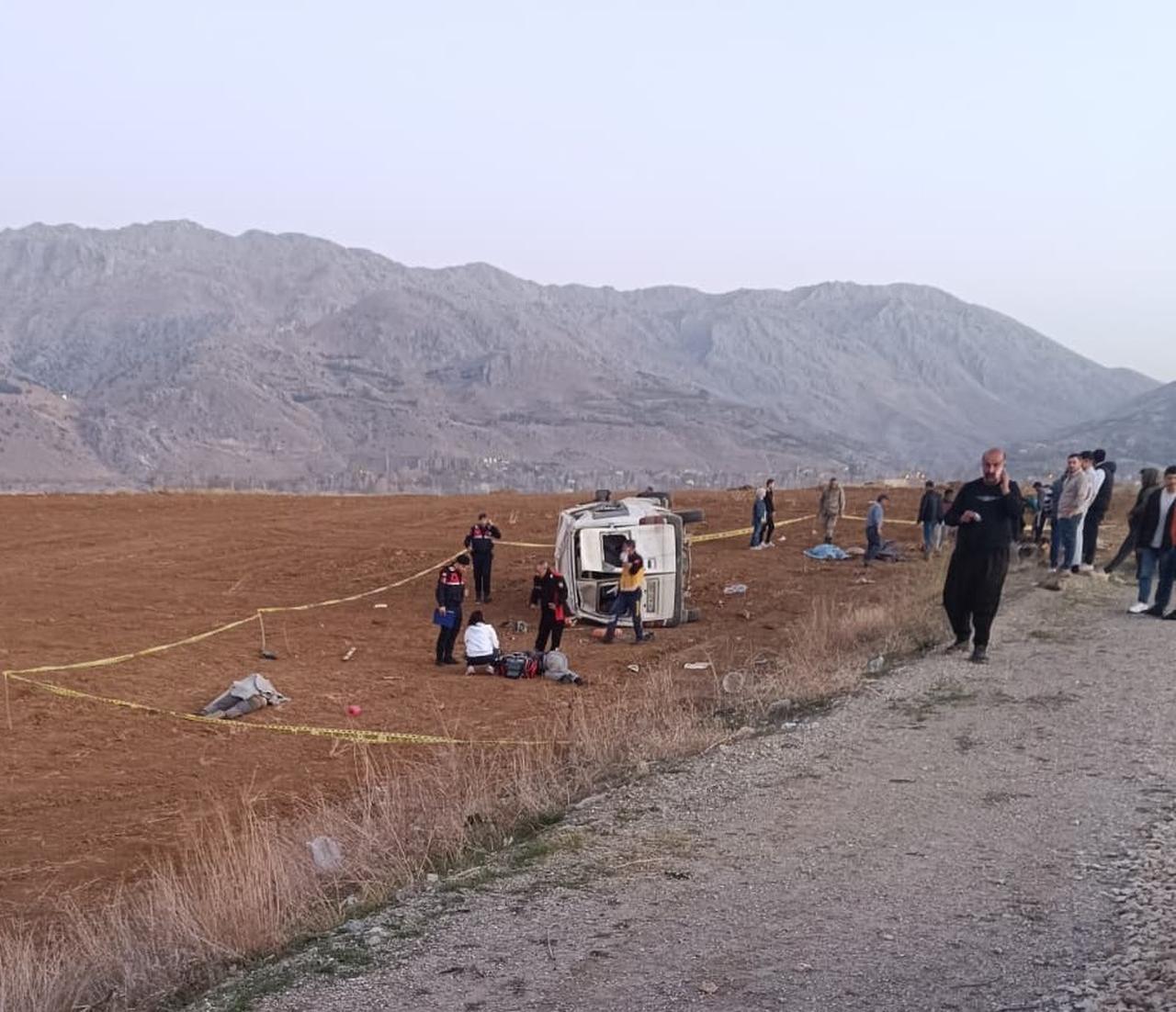
Traffic and service vehicle crashes are identified as the third major cause, and almost half of those deaths occurred in the transport sector. Other recorded causes include heart attacks and brain haemorrhages, electrocution, explosions and burns, suicides, violence, poisoning and drowning, as well as incidents where objects strike or fall on workers. A smaller group of deaths is categorised under “other causes.”
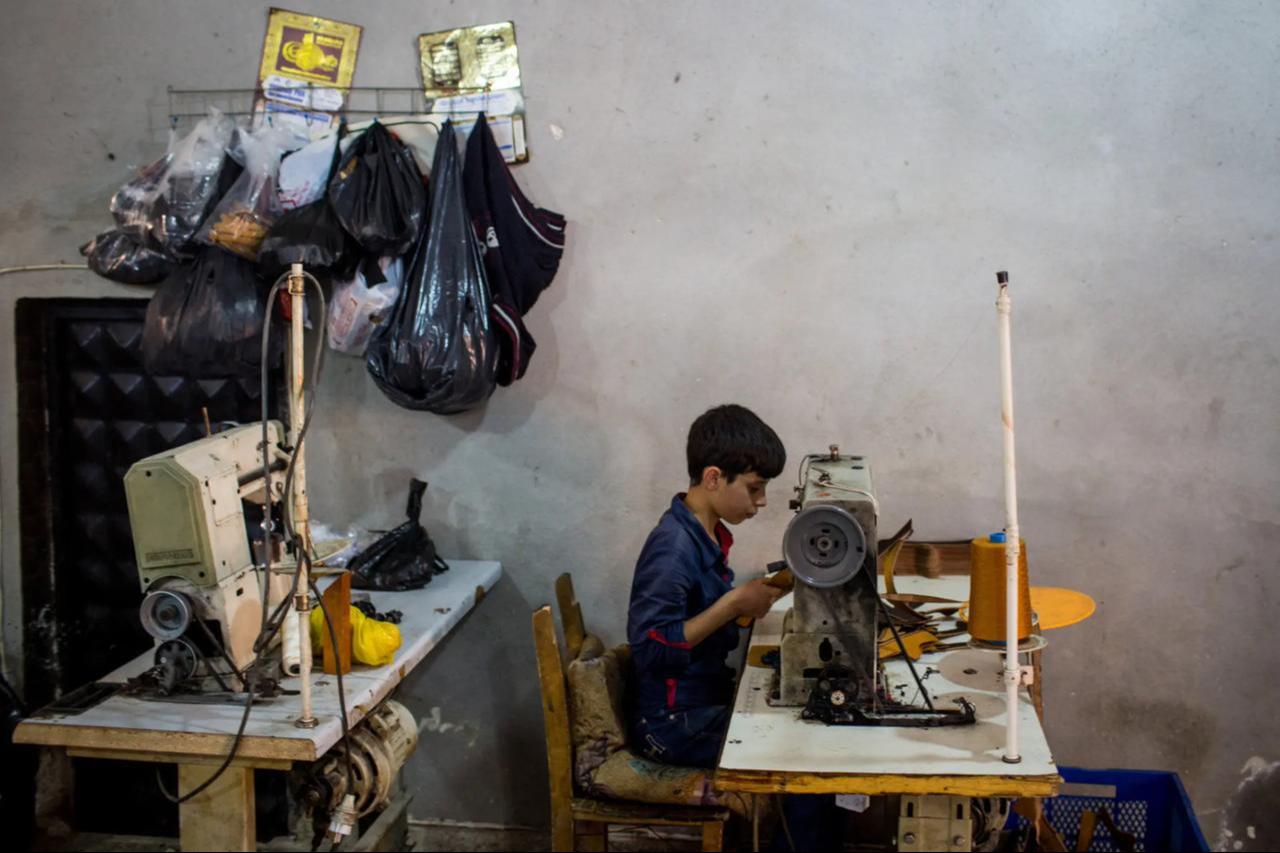
The second main focus of the report is child labour. It states that child labour has always existed in Türkiye, especially in agriculture, but argues that policies over the last 15 years—including in education and social protection—have both expanded child labour and shifted its centre of gravity from rural areas to cities.
The authors say that “factories, workshops, construction sites, small shops and shopping malls” now employ hundreds of thousands of children under titles such as apprentices or interns. For international readers, the report explains that shopping malls are widely referred to as “AVM” (from the Turkish “alisveris merkezi”).
The report recalls that 71 child workers were recorded as having died in 2024, which it describes as the year with the highest number of child workplace deaths at that time. By the end of November 2025, the number of child workers who had died had already reached 85.
In November alone, at least 13 children lost their lives in workplace incidents. One was a child farmer, while twelve worked in sectors such as agriculture, food, chemicals, wood, office work and construction. The report names some of them—Isa, Metehan, Nursefa, Tugba, Nisanur, Cansu, Muhammed, Hikmet, Onur, Sedat, Yakup, Alperen and Mustafa—and notes that they were aged between 14 and 17. It stresses that many of them had spent much of their short lives working and says they died “in workshops in fires, under torture, by falling from buildings, being thrown onto roads and being crushed under tractors.”
The report records that 19 of the workers who died in November were women. Nine of them worked in agriculture, six in chemicals, two in trade, one in health and one in security.
At least 12 migrant workers are known to have died in the same month. According to the report, four were from Iran, three from Egypt, two from Syria, and one each from Afghanistan, Russia and Turkmenistan. Eight of these migrant workers were employed in construction, two in agriculture, one in trade and one in shipping.
The authors state that most migrant workers who die in Türkiye are from Syria and Afghanistan, but they add that the growing number of deaths among workers from Iran and Egypt, especially in earthquake-hit provinces, points to increasing labour migration from those countries.

The November data also highlight the role of union membership. At least four of the 216 workers who died—about 1.85%—were union members, while 212, or 98,15%, were not. The report notes that the unionised workers were employed in energy, ports, health and municipal services and adds that there may be more union members among the dead than those it has been able to identify.
In terms of age, the report records deaths across the life cycle:
The ages of six workers could not be determined.
The report states that workplace deaths were recorded in 60 cities across Türkiye in November. The largest numbers were seen in Istanbul, followed by Kocaeli, Sanliurfa, Manisa, Ankara, Izmir and several other industrial, agricultural and construction hubs.
The monitoring also identified deaths of workers employed abroad in six different countries, either on short-term contracts or within companies based in Türkiye.


 Set as preferred source
 Set as preferred source



 8 min read