Sign in
 Newsletters




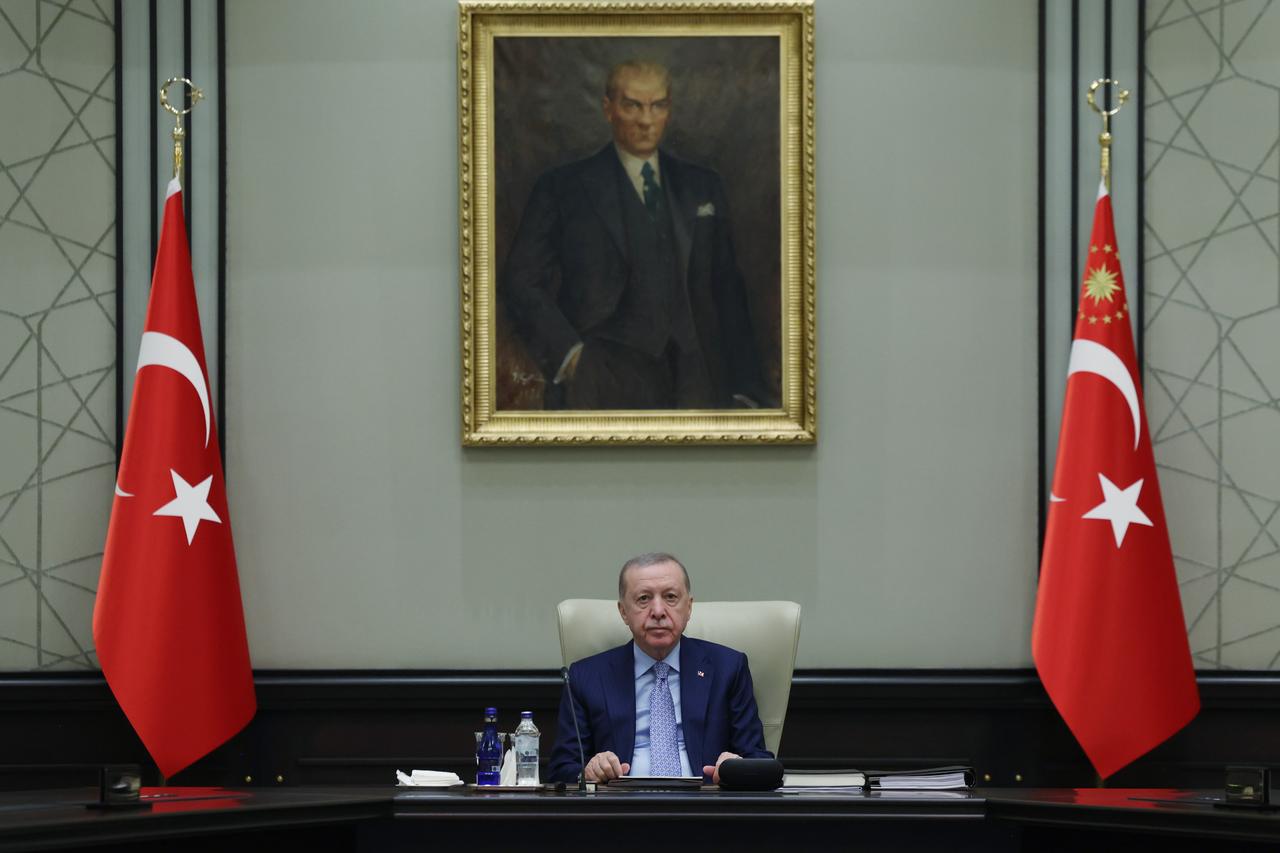
Türkiye rejected a European Parliament resolution Thursday declaring its 2019 maritime boundary agreement with Libya "null and void," accusing EU lawmakers of adopting politically motivated and unfounded claims.
In a written statement, the Turkish Foreign Ministry described the resolution as containing "biased and baseless allegations," emphasizing that the EU has no authority over maritime boundary delimitation.
The ministry said this position had also been established by the EU's Court of Justice.
"It is a futile effort for the European Parliament to adopt politically motivated resolutions that disregard international law under the pretext of solidarity among member states," the ministry said.
Ankara stressed that peace and stability in the Eastern Mediterranean required dialogue, good neighborly relations, mutual respect and cooperation, urging EU officials to adopt that approach.

The European Parliament adopted a resolution describing the Türkiye-Libya maritime agreement as "null and void" and calling for measures against its implementation.
Lawmakers urged the European Commission to review financial cooperation with Türkiye and Libya and suspend or redirect funding supporting activities that allegedly violate EU member states' sovereign rights, while protecting humanitarian assistance.
The resolution also called for targeted restrictions against individuals and organizations involved in such activities.
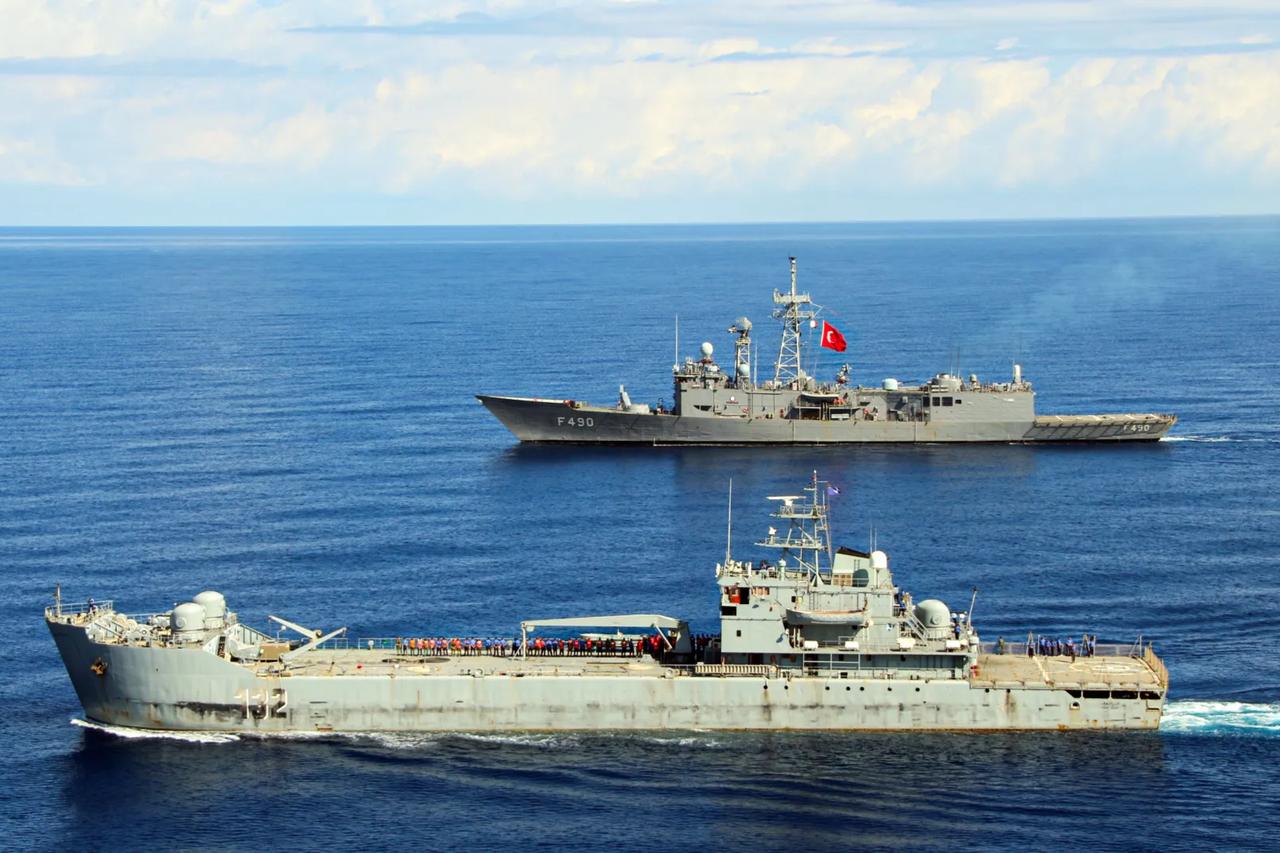
Additionally, lawmakers urged a stronger EU maritime security presence in the Eastern Mediterranean, drawing on the EUNAVFOR ASPIDES naval mission to protect critical undersea infrastructure, energy corridors and freedom of navigation.
The Parliament called for protecting the approximately 900-kilometer Great Sea Interconnector electricity project between Greece and the Greek Cypriot administration, which has contributed to tensions with Türkiye over disputed maritime areas.
It also referenced Article 42(7) of the EU Treaty, calling for its mutual assistance provisions to apply to maritime security scenarios.
The resolution followed similar criticism of the agreement by European Commission President Ursula von der Leyen, European Council President Antonio Costa and EU foreign policy chief Kaja Kallas in October.
Türkiye and Libya signed the maritime delimitation agreement on Nov. 27, 2019, under Libya's former U.N.-recognized Government of National Accord. It entered into force on Dec. 8, 2019.
On Oct. 20, 2026, Libya's eastern-based House of Representatives unanimously approved the agreement, reversing its earlier rejection and repealing a decision to sever political ties with Ankara.
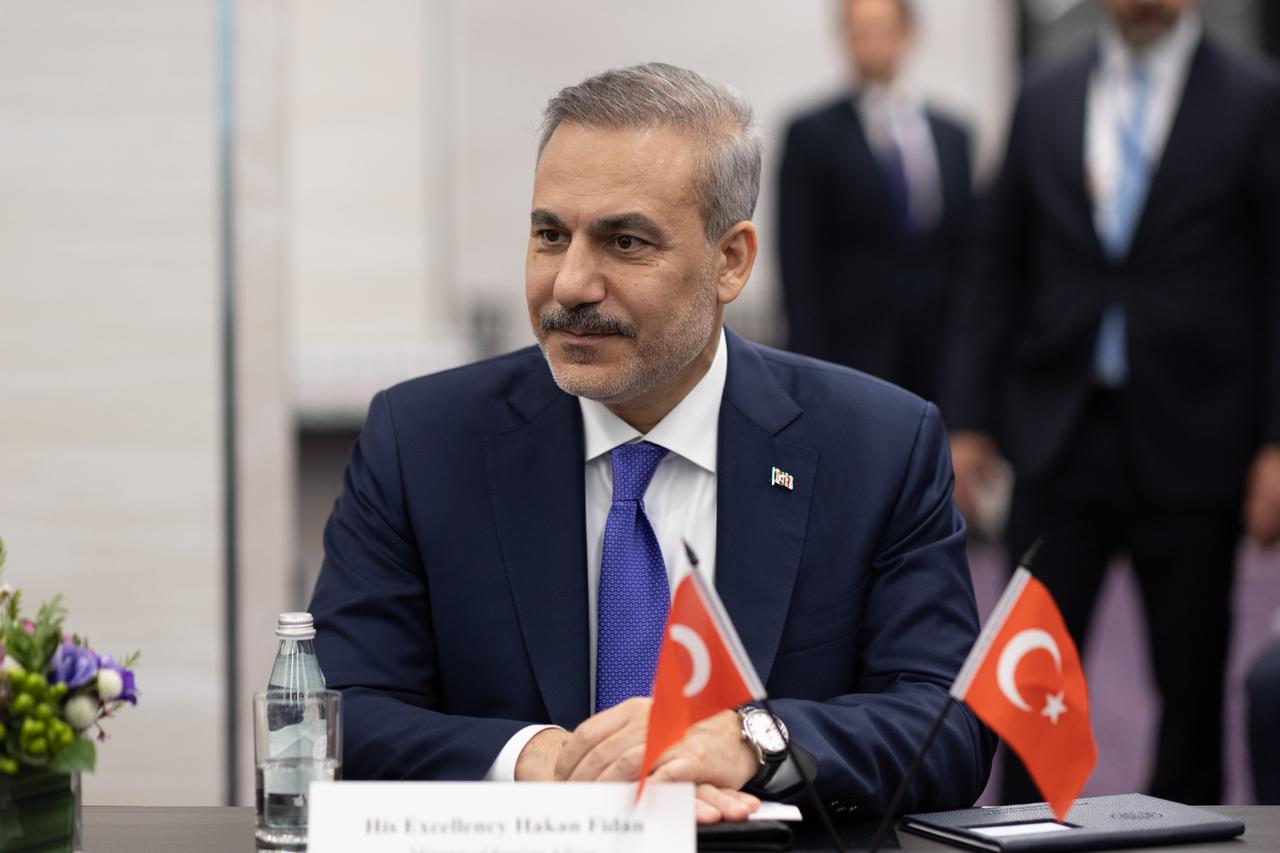
Turkish Foreign Minister Hakan Fidan previously defended the agreement as legitimate and expressed willingness to discuss concerns raised by Egypt, Italy and Libya.
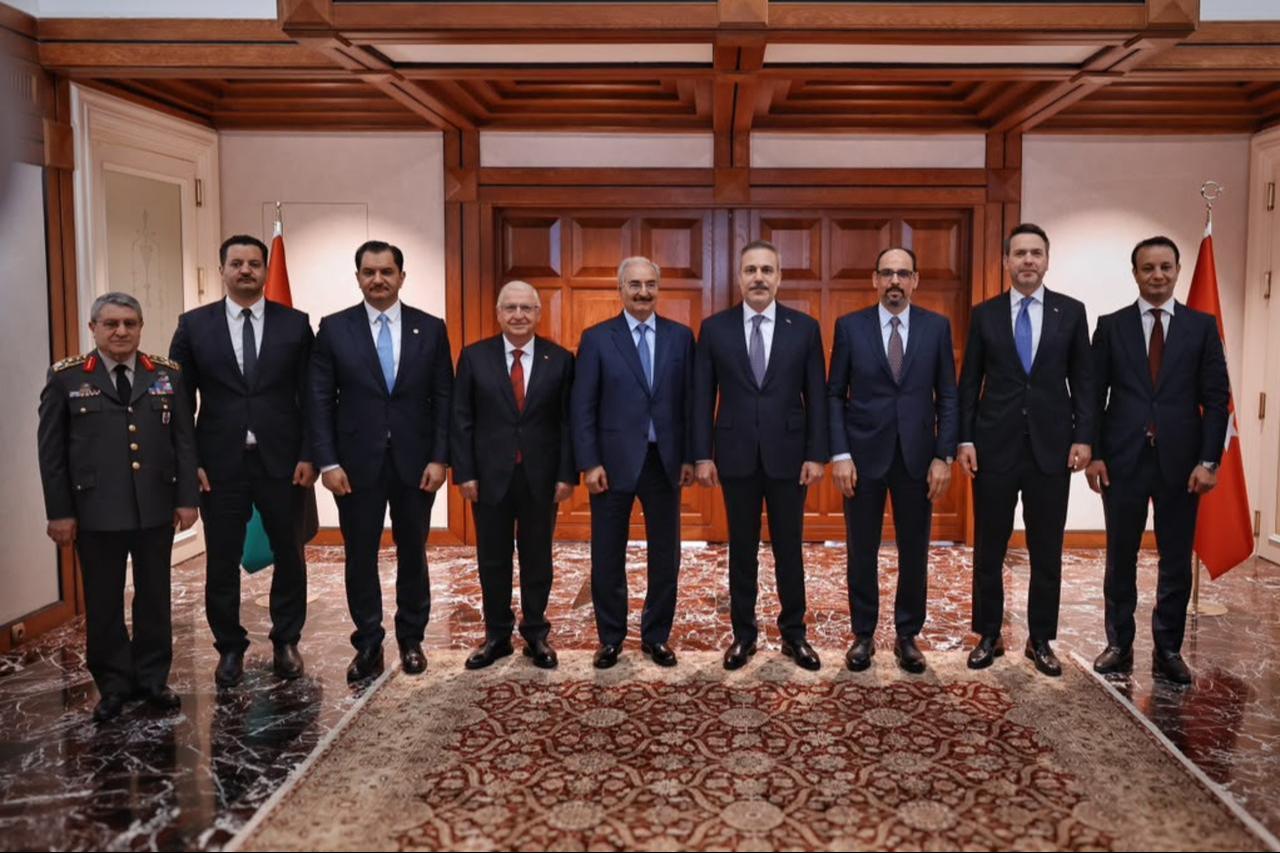
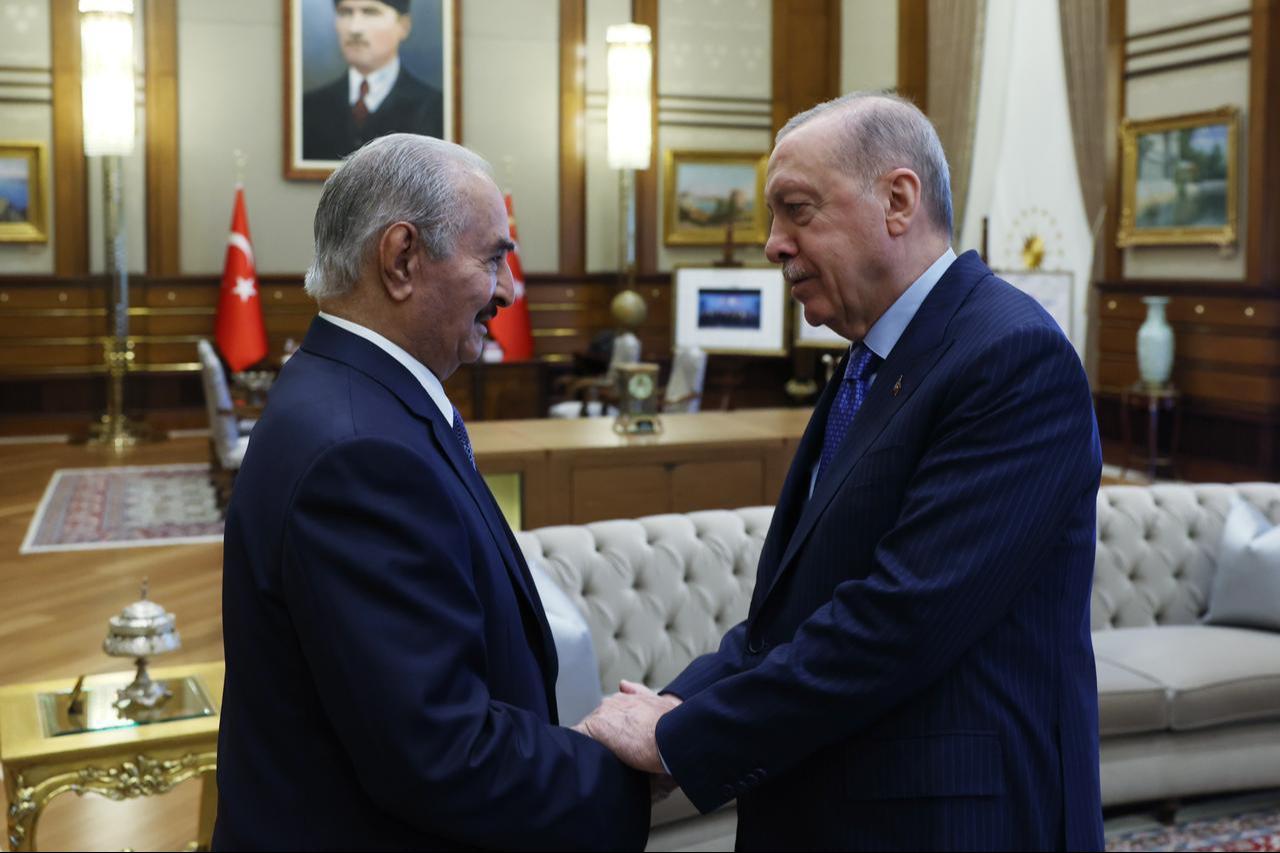
The European Parliament's resolution follows Libyan National Army commander Khalifa Haftar's meetings with senior Turkish officials in Ankara and comes ahead of President Recep Tayyip Erdogan's expected visit to Libya on Dec. 8-9.
Ankara maintains that the agreement complies with international law and protects Türkiye's continental shelf rights in the Eastern Mediterranean.
Greece argues that islands are entitled to continental shelves and exclusive economic zones under the 1982 U.N. Convention on the Law of the Sea.
Türkiye, which is not a party to the convention, maintains that islands near the Anatolian coast should not have the same influence on maritime delimitation as mainland territories.
Ankara advocates an equitable approach considering coastal lengths and geographical conditions rather than relying solely on equidistance.
During European Parliament discussions on Nov. 24, Irish Minister of State Charlie McConalogue called for negotiations consistent with international law, while Türkiye rapporteur Nacho Sanchez Amor and Foreign Affairs Committee Chair David McAllister criticized the agreement.
The Turkish Foreign Ministry reiterated that dialogue and cooperation, rather than politically motivated resolutions, were necessary for stability in the Eastern Mediterranean.


 Set as preferred source
 Set as preferred source


 1 min read
 1 min read