Sign in
 Newsletters


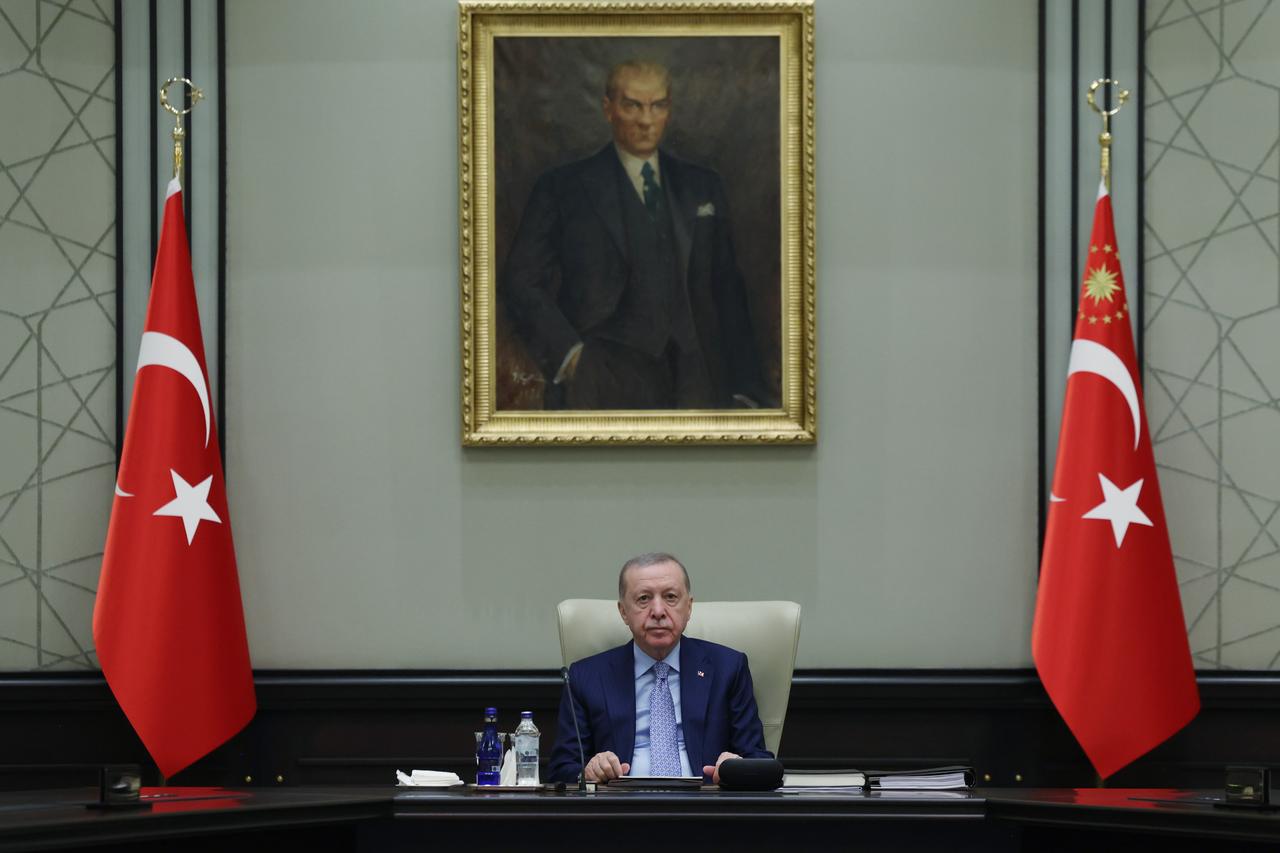


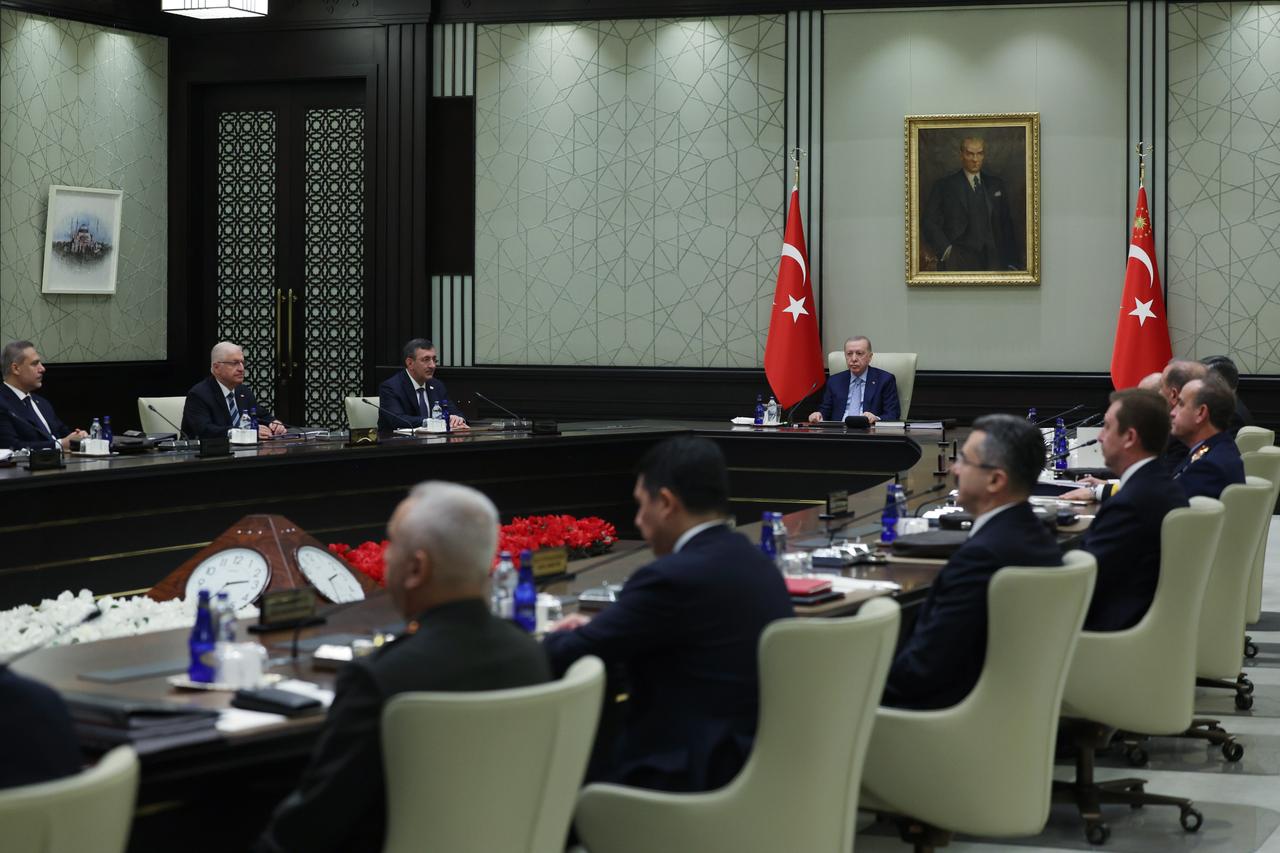
President Recep Tayyip Erdogan has approved the Mecca defense pact with Pakistan and Saudi Arabia, completing Türkiye's ratification of the deal, according to a decision published in the Official Gazette on Friday.
The approval comes as officials from the three countries meet in Islamabad, with Houthi attacks on Saudi Arabia expected on the agenda.
President Erdogan approved the "Mecca Agreement for Joint Defense Between the Republic of Türkiye, the Islamic Republic of Pakistan and the Kingdom of Saudi Arabia" under Decision No. 12017, dated Thursday, according to the Official Gazette.
The decision was issued under Articles 2 and 3 of Presidential Decree No. 9. Parliament had approved ratification of the agreement through Law No. 7597.
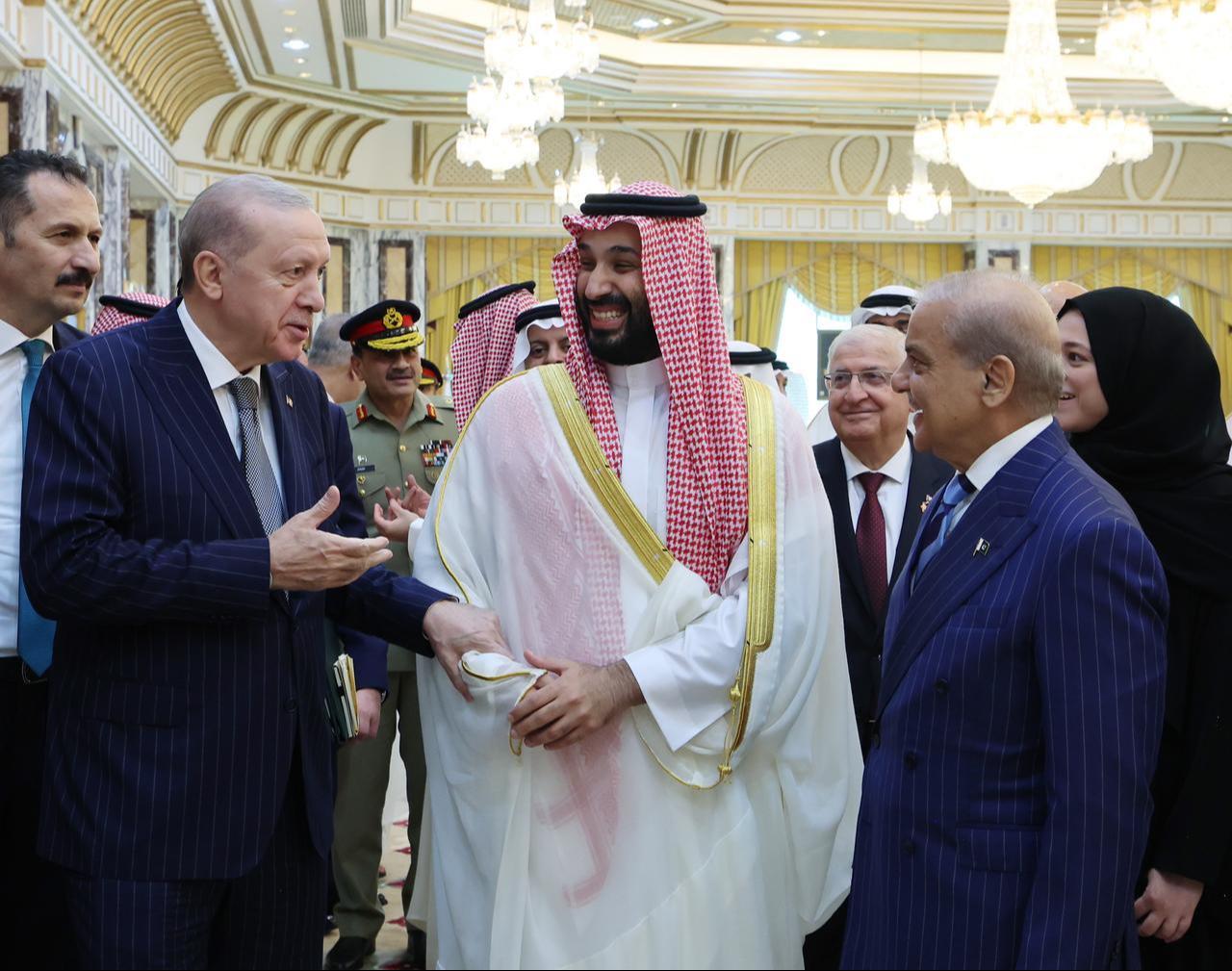
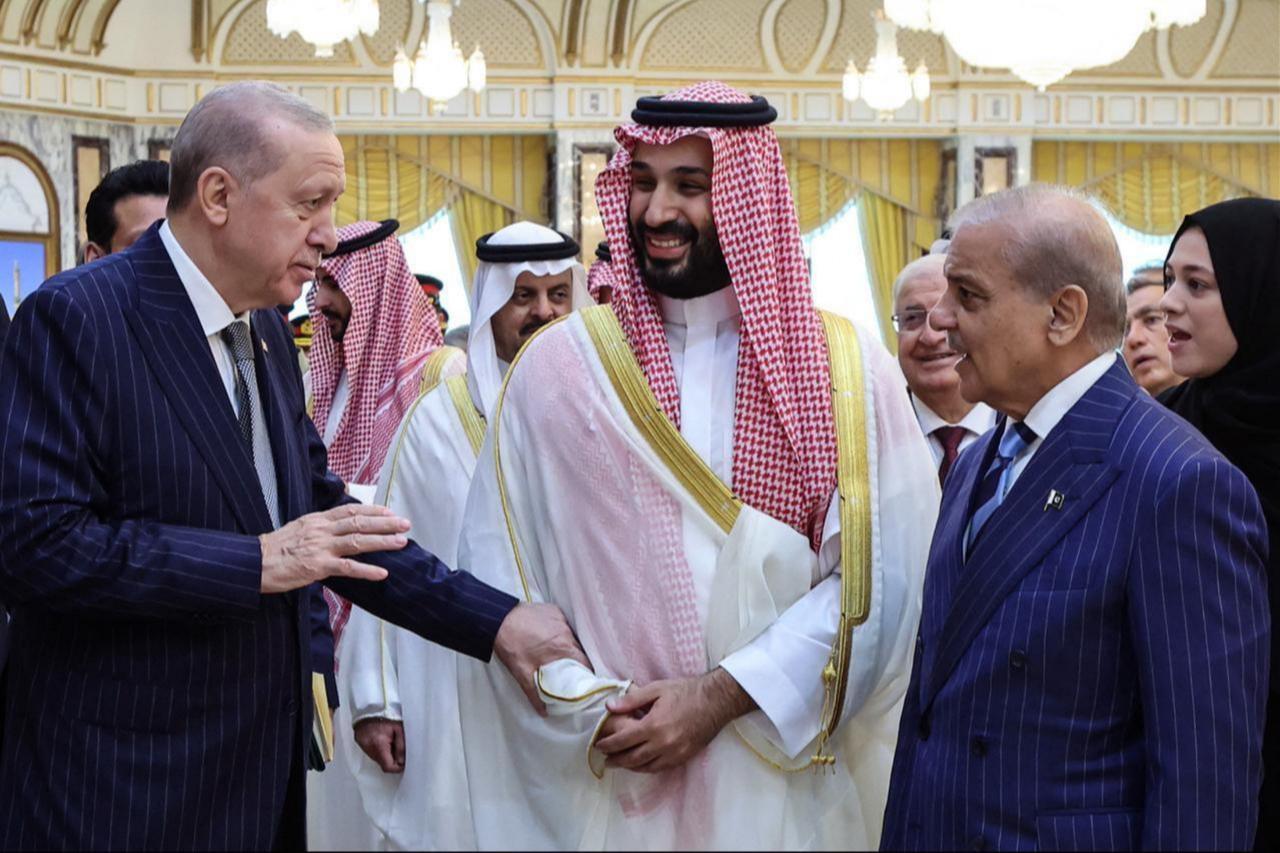
President Erdogan, Saudi Crown Prince and Prime Minister Mohammed bin Salman and Pakistani Prime Minister Shehbaz Sharif signed the agreement in Mecca on Aug. 7. The three countries signed it amid escalating concerns about the U.S.-Israeli war on Iran.
"Any external armed attack on any of the 'Parties' will be considered an attack against all the 'Parties,'" Article 2 of the agreement says.
In case of an attack, the parties will immediately assist the country attacked "with all possibilities of mutual assistance," according to the text. They will decide on the extent and nature of support after an objective assessment, within the scope of available means, including military means, to exercise the right of self-defense under Article 51 of the U.N. Charter.
If the territorial integrity, sovereignty or internationally recognized borders of any party are threatened, the parties "will utilize all means necessary to eliminate the threat(s) and danger(s)," Article 1 says.
Under Article 10, the parties will provide logistical support "including arms, ammunition, fuel, spare parts and other equipment support during peace, war, and other contingencies," depending on availability.
The agreement also covers personnel exchanges, joint training, exercises and deployments in peace and war, defense co-production and joint research projects. It also provides for intelligence sharing through secure channels and cooperation against terrorism.
Confidential information obtained under the agreement will not be shared with any government, company or person from a country outside the pact, the text says.

The agreement sets up a "Strategic Political and Defence Committee" made up of the three countries' foreign ministers, defense ministers and chiefs of general staff. The committee will meet twice a year, rotating among the parties, while leaders may meet once a year.
The committee will have a secretariat based in Saudi Arabia. A secretary-general will head it on a three-year rotation, with the first coming from Pakistan.
The committee will also set the mechanism and criteria for other countries to join the pact, by consensus among the three core parties.
The agreement does not affect the parties' rights and obligations under international agreements they have already concluded, according to the text.
It will enter into force once the last instrument of ratification is deposited with the secretariat and will remain in force indefinitely. A party may withdraw only after 10 years from its entry into force, with at least three months' written notice.
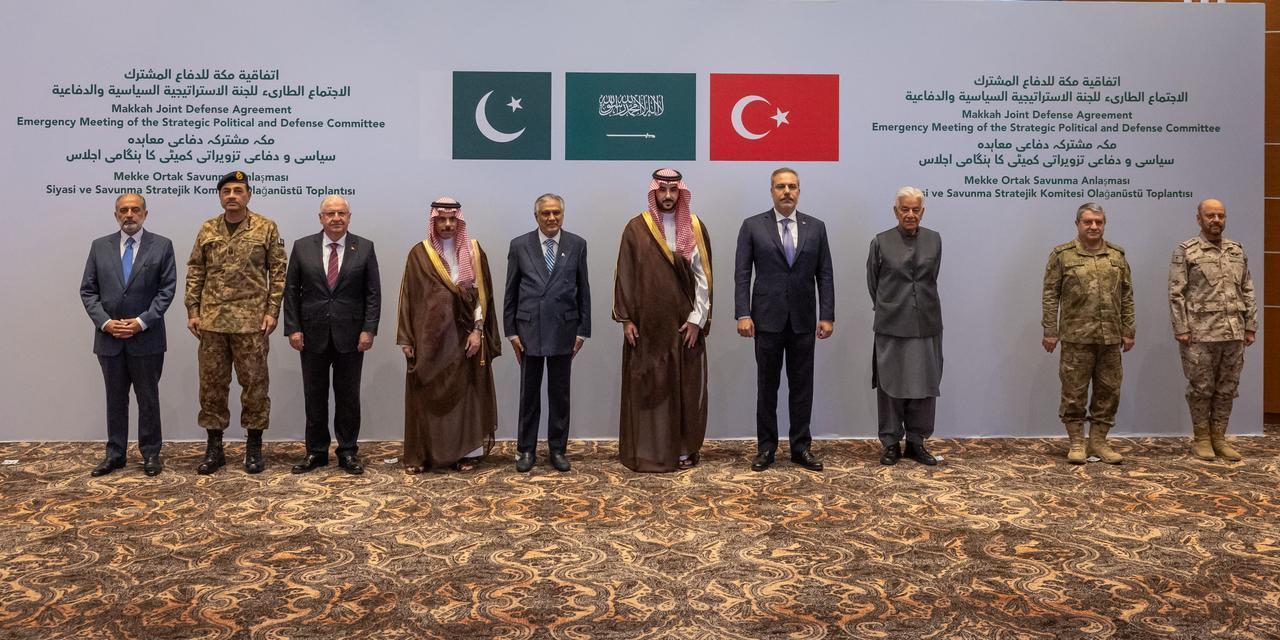
The three countries are holding a meeting in Islamabad on Friday and Saturday, Reuters reported.
Pakistani Defense Minister Khawaja Asif told Agence France-Presse (AFP) that defense and foreign ministers from the three countries would attend and that the conflict between Saudi Arabia and the Houthis would be on the agenda.
"Continuous turmoil south of Saudi Arabia will obviously be one agenda point in the meeting and it is very important," Asif said.
"Any threat to Saudi Arabia is a threat to Pakistan and Turkey according to the pact, which is absolutely clear," he said Wednesday, praising Riyadh's handling of the conflict.
Saudi Arabia has faced repeated Houthi attacks on its cities, oil facilities and shipping since fighting in Yemen's civil war intensified in July.
The Houthis hold large parts of Yemen, including the capital, Sanaa.
Asif said the pact, formed as the war in the Middle East expanded after U.S.-Israeli strikes on Iran in February, was still at a "nascent stage."
"Initially we need to have frequent meetings to steer what is being formulated, in a way that in the next couple of months we have everything in place so that we can move forward," he said.
Asif declined to say how the pact would respond to a direct Iranian attack on Saudi Arabia. He identified Israel as a possible threat to countries in the region.
"The possibility of some conflict, or aggression from the Israeli side exists, so we need to close our ranks, the countries of this region," he noted.


 Set as preferred source
 Set as preferred source


 2 min read
 1 min read