Newsletters


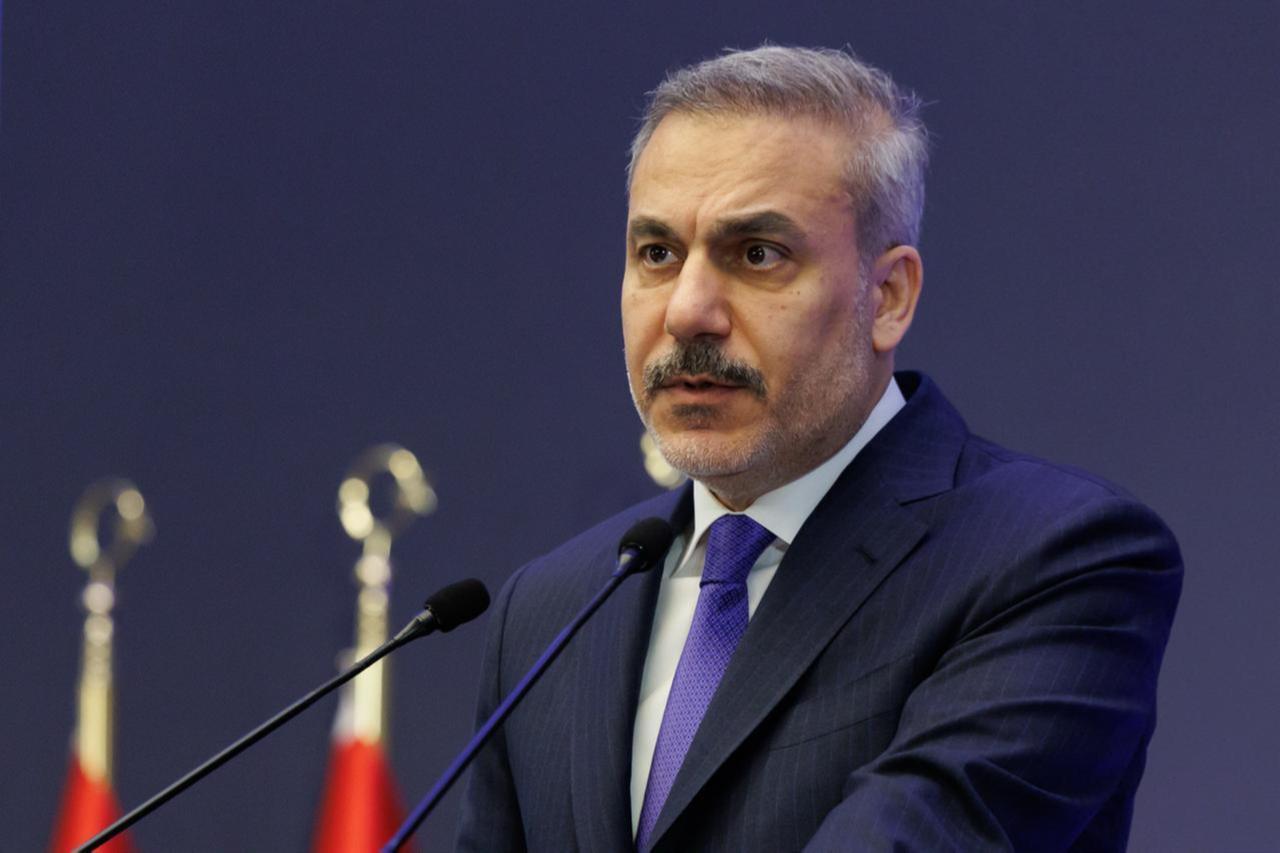


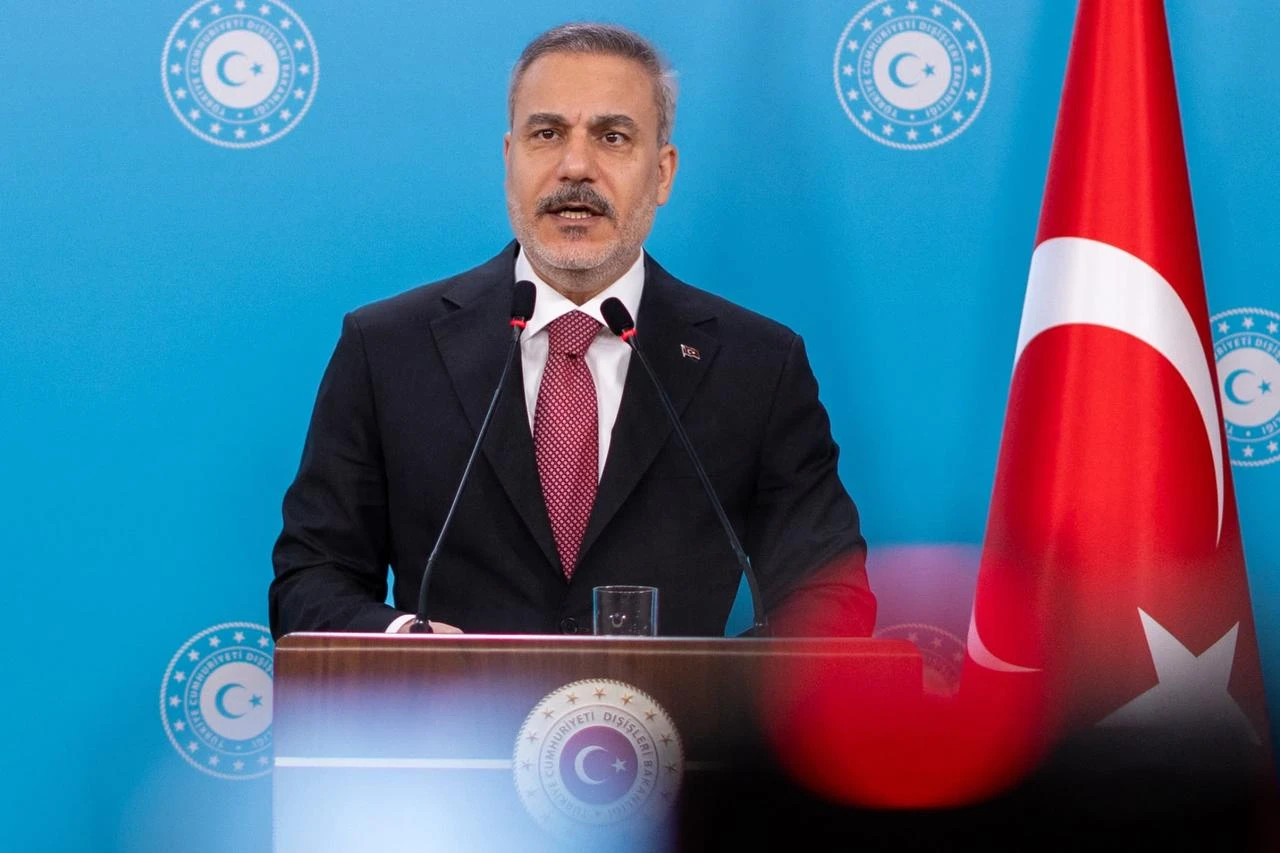
Türkiye's top diplomat Hakan Fidan declared on Sunday that his country will not join the European Union unless the bloc fundamentally changes its political approach, accusing Brussels of practicing identity-based exclusion against Türkiye due to religious and civilizational differences.
In an interview with Sky News Arabia, Fidan stated that while common ground between Türkiye and the EU has never been greater, a deeper obstacle prevents membership from advancing.
"As long as the European Union maintains its current political stance toward Türkiye, I do not believe Türkiye will become an EU member," Fidan said, characterizing the impasse as rooted in mindset rather than policy details.
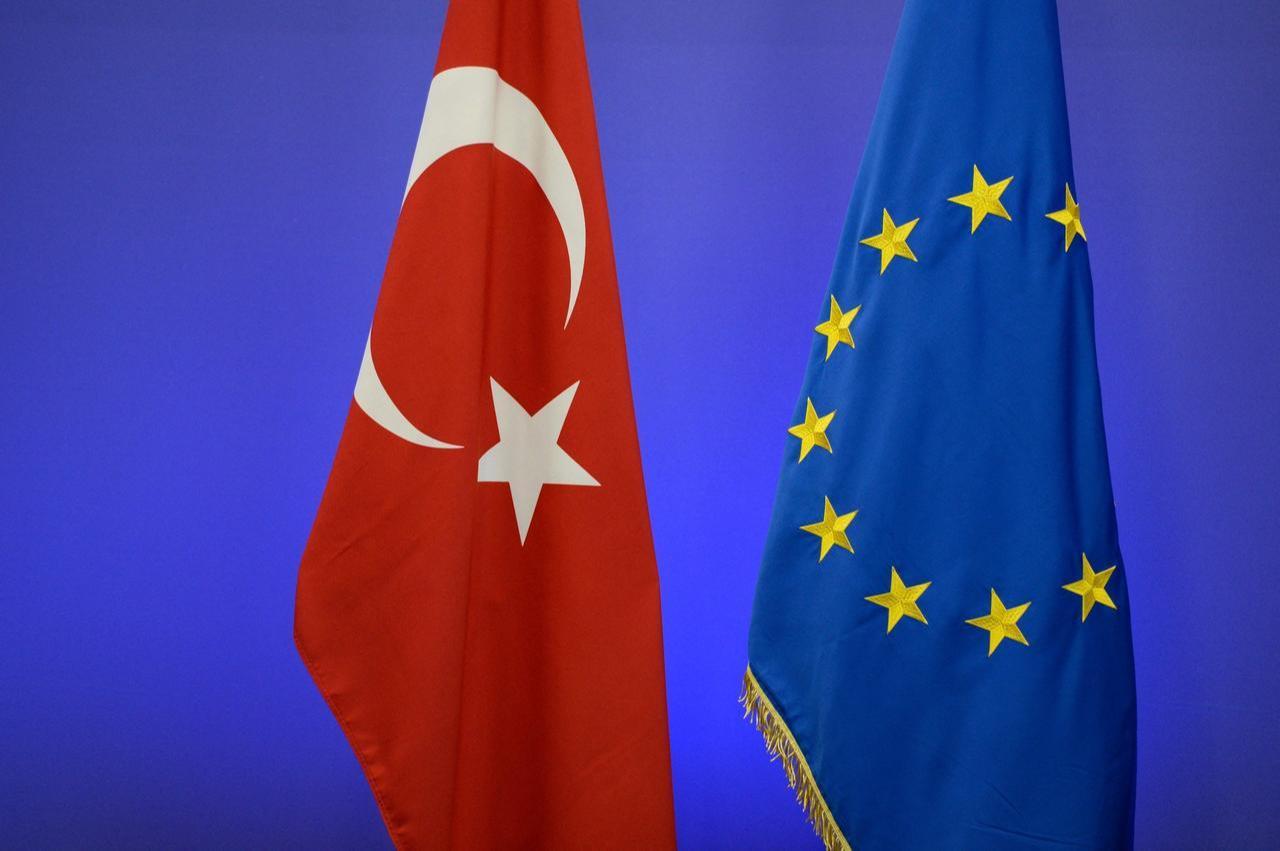

The foreign minister argued that the EU's approach to Türkiye reflects what he called an "identity politics mentality" that makes membership impossible regardless of technical progress on accession criteria. Türkiye has held official candidate status for EU membership for over two decades, but negotiations have stalled repeatedly amid disputes over human rights, rule of law, and geopolitical tensions.
Fidan described the situation as a political and cultural deadlock, suggesting that the EU views Türkiye through a lens incompatible with genuine integration.
Offering a structural critique of the European project, Fidan acknowledged that the EU successfully created a supranational institution transcending individual nation-states. However, he argued the bloc failed to extend this vision beyond a narrow civilizational framework.
"The EU managed to become a supranational institution, but it could not become a supra-civilizational institution," Fidan said, adding that the union excludes Türkiye because it views the country as belonging to a different religion and civilization.
This framing positions Türkiye's exclusion not as a matter of meeting specific membership criteria but as a fundamental rejection based on cultural identity.
Concluding his remarks, Fidan connected Türkiye's EU membership impasse to broader questions about international cooperation. He argued that humanity's fundamental problems cannot be solved through exclusionary policies but require inclusive frameworks that bring different civilizations together.
The foreign minister suggested that what the world needs is the ability for diverse civilizations to unite under a single roof and coexist, implicitly criticizing the EU for failing to embody this principle in its treatment of Türkiye.


 Set as preferred source
 Set as preferred source


 2 min read

 1 min read