

 Newsletters


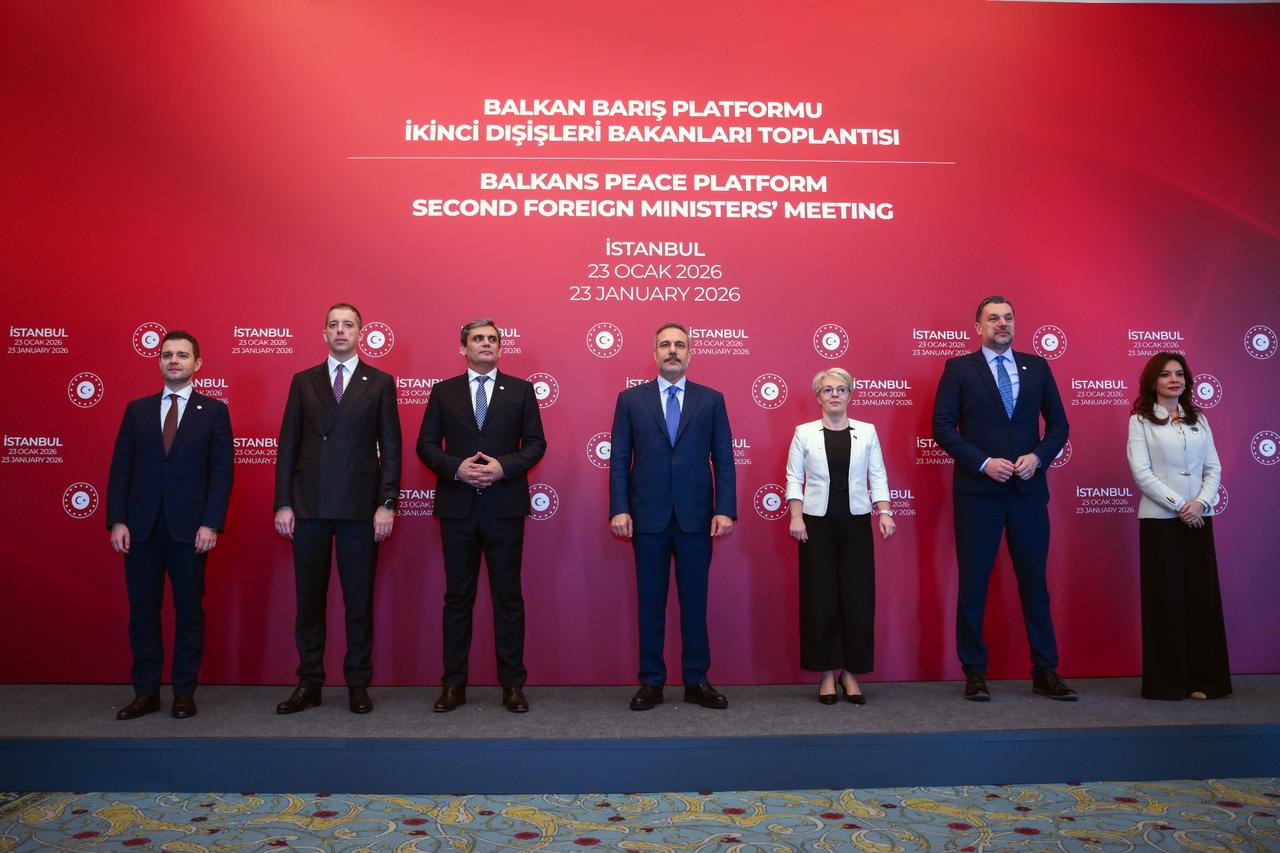


While much of the world’s political class remained in Davos, grappling with the aftershocks of U.S. President Donald Trump’s latest moves, foreign ministers from the Western Balkans gathered elsewhere for a quieter but no less significant meeting for their own future.
Upon his return from the Swiss Alps, Türkiye’s Foreign Minister Hakan Fidan hosted the Balkan Peace Platform in Istanbul. He was joined by the foreign ministers of Albania, Bosnia and Herzegovina, Montenegro, Kosovo, North Macedonia and Serbia.
The platform is focused on restoring strategic calm by doubling down on dialogue, economic interdependence and inclusive security rather than zero-sum geopolitics.
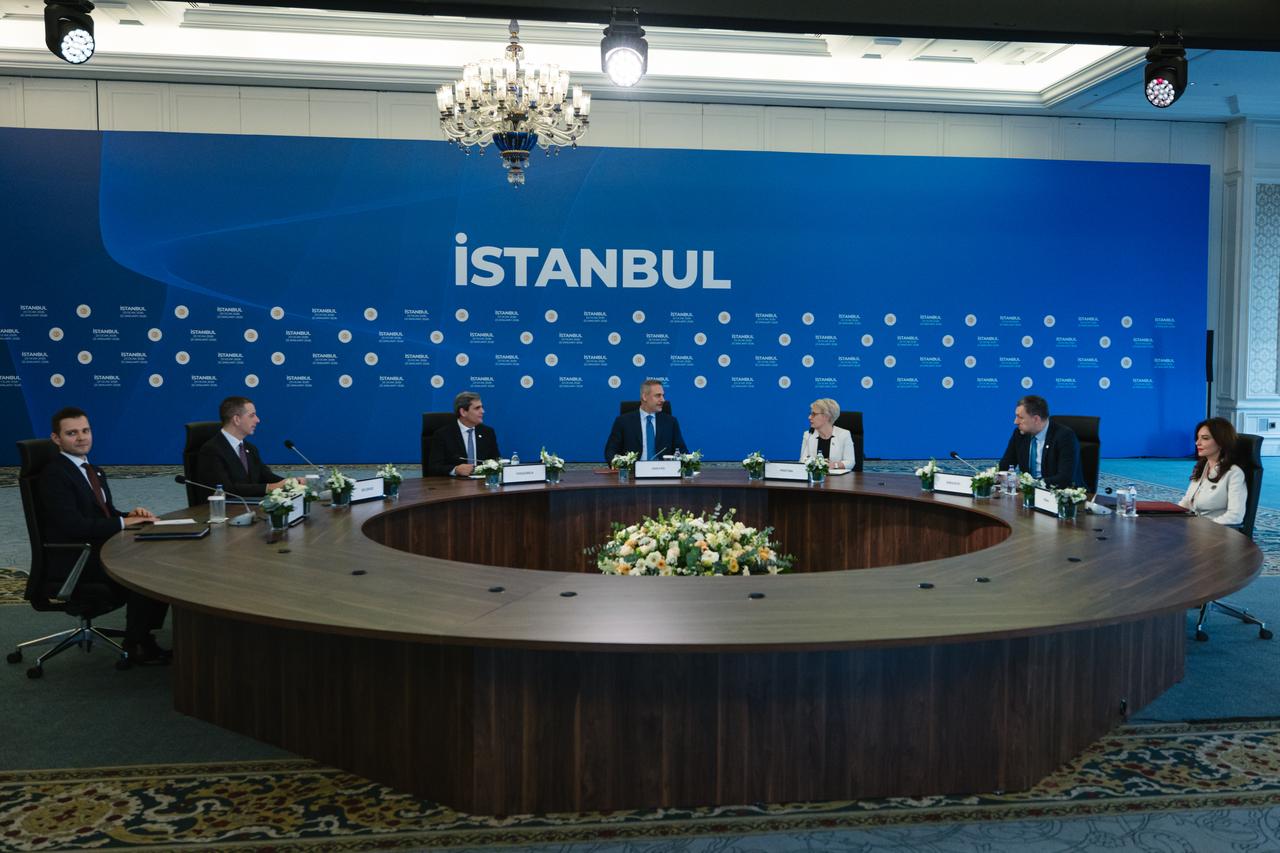

As Europe debates how to respond to Trump’s Greenland framework plan, Ankara is quietly deepening its engagement with the Western Balkans. These states hold very different views of their past and face serious internal disputes, but they share one strategic objective: membership in the European Union.
At Davos this week, French President Emmanuel Macron said aloud that Europe is being pushed, pressured and outmaneuvered, including by its closest ally, the United States. Strategic autonomy, he warned, is no longer a slogan but a necessity. History, Macron cautioned, will not wait for Europe to make up its mind.
While the EU remains preoccupied with defining its own future, leaving enlargement frozen, Türkiye has been working with small and middle powers to improve regional cooperation for years, long before Canada's Prime Minister Mark Carney’s speech in Davos. Ankara recognized early that the old order no longer works and shifted its focus toward regional dialogue and pragmatic progress.
When Carney warned that there are tables where decisions are made and tables where countries are merely discussed, the Western Balkans should have taken it as a warning. The region does not have the luxury of waiting for EU enlargement to regain momentum or for Washington to refocus its attention. This is precisely the opening where Türkiye has stepped in.
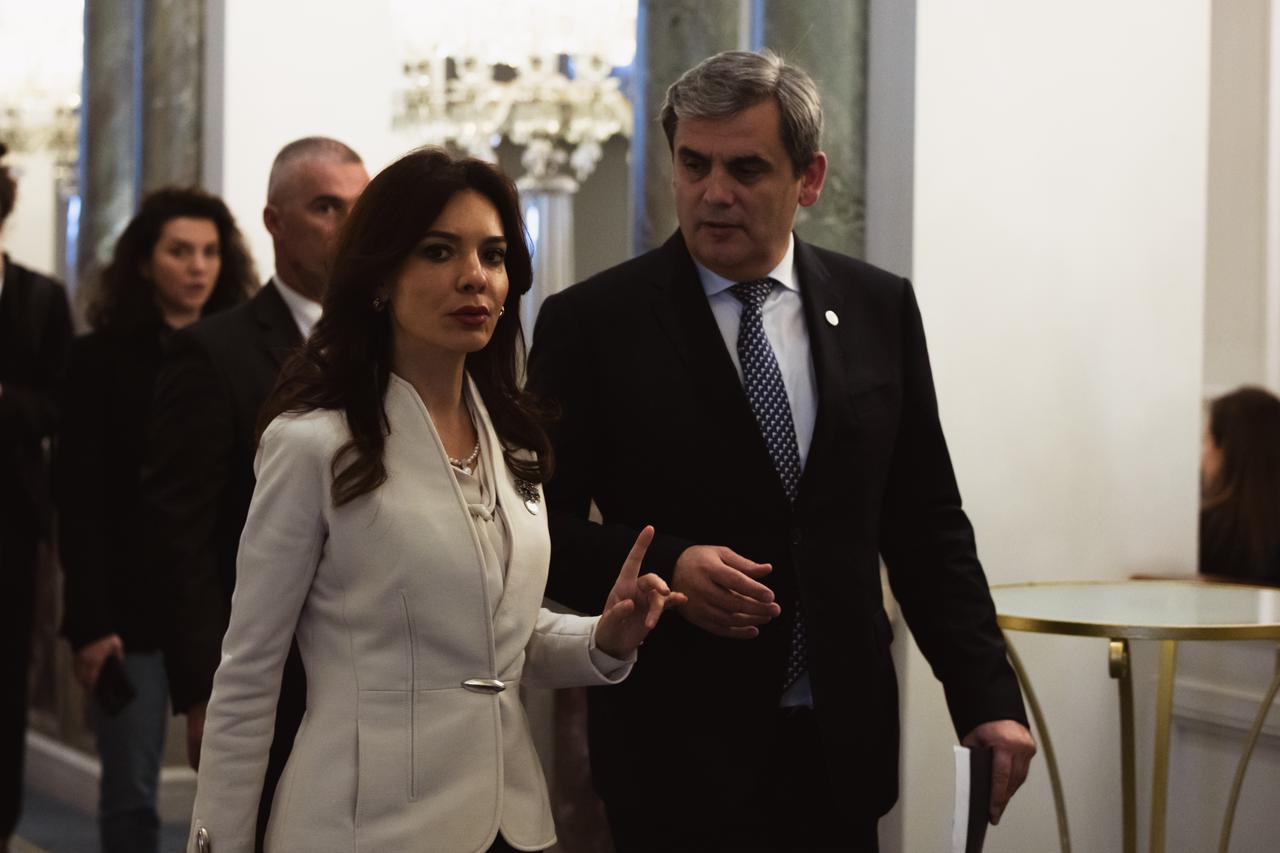
Unlike the many EU-led, donor-driven, or narrowly technocratic initiatives layered onto the Balkans over the years, Ankara’s approach is unapologetically political. Foreign Minister Hakan Fidan’s Balkan Peace Platform is built on a simple premise: everyone is invited, everyone is spoken to, and nothing is pre-filtered by ideology or moral hierarchy. No preconditions. No exclusions.
For Türkiye, the Western Balkans are not a distant neighborhood; they are part of its immediate strategic environment. Every serious instability in the region reverberates southward. Migration flows triggered by Balkan crises do not stop at the EU’s external borders; they move through Türkiye. Energy disruptions in Southeast Europe affect corridors critical to Ankara’s energy security. Political breakdowns create openings for organized crime, illicit networks, and foreign intelligence activity that directly undermine Turkish internal security.
There is also a broader geopolitical calculation. The Balkans remain one of the few parts of Europe where global competition plays out in compressed form, with the EU, Russia, China, and Gulf states all testing influence. A fragmented, crisis-prone Balkans invites zero-sum rivalry. A stable one allows Türkiye to act as a balancing power rather than a reactive one.
This is why Türkiye invests political capital in defusing crises rather than exploiting them.
Nowhere is this clearer than in Bosnia and Herzegovina, which recently faced one of its most serious institutional crises since the Dayton Agreement. Republika Srpska leader Milorad Dodik’s open challenge to state authority has triggered familiar international responses: condemnations, warnings, and strongly worded statements. Necessary, perhaps, but insufficient.
What has received less attention is that Türkiye has kept channels open to all sides, including Dodik himself, with a single goal: to prevent escalation. It is diplomacy in its least glamorous form, quiet, uncomfortable, and often criticized, yet indispensable when the alternative is drift toward crisis.
Ankara’s engagement in the Balkans is driven by hard national interest and not just by common past and tradition. A peaceful region preserves trade routes, limits security spillovers, and reduces the likelihood of external actors reshaping the region in ways hostile to Turkish interests. Frozen conflicts and permanent crises do not serve Ankara. Moderation does.
Today, Türkiye is present at most major diplomatic tables. Western Balkan countries, by contrast, are often discussed without being present at all. That asymmetry should worry the region far more than Ankara’s growing visibility.
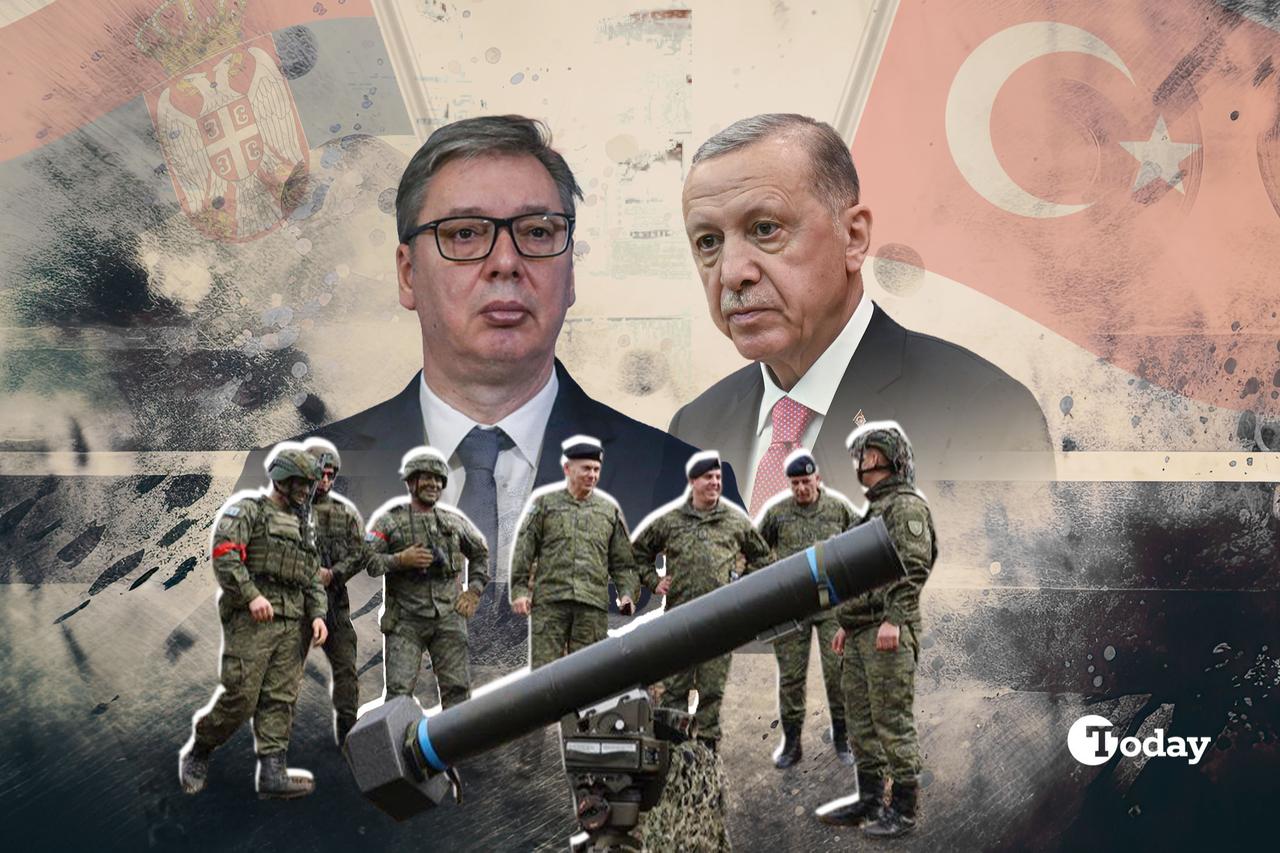
Serbian President Aleksandar Vucic has recently accused Türkiye of destabilization over drone cooperation with Kosovo, reviving familiar accusations of “neo-Ottoman ambitions.” But this misses the strategic point. Ankara does not benefit from dominance, only from durability. Its leverage grows when it is seen as a problem manager, not a problem creator.
The EU remains the region’s top priority, but its processes are slow, heavily conditional, and increasingly detached from political realities on the ground. Economic integration initiatives promise efficiency, but do little to defuse political crises. NATO provides reassurance for some and suspicion for others. Türkiye’s platform operates where these frameworks fall short, offering flexibility in a region where crises rarely wait for formal mechanisms to activate.
In a world of open great-power competition, defensive middle powers, and a Europe still searching for its voice, the Western Balkans cannot afford paralysis. Trust must be rebuilt before tensions harden into facts on the ground.
For now, Türkiye is offering a table. The region would be wise to sit at it as geopolitical earthquakes intensify.


 Set as preferred source
 Set as preferred source


 1 min read
 1 min read


