Newsletters




In a statement on the latest developments in Iran, the Turkish Defense Ministry said Thursday that border security is being maintained with “great dedication,” adding that no mass migration toward Türkiye has been detected so far.
“Although there is currently no detection of a mass migration toward our borders, additional measures along the border line have been prepared and will be implemented if needed,” the ministry said during a weekly press briefing.
The statement came in response to questions on whether unrest in Iran has triggered a migration wave toward Türkiye following weeks of protests and economic turmoil.

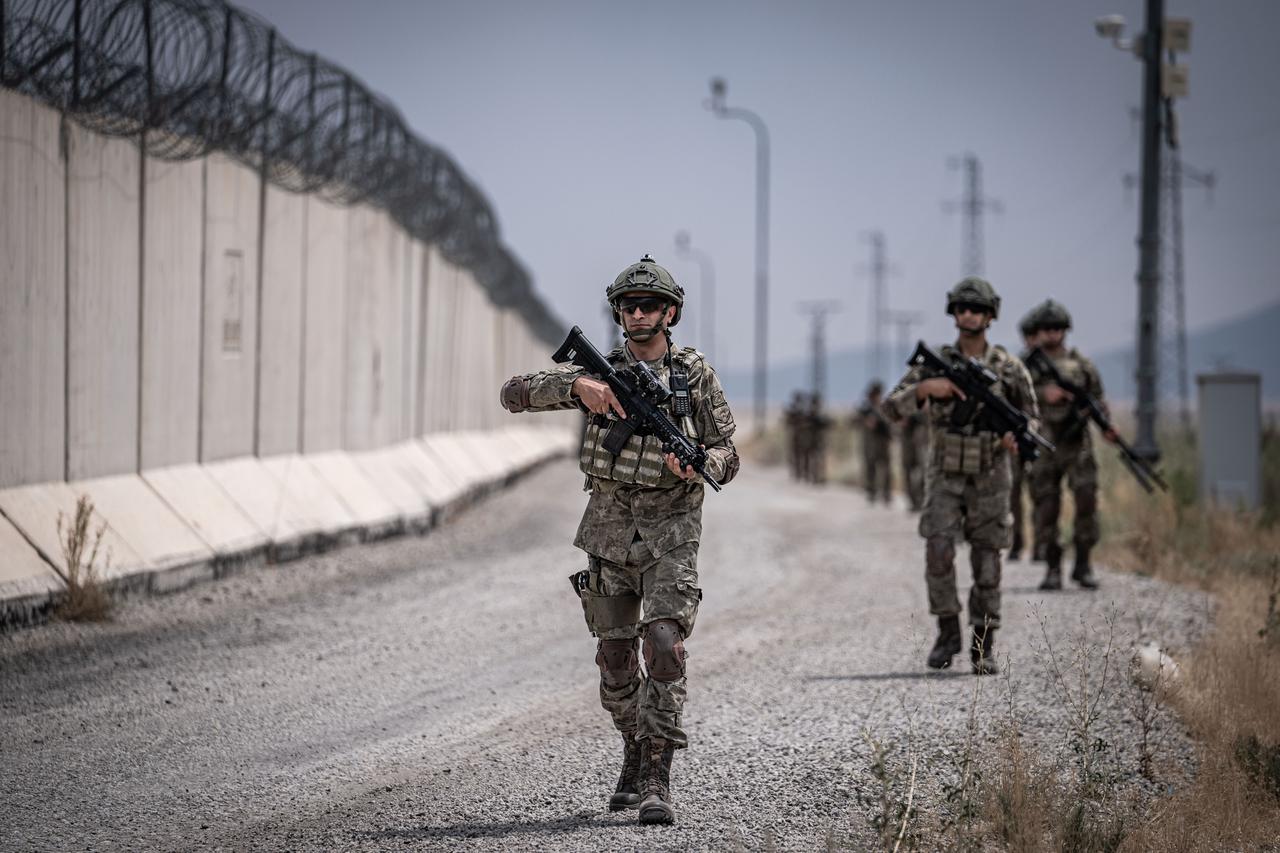
The ministry said security along Türkiye’s 560-kilometer border with Iran is being protected around the clock by border units operating “24/7, in all weather and terrain conditions,” under the principle that “the border is honor.”
It said a physical border security system supported by technological capabilities is being expanded, with measures strengthened by continuously increasing the capacity of border units.
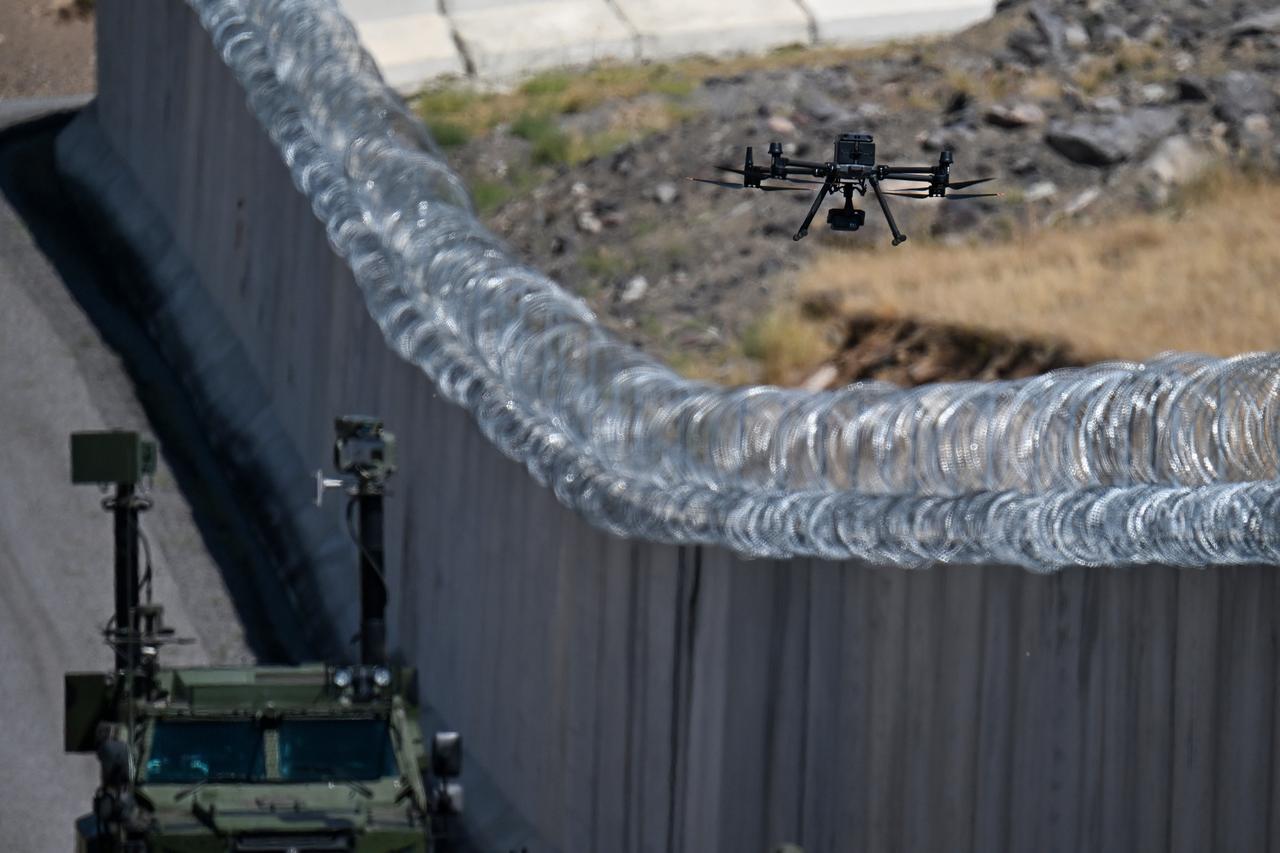
According to the statement, Türkiye has completed the installation of 203 electro-optical towers and 43 elevator towers along the Iran border. Construction of 380 kilometers of modular concrete walls and excavation of 553 kilometers of trenches have also been completed, while work to reinforce existing trenches continues.
The ministry said the border line and approach routes are monitored continuously using reconnaissance and surveillance assets, including unmanned aerial vehicles.
“Reconnaissance and surveillance flights are conducted around the clock in the region using UAV, UCAV and IKU systems,” the statement said, reiterating that no mass movement has been observed but contingency measures remain in place.
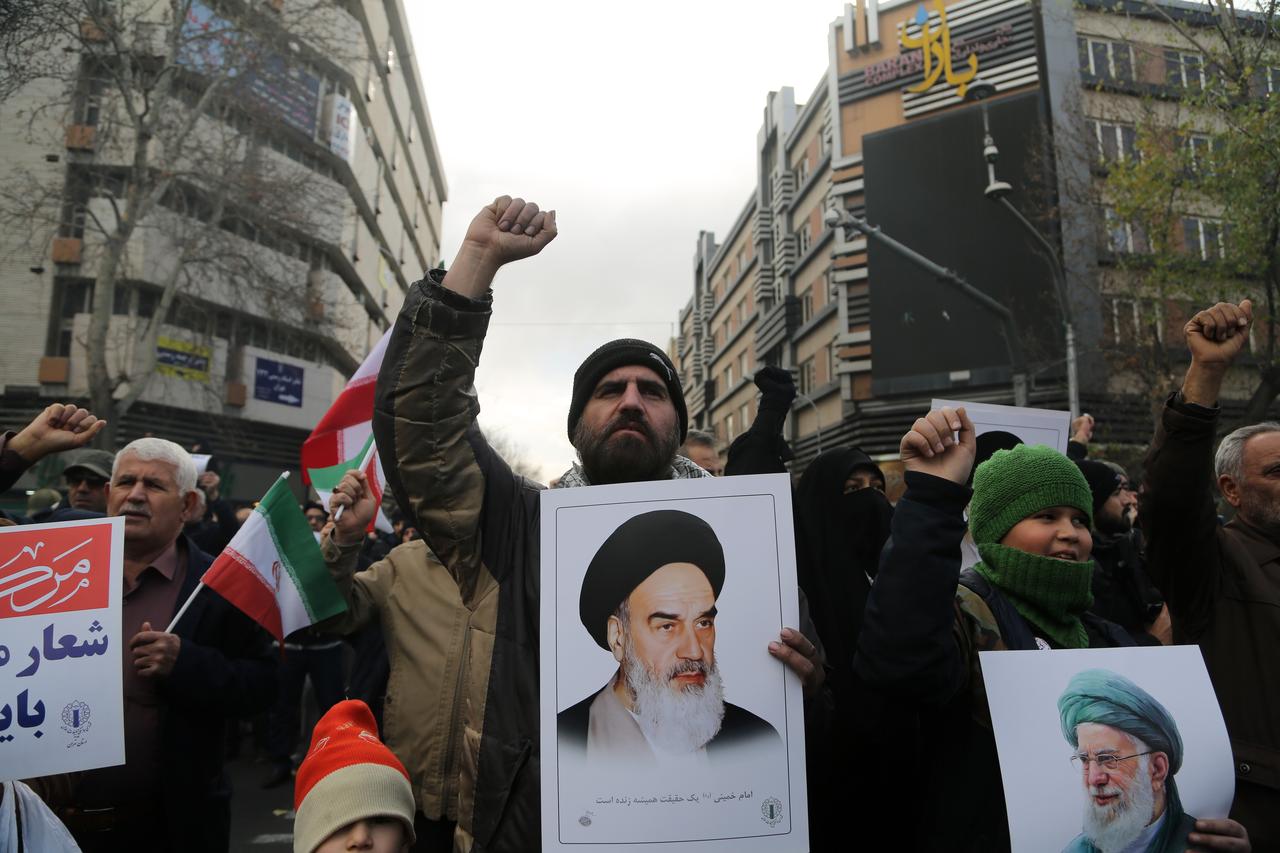
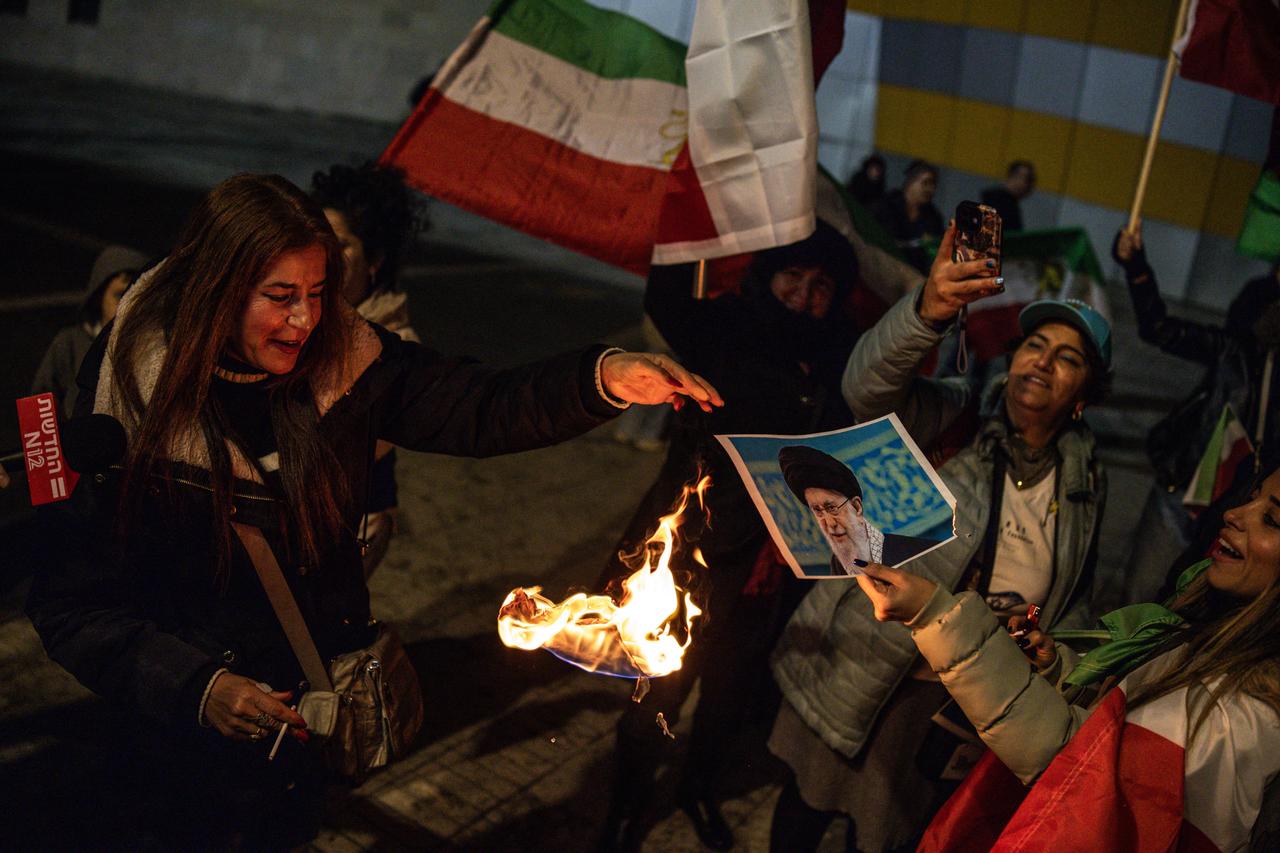
Protests in Iran began on Dec. 28, 2025, when shopkeepers at Tehran’s Grand Bazaar took to the streets over the sharp depreciation of the rial, high inflation and worsening economic conditions. Demonstrations later spread to multiple cities, evolving into nationwide anti-government protests involving workers, students and small business owners.
 1 min read
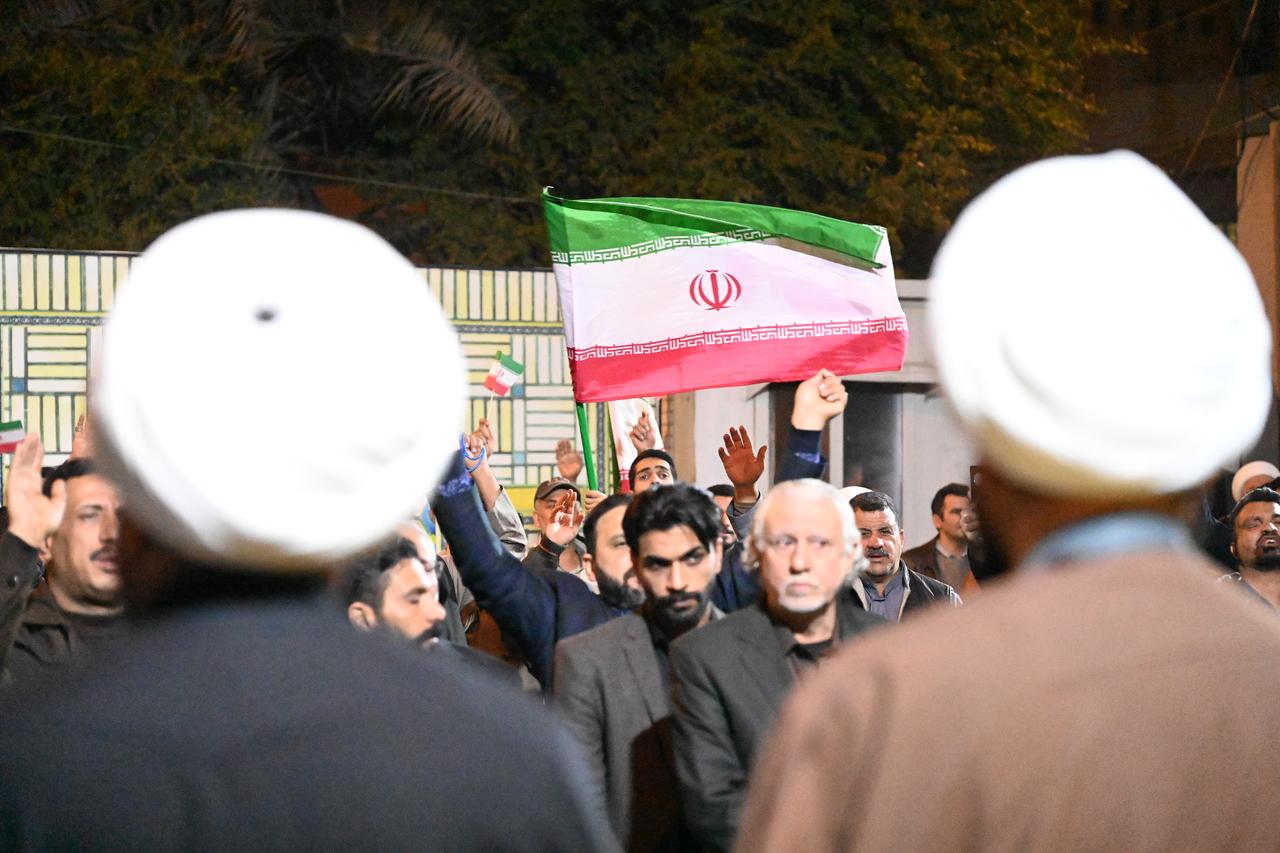
Iran’s economy has been under severe strain due to sanctions, rising prices and the collapse of the national currency, pressures that have significantly affected living standards.
Iranian President Masoud Pezeshkian said Sunday that his government acknowledges economic “shortcomings and problems” and is working to address public concerns.
Iran has not released official casualty figures. The U.S.-based Human Rights Activists News Agency (HRANA) estimates that at least 2,615 people have been killed, including protesters and security forces, with more than 2,000 injured and over 18,000 detained since the protests began.


 Set as preferred source
 Set as preferred source


 1 min read