Newsletters


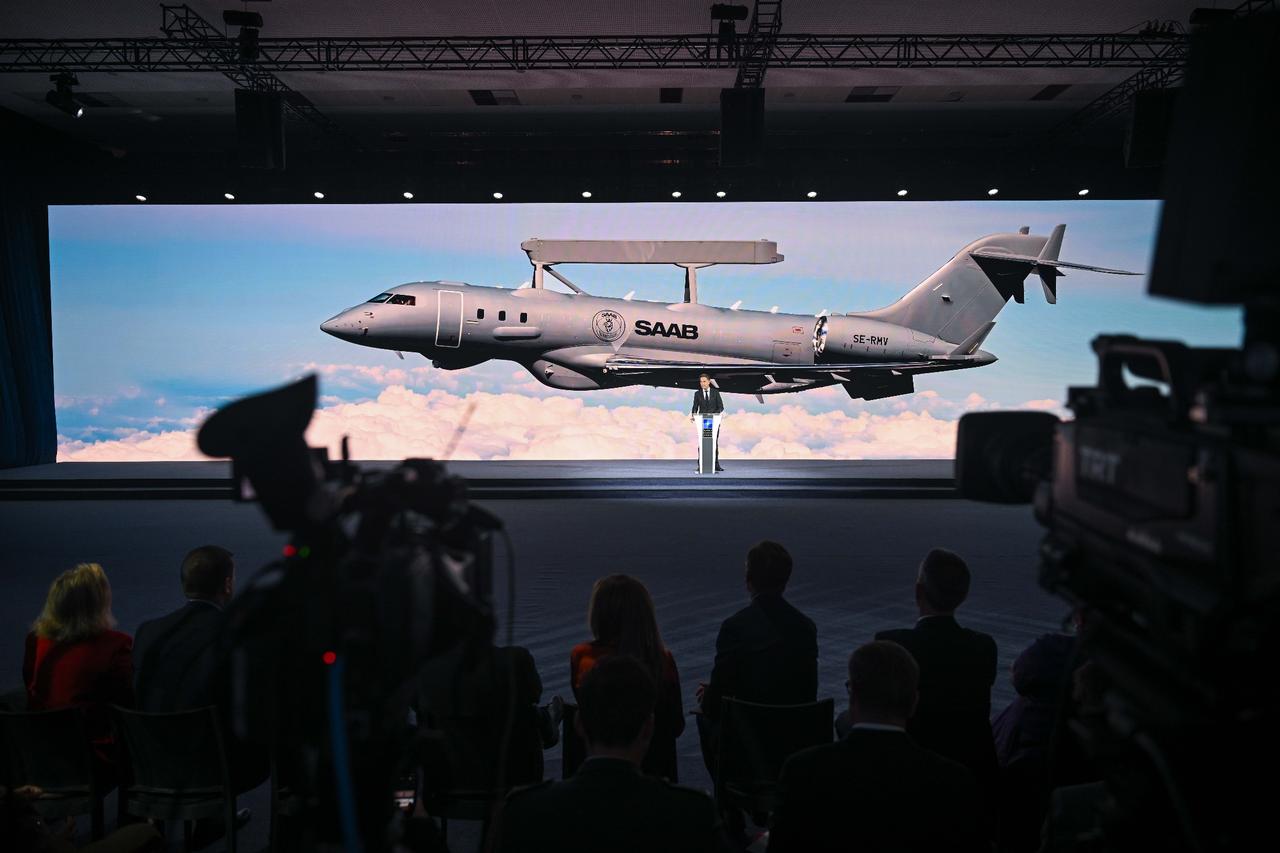


Türkiye signed agreements at the 2026 NATO Defense Industry Forum in Ankara covering five strategic capability areas to be developed jointly by member states, Turkish Defense Industries Secretariat head Haluk Gorgun said Tuesday.
Gorgun said in a post on Türkiye's social media platform NSosyal that the agreements cover strike capabilities, integrated air and missile defense systems, space and surveillance capabilities, critical raw materials for the defense industry, and NATO's unmanned aerial vehicle superiority.
The projects will include Aselsan, Roketsan, STM and the Scientific and Technological Research Council of Türkiye, or TUBITAK.
"These projects, which will include Aselsan, Roketsan, STM and TUBITAK, will form the backbone of the alliance's deterrence architecture in the coming years," Gorgun said.
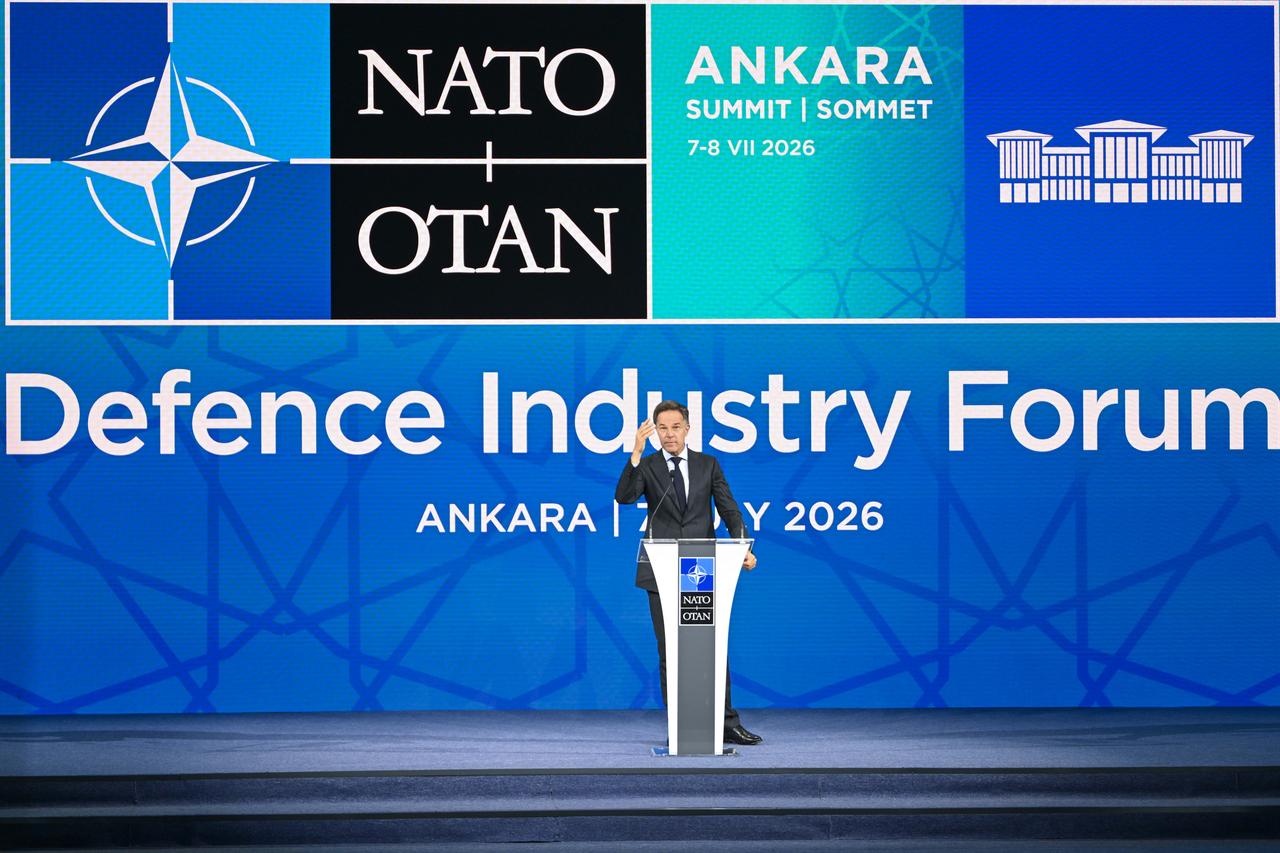

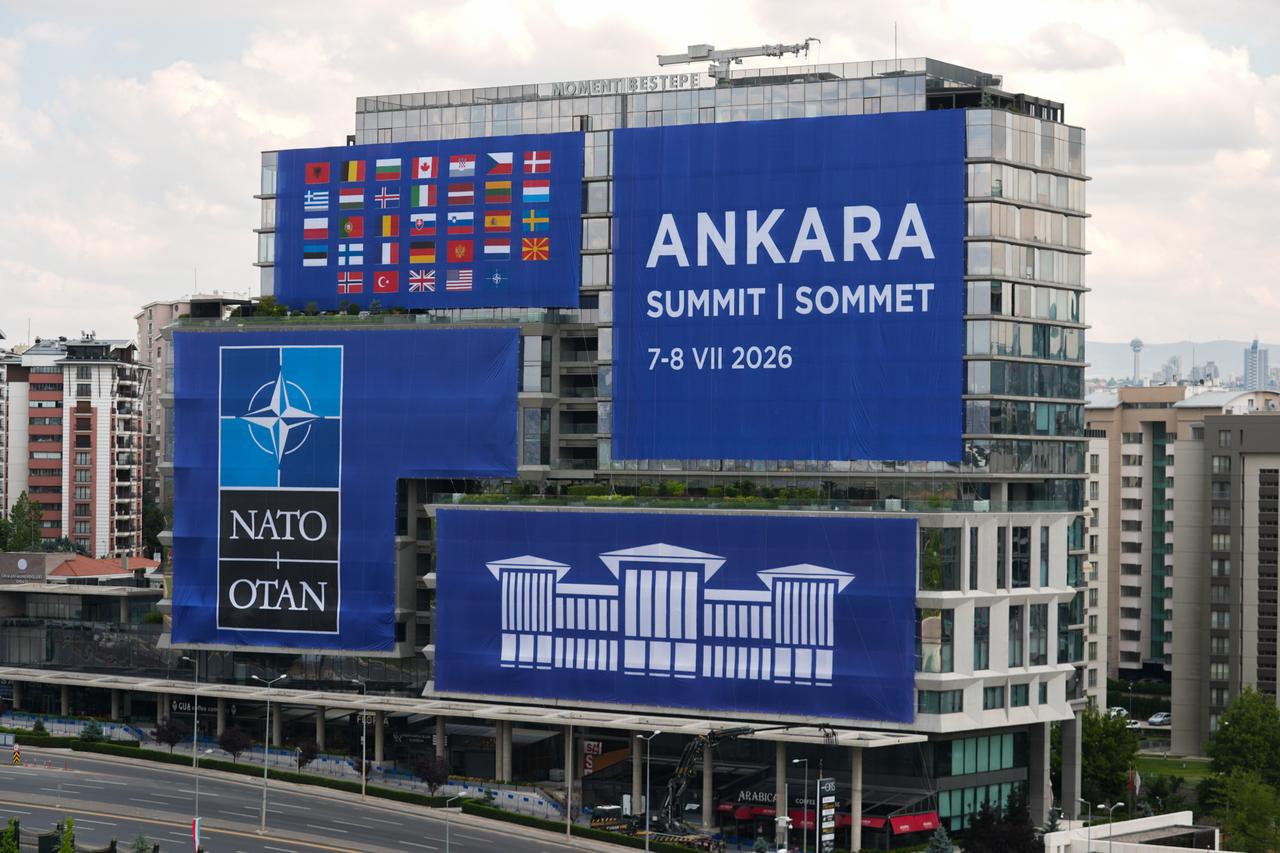
The NATO Summit Defense Industry Forum is being held in Ankara as part of the July 7-8 NATO summit, bringing together senior allied officials, defense industry representatives and innovation leaders.
NATO describes the forum as its premier high-level event on transatlantic defense production, investment and innovation. This year's agenda focuses on increasing defense production, cooperation and joint procurement across the alliance.
Speaking at the opening of the forum, Gorgun said the event was taking place at a critical time for NATO's defense architecture and called it the "centerpiece" of this year's summit.
He said the decision by NATO Secretary-General Mark Rutte to make defense industrial capacity a priority gave the forum special importance.
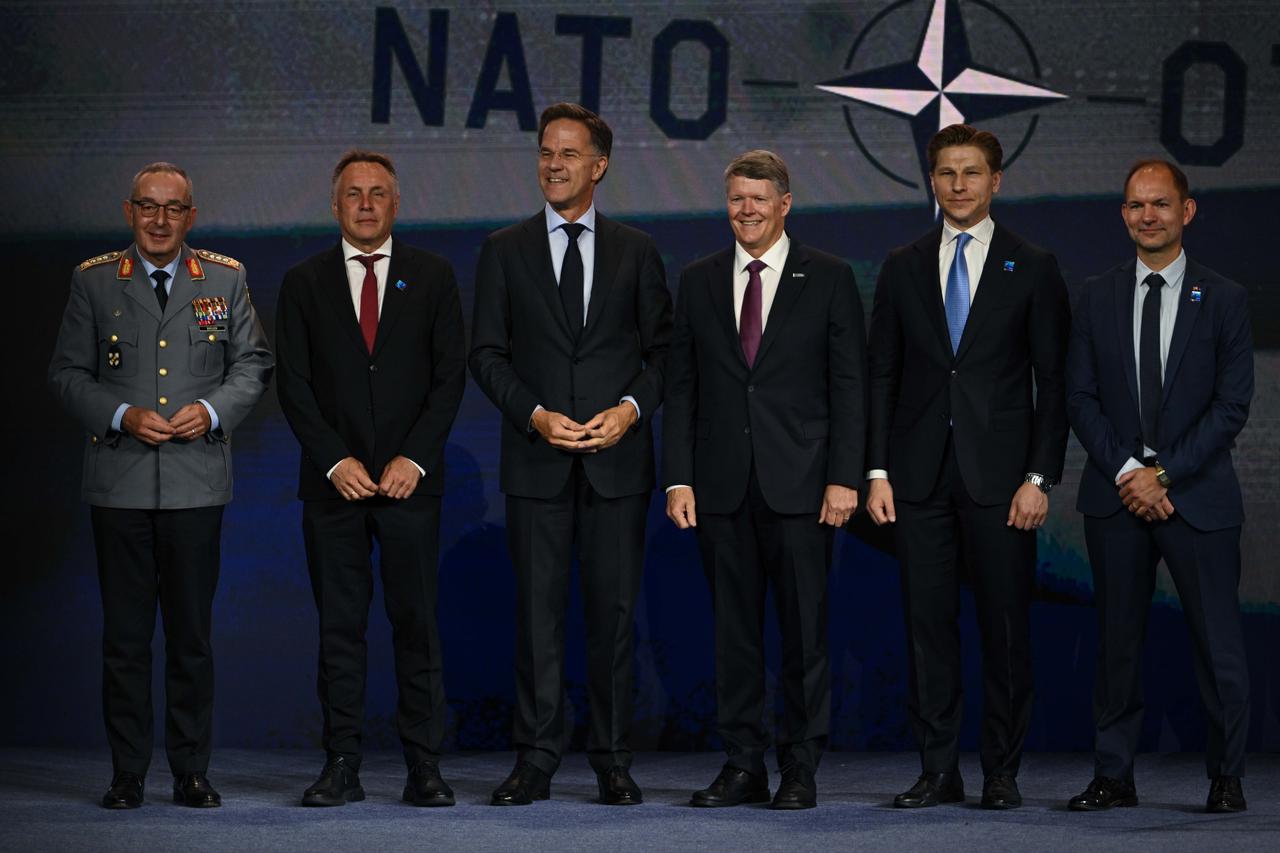
Gorgun said Türkiye is ready to become one of the driving forces behind the industrial transformation NATO needs.
"The Turkish defense industry is ready to be one of the driving forces behind the industrial transformation that NATO requires," he said.
He said wars, security challenges and upheavals across nearly every region of the world over the past three years had reshaped the global defense environment.
"What is certain is that we have very little time, that we must strengthen our industrial capacity, and that no single country can shoulder this burden alone," Gorgun said.
He said the forum was planned in close cooperation with the NATO Secretariat and that this year's participant profile had reached "the highest level in terms of both content and quantity."
Gorgun also said the forum was unique because it was being held in Türkiye, adding that the country had shown major growth in defense industry in recent years under the leadership of President Recep Tayyip Erdogan.
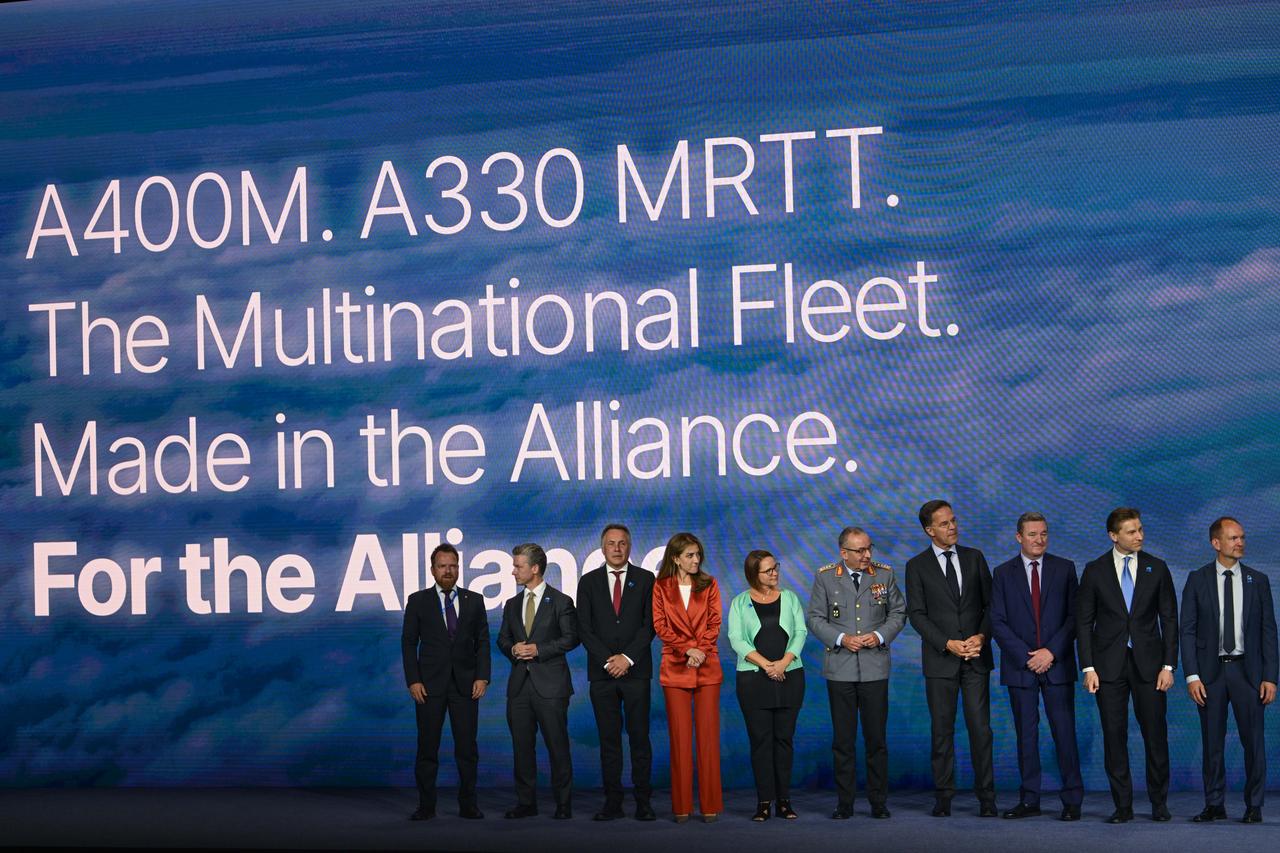
Gorgun said Türkiye's defense industry offers mature solutions in several areas on NATO's agenda, including unmanned combat aircraft, deep strike, space technologies, air defense and counter-drone systems.
"In fact, NATO forces are already successfully using our products in the field," he said.
He pointed to Türkiye's cooperation with Spain on the HURJET modern jet trainer aircraft, electronic warfare and border security infrastructure partnership in Poland, and efforts to strengthen the land and naval inventories of Romania, Hungary and Estonia.
Gorgun also cited work to enhance the transatlantic resilience of the Bayraktar TB2 fleet deployed in Poland.
"The same UAVs gave Ukrainians psychological superiority on the battlefield" from the first days of the war in 2022, he said.
Türkiye has also provided continuous support through advanced air defense systems, munitions and armored vehicles, Gorgun added.
Gorgun urged participants to view the capability demonstrations at the forum and pointed to Kizilelma, an uncrewed combat aircraft developed by Turkish defense firm Baykar.
"I especially recommend that you do not miss the opportunity to get to know the Kizilelma up close," he said.
He said NATO announced its Defense Production Action Plan at the 2023 Vilnius summit, agreed on the Industrial Capacity Expansion Pledge at the 2024 Washington summit and committed last year at The Hague to allocate 5% of gross domestic product to defense spending.
Gorgun said these steps showed growing consensus within the alliance for industrial expansion.
"Consequently, as the secretary general has frequently emphasized, these goals will only become realistic if NATO members act in unison," he said.
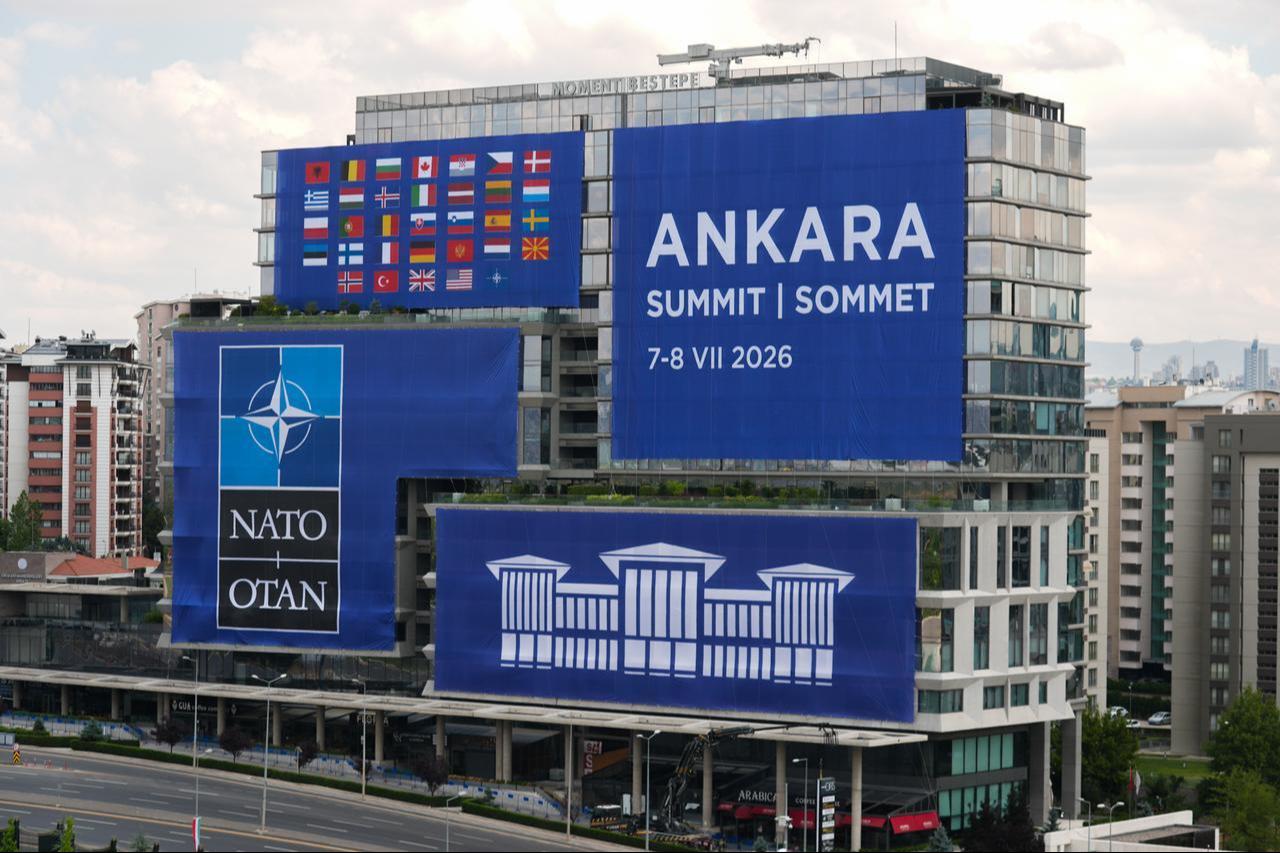
Gorgun said Türkiye wants to bring its defense capabilities to new initiatives under the NATO umbrella.
"We view such collaborations from a strategic perspective," he said.
He added that Türkiye's hosting of events such as multi-domain operations and innovation continuum, as well as its technical support to NATO working platforms, reflected this approach.
Gorgun said he hoped the forum would support NATO's progress and invited participants to a reception at Turkish Aerospace Industries facilities in Ankara, which he described as "a center of excellence in aviation and space."
The forum comes as NATO allies seek to expand industrial capacity and reinforce deterrence amid rising security challenges, with Türkiye positioning its defense industry as a key contributor to alliance capabilities.


 Set as preferred source
 Set as preferred source


 2 min read
 1 min read