

 Newsletters


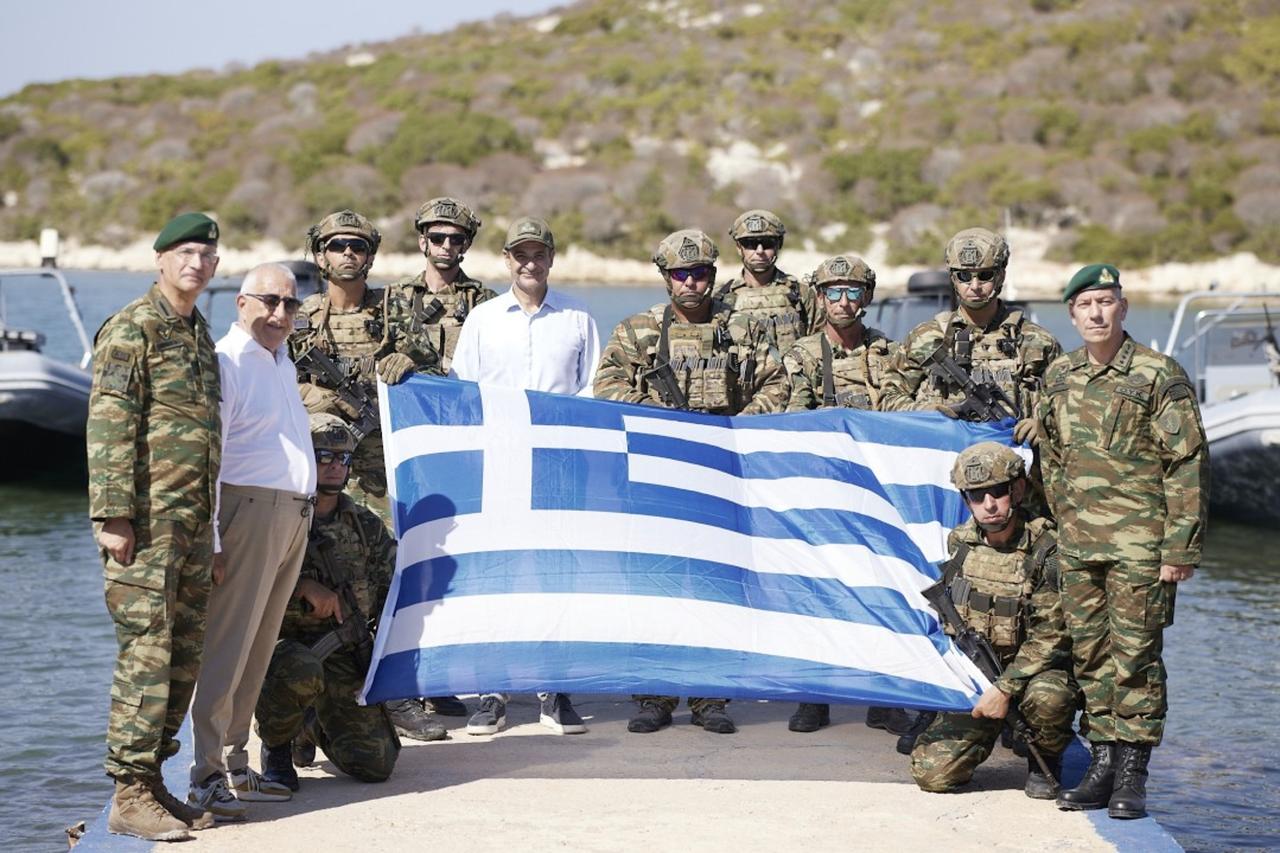


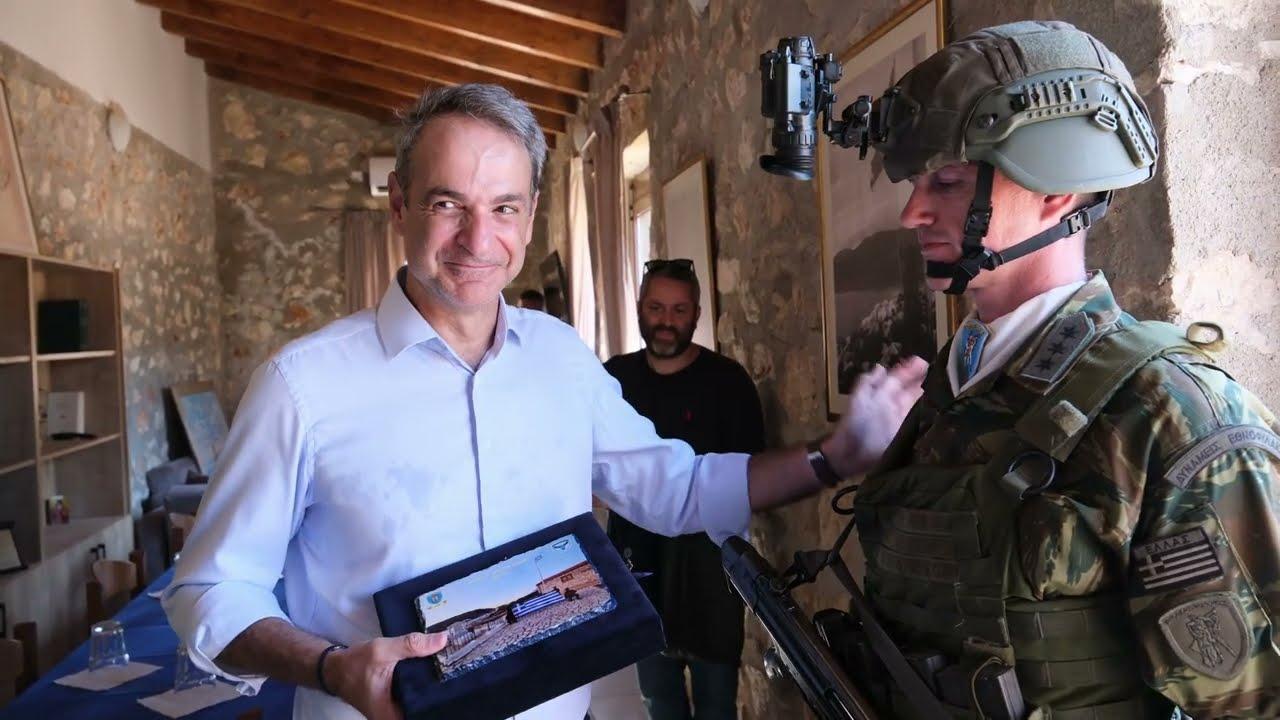
Türkiye's Ministry of National Defense (MoND) and Foreign Minister Hakan Fidan separately warned Greece on Thursday over the militarization of demilitarized Aegean islands, following the Greek Prime Minister Kyriakos Mitsotakis' visit to Meis Island (Kastellorizo) and contacts with military units stationed there.
Ministry spokesman Rear Admiral Zeki Akturk, speaking at the ministry's weekly press briefing, said the visit and its military dimension were being closely monitored.
"In accordance with the 1947 Paris Peace Treaty, Meis Island was transferred to Greece on the condition that it retain demilitarized status. The stationing of military elements and warships on the island, and the public display of these elements as part of high-level visits, is not compatible with the island's status and does not contribute to peace and stability," Akturk said.
"We once again emphasize that attempts to create a de facto situation contrary to the demilitarized status of Meis, which is located extremely close to Türkiye's coast, are incompatible with international obligations and will not be accepted by our country. While our country advocates for the Aegean Sea and Eastern Mediterranean to be an area of peace and stability, and for relations between Türkiye and Greece to develop on the basis of good neighborliness and dialogue, this approach does not mean tolerance for the disregard of rights and obligations arising from international treaties or for the creation of a de facto situation on the ground," he added.
The MoND spokesperson noted that Türkiye invites Greece to comply with its obligations under international treaties and refrain from activities incompatible with the demilitarized status of the relevant islands.
"While our country maintains its constructive approach favoring good neighborliness and dialogue in the Aegean Sea and Eastern Mediterranean, it will continue to resolutely protect its rights and interests arising from international law," he stated.

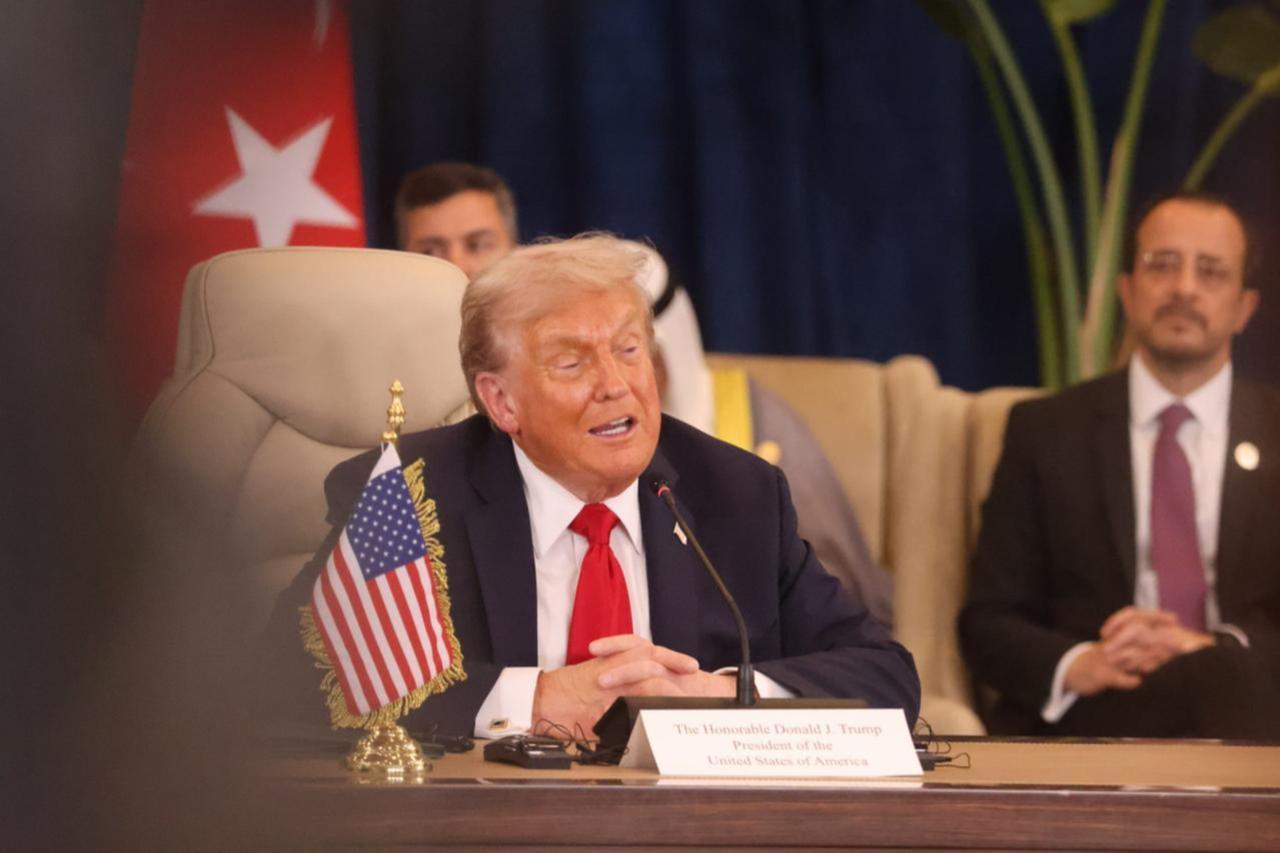
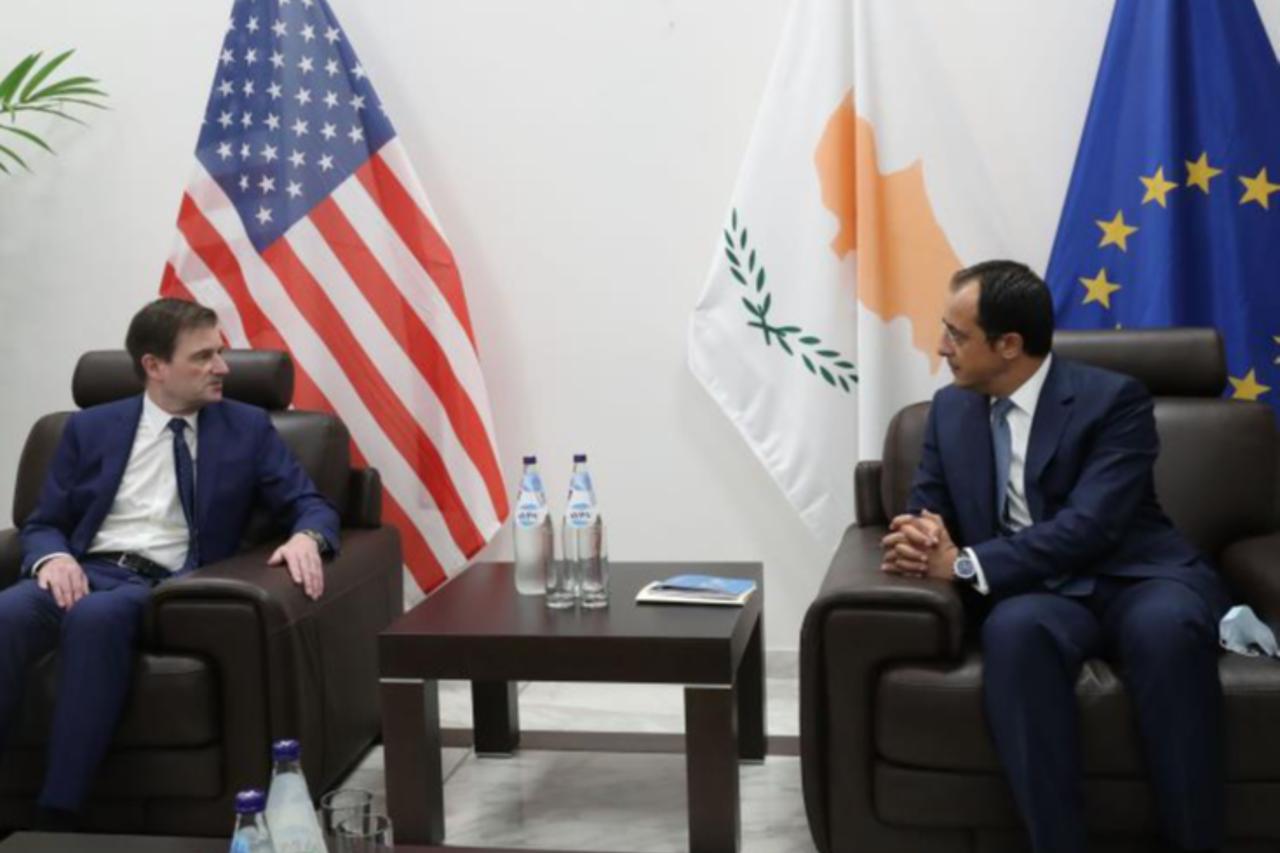
Asked about the U.S. decision to renew its lifting of the arms embargo on Greek Cyprus for one more year, until Sept. 30, 2027, Akturk said the move could negatively affect the delicate balance and atmosphere of trust on the island of Cyprus.
"Our expectation from third parties is that they avoid activities that would harm the delicate balances on the island, abandon practices that disregard the Turkish Cypriot people, and contribute to peace and stability through a fair and impartial approach," he said.
"Türkiye, as a guarantor country, will continue, as it has in the past, today, and in the future, to take the necessary measures for the security, peace and welfare of Turkish Cypriots, in cooperation with the authorities of the Turkish Republic of Northern Cyprus (TRNC)," he added.
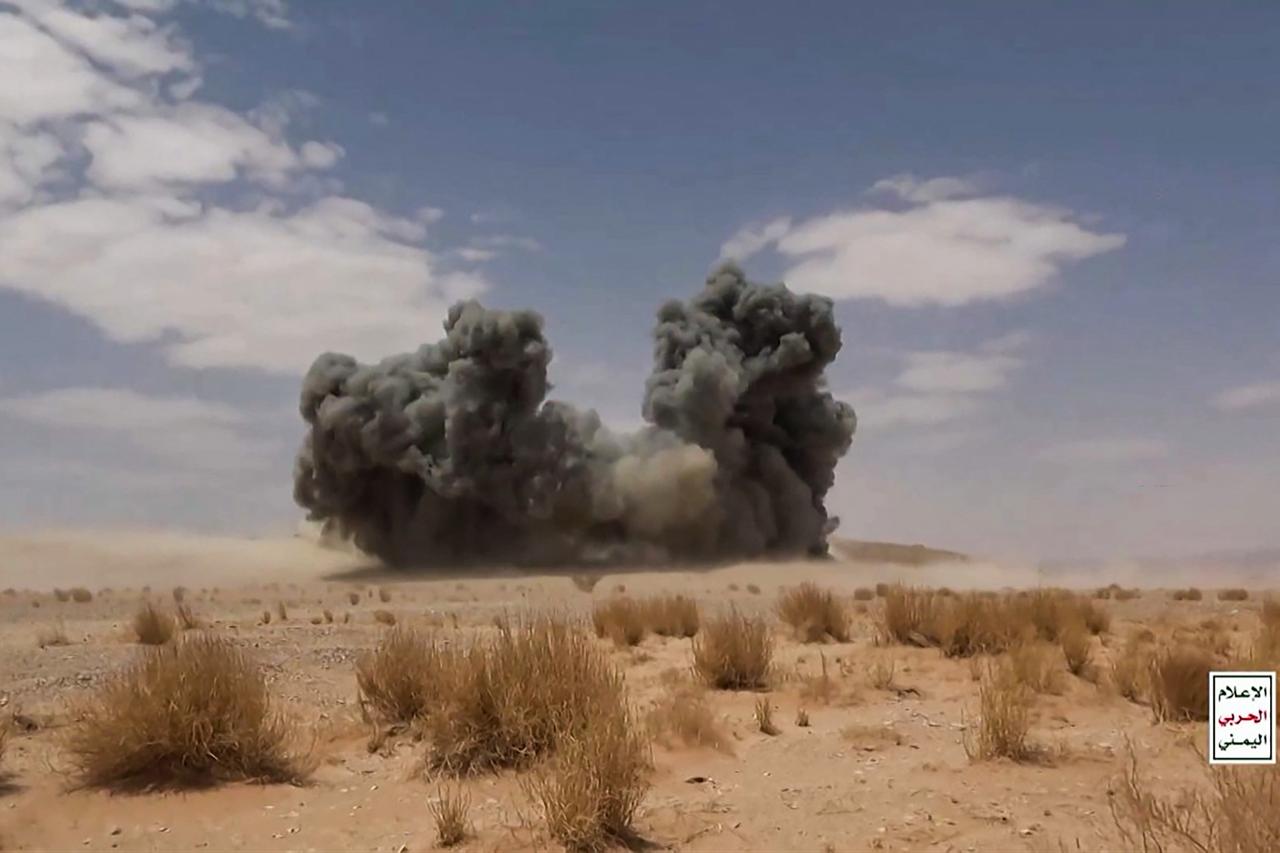
The Turkish official said Ankara condemns the drone attack targeting Saudi Arabia over the previous weekend and the actions carried out by the Houthis.
"We state that such attempts, which threaten regional stability, must be brought to an end as soon as possible. The ongoing Houthi threat in the Red Sea and Bab el-Mandeb is negatively affecting not only regional security but also international maritime trade and global stability," he said.
Akturk said Israel is deepening regional instability by continuing simultaneous attacks on Lebanon, Syria and Palestine in full view of the international community.
"We welcome the steps taken by 12 countries, led by the United Kingdom, France and Canada, to ban trade and business relations with illegal settlements in the West Bank. At the same time, we call on the international community to move beyond rhetoric and take concrete, deterrent measures against Israel's disregard for international law in targeting camps housing displaced Palestinians in Gaza and settlements in southern Lebanon. We once again emphasize that Israel must immediately end its actions that violate international law in order to achieve peace and stability in the region," he said.
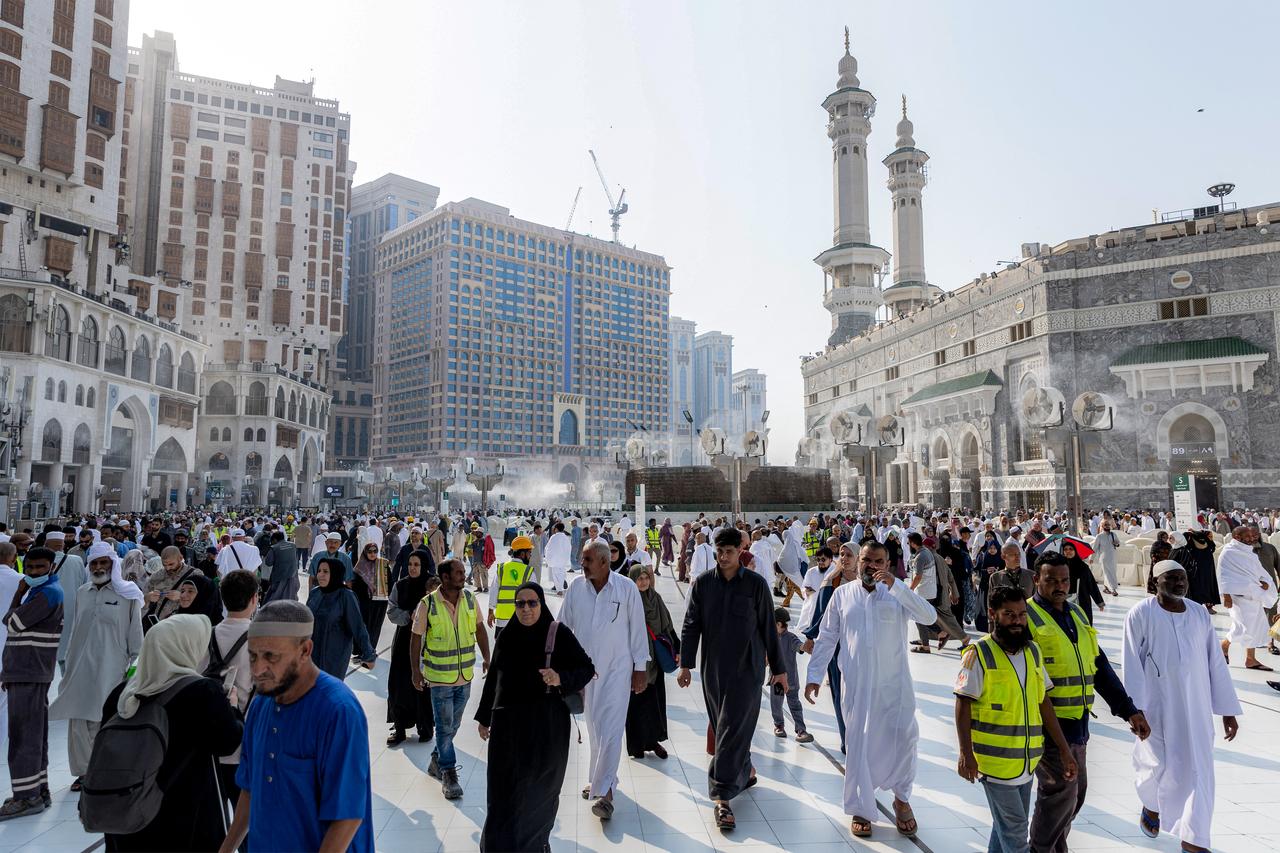
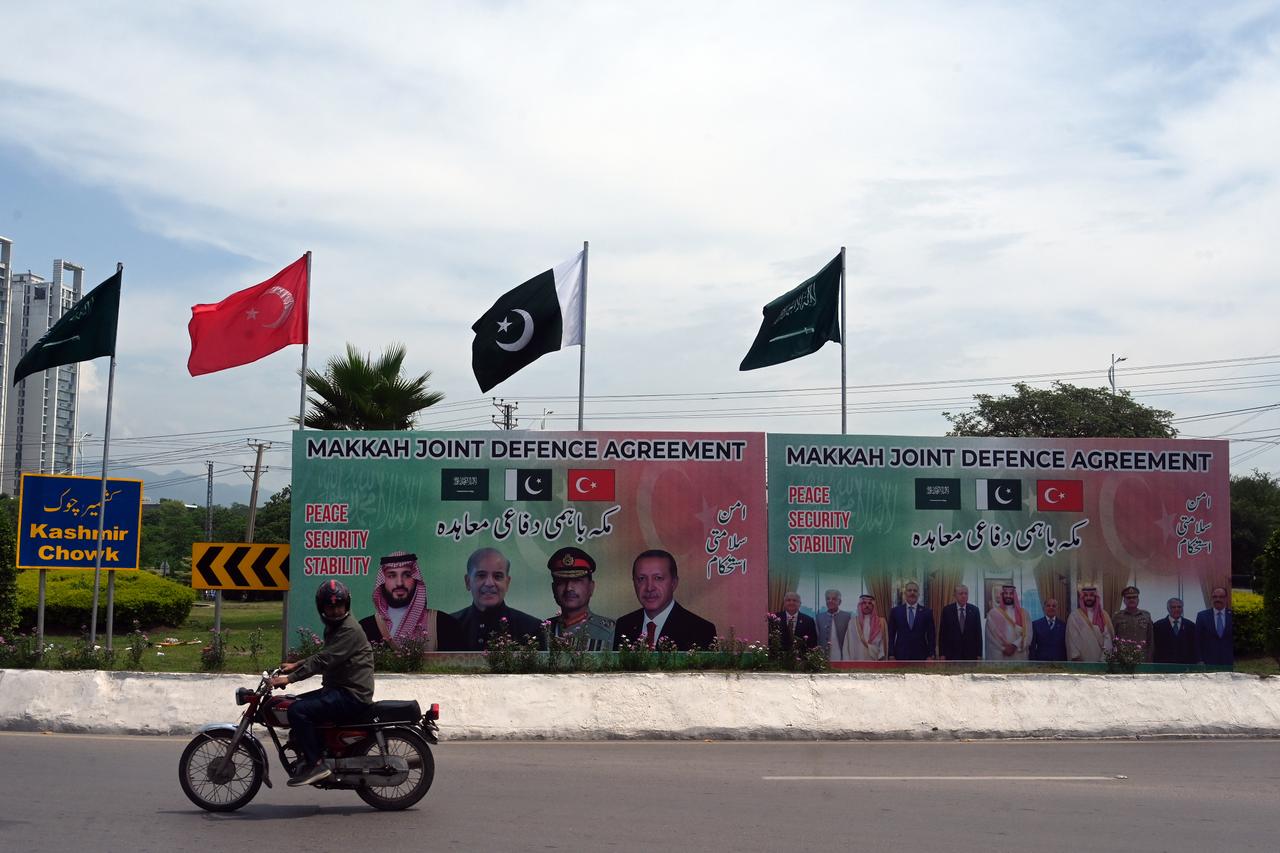
Asked about the Mecca Joint Defense Agreement, Akturk described it as an agreement built on the deep-rooted relations and defense cooperation between Türkiye, Pakistan and Saudi Arabia, based on defense and collective deterrence.
"The agreement is not directed against any country, nor does it constitute an alternative to the existing relations of the parties with third countries. In this framework, activities aimed at developing military cooperation, increasing interoperability and strengthening defense capacity are being carried out in coordination among the three countries, and work toward the institutionalization of the alliance continues," he said.
The Mecca Joint Defense Agreement was signed Aug. 7 by Turkish President Recep Tayyip Erdogan, Saudi Crown Prince Mohammed bin Salman and Pakistani Prime Minister Shehbaz Sharif, committing the three countries to mutual defense if any signatory comes under attack.
Bangladesh has expressed interest in joining the pact, while Iran has said it has not received a formal invitation to do so.
Separately, speaking to Turkish journalists during a visit to Syria, Foreign Minister Hakan Fidan addressed the same tensions with Greece.
"We don't want Greece to be the toy of those who want to destabilize the region and drag it into chaos. We want to have a good neighborly relationship," Fidan said, adding that misunderstandings related to security should be prevented on both sides.
Türkiye's top diplomat noted that Ankara harbors serious sensitivity over the arming of islands, saying, "They know this, we've conveyed it. In particular, the arming of islands that have unarmed status is a threat to us. Of course, there's also an election process there. Anti-Türkiye sentiment has historically been widespread in Greek politics."
"One of the issues we focus on most is Greece's engaging in certain efforts contrary to its treaty obligations regarding islands that have been placed under demilitarized status by international treaties and whose status must unquestionably be preserved," Fidan said, noting that this has been ongoing since the 1960s and constitutes an important dimension of the interconnected Aegean disputes.
Fidan emphasized that Türkiye has consistently responded since the 1960s, saying warnings and objections have been conveyed to Greece bilaterally when necessary, Türkiye's position has been articulated within NATO when necessary, and the matter has also been brought before the United Nations.
"We invite our neighbor and ally Greece to fulfill its treaty obligations in a more mature manner consistent with the spirit of alliance. With so many security challenges around us, Greece should not add another to the list," Fidan said, adding that the recently initiated positive atmosphere toward resolution should be developed and sustained.


 Set as preferred source
 Set as preferred source


 1 min read
 1 min read


