Newsletters


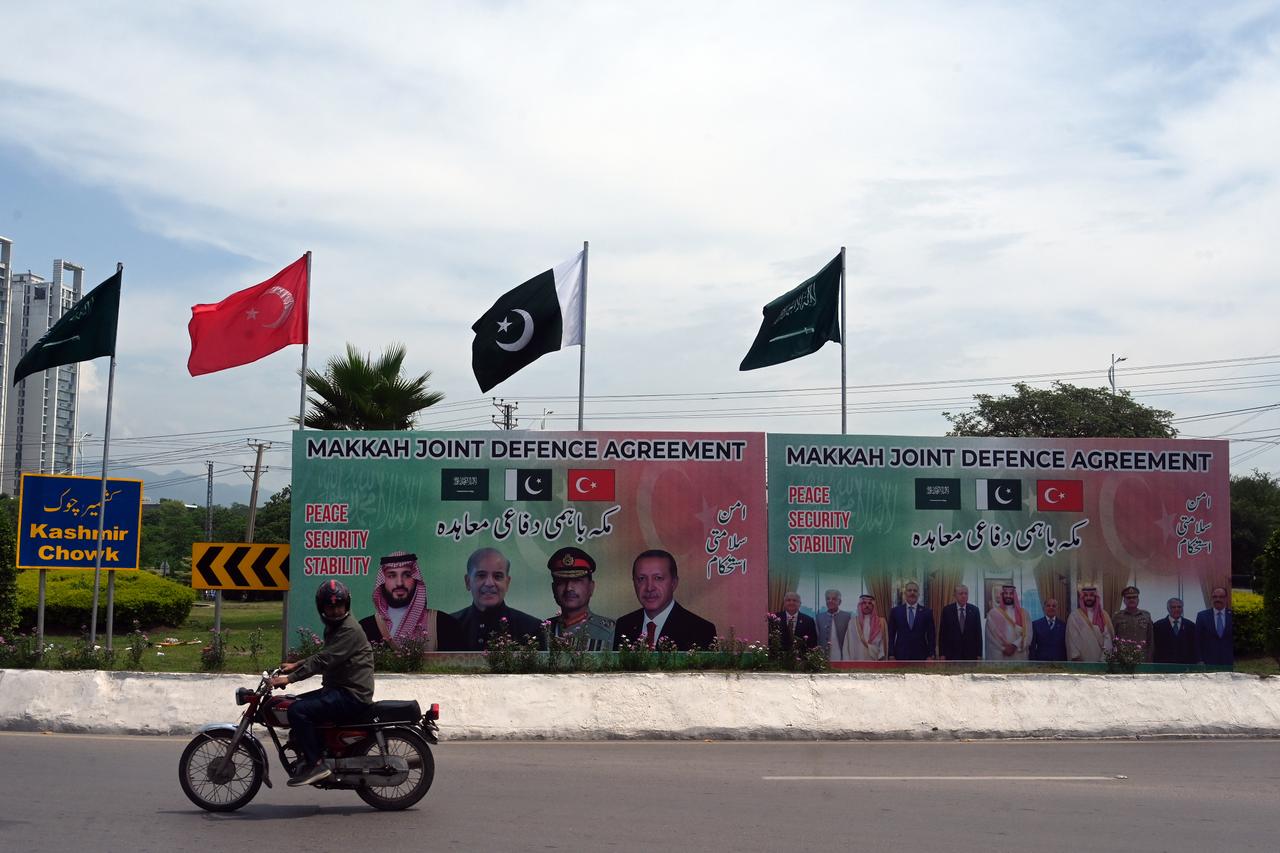


Türkiye and Pakistan say they have not received a request from Saudi Arabia for support under the trilateral Mecca defense pact, even as the kingdom seeks help from other allies amid an escalating standoff with Yemen's Houthis, according to officials cited by The Associated Press (AP).
The Houthi attacks on Saudi oil infrastructure represent the first real test of the defense agreement among Saudi Arabia, NATO member Türkiye and nuclear-armed Pakistan.
But officials from both Türkiye and Pakistan, speaking to the AP on condition of anonymity, said no Saudi request for assistance in response to the Houthi escalation had been received.
A Turkish official said efforts to "institutionalize" the alliance need to be completed before the pact becomes operational.
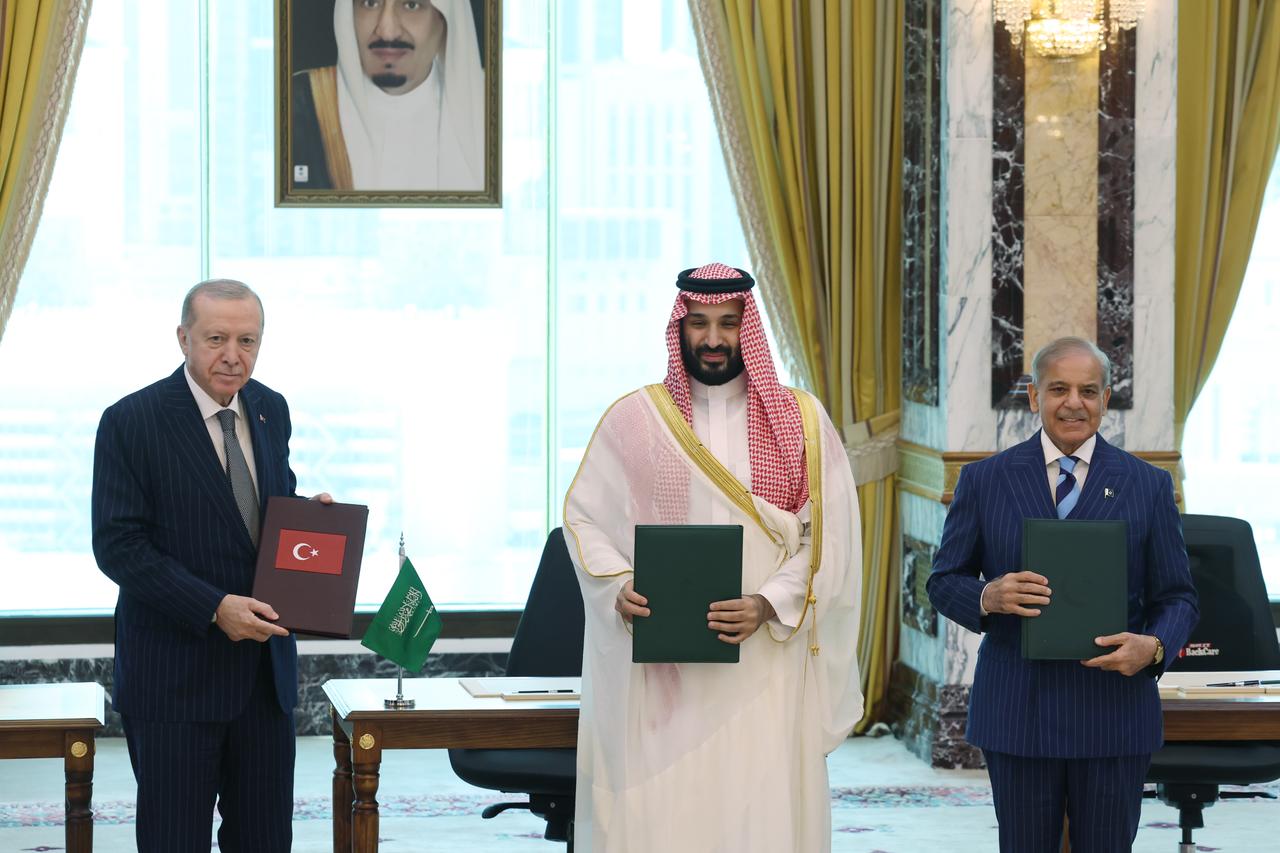
The Mecca Joint Defense Agreement was signed Aug. 7 by Turkish President Recep Tayyip Erdogan, Saudi Crown Prince Mohammed bin Salman and Pakistani Prime Minister Shehbaz Sharif, committing the three countries to mutual defense if any signatory comes under attack.
Bangladesh has expressed interest in joining the pact, while Iran has said it has not received a formal invitation to do so.
Two regional officials told the AP that Saudi Arabia is running low on missile interceptors and has asked France, Britain, Pakistan and Egypt to deploy air-defense support to help counter missiles and drones fired by the Houthis and other Iran-backed groups.
One official said the outreach was prompted by dwindling U.S. interceptor stocks after six months of the American war with Iran.
One official described Saudi Arabia as being in "a very difficult position," needing to protect military bases, government installations and oil facilities simultaneously.
A second official said Riyadh is also trying to rally international allies toward a collective response, but "the decision now is to give diplomacy a chance," with Oman and Egypt leading de-escalation efforts.
Speaking to AP, Adam Baron, a fellow at the Washington-based think tank New America, said: "This is just not a Houthis versus Saudi Arabia issue. This is a matter of figuring out some way to guarantee wider patterns and pathways of international shipping."
Two people familiar with the matter, including a Houthi official, said Oman hosted a meeting between U.S. and Houthi representatives last weekend to discuss regional tensions, though no further details were given.
A spokesman for British Prime Minister Andy Burnham, Tom Wells, confirmed the United Kingdom maintains a "close defense partnership" with Saudi Arabia but declined to say whether Riyadh had requested military assistance or whether British troops are present in the kingdom.
U.S. and NATO officials have previously acknowledged a critical shortage of missile interceptors across Europe, raising questions about the continent's capacity to help.
A Turkish government official separately said Türkiye is engaged in talks with Iran and the UAE aimed at lowering tensions, without providing further detail.
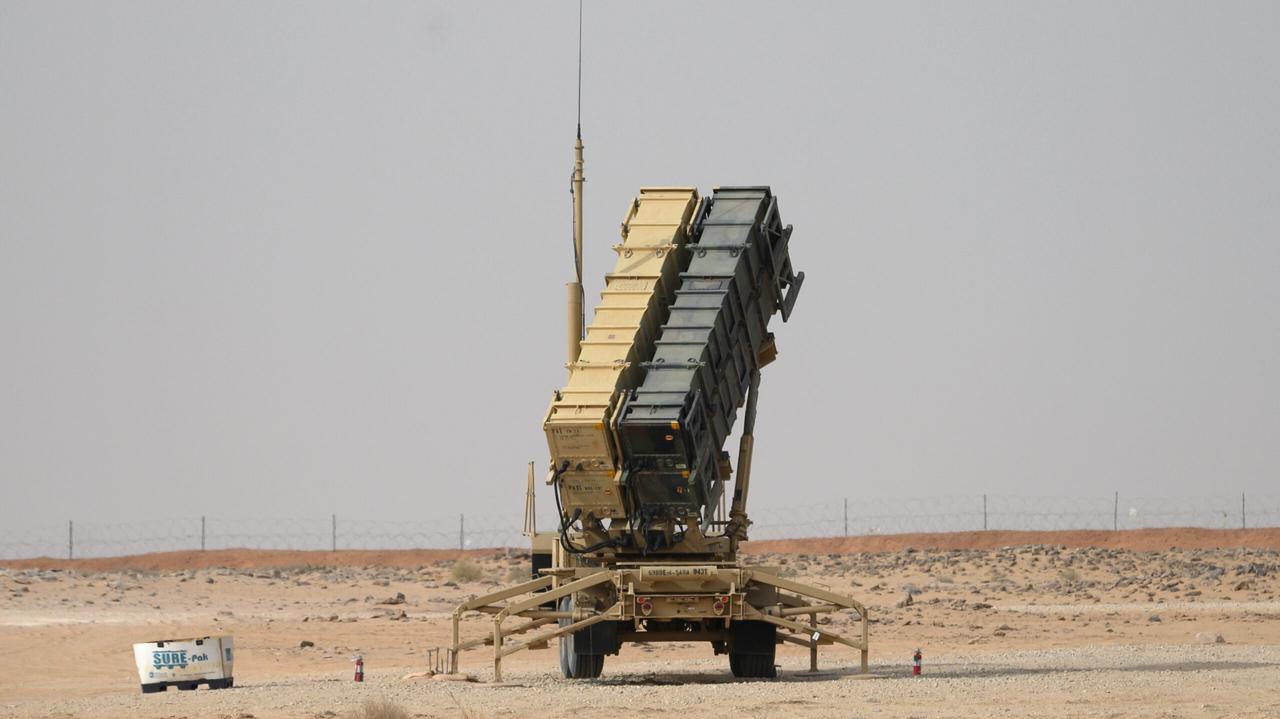

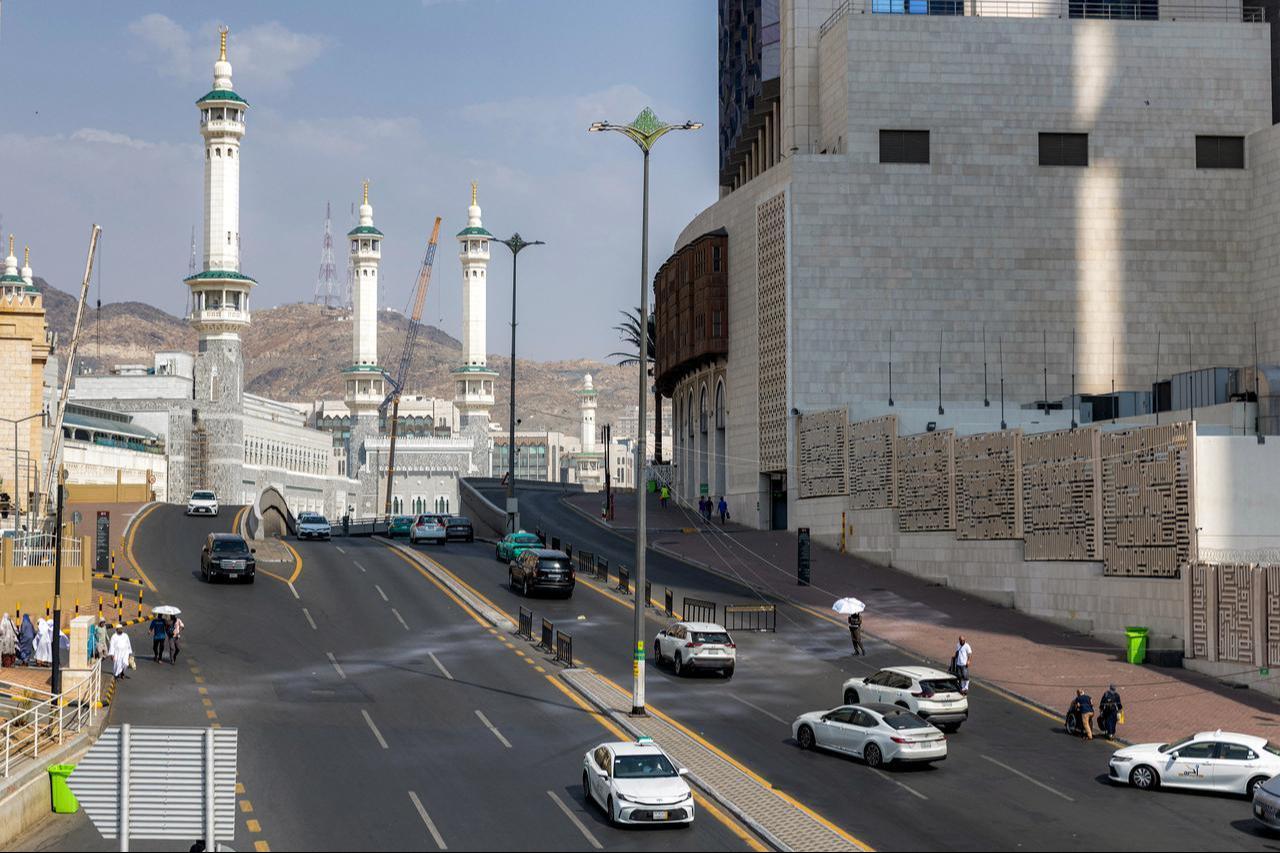
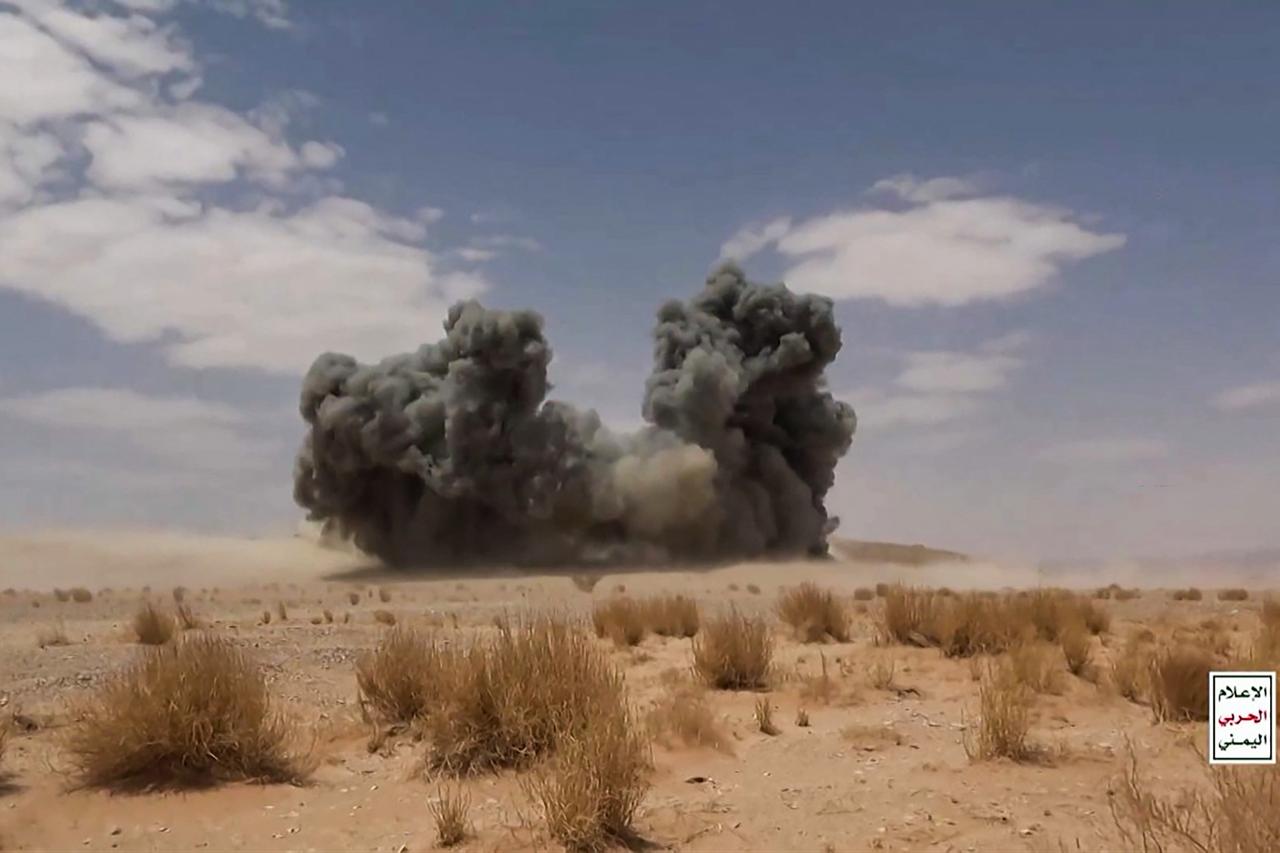
Saudi-led coalition spokesman Turki al-Maliki said air defenses intercepted and destroyed a drone near Mecca around 6:50 p.m. local time Tuesday, before it could enter the city's restricted airspace, with wreckage falling south of the city.
He called it the second Houthi attempt to target Mecca, after a ballistic missile the group fired toward the city in 2017, and said protecting the Two Holy Mosques and pilgrims remains a "red line" for the coalition.
The Houthis denied targeting Mecca. Houthi leader Mehdi al-Mashat told the group's Al-Masirah TV: "The false claims of the Saudi regime regarding Yemen targeting Mecca are a desperate attempt to rally the peoples."
Hezam al-Assad, a senior member of the Houthi Supreme Political Council, separately dismissed the Saudi account as a claim that "no longer convinces anyone."
Houthi military spokesman Yahya Saree said the group's operations were directed at oil facilities and military bases rather than holy sites, while accusing Saudi warplanes of carrying out more than 450 airstrikes across Yemeni provinces including Taiz, Lahj, Al Jawf, Hajjah, Marib, Saada and Al Bayda over the preceding week, alleging the strikes caused civilian casualties.
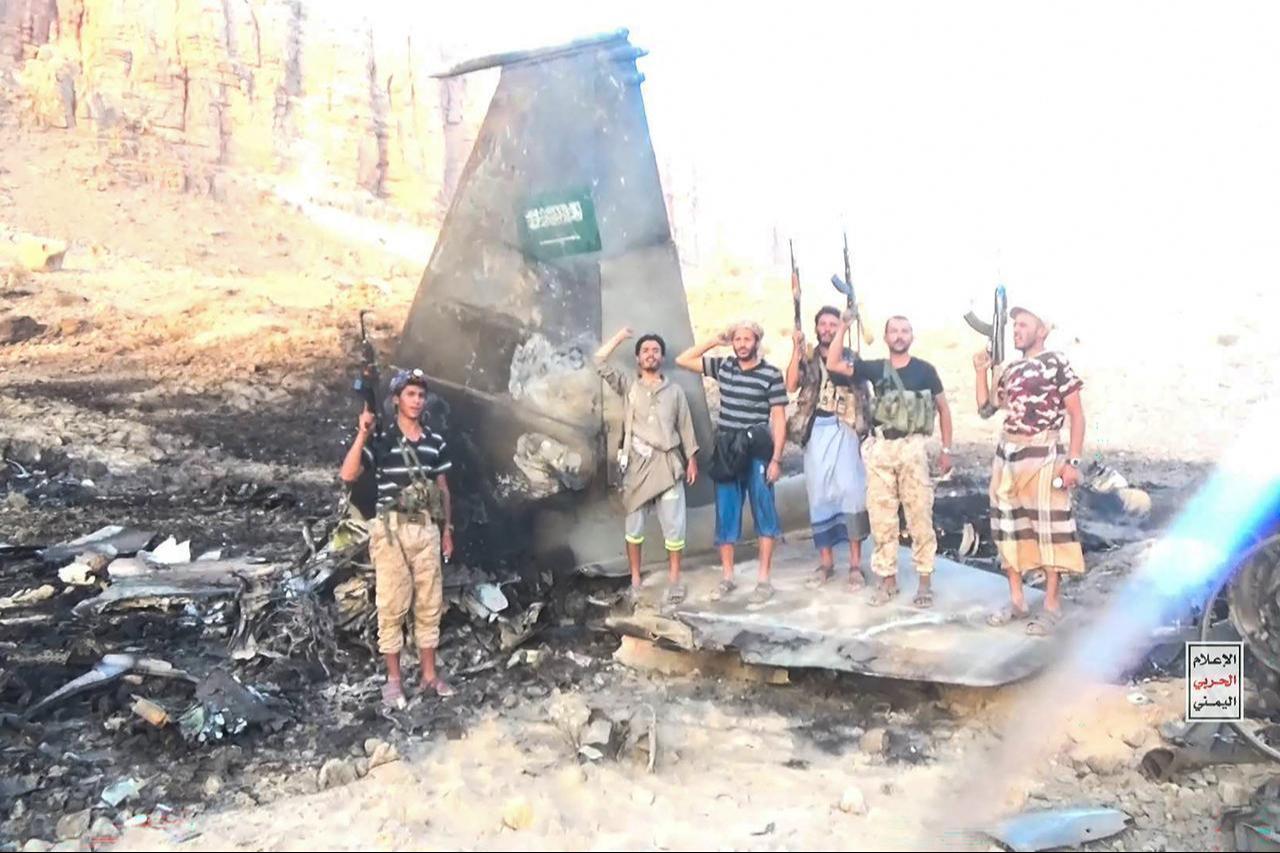
The Houthis separately claimed Wednesday to have shot down a Saudi F-15 fighter jet over Yemen's central Marib province using a locally manufactured surface-to-air missile, saying the aircraft was conducting "hostile operations" at the time.
Saree said Houthi forces later engaged Saudi F-15 and Typhoon jets searching for the wreckage and forced them to withdraw.
Video released by the group's media channels showed fighters with what they described as wreckage bearing a Saudi flag insignia and the identification number 5539.
CNN military analyst Cedric Leighton, a retired U.S. Air Force colonel, said the tail markings were "consistent" with Saudi F-15SA aircraft.
If confirmed, the loss would mark only the second time a U.S.-built F-15 has been shot down by hostile fire during the broader regional war. A U.S. Air Force F-15 Strike Eagle was shot down by Iranian forces earlier in the conflict, while three U.S. F-15s were also destroyed by Kuwaiti friendly fire in the war's early stages.
U.S. Vice President JD Vance said Washington has remained in "constant contact" with the Saudis and has "engaged in direct conversations with the Houthis."
Asked whether Saudi Arabia had requested U.S. intervention, an American official said U.S. Central Command (CENTCOM) has a task force in place focused on "enhancing intelligence sharing and planning support with Saudi forces."
The official said the U.S. military hosted senior military leaders from eight countries at a conference in Germany last week to discuss "opportunities for enhancing security cooperation in the Middle East," without confirming which countries attended.
Yemeni Foreign Minister Afrah al-Zouba called on the U.S. to take concrete steps to halt what she described as the flow of Iranian weapons, financing and military expertise to the Houthis, in a phone call with U.S. Charge d'Affaires Neal Hoff, according to Yemen's official Saba news agency.
Zouba said the Houthis' actions threaten not just Yemen but regional stability and global trade, warning that the group was using "misleading assurances" to buy time to rearm and consolidate control over Yemen's west coast and the Bab el-Mandeb area.
Hoff condemned the Houthi attacks on international navigation and regional security and reaffirmed Washington's commitment to supporting Yemen's government and people.


 Set as preferred source
 Set as preferred source


 1 min read
 1 min read