Newsletters


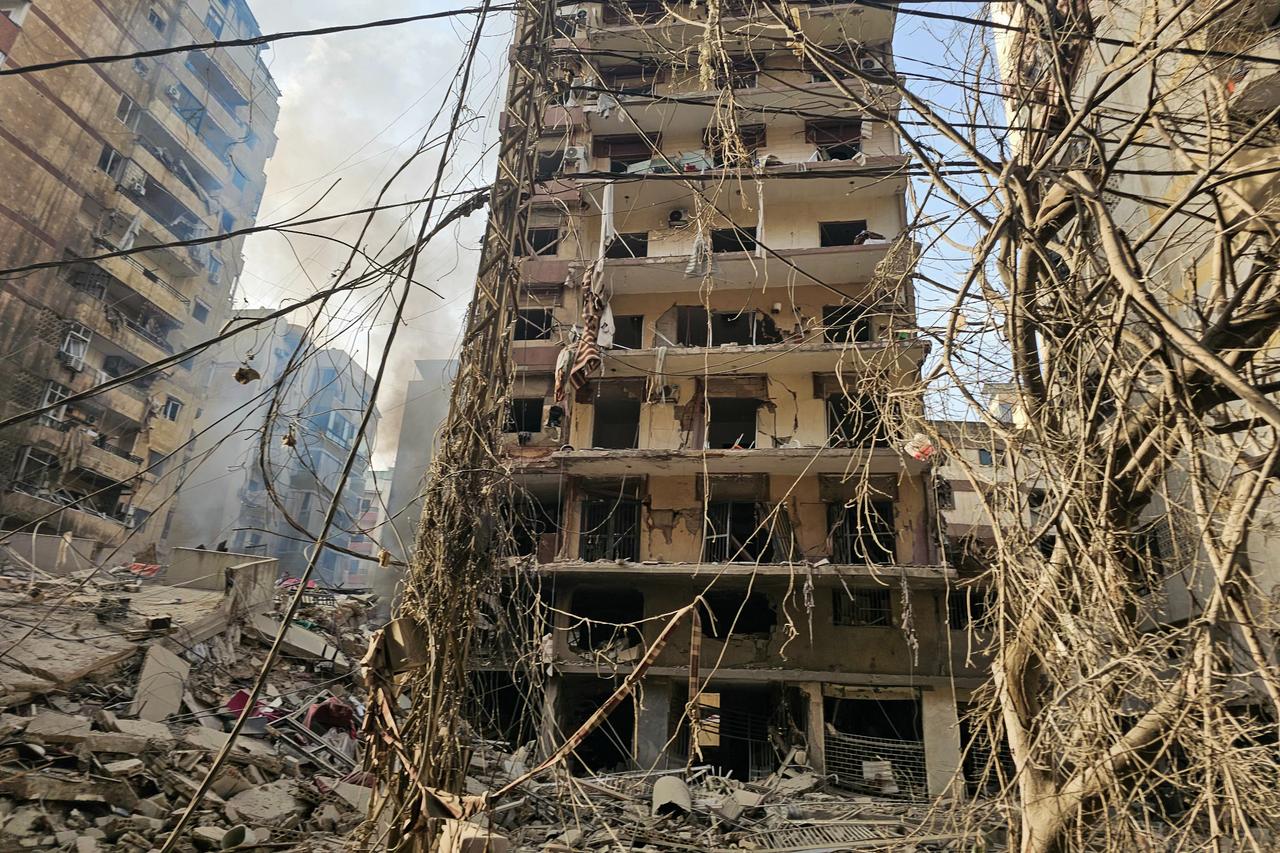


"We strongly condemn Israeli attacks that displaced about 1 million people in Lebanon," the Turkish Foreign Ministry stated Thursday in a statement, calling the attacks "a grave violation of international humanitarian law" as Israel said Hezbollah fired about 200 rockets in its "biggest barrage" of the war.
The ministry noted that Tel Aviv's attacks in Lebanon had displaced about 1 million people and said, "It is clear that expansionist Israel aims to further deepen regional instability."
"The Netanyahu government must not be allowed to continue in Lebanon its destructive practices in Gaza," the statement said.
"We will continue to stand in solidarity with the people and state of Lebanon in the face of Israel’s attacks threatening Lebanon’s territorial integrity and sovereignty," the Turkish Foreign Ministry added.
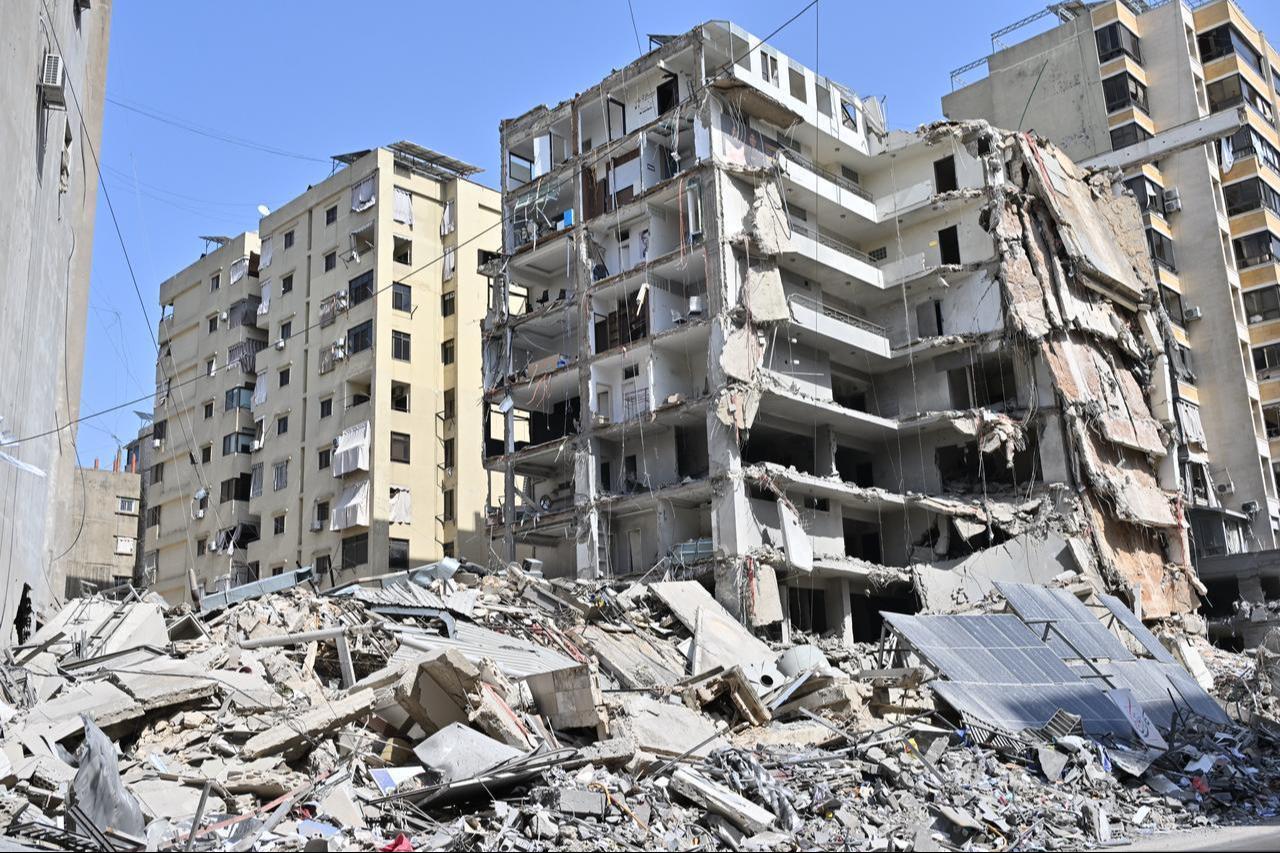

Ankara's statement came as fighting intensified across Lebanon and northern Israel.
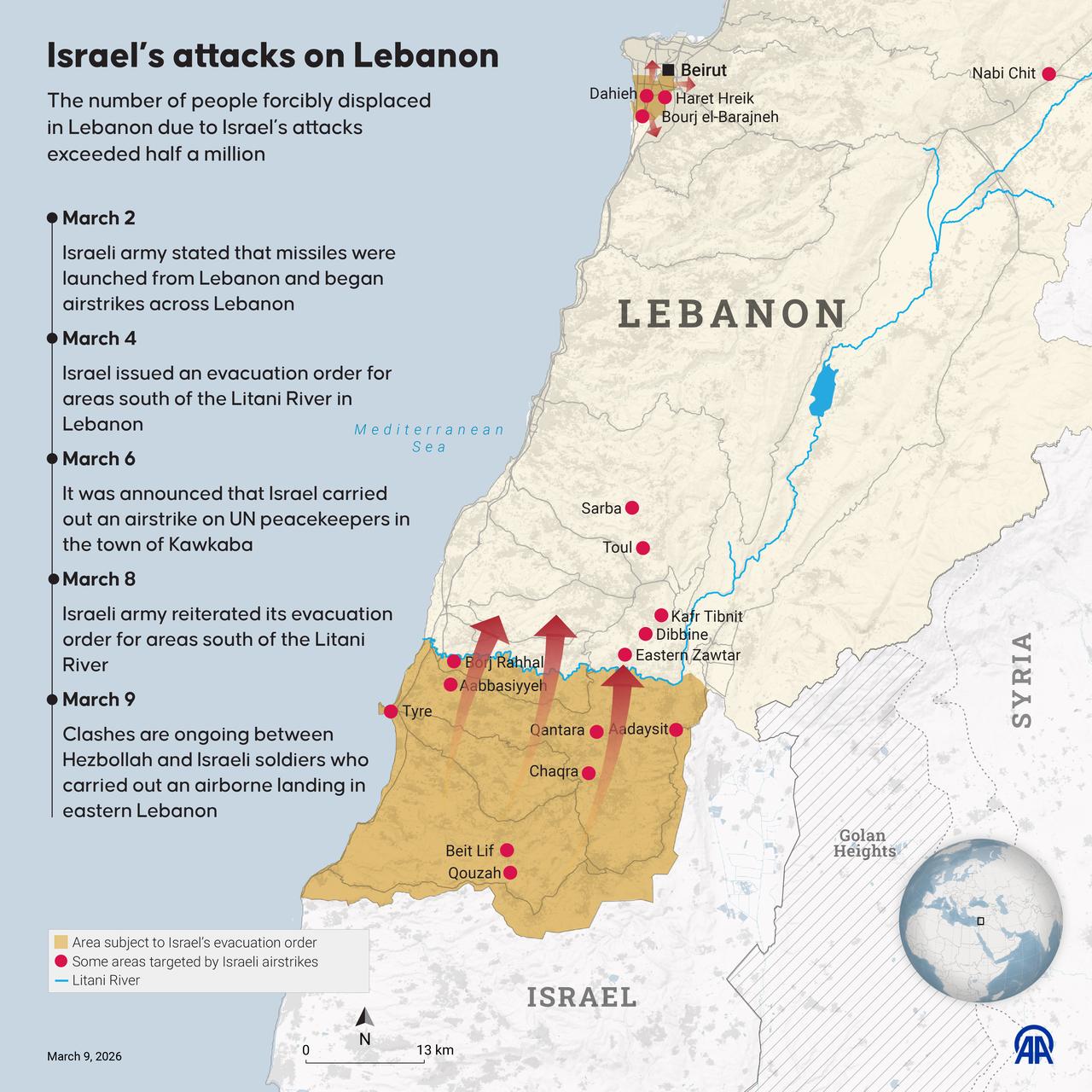
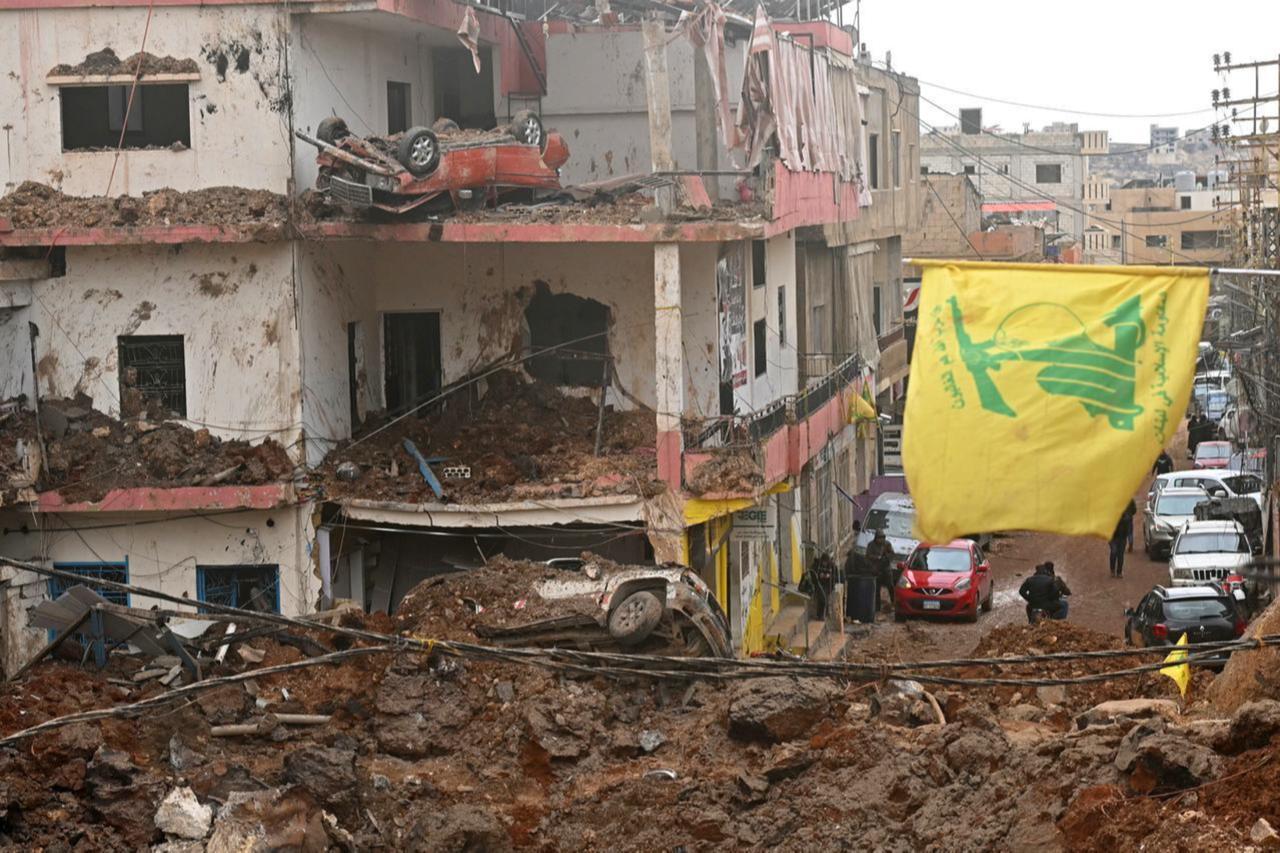
Lebanese Information Minister Paul Markus said after a Cabinet meeting that the death toll from Israeli attacks since March 2 had risen by 53 to 687, while the number of wounded had risen to 1,768.
Lebanese authorities also said more than 800,000 people had registered as displaced, while the Lebanese government said 816,700 people had applied to shelter centers since March 2.
Israel’s military also widened evacuation warnings in southern Lebanon. Israeli army spokesman Avichay Adraee said in a post on X that all civilians south of the Zehrani River should immediately leave their homes and move north of the river.
Adraee said, "Anyone who is near Hezbollah members, facilities, or weapons is putting his life at risk." He also said, "Any movement southward may endanger your lives."
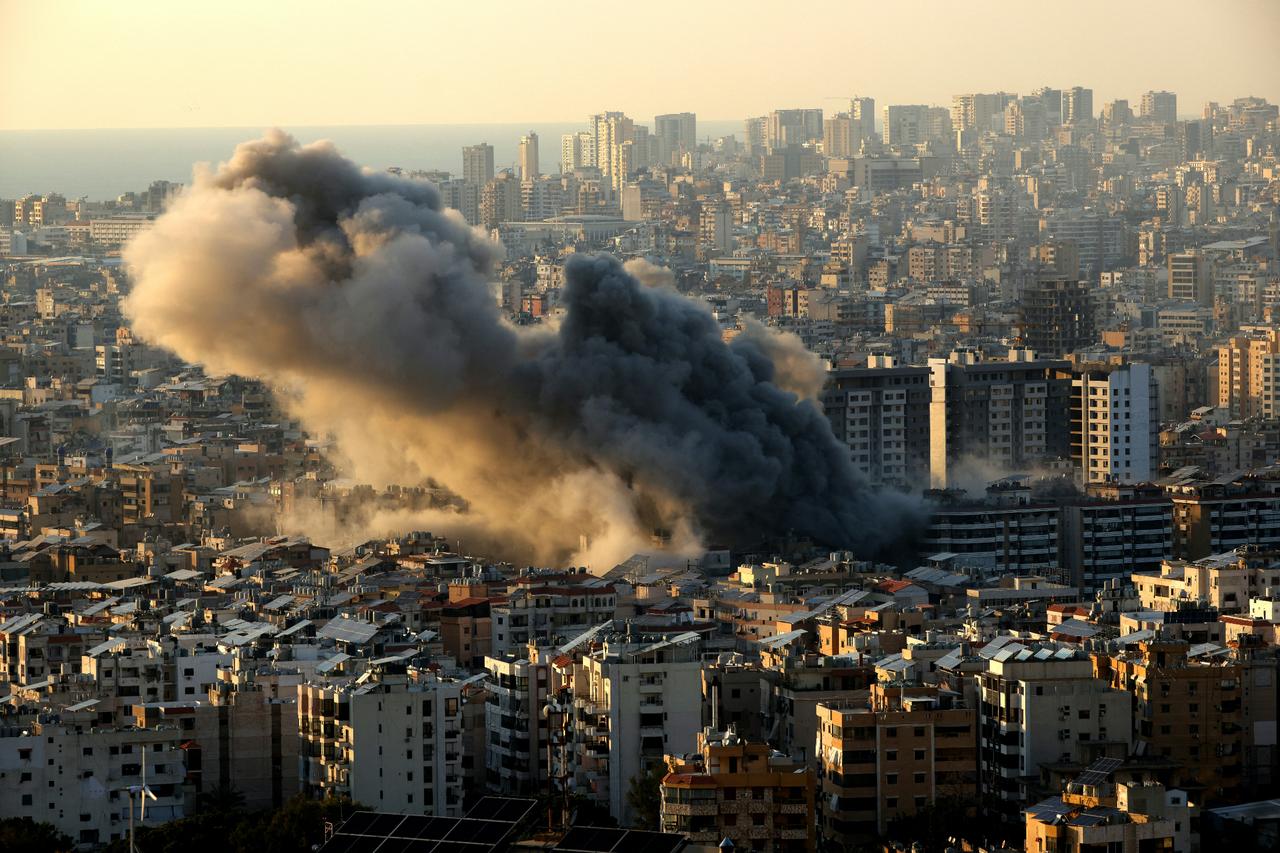
The Israeli military had earlier issued attack threats for several neighborhoods in Beirut’s southern Dahieh area. Lebanon's National News Agency also reported several Israeli strikes in southern Lebanon.
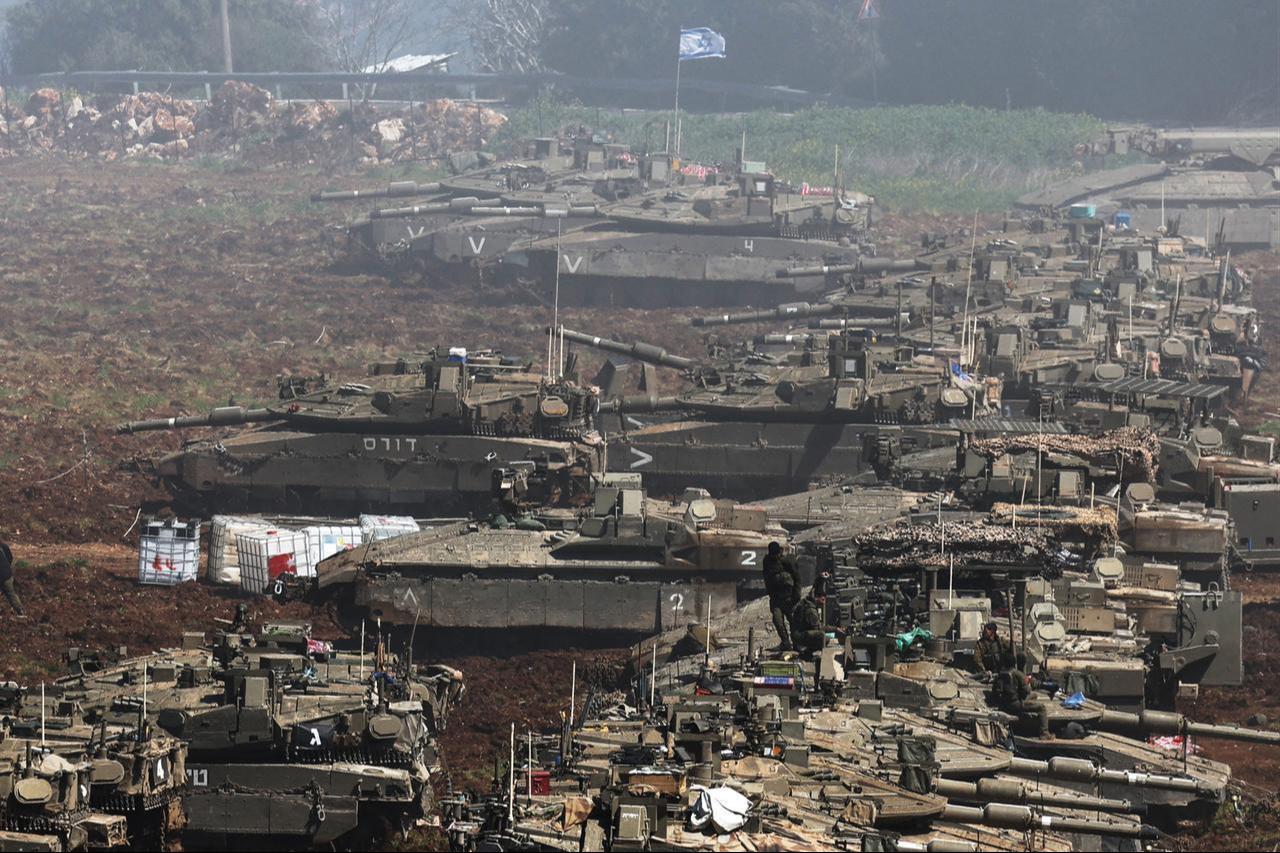
Israel’s military said Thursday that Hezbollah fired around 200 rockets at Israel the night before in what it described as the group’s "biggest barrage" since the war began.
Military spokesman Lt. Col. Nadav Shoshani told reporters, "Last night, Hezbollah timed a simultaneous attack with Iran, firing rockets and drones at towns and communities across Israel."
Shoshani said, "The numbers (are) approximately 200 rockets, approximately 20 UAVs (drones), and combine those with ballistic missiles that were being fired from Iran at the same time," adding that, "This was Hezbollah’s biggest barrage" since the start of the war.
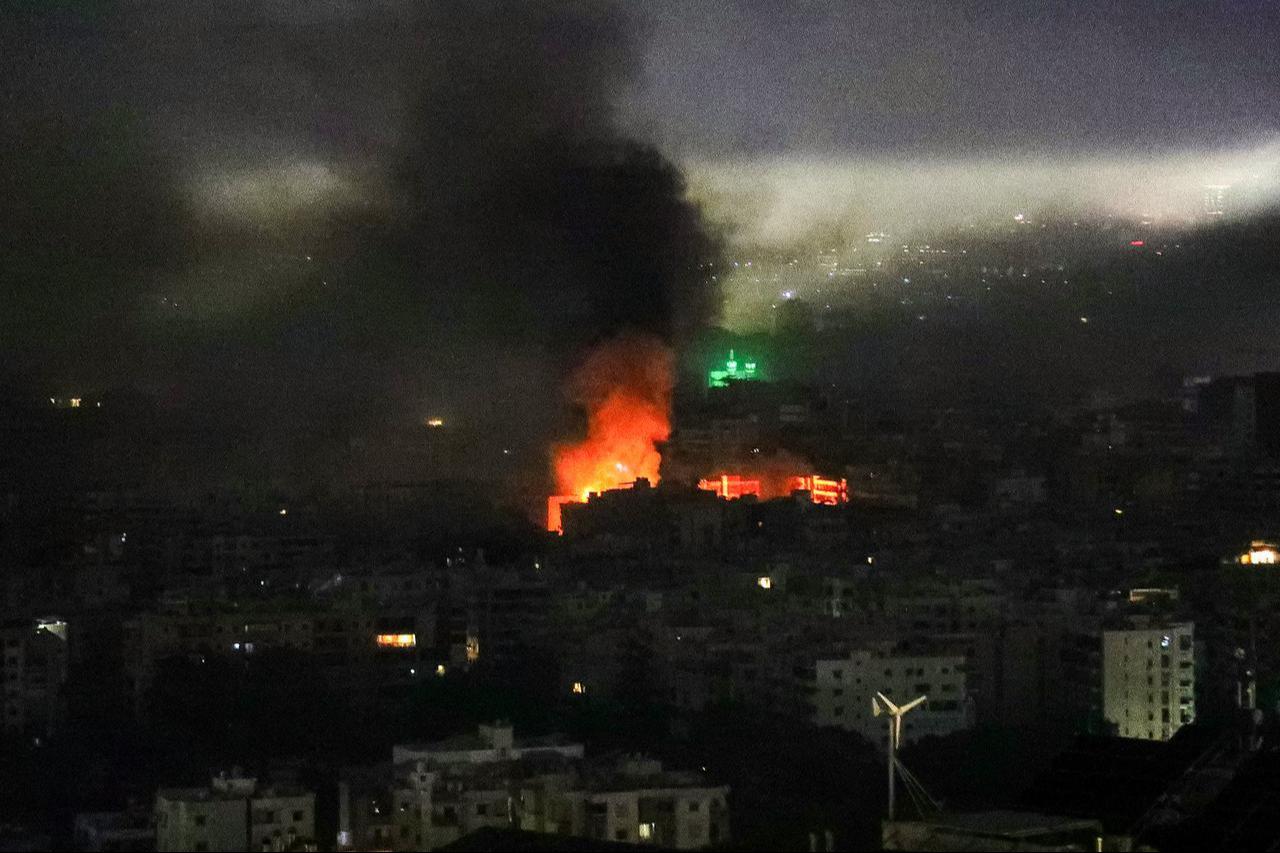
"We had a good aerial defence and rapid response, resulting in minimal casualties, only two or three direct hits... and a few civilians that were lightly injured," he also noted.
An Agence France-Presse (AFP) team visited a house in an Arab village near Majd El-Kroum in northern Israel, where a large hole had been blown through the living room ceiling.
Homeowner Khalil Khalil told AFP his family of nine had been drinking coffee after breaking their Ramadan fast when air raid sirens sounded.
A projectile struck the house as the family was heading toward the safest room, causing light injuries to several people. "We were very lucky, thank Allah, no one was killed," Khalil said.
A local civil defense official who declined to be named told AFP the damage appeared to have been caused by a stray air defense missile fired by the Israeli military.
Shoshani stated that the Israeli army had carried out strikes against Hezbollah in southern Lebanon on Wednesday night to limit its rocket fire and had continued to hit Beirut’s southern suburbs.
Shoshani also said Hezbollah had fired more than 1,000 drones, rockets and missiles at Israel over the past 12 days. Israeli Defense Minister Israel Katz said Thursday that he had ordered the military to prepare for expanding operations in Lebanon after the latest barrage.
Katz also said, "I warned the President of Lebanon that if the Lebanese government does not know how to control the territory and prevent Hezbollah from threatening northern communities and firing toward Israel, we will take the territory and do it ourselves."
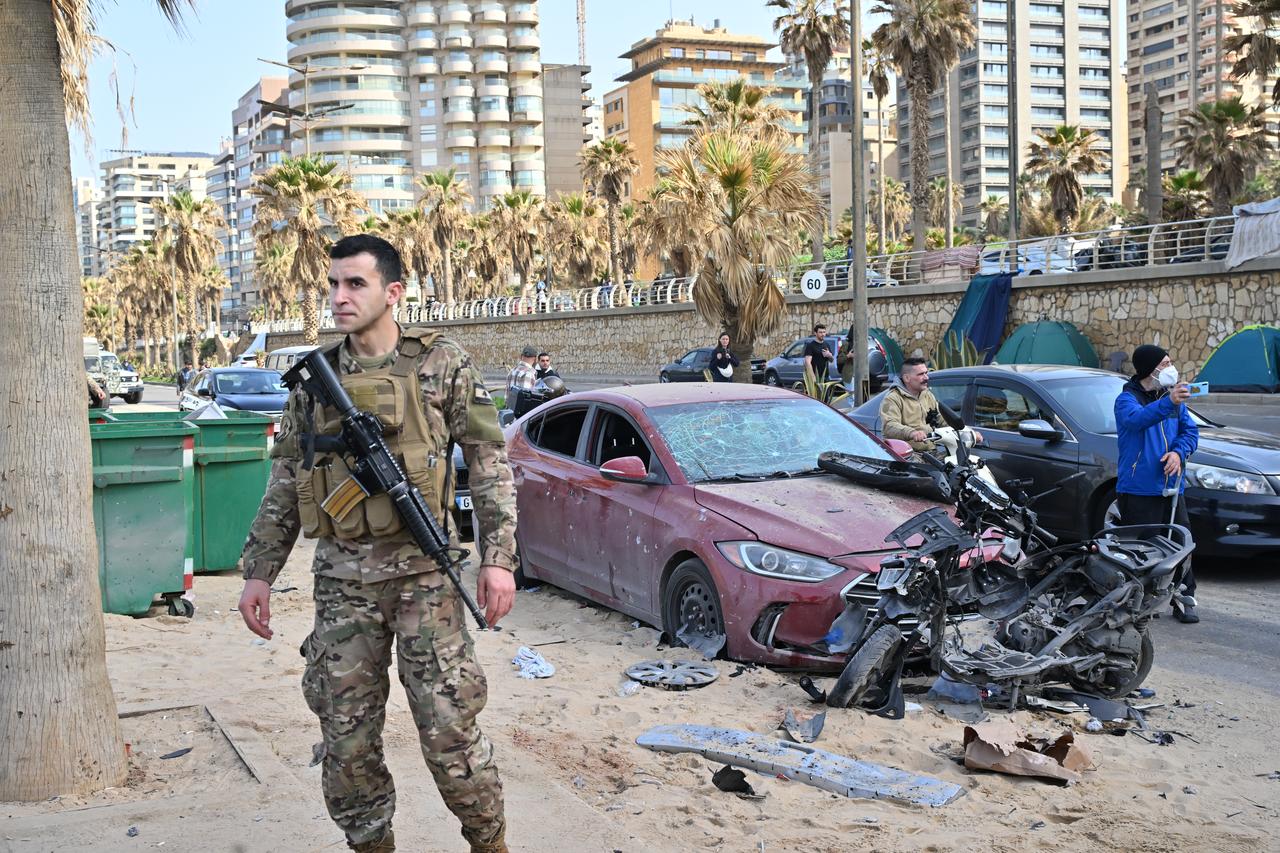
An Israeli strike on Beirut’s central seafront killed eight people on Thursday, Lebanon’s health ministry said, as Israel threatened to expand operations and seize territory if Hezbollah does not stop its attacks.
Israel’s strike on Ramlet al-Bayda killed eight people and wounded 31, Lebanon’s health ministry said.
An AFP correspondent at the scene saw a damaged motorcycle, two damaged cars, blood stains on the pavement, and a small hole in the ground.
"We saw dead people on the ground," said Aseel Habbaj, a displaced woman sheltering in a nearby tent after fleeing Israeli bombings in other parts of Lebanon.
"We were all asleep in my tent, when suddenly we heard a noise," Habbaj told AFP, adding that, "We jumped up and went to see what was happening," before a second strike wounded her husband."
Her 40-year-old neighbor Dalal al-Sayed said she had pitched her tent at the seaside after fleeing attacks in southern Lebanon "because the last thing we expected was Israel to hit Beirut." She added, "We won’t leave, we will stay here even if we die."
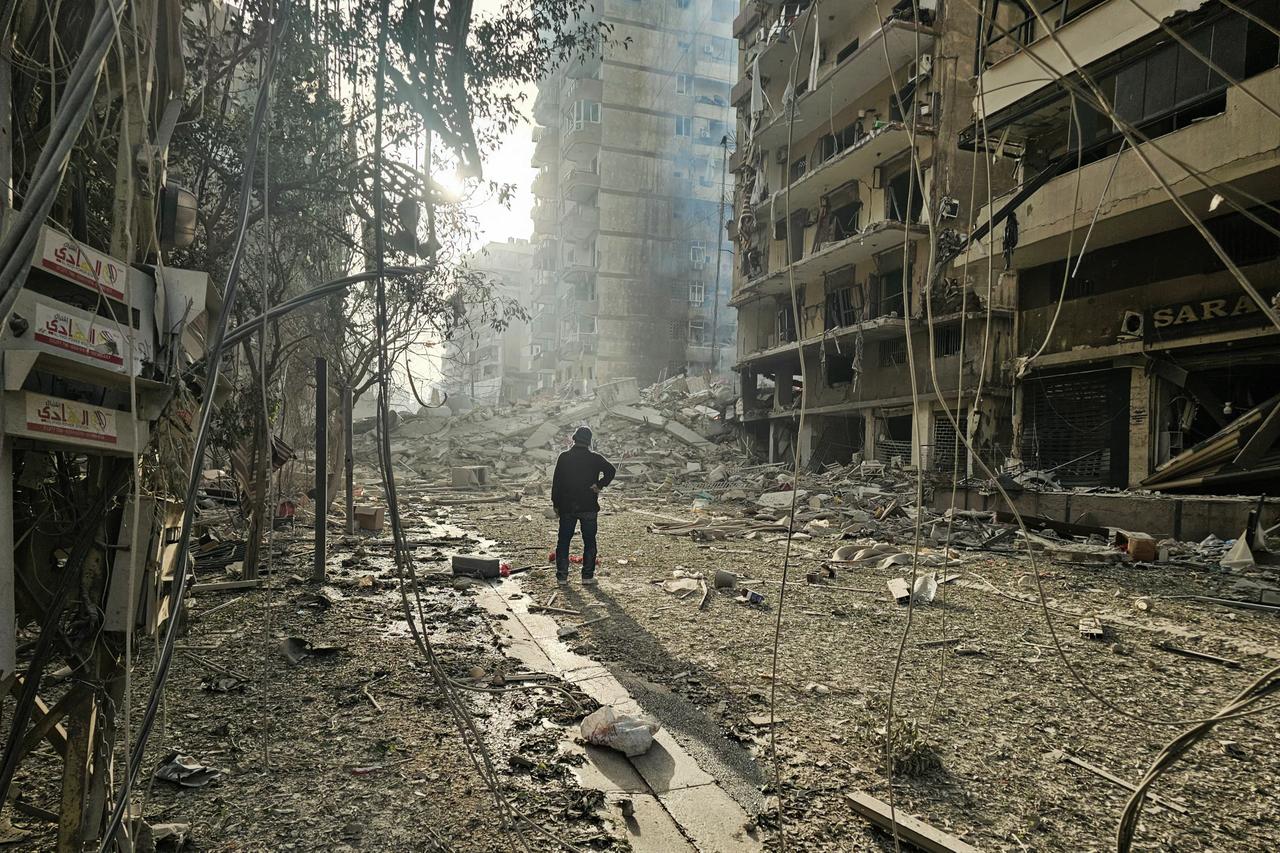
The seafront strike was the third attack in the center of Beirut since the Middle East war began. Displaced people have been sleeping rough or in tents on the streets of Beirut, including in Ramlet al-Bayda, where some shelters were hit by shrapnel from Thursday’s strike.
Strikes on Aramoun, a residential area south of Beirut, also killed three people and wounded a child, Lebanon’s health ministry said.
The Israeli military said on Thursday it had struck 10 Hezbollah targets in Beirut’s southern suburbs.
Hezbollah said early Thursday it had fired missiles at an Israeli military intelligence base in the suburbs of Tel Aviv and another military base south of Haifa. It also said its fighters fired rockets, advanced missiles, and drones at towns, military bases, and other locations.


 Set as preferred source
 Set as preferred source


 1 min read
 1 min read