Newsletters


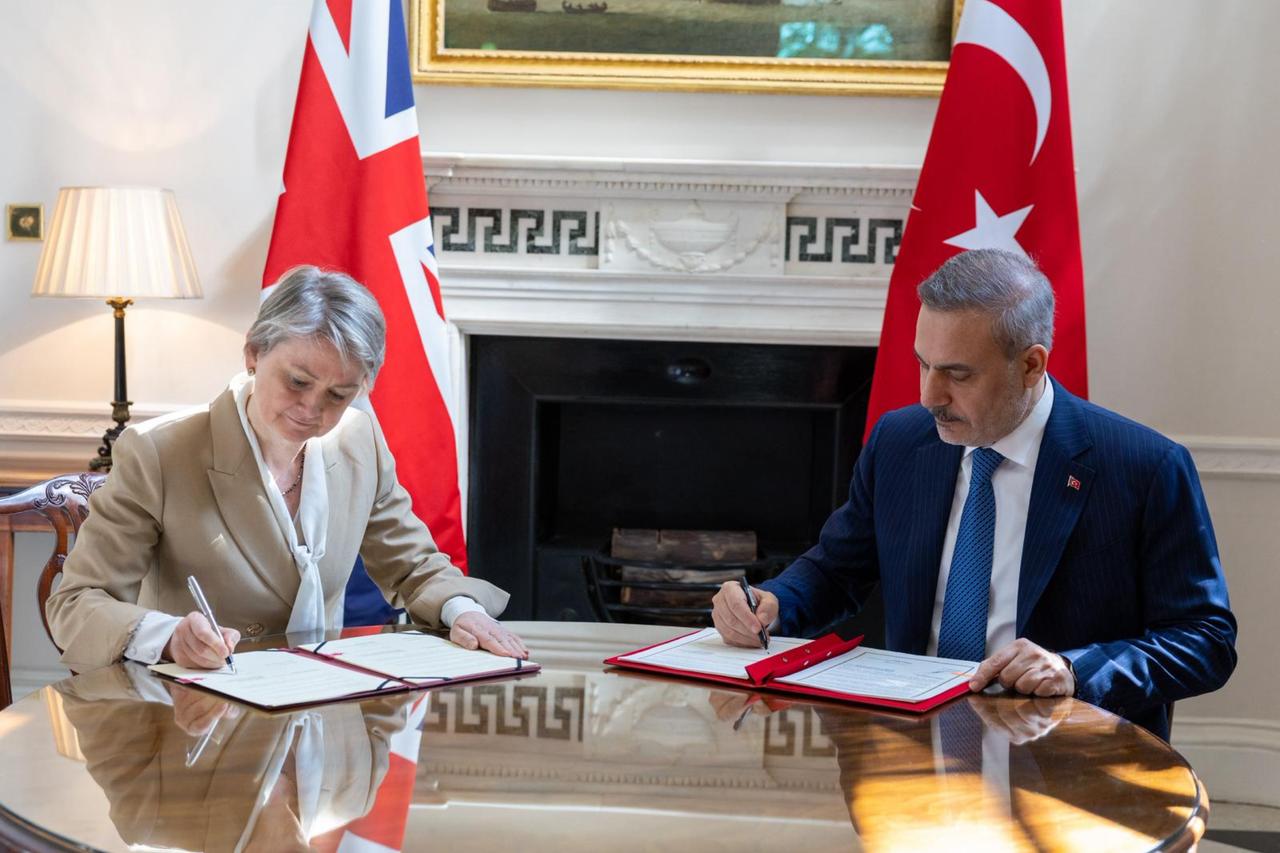


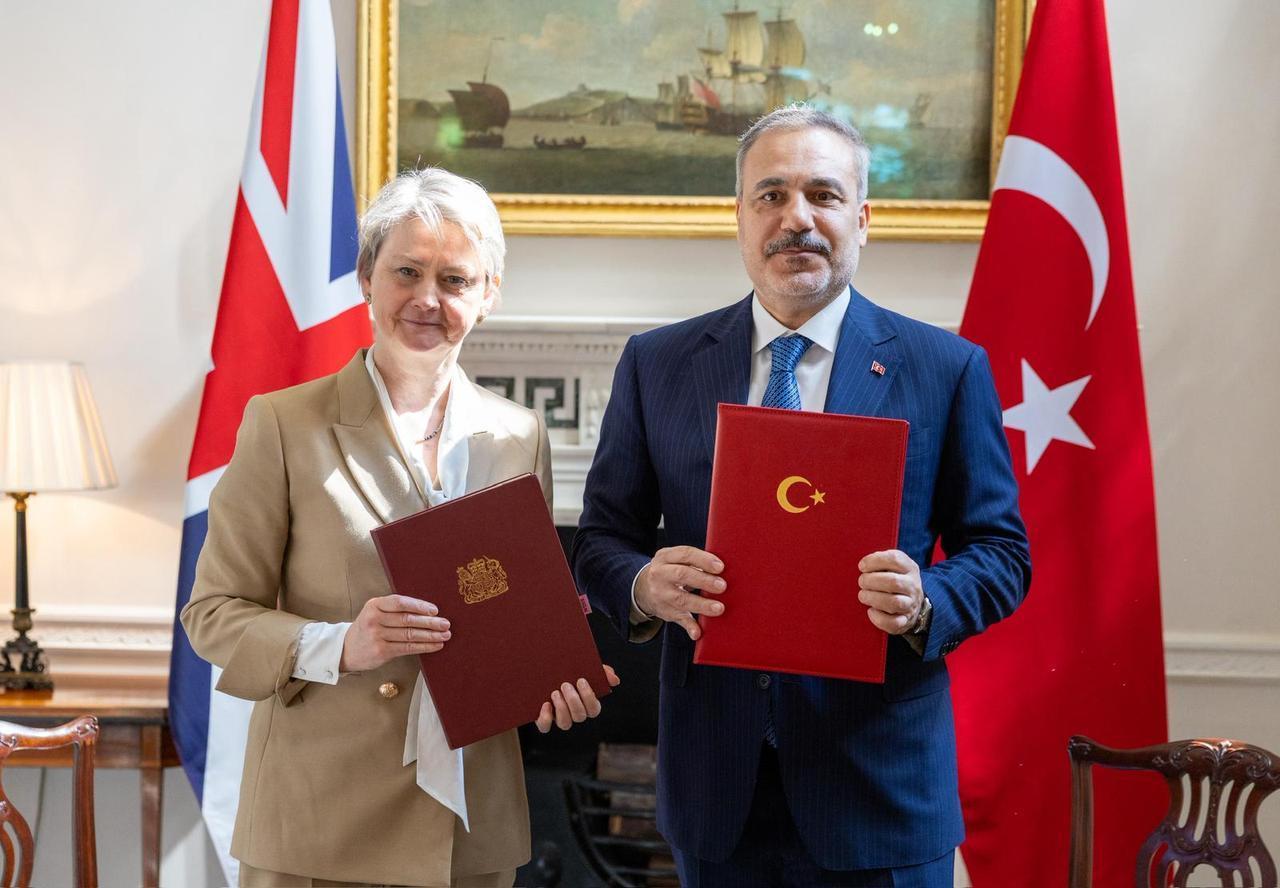
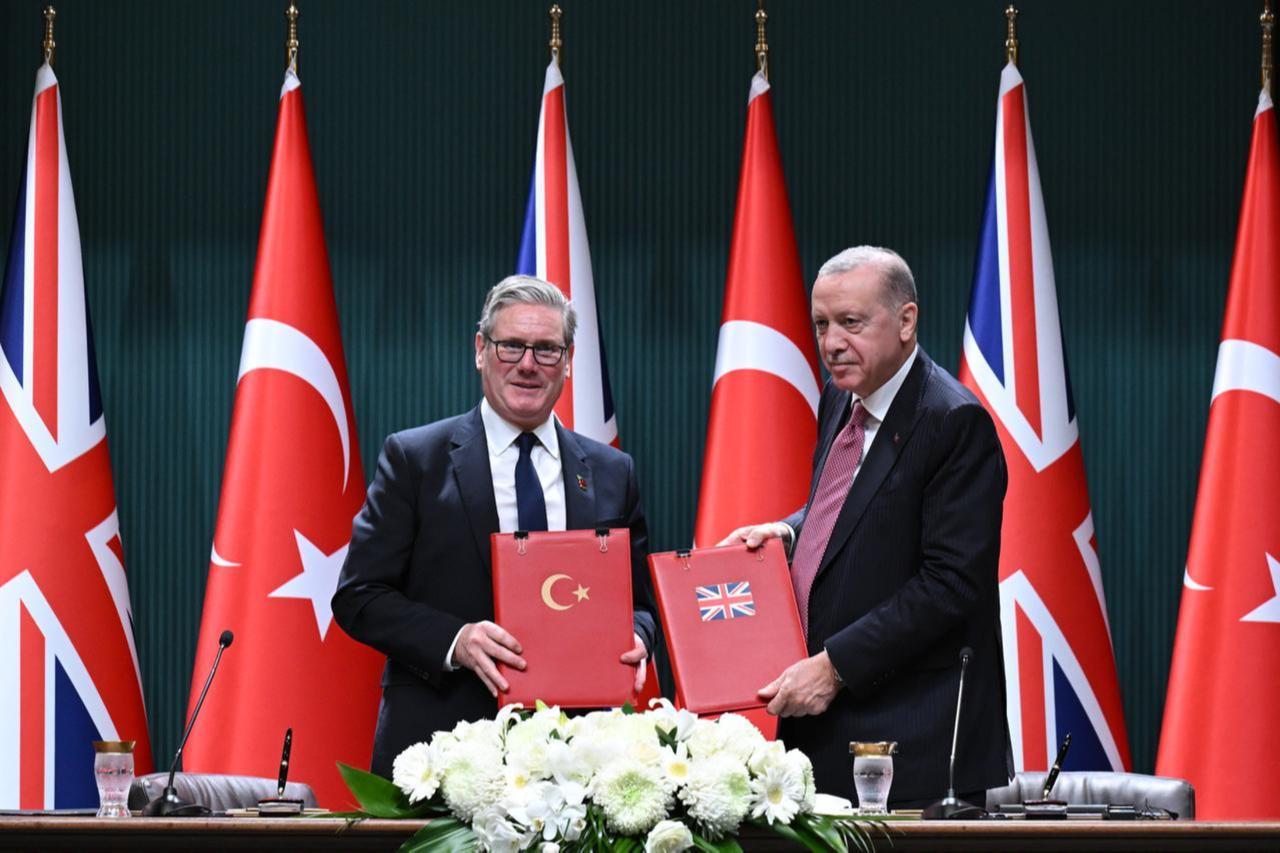
Türkiye and the United Kingdom have signed a new strategic partnership framework in London, setting out a wider roadmap to deepen cooperation across defense, economy, and global policy areas.
The agreement, signed by Turkish Foreign Minister Hakan Fidan and U.K. Foreign Secretary Yvette Cooper on Thursday, lays out a more structured path for bilateral ties, with both sides moving to tighten coordination through regular dialogue and joint initiatives.
The framework stretches across multiple areas, including security, climate policy, humanitarian work, and technology partnerships. It builds on existing ties but also opens the door to expanded collaboration in defense industries, counterterrorism, and energy security.
The deal is designed to strengthen cooperation both bilaterally and within multilateral platforms, particularly under NATO structures.
It also puts a stronger focus on science, innovation, and long-term development projects, reflecting a push to align on future-oriented sectors.

According to a joint statement, growing instability in the global order and a shift toward a more fragmented, multipolar system are increasing risks for both countries.
"NATO, the bedrock of our security and collective defense, has increased its political and military relevance," the statement noted, adding that deterrence and defense remain central to maintaining Euro-Atlantic security.
It further stressed that strong transatlantic ties remain essential for peace and stability in Europe. Both countries also signaled a shared focus on regional issues, including security and stability in the Middle East.
 Breaking News, Direct to You.
 Follow Türkiye Today on WhatsApp
for real-time updates and key insights from Türkiye and beyond.
Follow Türkiye Today on WhatsApp
for real-time updates and key insights from Türkiye and beyond.
Economic cooperation forms a key pillar of the new framework. The agreement reaffirms plans to boost bilateral trade and investment, with ongoing negotiations aimed at updating the existing Free Trade Agreement.
The goal is to support shared economic growth while strengthening already established commercial ties between the two countries.
Relations between Türkiye and the United Kingdom are rooted in historical ties, strong economic links, and ongoing people-to-people connections, the statement underlined.


 Set as preferred source
 Set as preferred source


 2 min read
 1 min read