Türkiye and the U.K. have much more in common when it comes to defense and national security interests than perhaps at any time in recent history.
Both are middling powers, perhaps the U.K. seeing its powers on the wane, post Brexit, and perhaps Türkiye, because of its much more strategic location, and some savvy prior decisions on investing in an autonomous military defense capability, is on the rise.
Both now share a similarly close but yet distant relationship with the European Union. Türkiye launched its EU accession bid in 1999, and became an EU candidate member state in 2005. But Türkiye has found its path to accession blocked by ingrained racism and Turkeyphobia in continental Europe, and by its own missteps on its path to meeting EU standards with respect to democracy, the rule of law and human rights. There have been failures in communication on both sides. By contrast, U.K., which had what Türkiye yearned for as a full EU member state seemed, to throw that away in what can only be called a remarkable fit of political harakiri, Brexit. Both are now trying to redefine their relationship with Europe, to something still close but short of full membership. But for both the EU remains their largest trade partner.
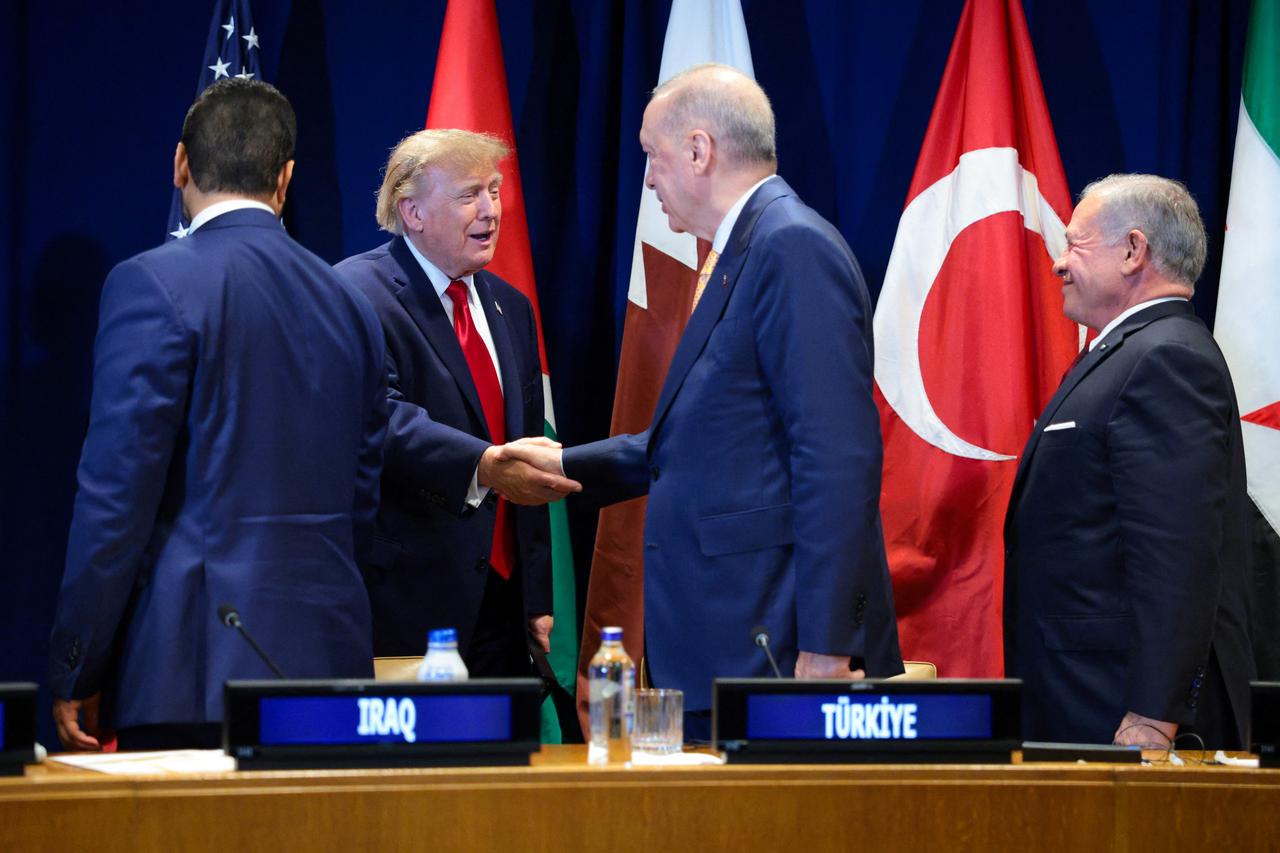
Both have special historical relationships with the U.S. For the U.K. this was the so called treasured “special relationship” built on historical and cultural affinity, a close security bond built in two world wars and the Cold War. Türkiye and the U.S. similarly have had a close relationship, built by common military endeavours in Korea, the war in Afghanistan, but not Iraq, but the U.S. seeing value in Türkiye’s strategic location into the oil rich Gulf and Middle East, and also during the Cold War as a buffer against Communism.
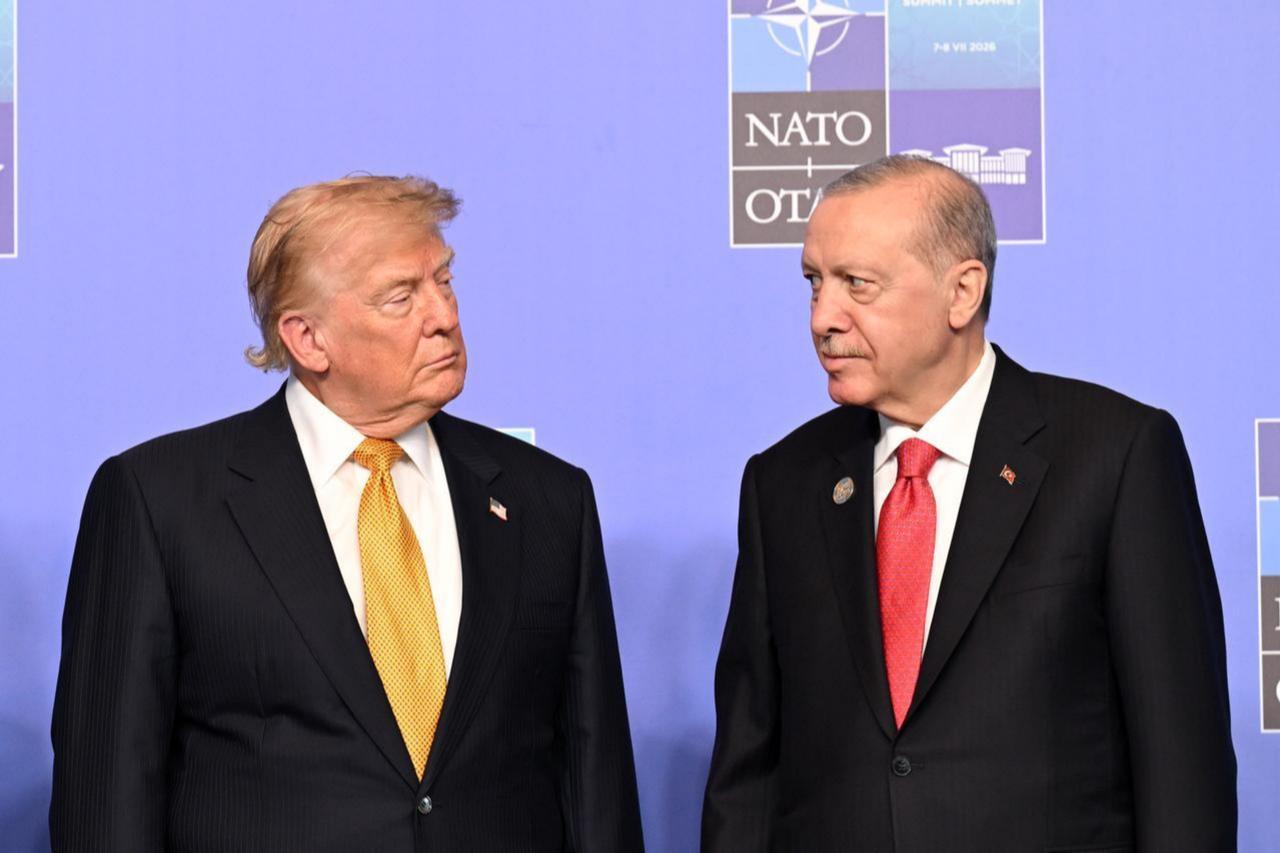
And as with Europe, and other prior U.S. strategic allies and partners, Türkiye and the U.K. now feel nervous about the changing strategic priorities of the U.S., it’s focus on Asia and the Western hemisphere, and the question as to whether the U.S. can still be trusted as an ally. Does the U.S. nuclear umbrella still apply to Türkiye, for example? Is the U.K. nuclear deterrent independent of the U.S.? It is not in reality.
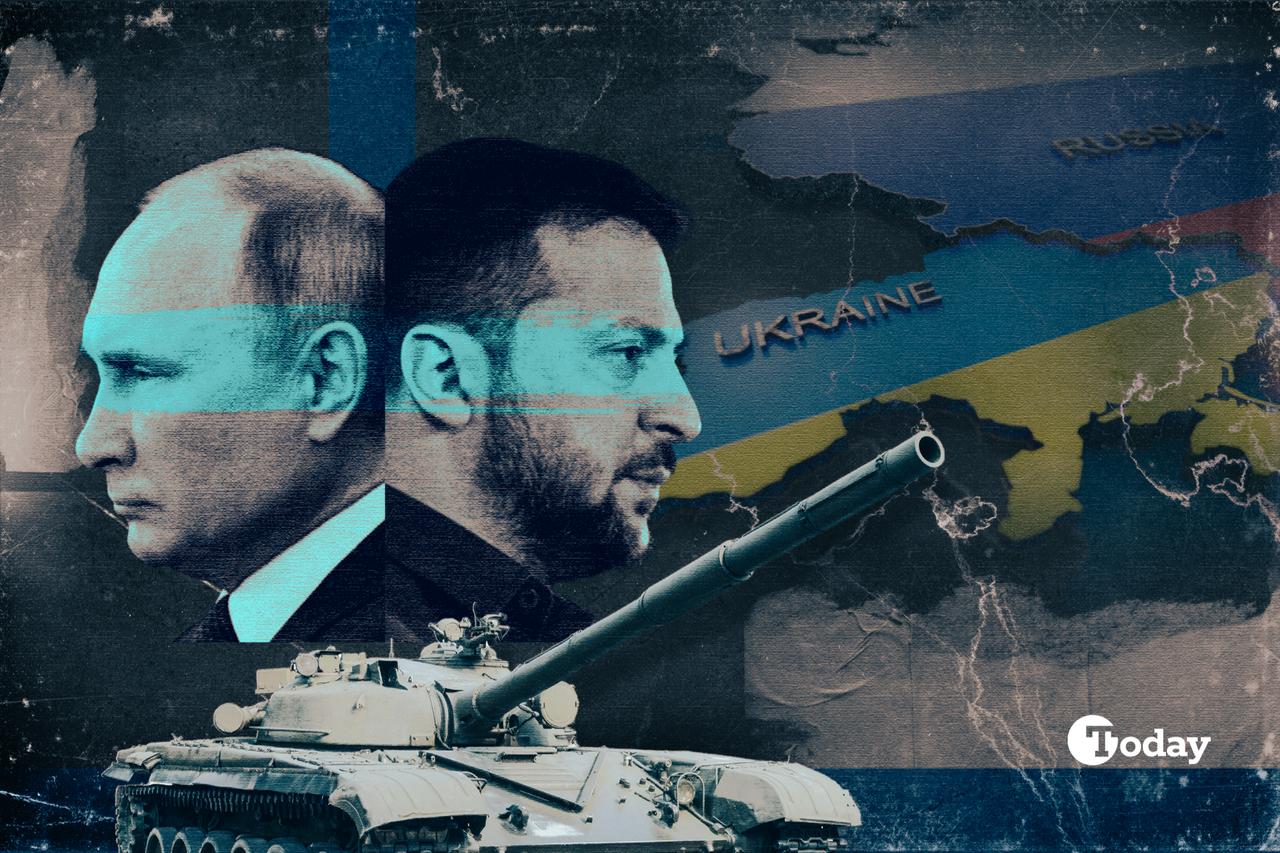
Türkiye and the U.K. share similar interests in the war in Ukraine. Türkiye might try to balance its relationships with Russia and Ukraine, because it is neighbours to both, but it is clear that Türkiye and the U.K. both have no interest in a scenario where Russia defeats Ukraine. For both that would risk further expansion by Russia into Europe, and for Türkiye it would risk Russian domination of the Black Sea. For Türkiye a victorious Russia in Ukraine might see Moscow roll back Türkiye’s recently much increased (because of Russia’s overextension in Ukraine) influence in the South Caucasus, Syria and Central Asia. For both the latter would put at risk efforts in recent years to diversify energy supplies for Europe away from Russia.
Both Türkiye and the U.K. worry about an expansionist Russia, a U.S. military and strategic withdrawal from Europe and a militarily weak Europe which is not able yet, or quickly, to fill gaps in its own defense.
Both see the need to increase defense spending to fill the void and counter the threat from Russia, but both are economically constrained.
The U.K. economy might be twice the size of the Turkish economy - $4 trillion versus perhaps $1.6 trillion - but it weighed down by high public debt (close to 100% of GDP), has deep structural problems (not helped by Brexit) which ensure weak growth dynamics. But the U.K. still has deep capital markets and ample access to international capital markets still at reasonable borrowing costs, albeit limited fiscal space to fund the planned increase in defense spending under NATO ambitions from 2% of GDP to 3.5%, then 5% on a wider definition. Türkiye benefits from low public sector debt (less than 30% of GDP) but suffers structural imbalances, high inflation, a history of currency devaluation and much more limited access to international capital markets and even then at a much higher cost.
Türkiye has prioritised defense spending in recent years, perhaps because it has faced more immediate and existential threats given its location. It has also benefited from a much more efficient defense procurement system - which frankly is no longer fit for purpose in the U.K. Partly the kick start to Türkiye’s defense industrial sector was by need and less by design in that its recent tortuous relations with its hirthero NATO allies has meant its prior reliance on buying kit from NATO allies became a liability. Evidence herein was provided by the U.S. decision to kick Türkiye off the F35 programme. But we can also see that with the tortuous negotiations over procuring a missile defense system. The long drawn out negotiations with the U.S., complicated by politics over human rights (Pastor Brunson, et al) eventually led Türkiye going to Russia to buy S400s over Patriots, and then being pushed out of the F35 programme. We can also see it with the new Kaan fifth generation fighter jet programme and Türkiye’s quest still to buy engines from so called NATO allies. In the end, frustrations over the reliability of defense relationships and supply chains with NATO allies led Türkiye to prioritise its own military industrial defense industries. And in recent years this has led to rapid progress across a range of sphere, including drones, missiles, naval shipbuilding, engines and military technology generally. Türkiye is rapidly filling the gaps.
What is clear from the above is that the U.K. and Türkiye now have many common national security and defense interests. It seems kind of obvious but the room for greater cooperation and coordination is significant and this can deliver win wins to both in an even more uncertain and challenging world.
Some obvious low hanging fruit would appear as:
Drones - Türkiye through Bayraktar, and other Turkish drone companies, is the leading country in Europe, bar Russia and Ukraine, in drone space. The U.K.’s own drone fleet is aged and manned by less cost effective U.S. variants. Buying Turkish drones is a no brainier for the U.K. military. But it should go beyond that. Türkiye and the U.K. have done much to seed and help the development of the Ukrainian drone industry. Both could cooperate in finance and to provide manufacturing capacity to help Ukraine, and Europe scale up drone production to help Ukraine counter the Russian war effort. Both could secure technology and drone production wins as a result.
The above are just examples but I think what is required is project to scope U.K. and Turkish defense and defense industrial and technological capability, where are the gaps, and particularly as left by the U.S., what the potential challenges presented by the Russians. But then where can we coordinate and work together to fill the gaps. Arguably this is a pan European challenge and other countries in Europe should be doing the same with Türkiye and together and between themselves. What have we got, what do we need - given the threat from Russia and the reality of the U.S. withdrawal - and what can we do together to ensure all our security.