Newsletters





Türkiye's Interior Ministry has flagged the "incel" phenomenon, which refers to individuals who identify as involuntarily celibate, as an emerging online risk for children and young people, according to a 38-page report on the effects of social media on minors.
The report, prepared by the ministry's Directorate of Internal Security Strategies, warns that certain individuals who believe they are unable to form romantic or sexual relationships with the opposite sex are becoming radicalized through online communities.
These communities, the report states, expose members to misogynistic rhetoric, expressions of anger and racist tendencies.
The ministry noted that incel groups are active in Türkiye and that a significant number of individuals drawn to these circles are under 18.

The report's findings come in the wake of several violent incidents in Türkiye that brought the incel ideology into public debate.
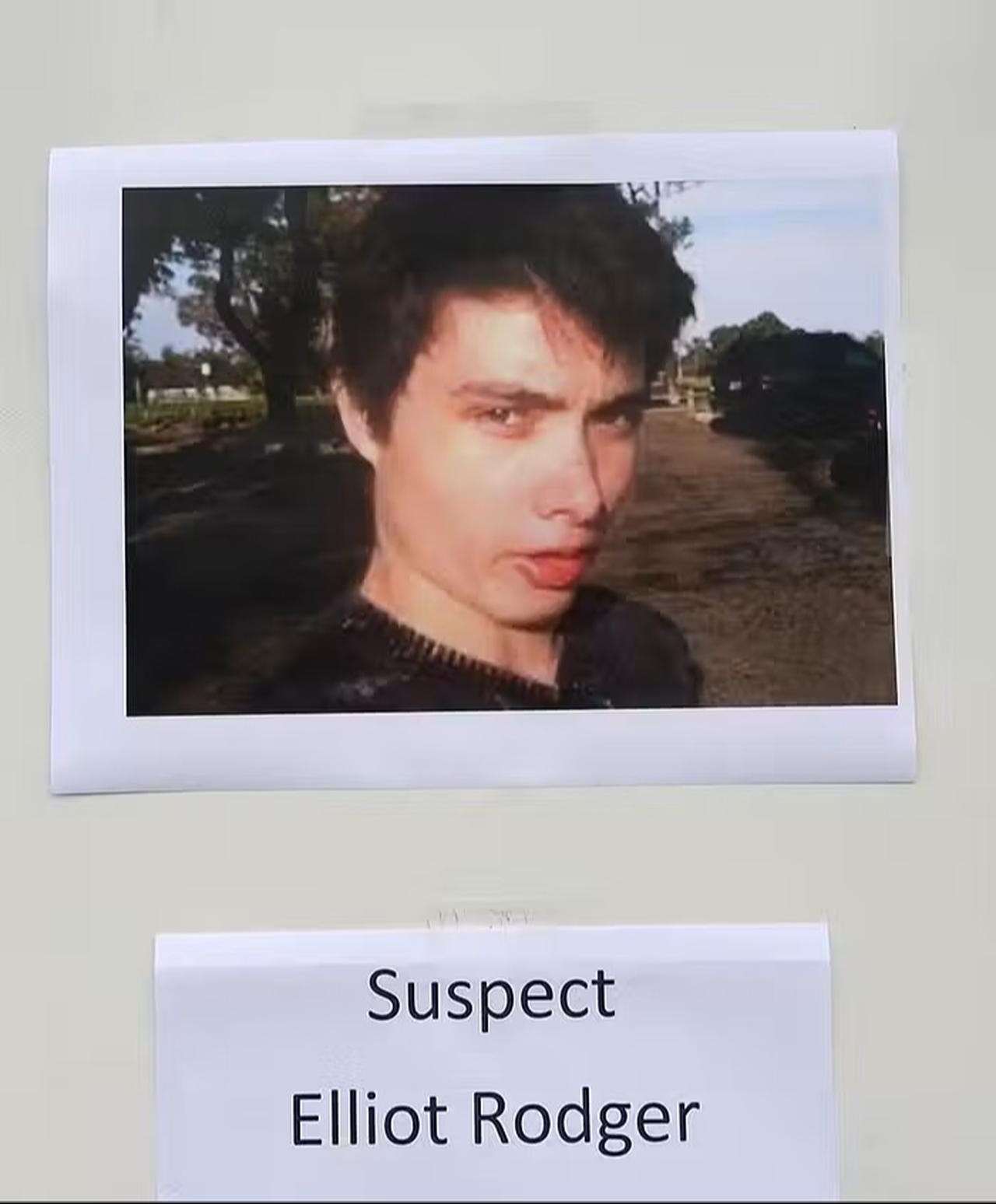
Following a school attack in Kahramanmaras, the General Directorate of Security announced that the perpetrator, Isa Aras Mersinli, had used a profile image on WhatsApp referencing Elliot Rodger, an American man who carried out a mass killing in the United States in 2014 and is widely regarded within incel communities as a symbol of extremist violence.
A separate case involving Semih Celik, who killed Ikbal Uzuner and Aysenur Halil in Istanbul in 2024, also drew attention to the ideology. According to the ministry's report, materials connected to incel group figures were found among Celik's personal belongings following the murders, and investigators established links between him and incel communities on digital platforms.

The Interior Ministry report identifies several online groups operating under incel-adjacent frameworks. According to the document, groups including the 901 Grubu, Gulyan Grubu, and C31K-C7K, which are described as operating across platforms such as Discord and Telegram, have been linked to a range of criminal activity.
These include alleged instances of bullying, sexual harassment, extortion, credit card fraud, unauthorized access to personal data, and acts of violence against animals.
The report states that the majority of individuals detained in connection with these groups were minors.
The ministry describes the discourse prevalent in incel digital spaces as promoting absolute male dominance, the justification of sexual violence, self-pity, self-hatred and racism.

While incel ideology shares common characteristics across different countries, the Interior Ministry report highlights one factor that appears more prominent in Türkiye's domestic context: poverty.
Alongside misogyny and racial rhetoric, groups in Türkiye are reported to frame economic hardship and physical appearance as the primary obstacles preventing members from accessing relationships with women.
The report also raises concern about the risk of violence tied to suicidal ideation within these groups. It states that members who have attempted or considered suicide have, in some cases, also contemplated or carried out mass attacks.
The document describes this as the intent to "take others along" in acts of self-destruction.
Throughout the report, the ministry emphasizes the concentration of under-18 users within these communities.
It notes that the individuals involved in recent violent incidents in Türkiye were influenced by the psychological damage caused by movements such as the incel ideology, and that they communicated with one another through applications including Discord and Telegram.
The exact number of incel-identifying individuals in Türkiye is not known, the report acknowledges, but states that the figure is not negligible.
The 38-page document forms part of a broader ministry review of the impact of social media on children and adolescents in Türkiye.


 Set as preferred source
 Set as preferred source


 6 min read