Newsletters


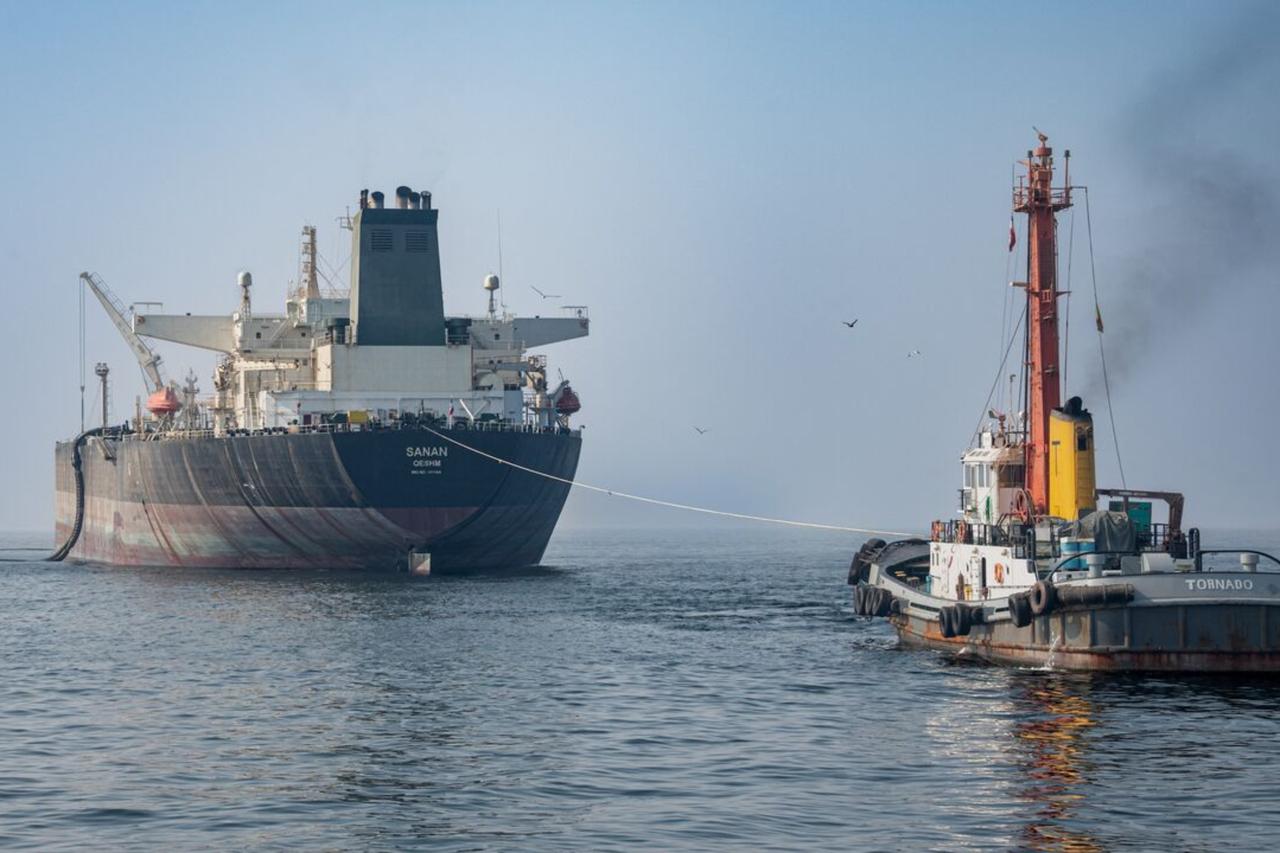


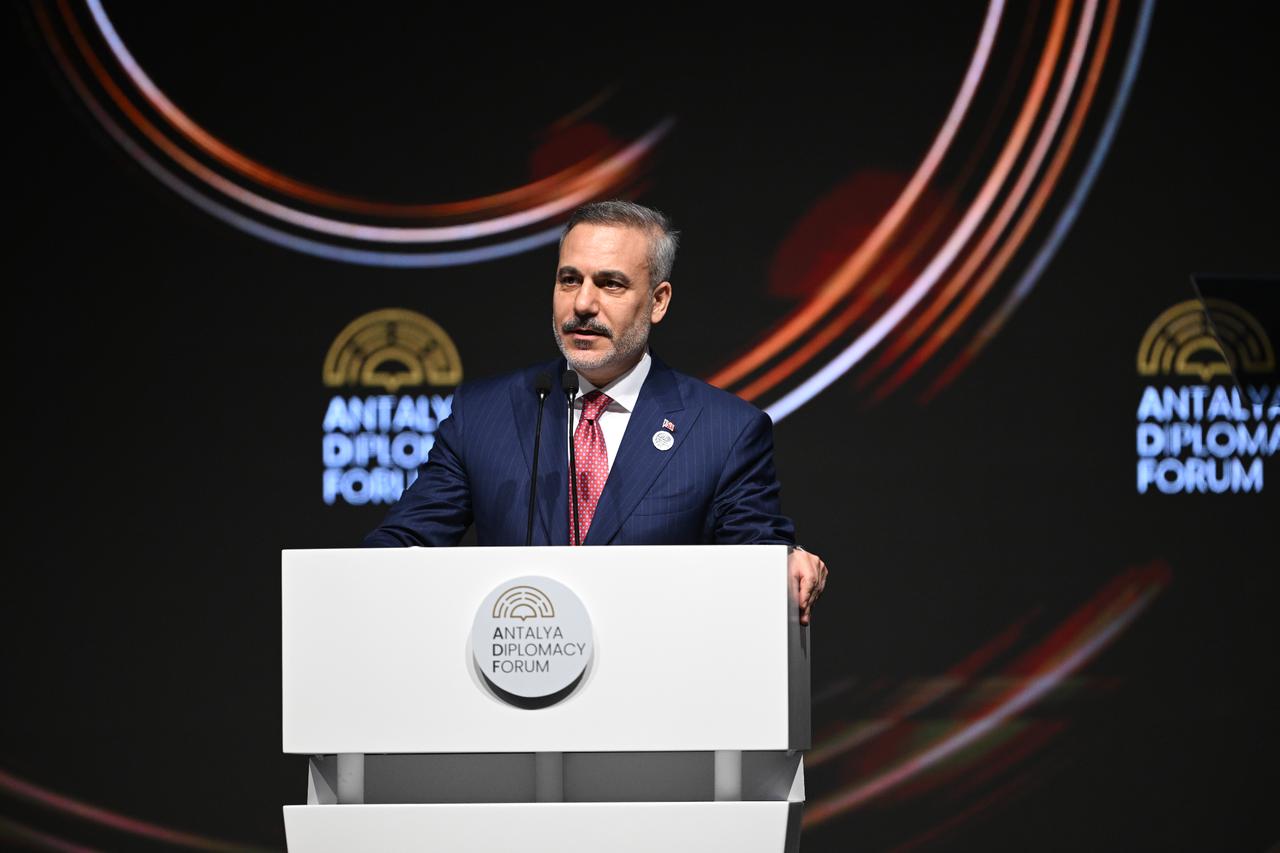
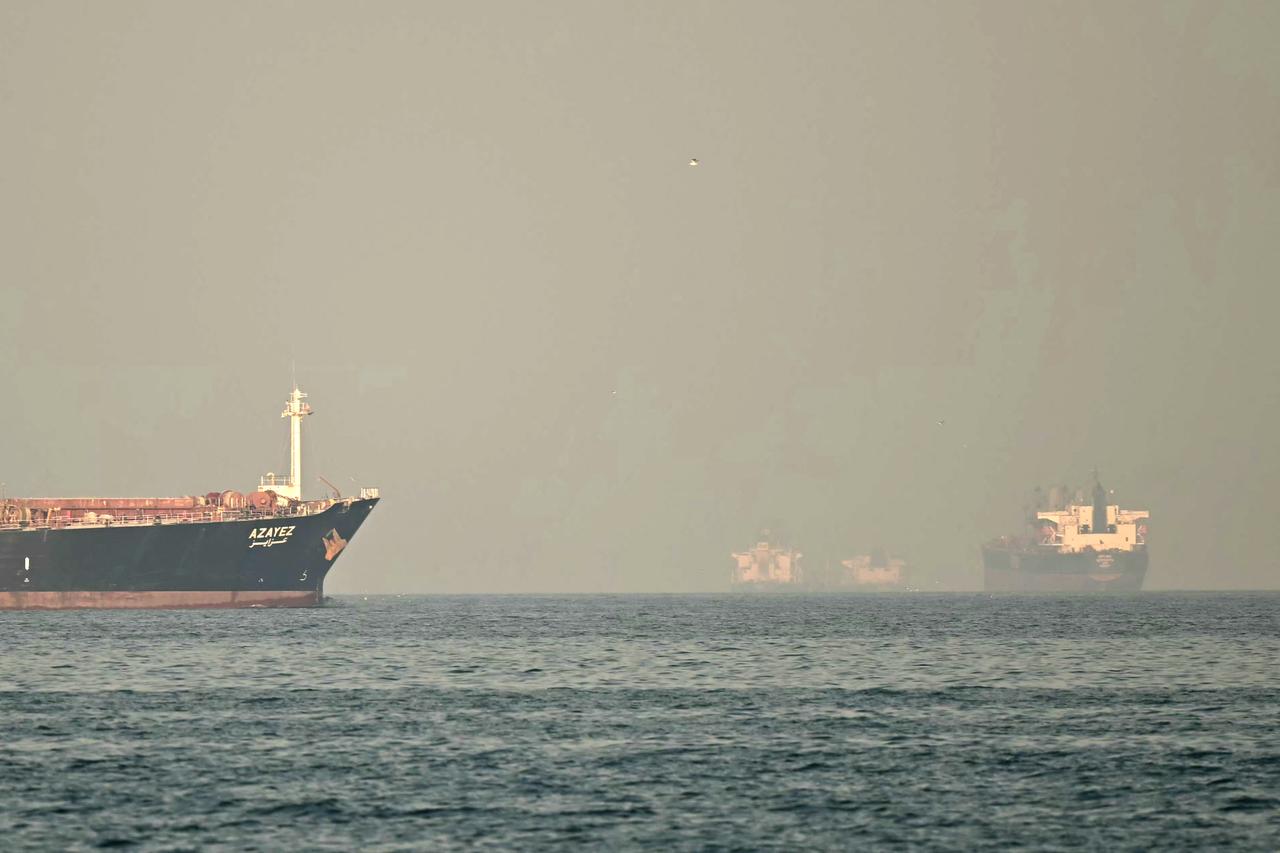
Turkish Vice President Cevdet Yilmaz welcomed Iran's announcement of the reopening of the Strait of Hormuz as "an important step toward reducing tensions" at a France-U.K.-hosted online meeting on the strait's security.
Meanwhile, Türkiye's Ambassador to Damascus Nuh Yilmaz stated that the disruption of the Strait of Hormuz had accelerated a once-in-a-generation shift that would give Ankara a significantly larger role in global energy transit.
Yilmaz participated in the online meeting on Hormuz security co-hosted by France and the United Kingdom, representing President Recep Tayyip Erdogan.
"We welcome Iran's announcement of the reopening of the Strait of Hormuz to all vessels until the end of the ceasefire as an important step toward reducing tensions," Yilmaz said in a post on social media following the meeting.
He called for the conditions to be made durable.
"The preservation of the ceasefire, the uninterrupted continuation of the negotiation process that began in Islamabad, and the reassertion of diplomacy are vital for achieving lasting peace. Developments in the Strait of Hormuz create multidimensional risks spanning energy supply security, supply chains, fertilizer markets and global food security. Restoring maritime navigation security on the basis of international law is critically important for regional stability," he said.
"Preventing similar crises, conflicts and developments that disrupt maritime navigation in our region from occurring again is only possible through dialogue, moderation and the strengthening of multilateral cooperation," he added.
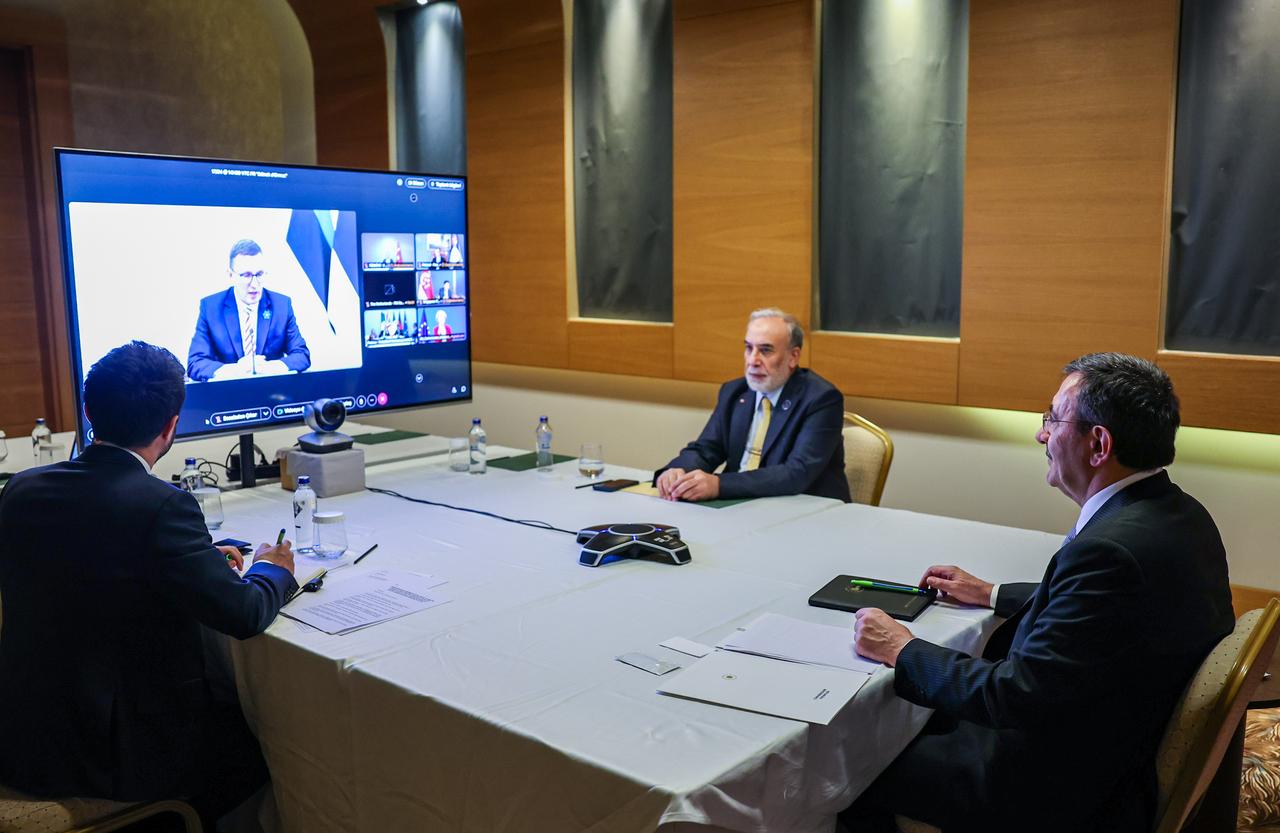

Speaking to Türkiye's state-run Anadolu Agency (AA) at the Antalya forum, Türkiye's Ambassador to Damascus Nuh Yilmaz said the disruption in the Strait of Hormuz had created a major structural realignment opportunity for Türkiye's energy transit role.
"The shortest, cheapest and most stable route for a safe exit is currently through Türkiye. We can think that the energy distribution that has been continuing via the Strait of Hormuz or Suez could now be brought to a point that gives Türkiye a larger share," he said.
He identified two alternative energy routes activated by the Hormuz crisis: the existing land corridor through Türkiye, and the Iraq-Syria route, which he said could take a decade or more to become viable due to Syria's need for political stability and massive infrastructure investment.
"The fact that existing energy pipelines in Türkiye are currently operational makes Türkiye the priority actor. Türkiye looks clearly advantaged in this regard," he said, while noting that Syria-Iraq alternatives face obstacles from "Israel's destabilizing actions" and PKK and Daesh activity that would need to be brought under control first.
Regarding the Türkiye-Syria trade, Ambassador Yilmaz expressed optimism about a significant increase as bilateral trade mechanisms are formalized.
"When roads are repaired, physical problems are resolved and transportation obstacles are removed, trade between the two countries will probably reach its peak," he said, citing last week's JETCO meeting in Istanbul as evidence of the formalization process underway.
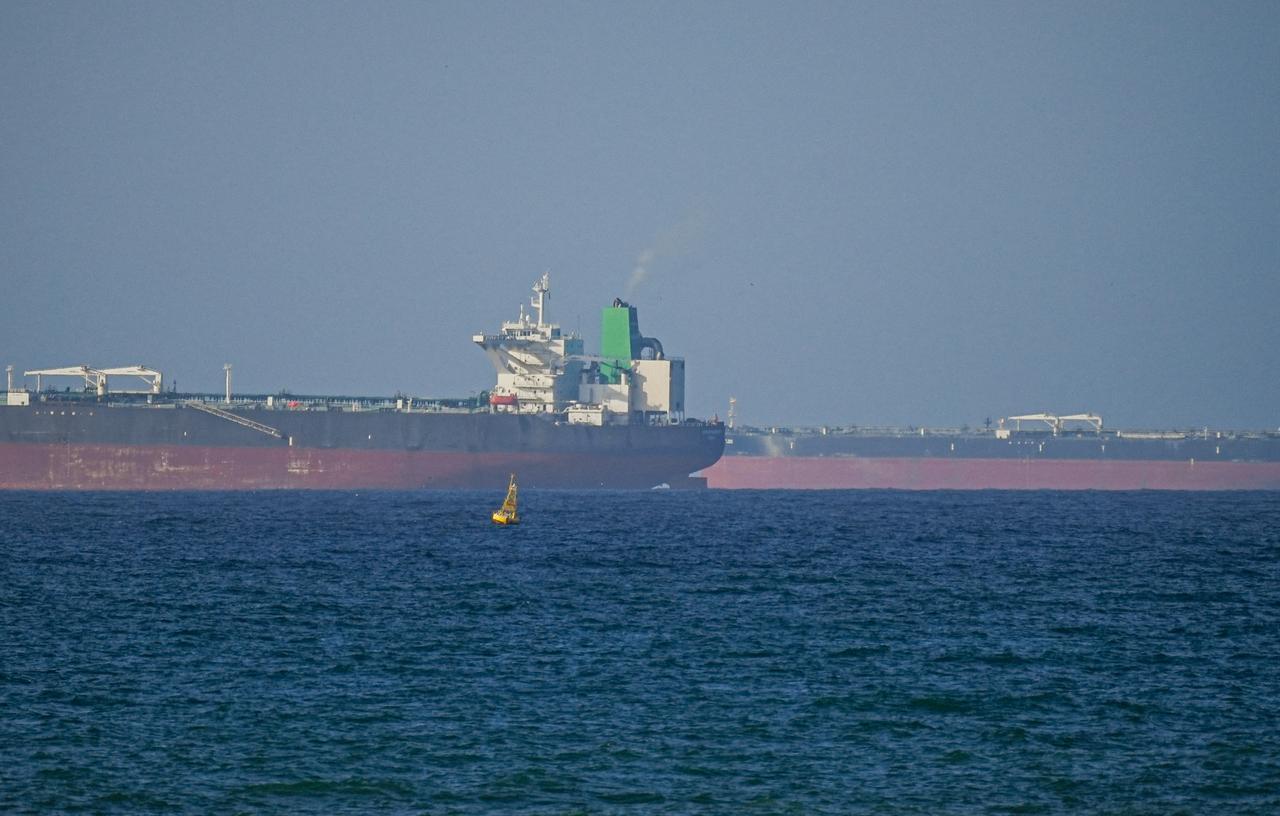
Turkish Parliament's Foreign Affairs Committee Chairman Fuat Oktay also stated at the forum that the reopening of the Strait of Hormuz was welcome, but that the real priority remained a final peace settlement.
"We hope what is being said turns out to be true. The energy crisis and tensions in the Gulf will ease somewhat. But what really matters is of course the permanent establishment of the ceasefire and a peace agreement being completely secured, that is absolutely critical," Oktay said.
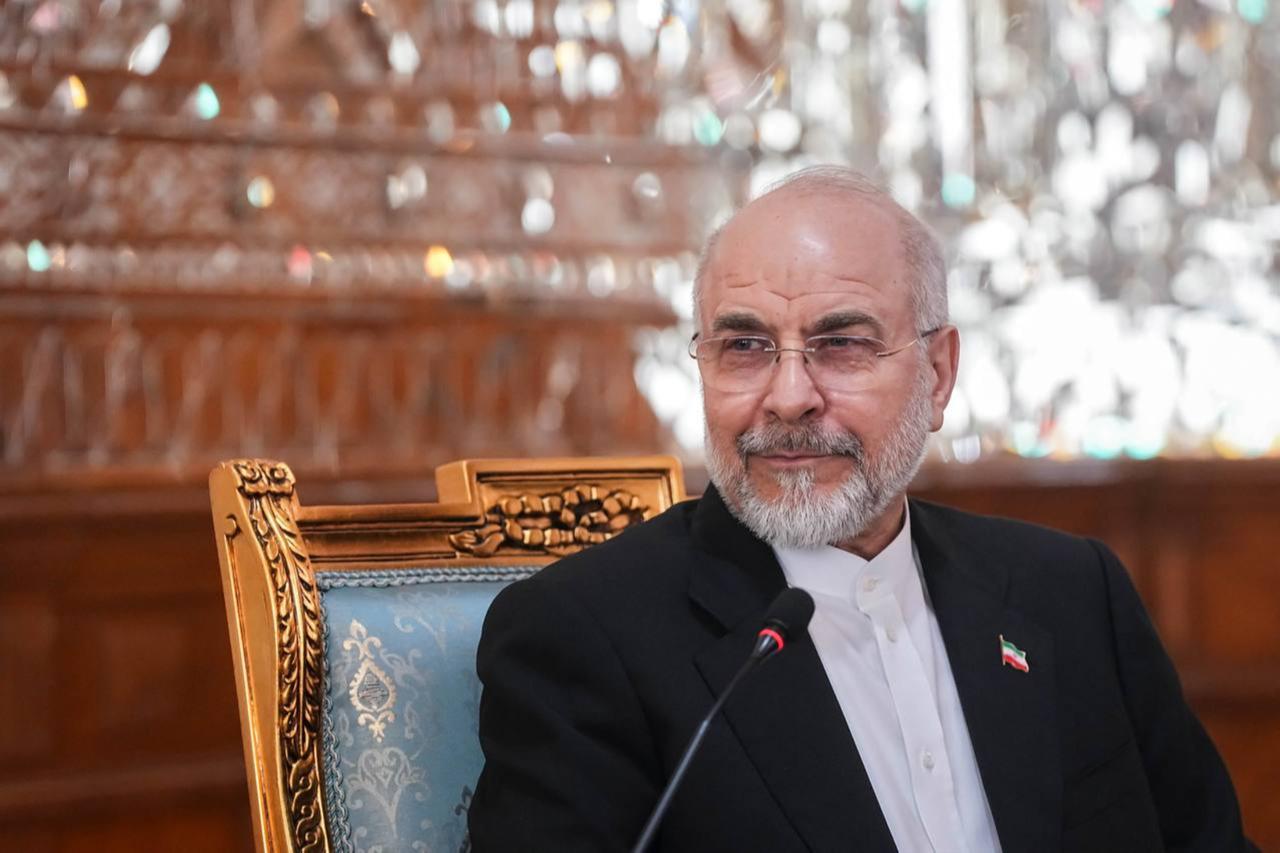
He said he had met with the Iranian delegation at the forum, who told him: "The Strait of Hormuz was already open before. What was open reached this point through an attack that began against us. Therefore, together with Oman, we can manage this process."
Oktay framed the broader conflict as Israel's war, not America's.
"This is an unjust war, an unfair crime, Israel's war. Israel, which insists on expansionism and instabilizing the region, actually dragged the U.S. into this war. I think it is important for the U.S. to withdraw from this war, which is not its own, as soon as possible, so that peace and trust can return to the region," he said.


 Set as preferred source
 Set as preferred source


 1 min read
 1 min read