Newsletters


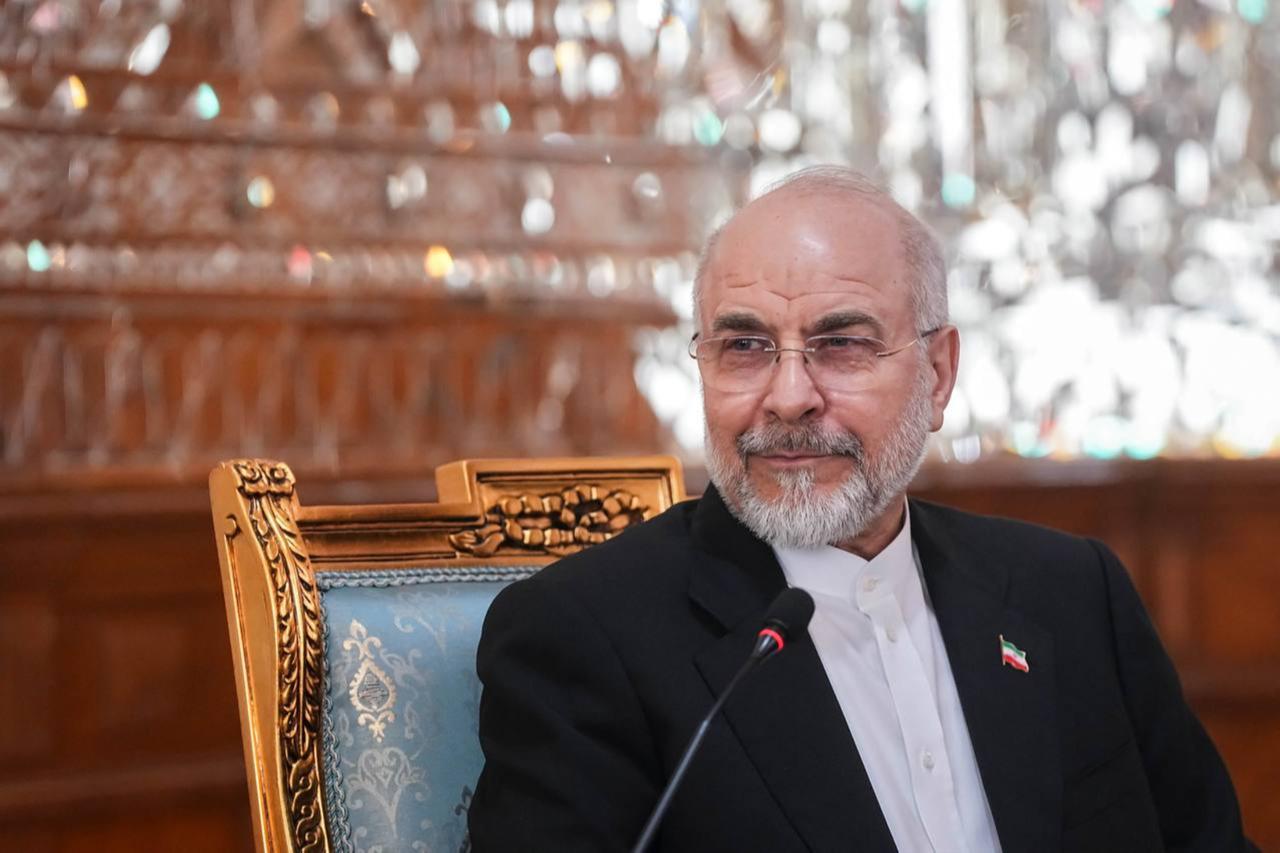


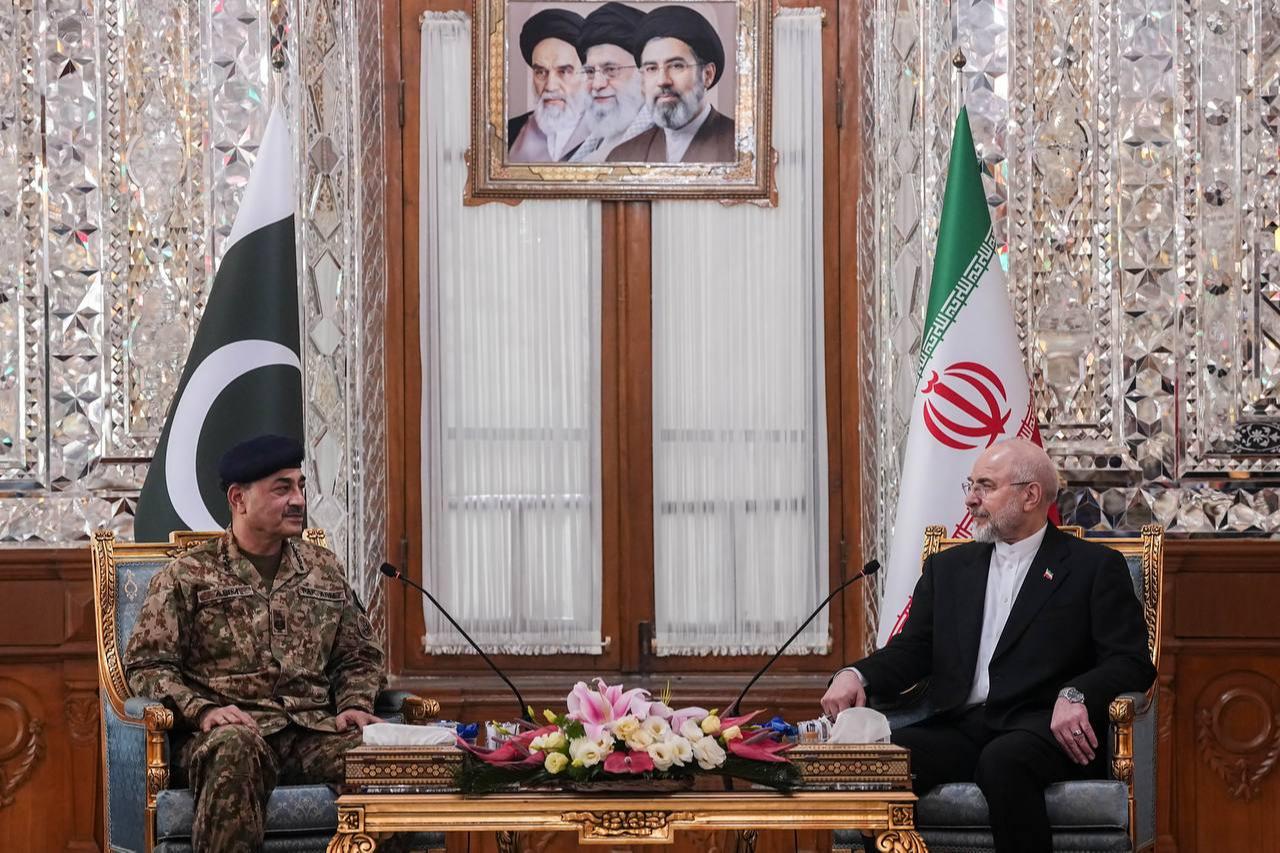
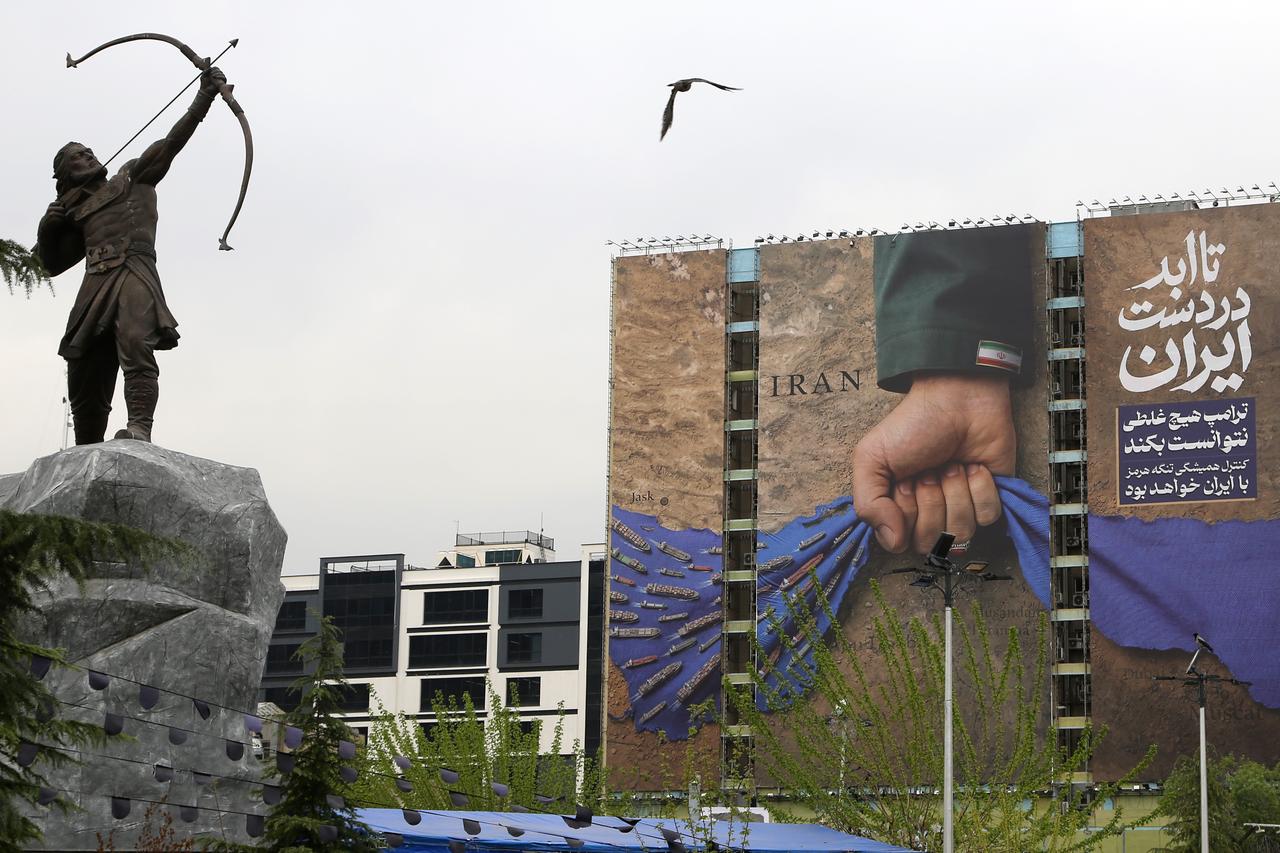
Iranian parliament speaker Mohammad Bagher Ghalibaf warned early Saturday that the Strait of Hormuz "will not remain open" if the U.S. naval blockade of Iranian ports continues.
He said that the passage would require authorization from Iran and that conditions governing the waterway are "determined by the field, not by social media," hours after Iran's foreign minister had declared the strait "completely open" for commercial vessels.
Ghalibaf posted a numbered rebuttal on X directly targeting Trump's statements.
"The president of the United States made seven claims within one hour, all seven of which were false. They failed to win the war with such lies, and they will certainly not succeed in negotiations either," Ghalibaf wrote on X.
He posted six specific points: that all seven Trump claims were false; that lies had not won the war and would not win in negotiations; that the Strait of Hormuz would not remain open if the blockade continued; that passage would follow "a designated route" with "Iranian authorization"; that whether the strait is open or closed and the rules governing it "will be determined on the ground, not by social media"; and that "media warfare and engineering public opinion are a key component of the war, and the Iranian nation is not affected by these tricks."
He directed readers to the Iranian foreign ministry spokesperson's most recent interview as the authoritative source on negotiations.
Iranian Foreign Minister Abbas Araghchi had announced on social media earlier Friday that "passage for all commercial vessels through the Strait of Hormuz is declared completely open" for the duration of the 10-day Israel-Lebanon ceasefire.
Oil prices fell approximately 10%, and global stocks rose on the news.
However, Foreign Ministry spokesperson Esmaeil Baghaei later said the U.S. naval blockade constituted "a violation of the ceasefire" struck with Washington and warned it would "definitely be met with an appropriate response from Iran."

Trump made sweeping claims during his Friday media appearances, telling Agence France-Presse (AFP) and reporters that Iran had "agreed to never close the Strait of Hormuz again" and that it would "no longer be used as a weapon against the World."
He also said Iran was helping to remove sea mines.
He also claimed Iran had agreed to hand over its enriched uranium stockpile, saying the U.S. would go in "with lots of excavators" to retrieve it.
Iran's Foreign Ministry spokesperson Baghaei flatly denied both: "Iran's enriched uranium is not going to be transferred anywhere."
On Truth Social, Trump declared the blockade would remain in place "until such time as our transaction with Iran is 100% complete," adding, "This process should go very quickly in that most of the points are already negotiated."
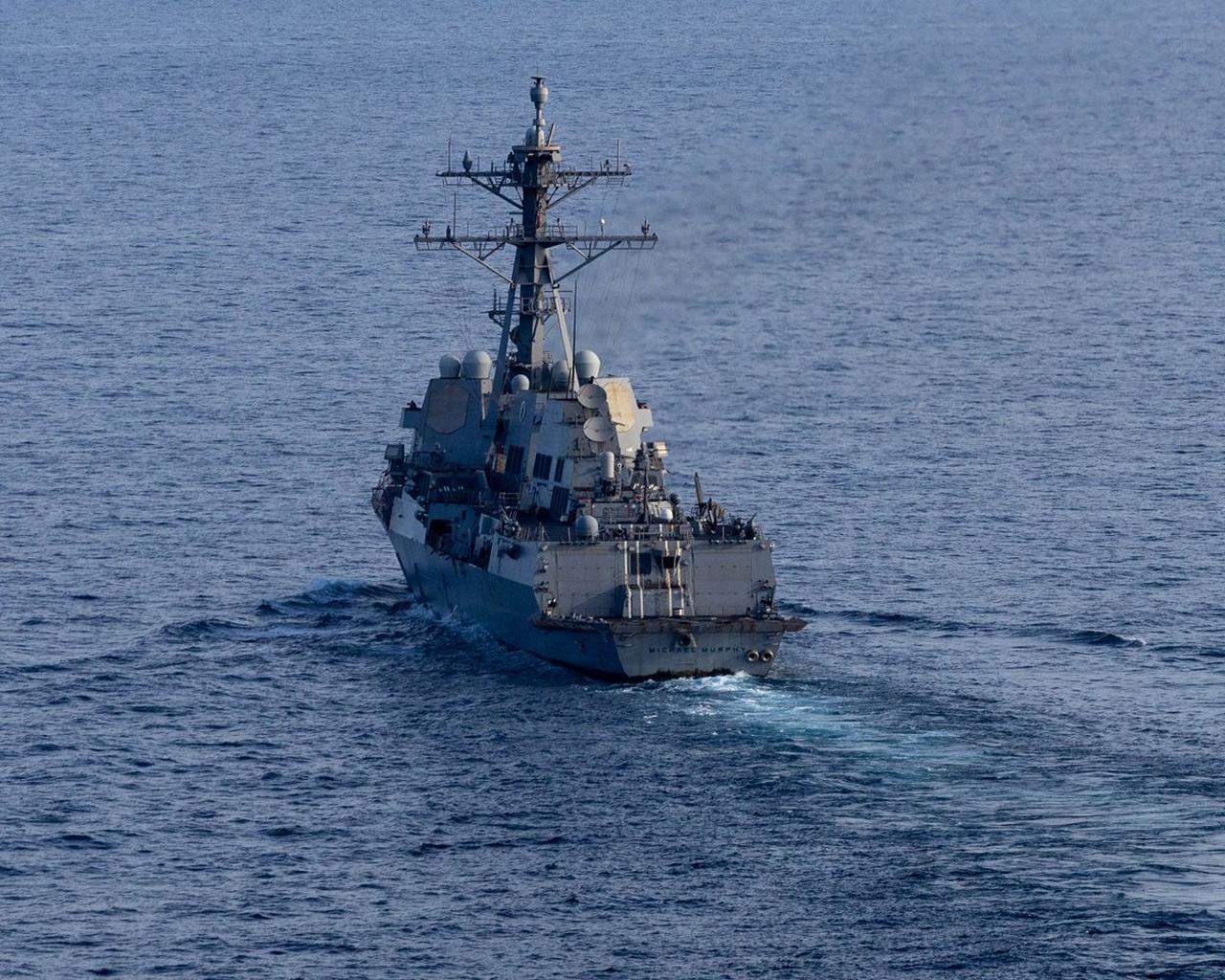
U.S. Central Command confirmed Friday that 21 ships had complied with the direction from U.S. forces to turn around and return toward Iranian ports since the blockade began Monday.
Vessel tracking showed around 20 ships moving toward the strait Friday evening, but most turned back. It remained unclear why.
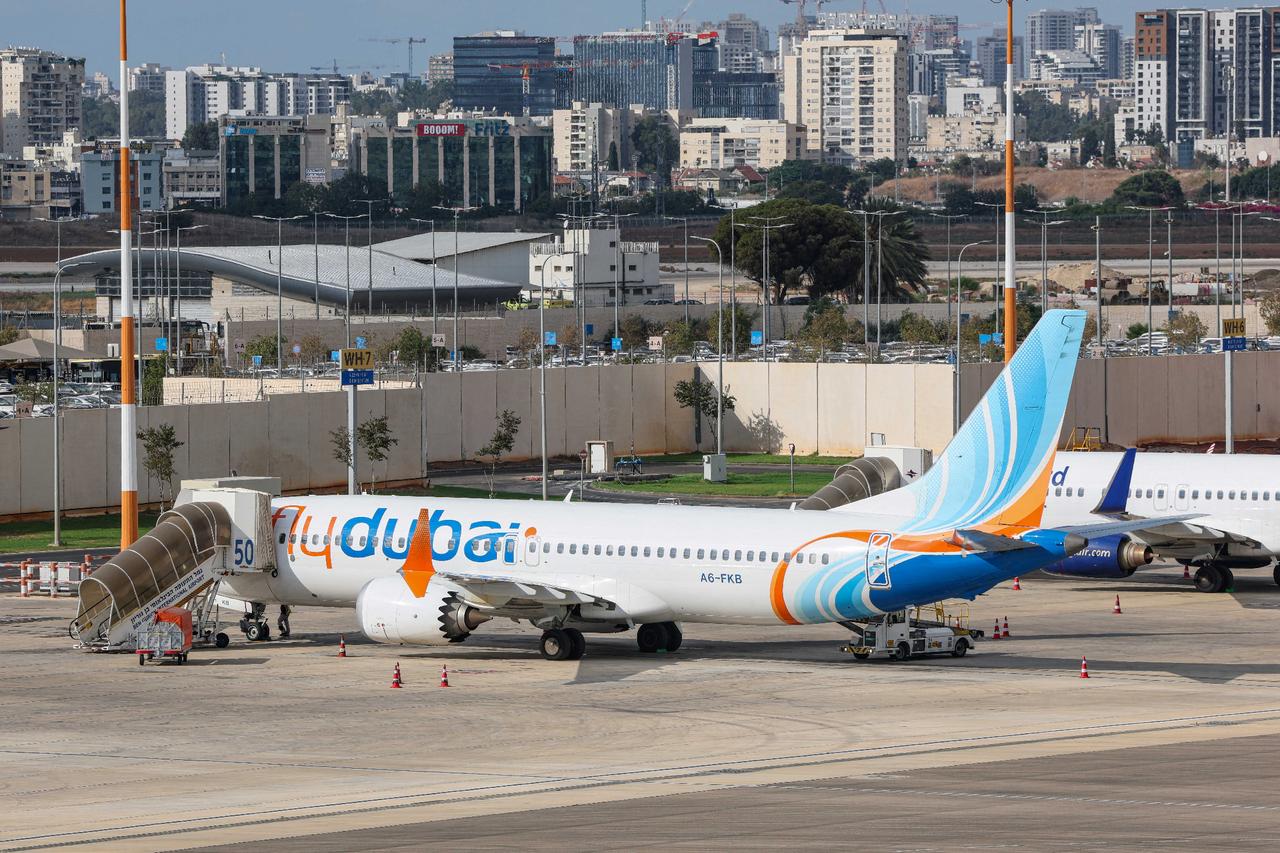
A cruise ship, the Celestyal Discovery, stranded in Dubai, crossed the strait and was heading toward Oman Saturday morning.
The U.S. Navy separately warned seafarers that the mine threat in parts of the waterway was "not fully understood" and advised vessels to consider avoiding the area.
Speaking to AFP, Trump said: "Looks like it's going to be very good for everybody. We're very close to having a deal, no sticking points at all left with Tehran."
He said he was open to extending the ceasefire past Wednesday's expiry, though he maintained the blockade would remain.
Pakistan's Foreign Minister Ishaq Dar said at Antalya Diplomacy Forum that "80% of the work is done," but that both sides needed to show flexibility on the remaining gaps.
A second round of talks in Islamabad is expected on Monday, with negotiators expected to arrive on Sunday.


 Set as preferred source
 Set as preferred source


 3 min read