Newsletters


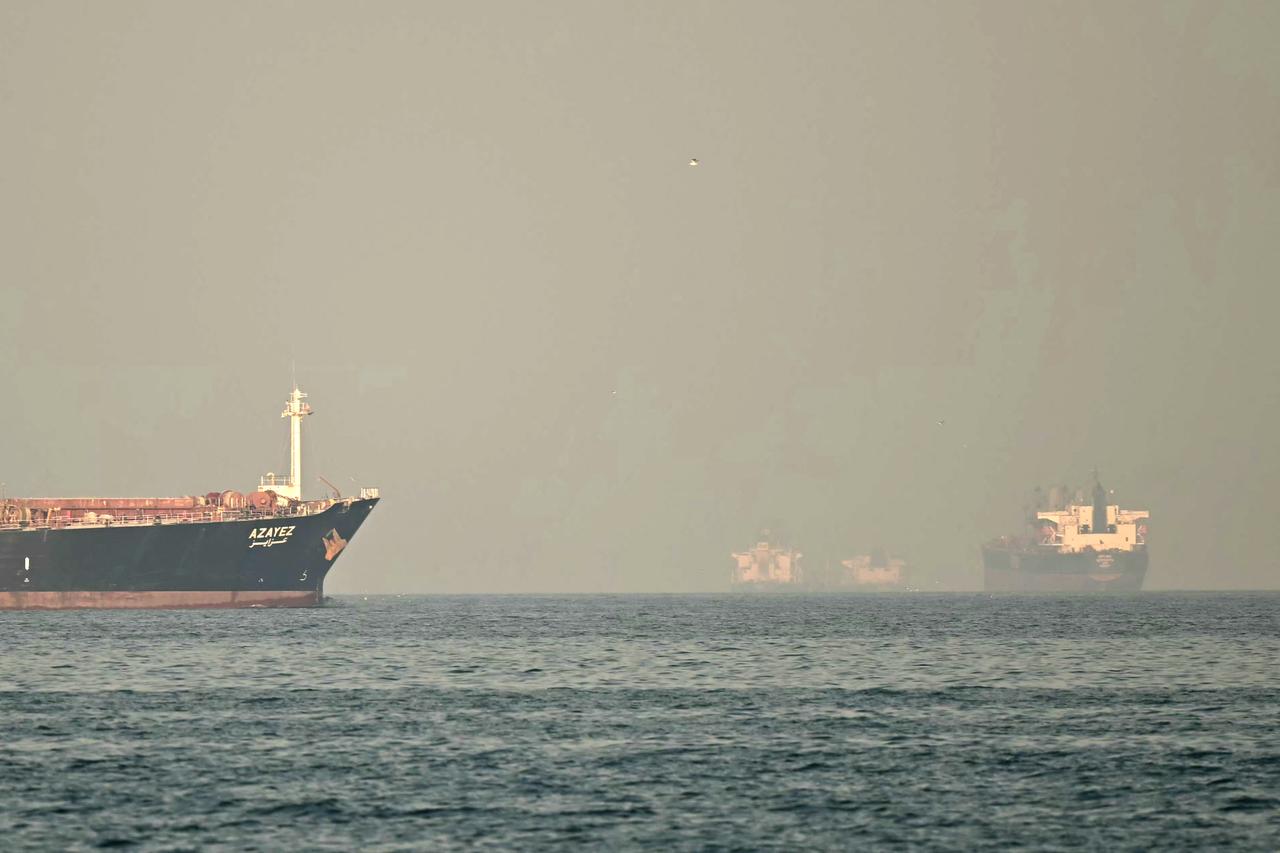


Iran’s foreign minister said Friday that the Strait of Hormuz will remain fully open to commercial vessels for the duration of the ongoing ceasefire.
Abbas Araghchi said the move comes in line with the ceasefire in Lebanon.
“In line with the ceasefire in Lebanon, the passage for all commercial vessels through Strait of Hormuz is declared completely open for the remaining period of ceasefire, on the coordinated route as already announced by Ports and Maritime Organisation of the Islamic Rep. of Iran,” he wrote on X.
However, it was not immediately clear whether Araghchi was referring to the 10-day ceasefire between Israel and Lebanon that took effect at midnight, or the earlier two-week truce between Iran and the United States that began April 8.
U.S. President Donald Trump welcomed the statement.
“Iran has just announced that the strait of Iran is fully open and ready for full passage. Thank you!” he wrote on Truth Social.
Trump also said the U.S. naval blockade of Iranian ports would remain in place until a peace deal with Tehran, despite Iranian authorities saying they had reopened the Strait of Hormuz.
"The naval blockade will remain in full force and effect as it pertains to Iran, only, until such time as our transaction with Iran is 100% complete," Trump wrote in a different post on his Truth Social network, adding that "this process should go very quickly."
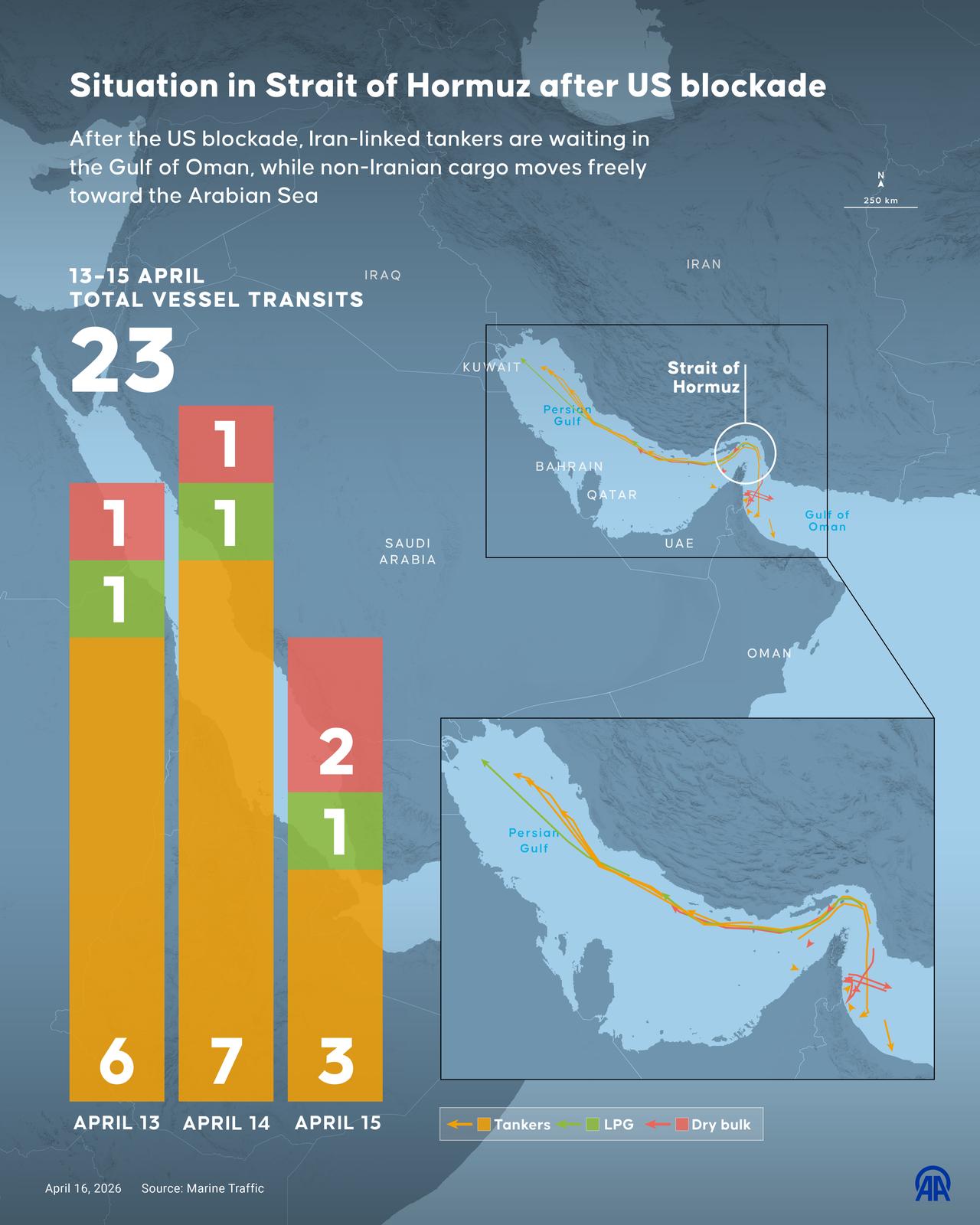
Traffic through the strait has remained extremely thin since U.S.-Israeli strikes on Iran began Feb. 28, with daily transits largely in single digits aside from a brief uptick over the weekend.
Since the start of the war, Iran had restricted passage for vessels linked to the United States, Israel and their allies before a temporary ceasefire took effect on April 8.

The announcement comes amid differing interpretations over whether ceasefire arrangements extend to Lebanon.
Pakistani Prime Minister Shehbaz Sharif, who mediated the April 8 truce between Washington and Tehran, said the agreement also covered Lebanon.
However, the U.S. administration has said Israel’s operations in Lebanon were not part of the ceasefire.
Iranian officials, for their part, insist the agreement includes a halt to all regional conflicts, including Lebanon, and have linked ongoing talks with Washington to a ceasefire there.
A day earlier, Trump said Israel and Lebanon had agreed to a 10-day ceasefire.
Israeli Prime Minister Benjamin Netanyahu said Israel had accepted the truce but would continue to maintain positions in southern Lebanon.


 Set as preferred source
 Set as preferred source


 1 min read
 1 min read