Newsletters


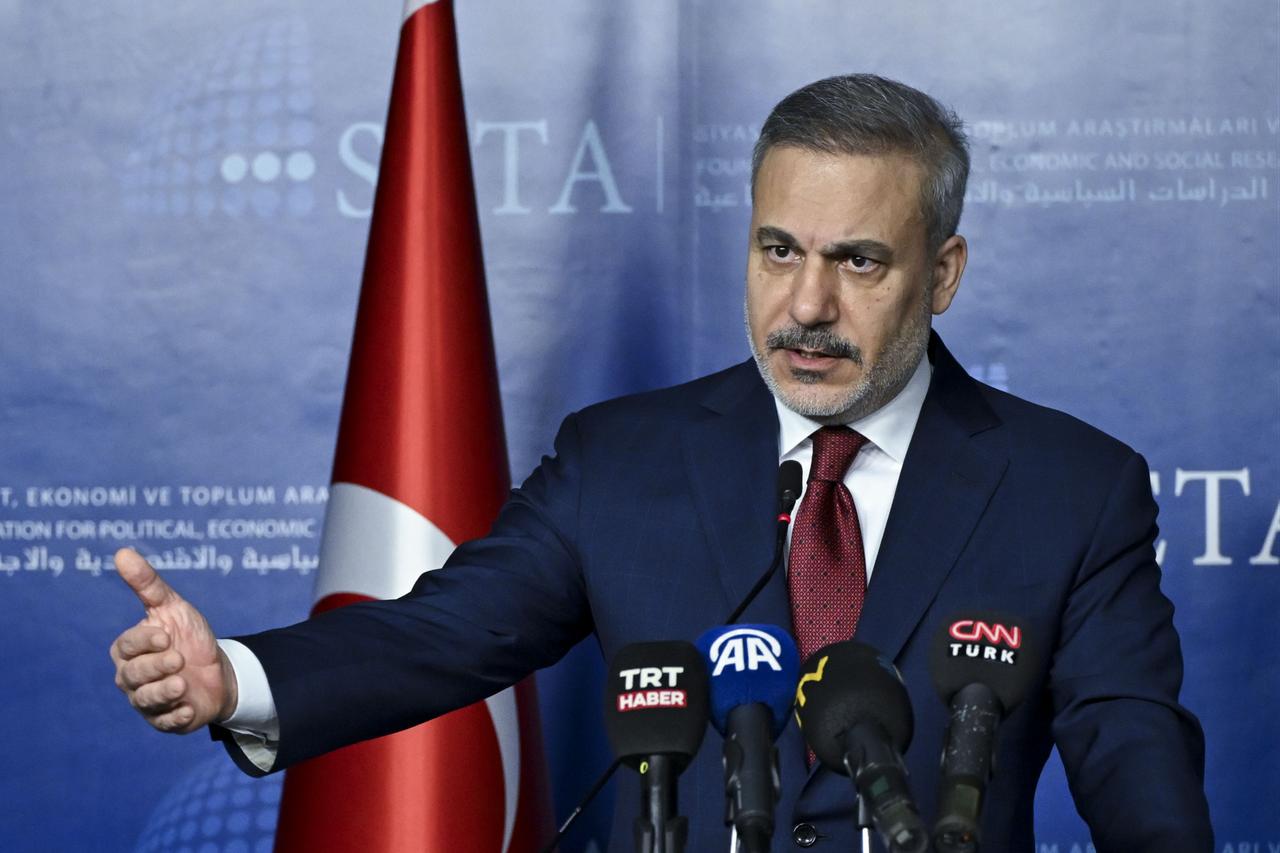


Foreign Minister Hakan Fidan said Wednesday that Dec. 8 represents “a new day, a new hope and a new beginning” for the Syrian people, stressing that a government willing to assume responsibility for its own societal challenges would be “a significant gain” for the region and the international community.
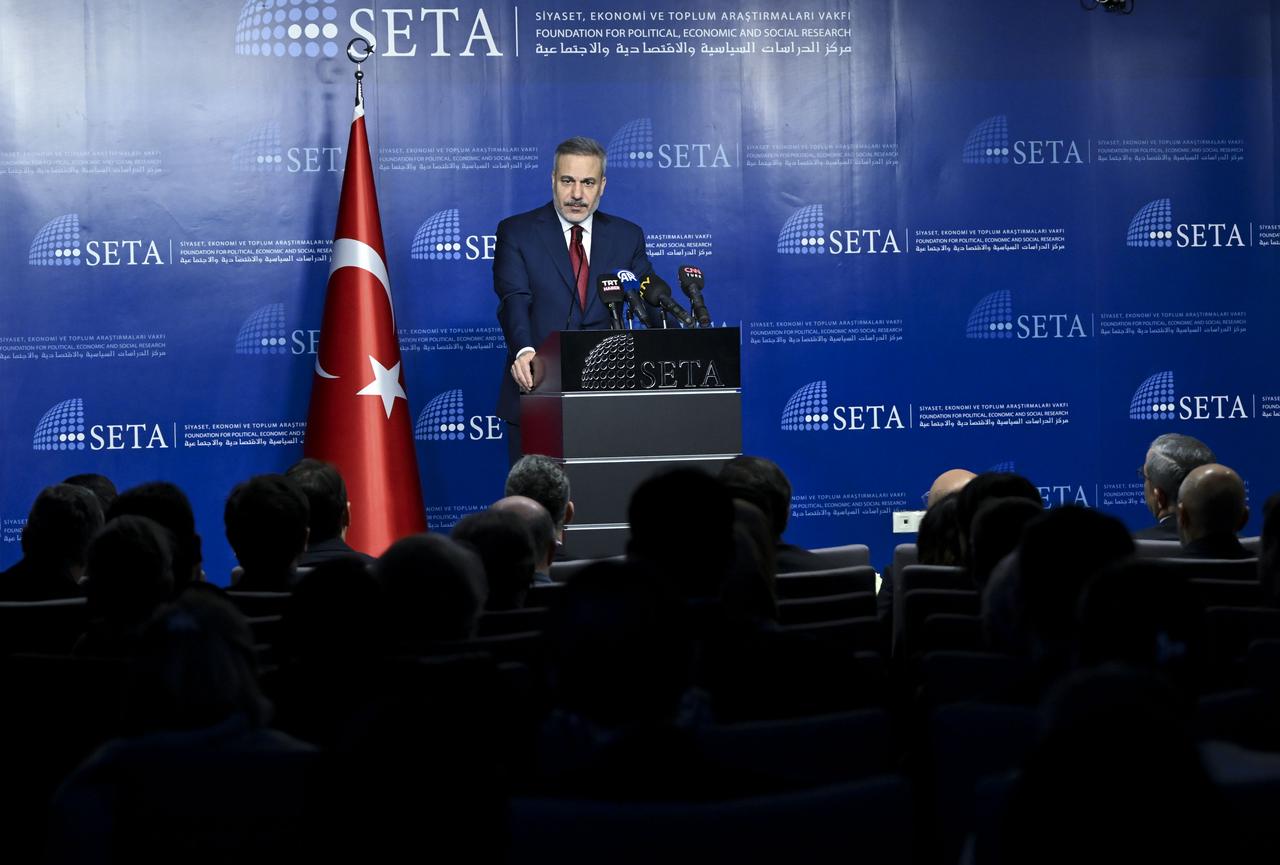
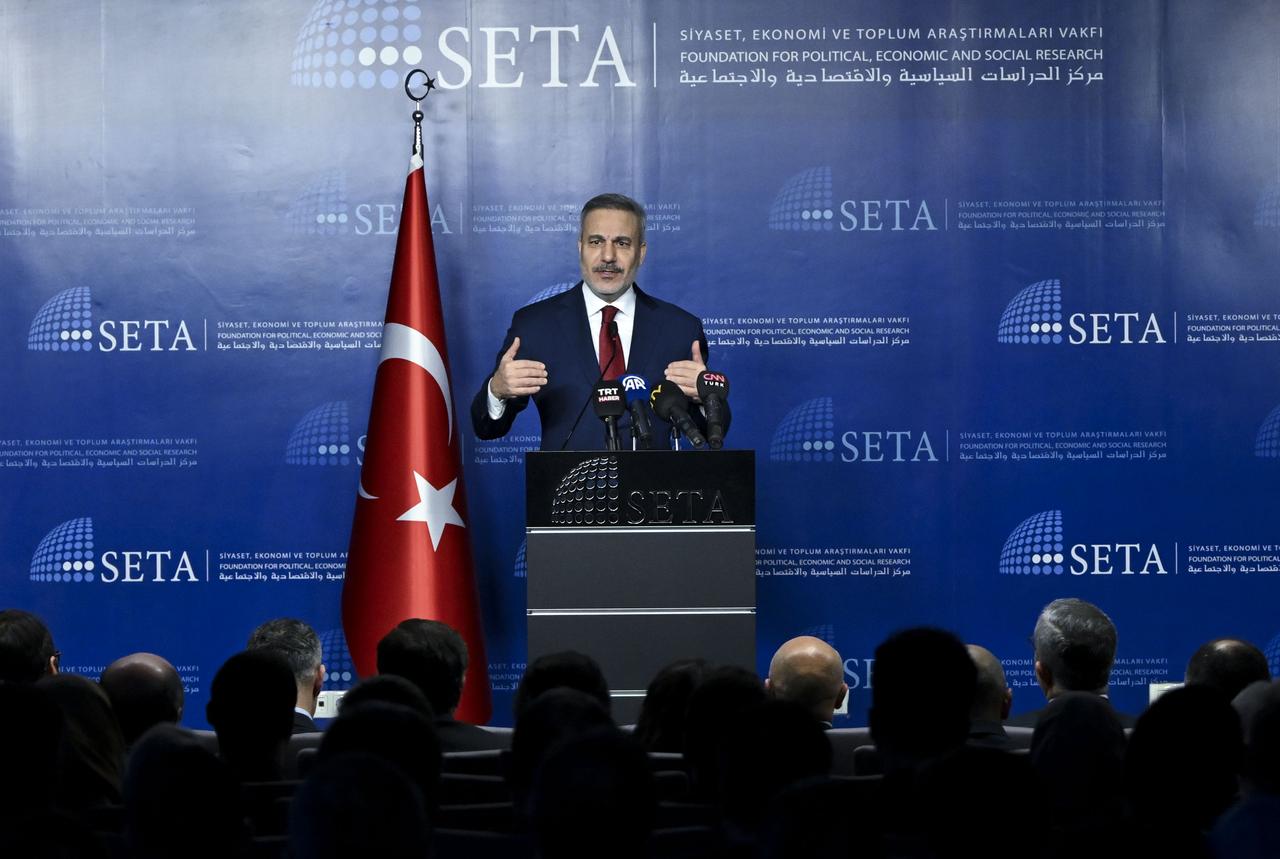
Fidan delivered opening remarks at the panel “One Year On: Syria’s Recovery and Reconstruction” hosted by the Foundation for Political, Economic and Social Research (SETA) in Ankara.
Fidan said Türkiye's approach is rooted in a simple principle: “Syria belongs to Syrians.”
Recalling centuries of shared history, he said sociological, geographic and cultural realities make Syria a central priority for Türkiye.
He argued that the Syrian crisis began as a result of the Assad regime’s minority-based and repressive rule, triggering the humanitarian disaster that followed.
Fidan said Türkiye stood with the Syrian people during the uprising, describing Ankara’s open-door policy as a moral and historical responsibility despite political costs.
“Those fleeing oppression and war found refuge in Türkiye,” he noted, calling it an unprecedented act of solidarity.

Fidan said Türkiye launched the Astana Process with Russia and Iran to halt fighting and prevent further humanitarian collapse.
He described Astana as an example of effective crisis diplomacy, noting that coordination between President Recep Tayyip Erdogan and Russian President Vladimir Putin played a decisive role in reducing violence and preventing new refugee waves.
Stopping the conflict exposed the underlying weaknesses of the Syrian regime, Fidan said, arguing that the absence of war revealed “a decaying system with no infrastructure, no economy and no population.”
Fidan said Dec. 8 marked the start of a new political phase in Syria, though not an immediate solution to all problems.
He highlighted his recent meetings with regional counterparts, adding that expectations for the new administration are clear: responsibility, cooperation, and regional ownership.
He stressed that regional problems must be solved with regional leadership, and that the new Syrian administration’s engagement with both neighbors and the international community has already eased tensions.
Fidan said rebuilding Syria will require major international support.
Current estimates place the cost of restoring infrastructure and returning life to normal at $216 billion.
Fidan said political stability is impossible while multiple armed groups operate independently.
“All armed groups joining under a single national army is crucial,” he said, adding that armed actors who fought the regime are now uniting under the new administration.
He warned that countries or factions hoping for renewed chaos were disappointed as the new system gained acceptance, though attempts to destabilize the process persist.
Addressing the future of the YPG, Fidan was direct:
“The YPG must see this clearly: no country in the world has two armed forces. Armed elements must operate under the command of the Syrian state.”
He said Türkiye supports advancing dialogue to avoid new confrontation, warning that any dual-armed structure is unacceptable.
Fidan said Israel's policies contribute to instability, arguing that genuine security cannot be built on the insecurity of others.
He compared the Assad regime’s past brutality to Israeli actions in Gaza.
He called on Israel to abandon its refusal of Palestinian statehood and implement the agreed peace frameworks.
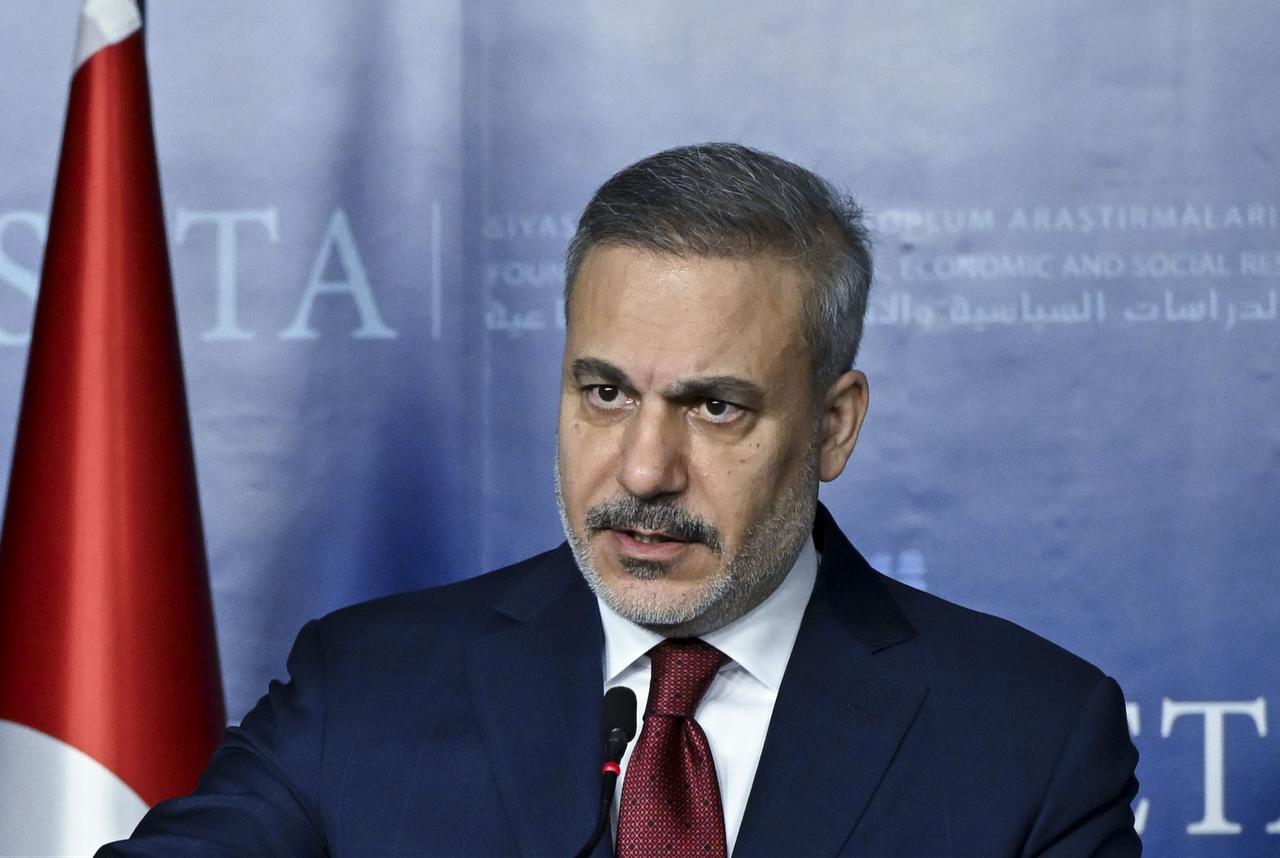
Fidan said Türkiye, Syria and the United States remain in close contact.
He thanked President Donald Trump for supporting the idea of giving Syria’s new administration a chance, describing Washington’s stance as constructive.
He said Türkiye will not tolerate Syria becoming a new zone of chaos, citing the high cost Türkiye paid for instability in Iraq and Syria over the past decades.
Fidan concluded by reaffirming Türkiye's commitment to a comprehensive, structured Syria strategy focused on stability, unity and regional coordination.
“Türkiye has learned hard lessons from the past 25–30 years,” he said.
“Our Syria policy will now continue more systematically and consistently.”


 Set as preferred source
 Set as preferred source


 2 min read