Newsletters


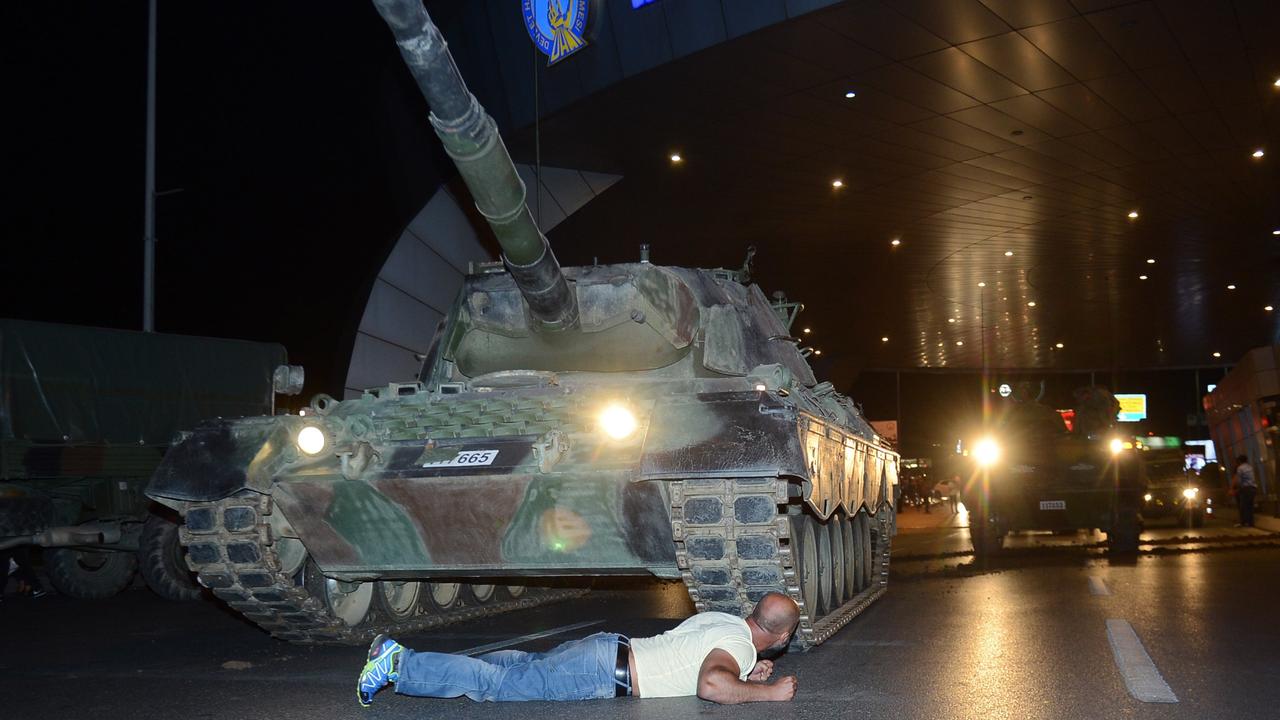
Ten years after the failed military takeover of July 15, 2016, Türkiye remembers a night in which tanks, fighter jets and military helicopters were deployed against state institutions, security forces and civilians.
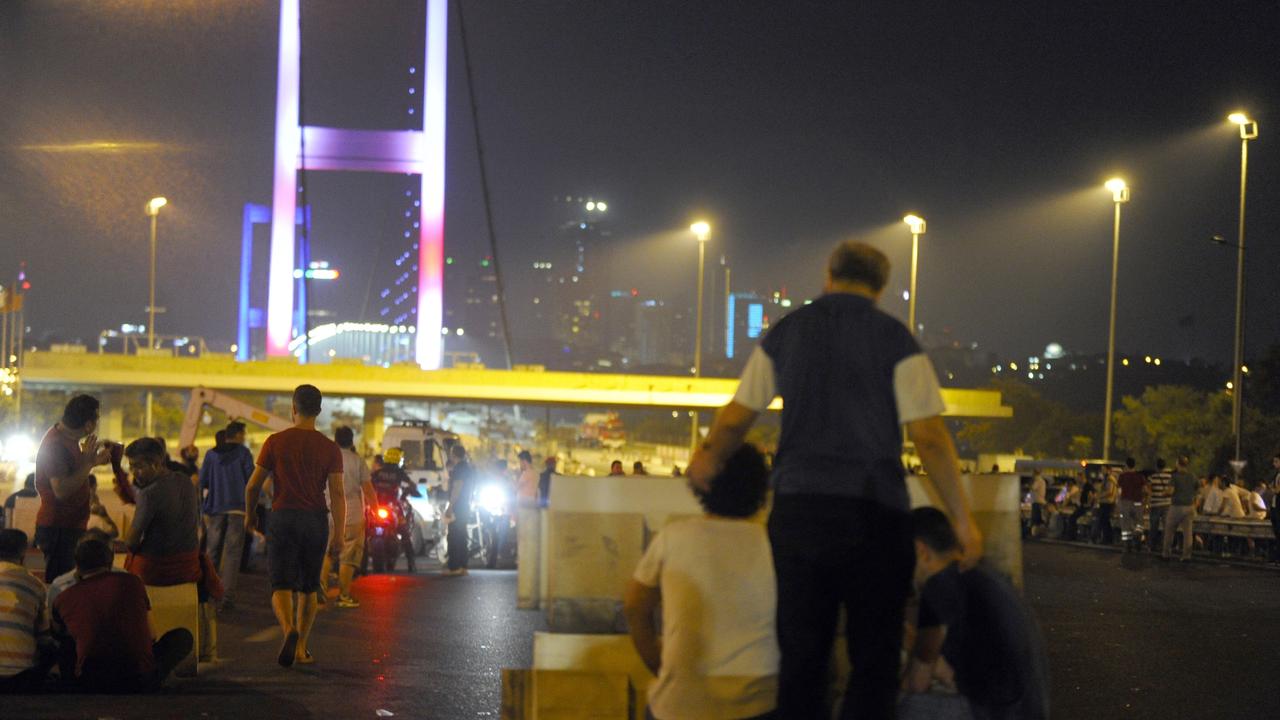
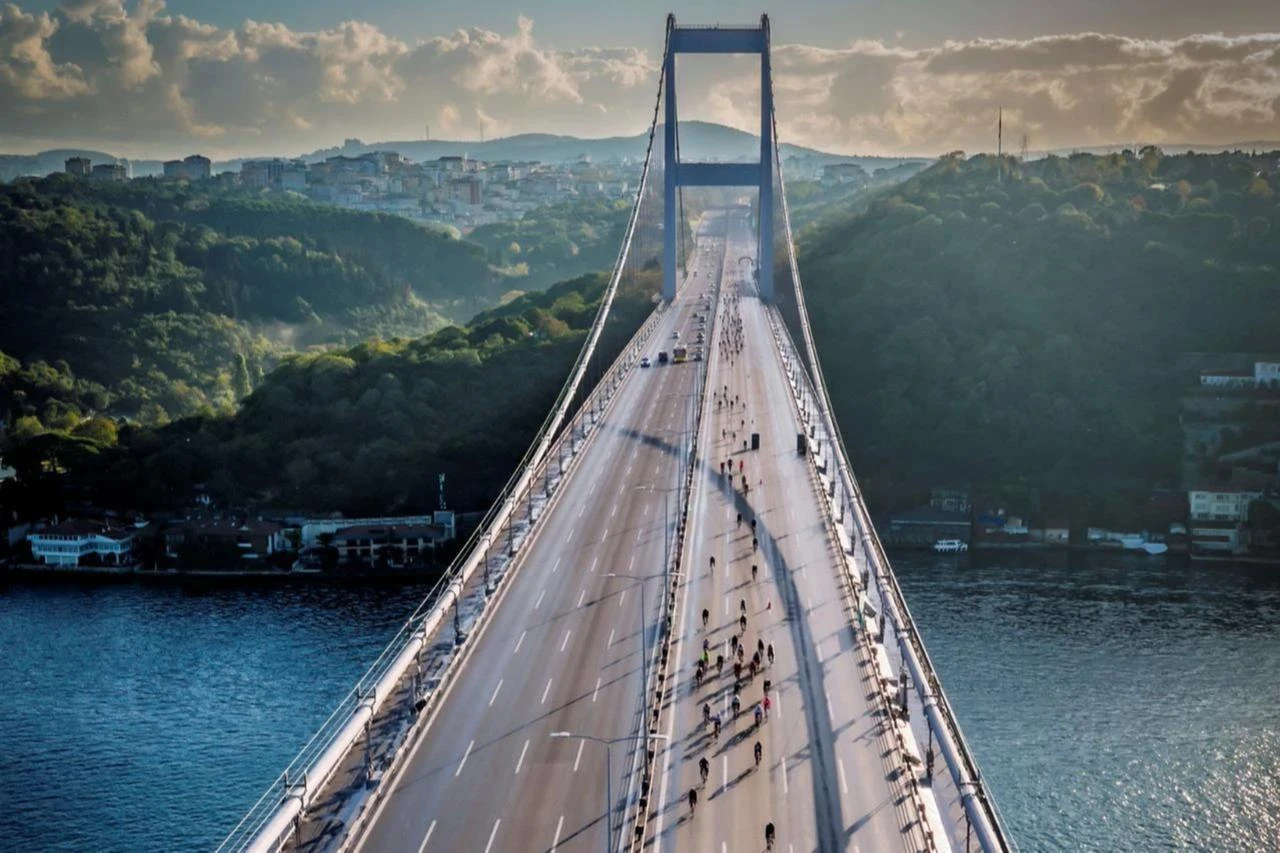
Soldiers, who were members of the FETO terrorist organization, blocked Istanbul's Bosphorus and Fatih Sultan Mehmet bridges as the coup attempt began.
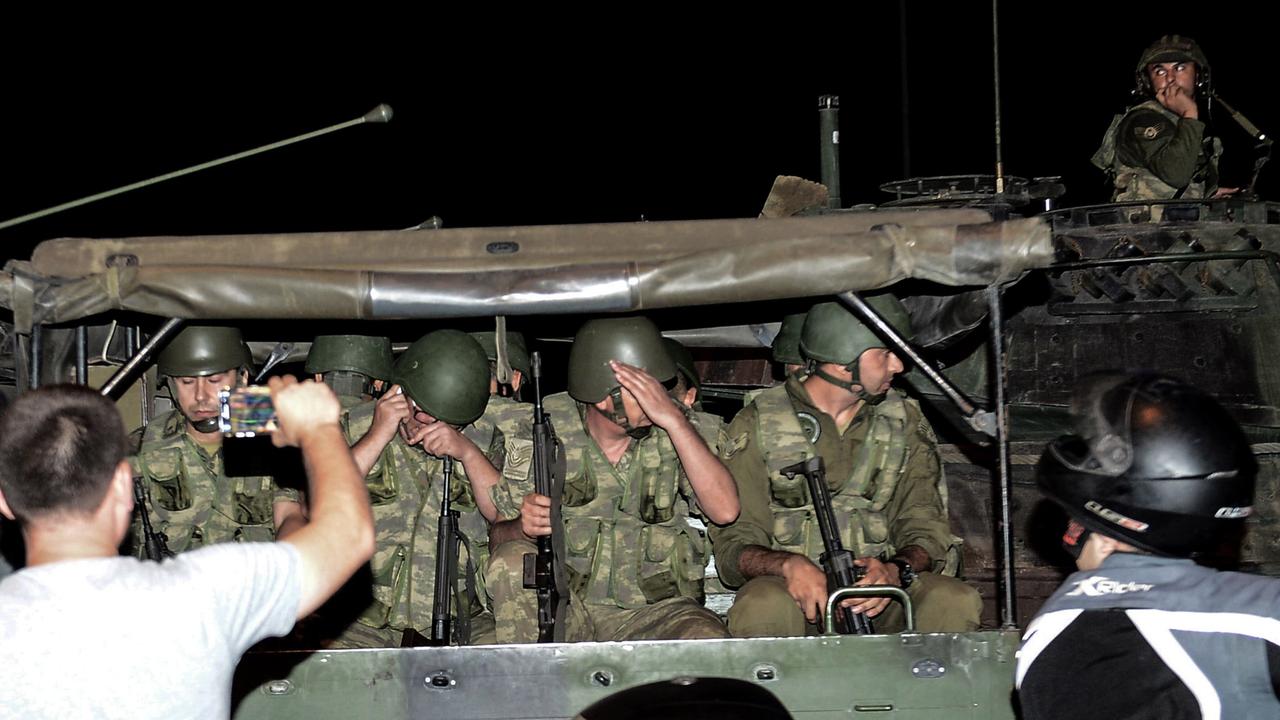
The closures were among the first visible signs that an illegal military takeover was unfolding, prompting civilians to move toward the occupied areas.
Fighter jets repeatedly flew at low altitude over Ankara while military units attempted to seize strategic institutions.
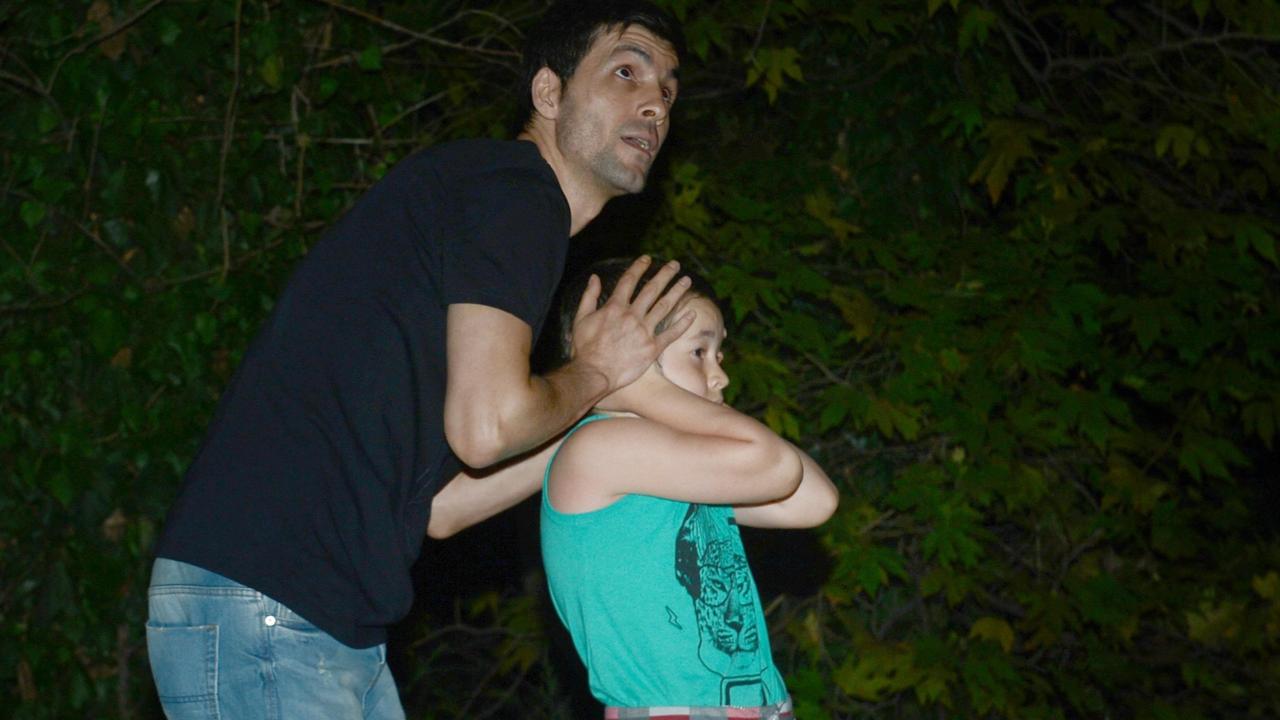
The roar of the aircraft sent residents to their windows and television screens as they tried to understand what was happening.
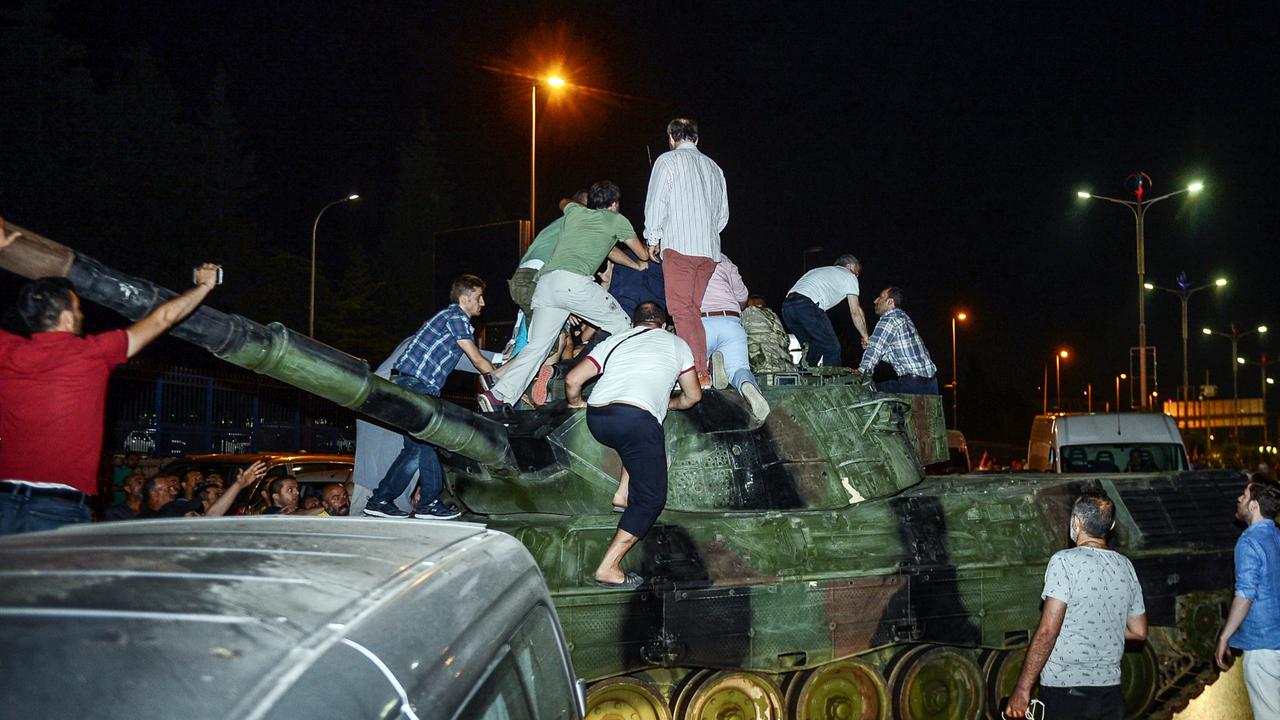
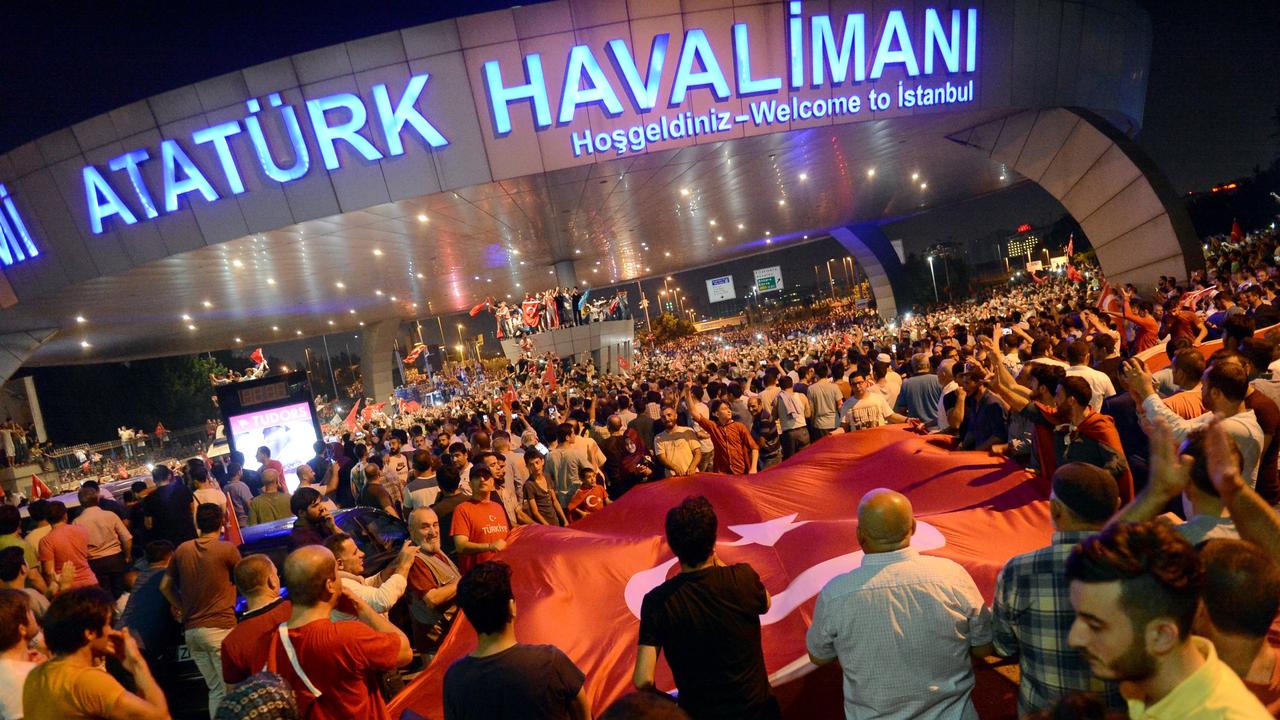
At 12:24 a.m., President Recep Tayyip Erdogan appeared on CNN Turk through a video call and urged citizens to gather in public squares and outside airports.
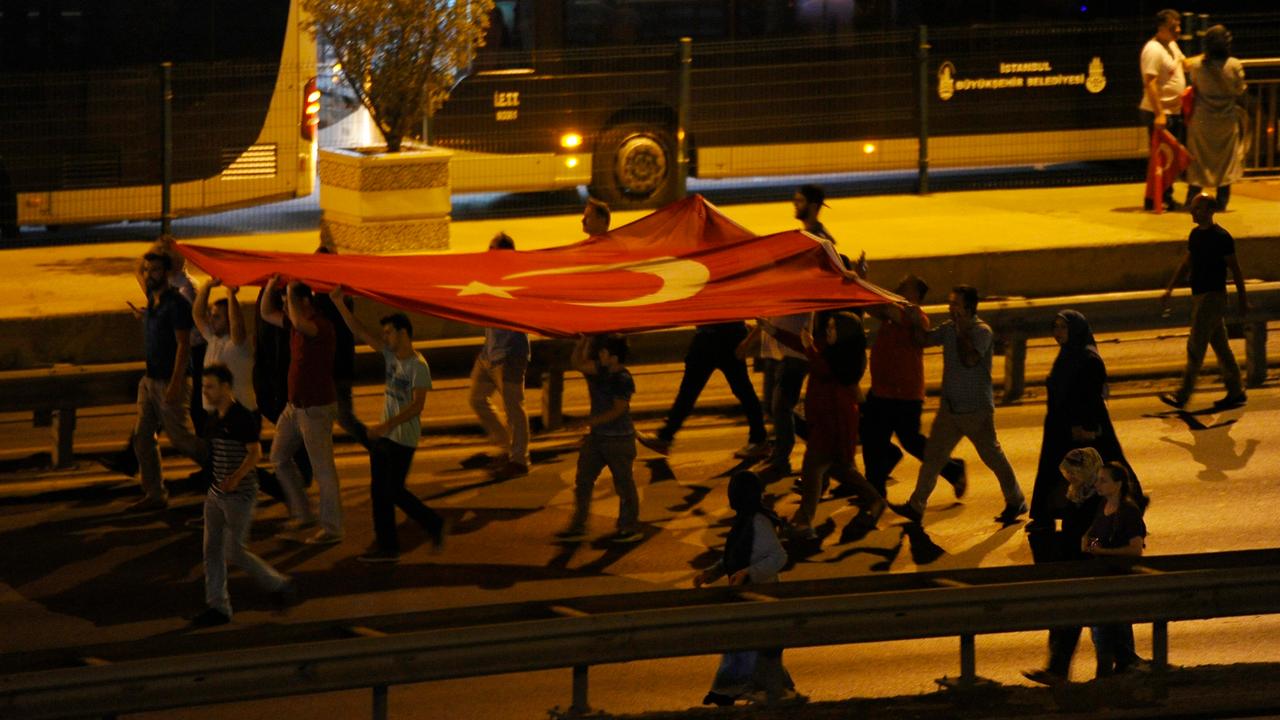
The appeal became one of the defining moments of the night as crowds moved toward military positions and government buildings.
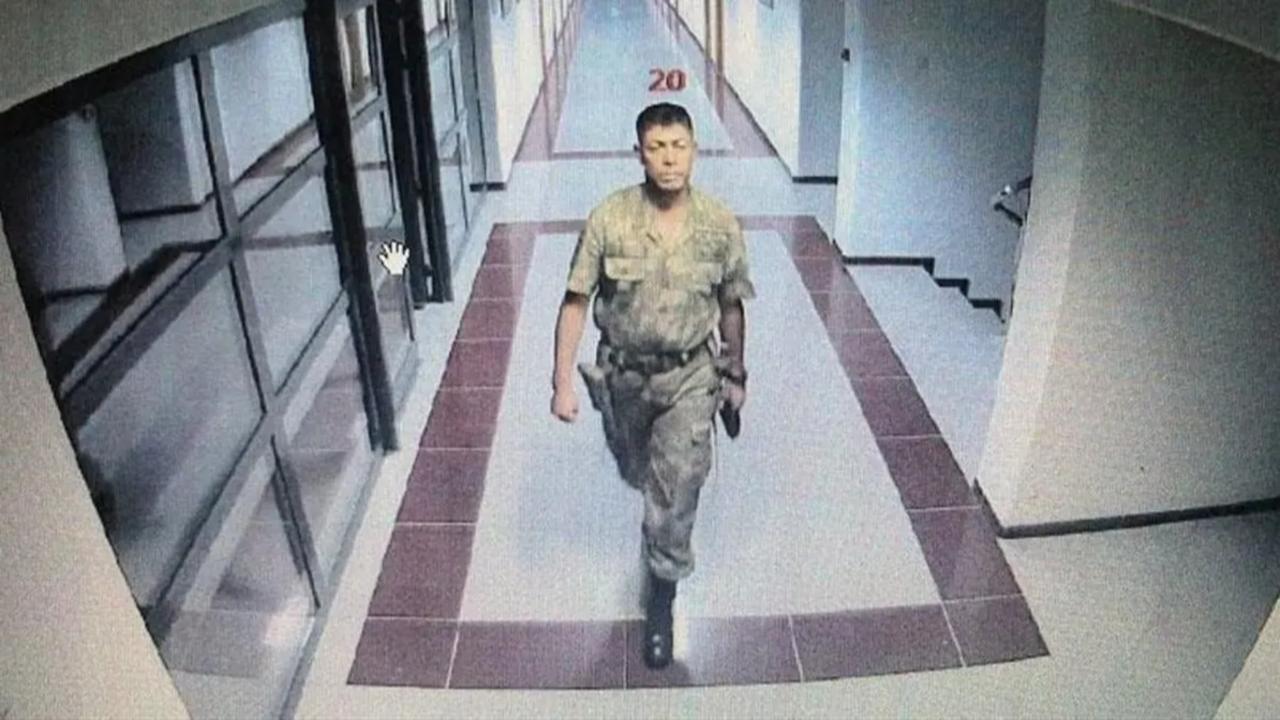
At the Special Forces Command in Ankara, officer Omer Halisdemir shot Brig. Gen. Semih Terzi, who had arrived with troops to seize the facility. Halisdemir was killed by soldiers accompanying Terzi, but his intervention prevented coup forces from taking control of the command.
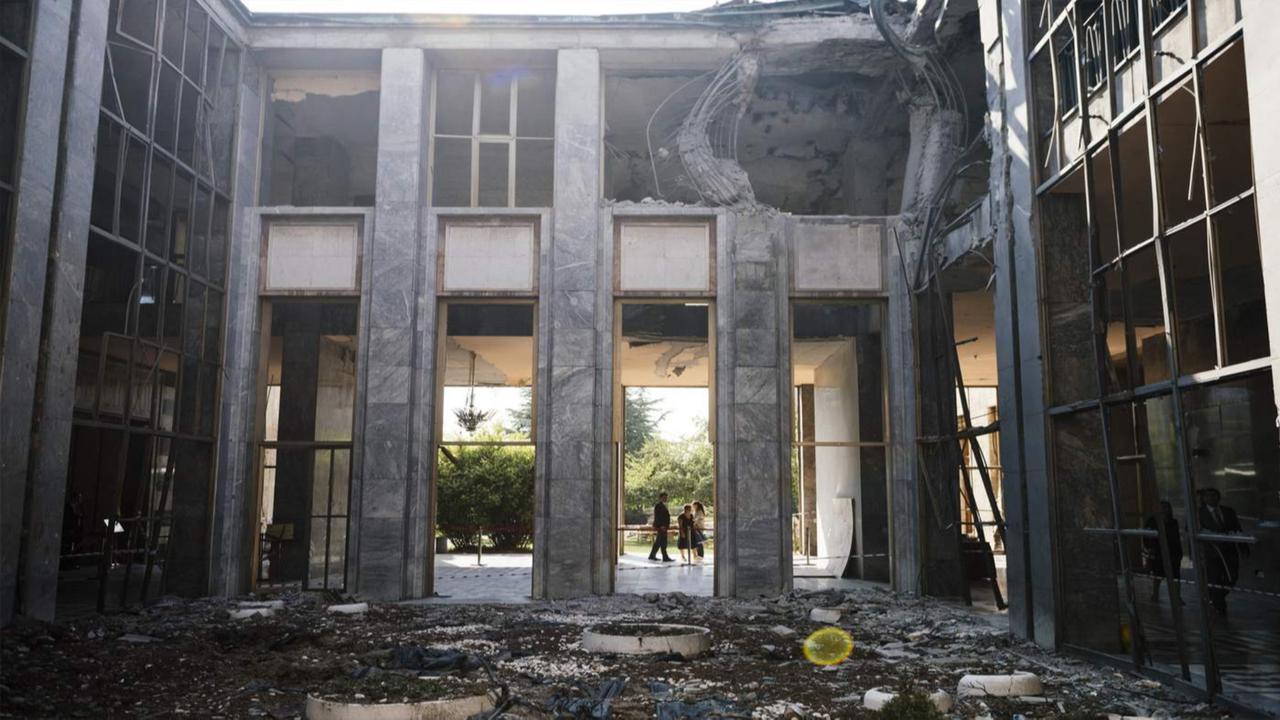
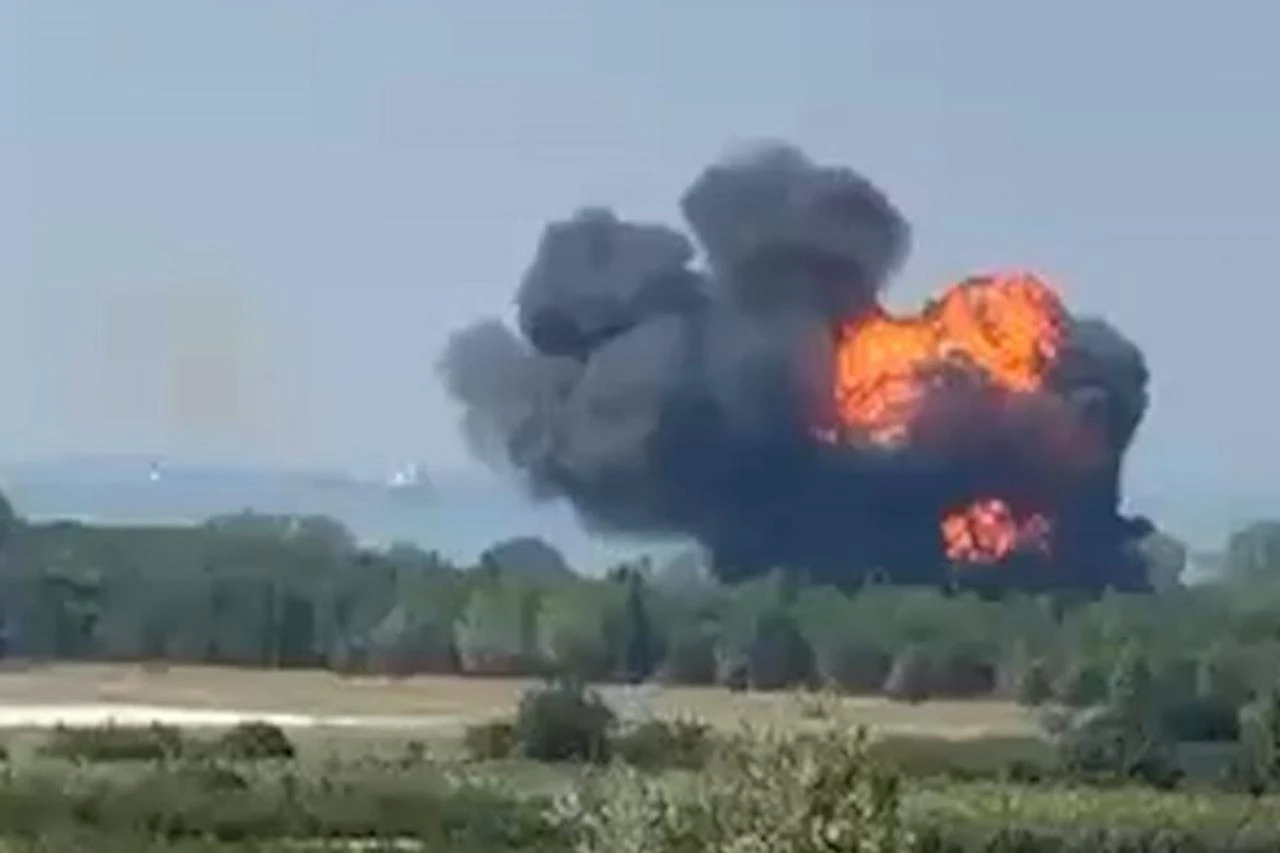
F-16 fighter jets bombed the Turkish Parliament while lawmakers from the governing and opposition parties were gathered inside.
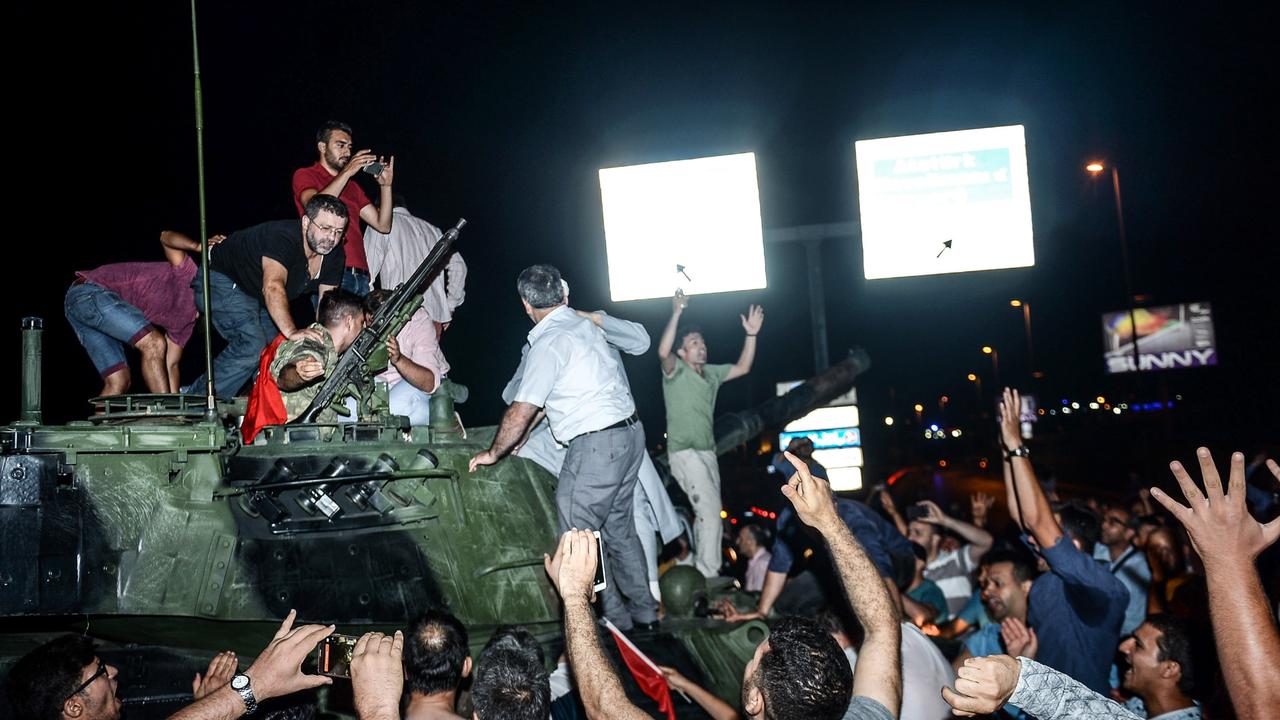
After the General Assembly hall filled with dust, the lawmakers moved to an underground shelter and continued preparing a joint declaration against the coup.
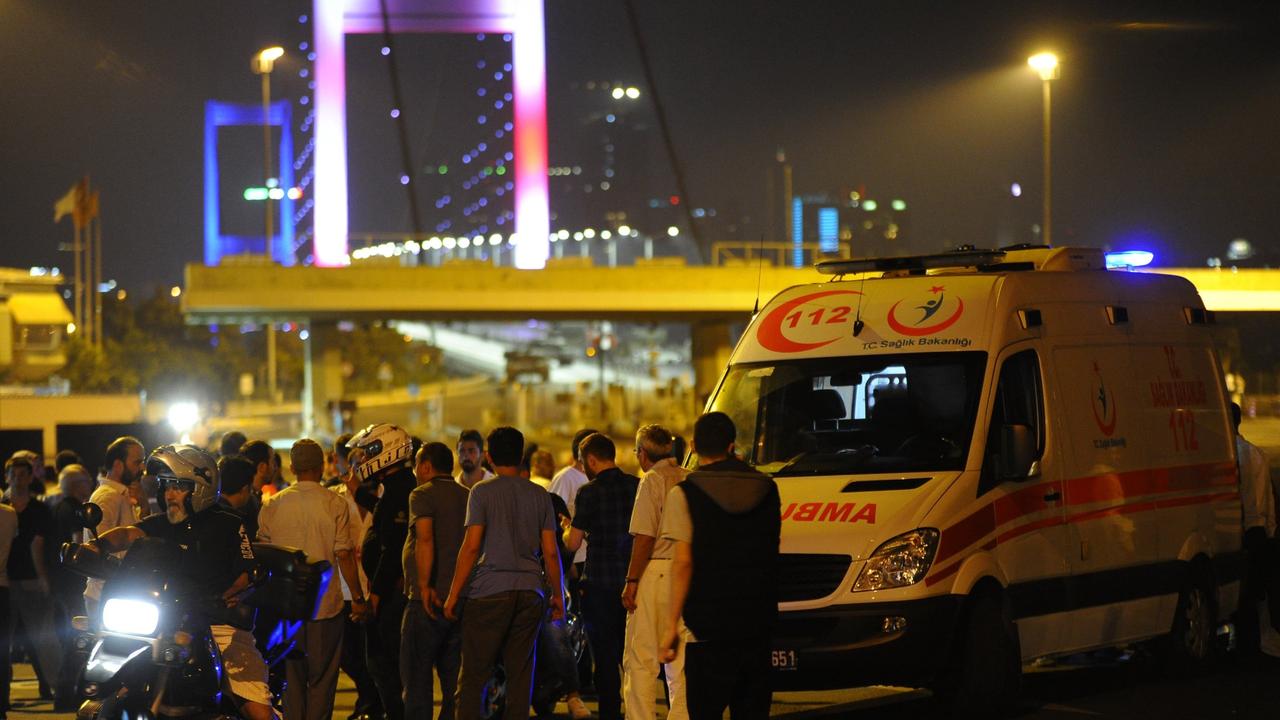
The attempt began to collapse by morning as soldiers occupying the Bosphorus Bridge surrendered and senior commanders were freed.
At 12:57 p.m. on July 16, then-Prime Minister Binali Yildirim announced that the coup had been brought under control after approximately 21 hours.
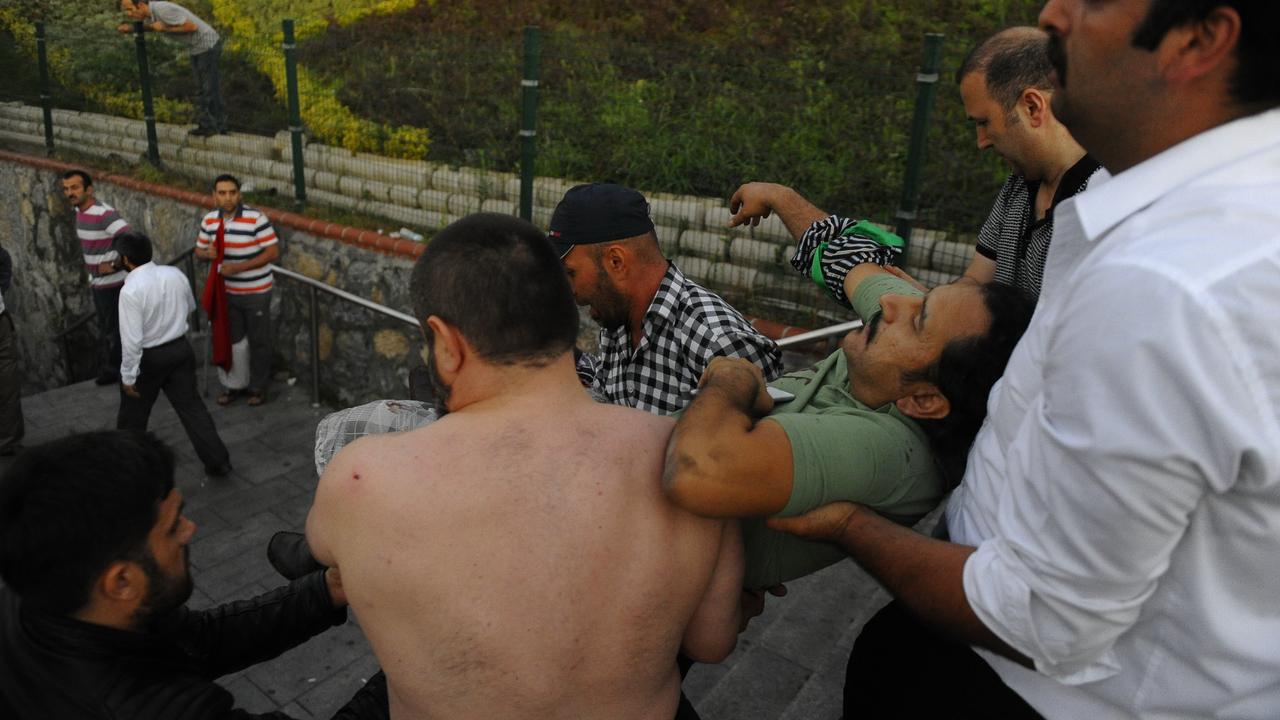
The coup attempt killed 253 people and injured more than 2,000, according to Turkish authorities.
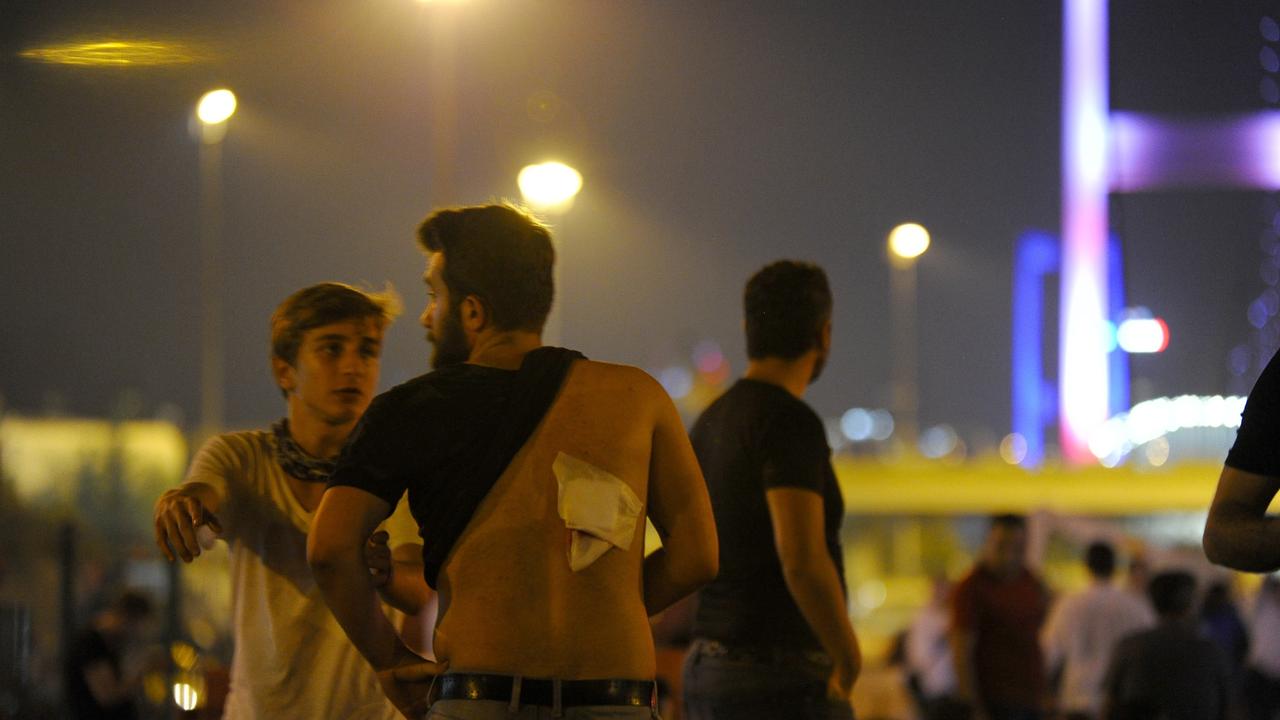
Some survivors continue to live with bullets that doctors consider too dangerous to remove, while bomb damage at Parliament and memorials across the country preserve the memory of the night.


 Set as preferred source

 1 min read