Newsletters


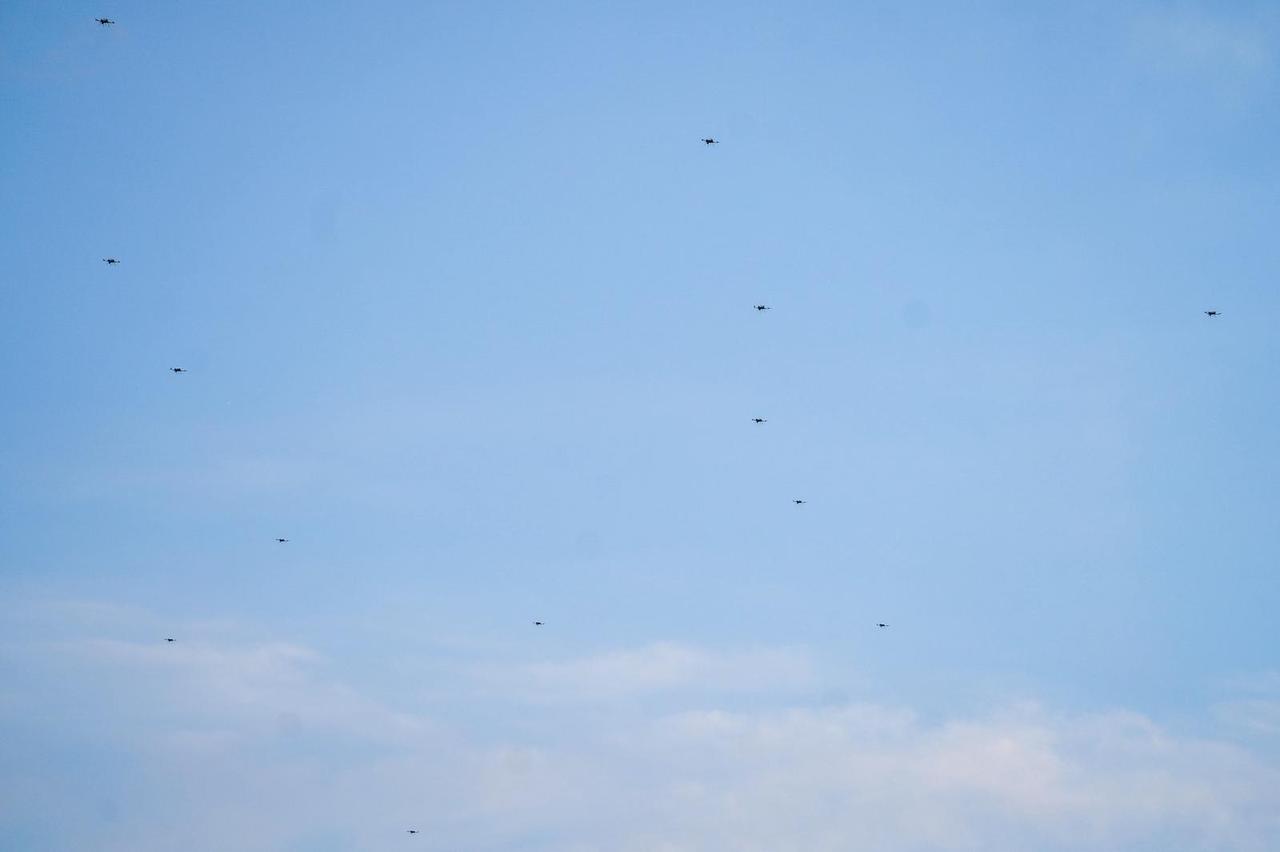
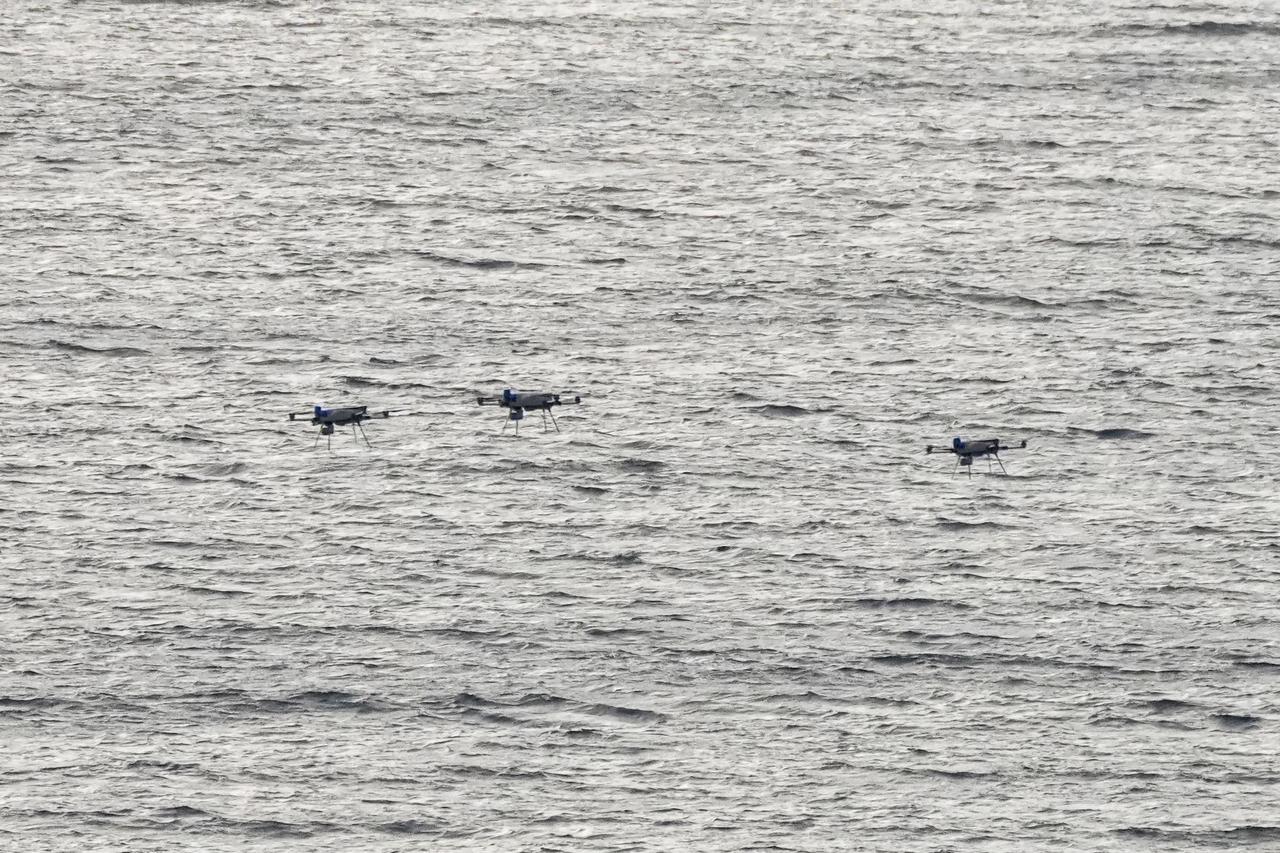
A swarm of 20 autonomous Kargu loitering munitions executed the world's first live-fire swarm drone attack within a military exercise scenario at EFES-2026 on May 20, controlled by a single operator and guided entirely by domestically developed algorithms.
The operation marks the first time sub-cloud unmanned aerial vehicles have conducted a live-ammunition swarm attack within a military exercise scenario anywhere in the world, according to STM.
The 20 Kargu units, powered by fully indigenous algorithms and a distributed swarm intelligence architecture, took off autonomously, navigated to the mission area, and conducted a synchronized saturation attack, detonating their anti-personnel warheads on targets after autonomously detecting, classifying, and coordinating against them.
Inter-UAV communication allowed real-time target sharing across the swarm throughout the operation.
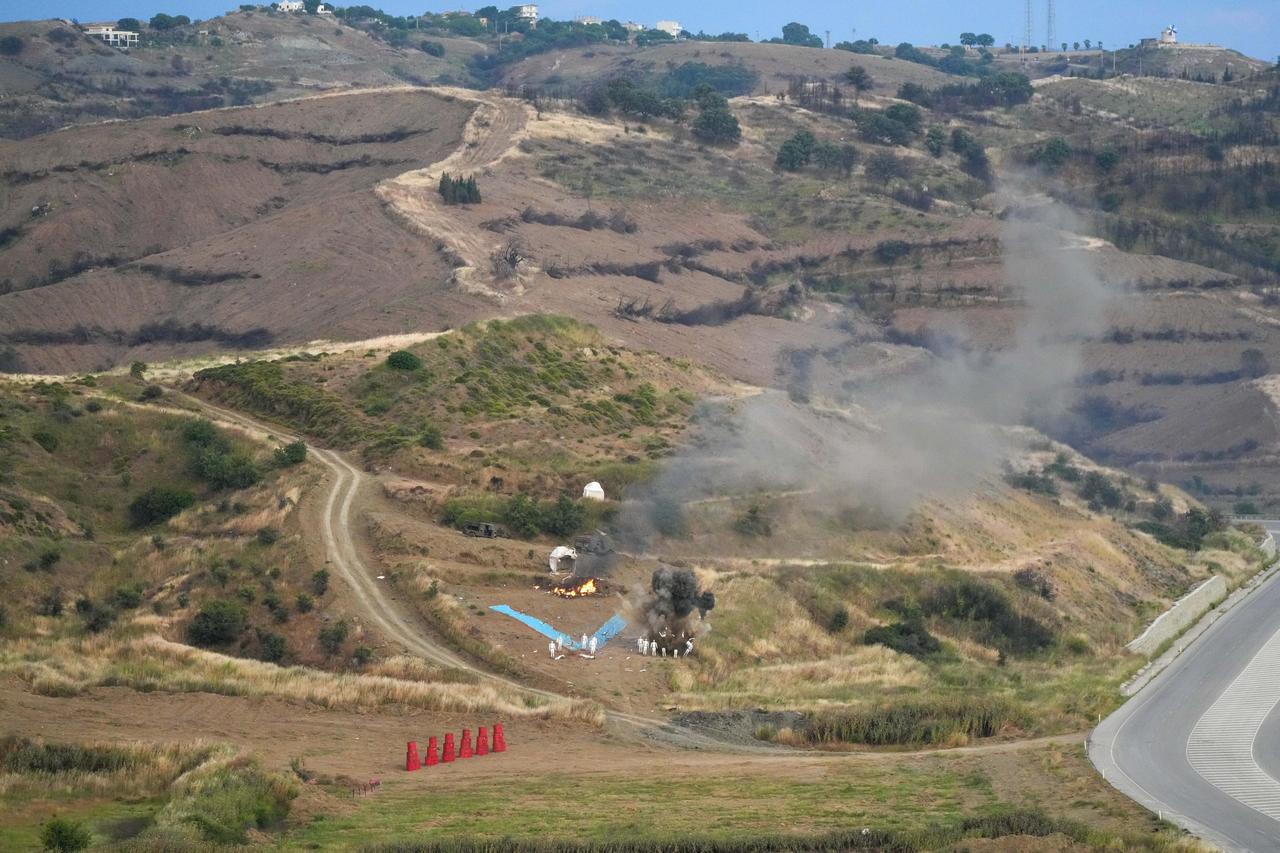
The operation was observed on-site by Defense Minister Yasar Guler, Chief of the Turkish General Staff Gen. Selcuk Bayraktaroglu, force commanders, and senior military delegations from multiple countries, who were attending the EFES-2026 Distinguished Observer Day at the Doganbey Exercise Area in Seferihisar, Izmir.
STM General Manager Ozgur Guleryuz said the achievement demonstrated Türkiye had moved beyond following global developments in swarm intelligence to actively shaping the field.
"Following the successful field tests we conducted in Ankara in January 2026, we have now taken this capability one step further at EFES-2026, Türkiye's most prestigious military exercise, and achieved a world first in defense history," Guleryuz said.
"The fully autonomous destruction of targets by our swarm consisting of 20 Kargu systems is a source of pride not only for STM but also for the entire Turkish defense industry," he added.
"Through this operation, we have demonstrated that Türkiye is not merely following global developments in swarm intelligence and autonomous systems, but is becoming one of the nations shaping the standards in this field," Guleryuz said.

The swarm system does not rely on a central control unit.
Each Kargu unit independently makes mission decisions through STM's distributed swarm intelligence architecture, ensuring mission continuity even if one or more platforms are lost during an operation.
The system operates under a saturation attack concept, enabling multiple units to simultaneously navigate toward target areas, overwhelm defenses and neutralize them.
UAVs equipped with anti-personnel or armor-piercing warheads can autonomously distinguish between personnel and vehicle targets and engage accordingly, STM said.
Kargu entered the inventory of the Turkish Armed Forces (TAF) in 2018 and is currently operated by 15 countries across four continents.
The system has a low radar cross-section, can be carried by a single soldier and deployed within one minute, operates day and night effectively through electro-optical and infrared cameras, has an endurance of more than 30 minutes, and an operational range of 10 kilometers. It can operate independently of satellite navigation in electronic warfare environments using STM-developed software.
Alongside the swarm demonstration, STM participated in EFES-2026 with multiple naval platforms, including vessels from the MILGEM Ada-Class Corvette Project, submarines modernized with indigenous systems, and an autonomous underwater vehicle, the STM NETA 300.
At the defense industry exhibition held within the exercise, STM displayed the national frigate TCG Istanbul, for which it serves as main contractor, Türkiye's first national fast attack craft, and a logistics support vessel.
New unmanned systems unveiled at SAHA EXPO 2026 earlier this month were also exhibited, including the Kuzgun long-range kamikaze UAV with a range exceeding 1,000 kilometers, the Tunga-X high-speed drone interceptor capable of reaching 300 kilometers per hour to neutralize hostile loitering munitions, the Togan tactical reconnaissance UAV, and the KarguFPV kamikaze drone.
The EFES-2026 exercise, held from April 20 to May 21, involved more than 10,000 Turkish personnel and 1,305 personnel from 50 allied and friendly nations, making it one of the largest exercises conducted by any NATO member state.


 Set as preferred source
 Set as preferred source


 4 min read