Newsletters




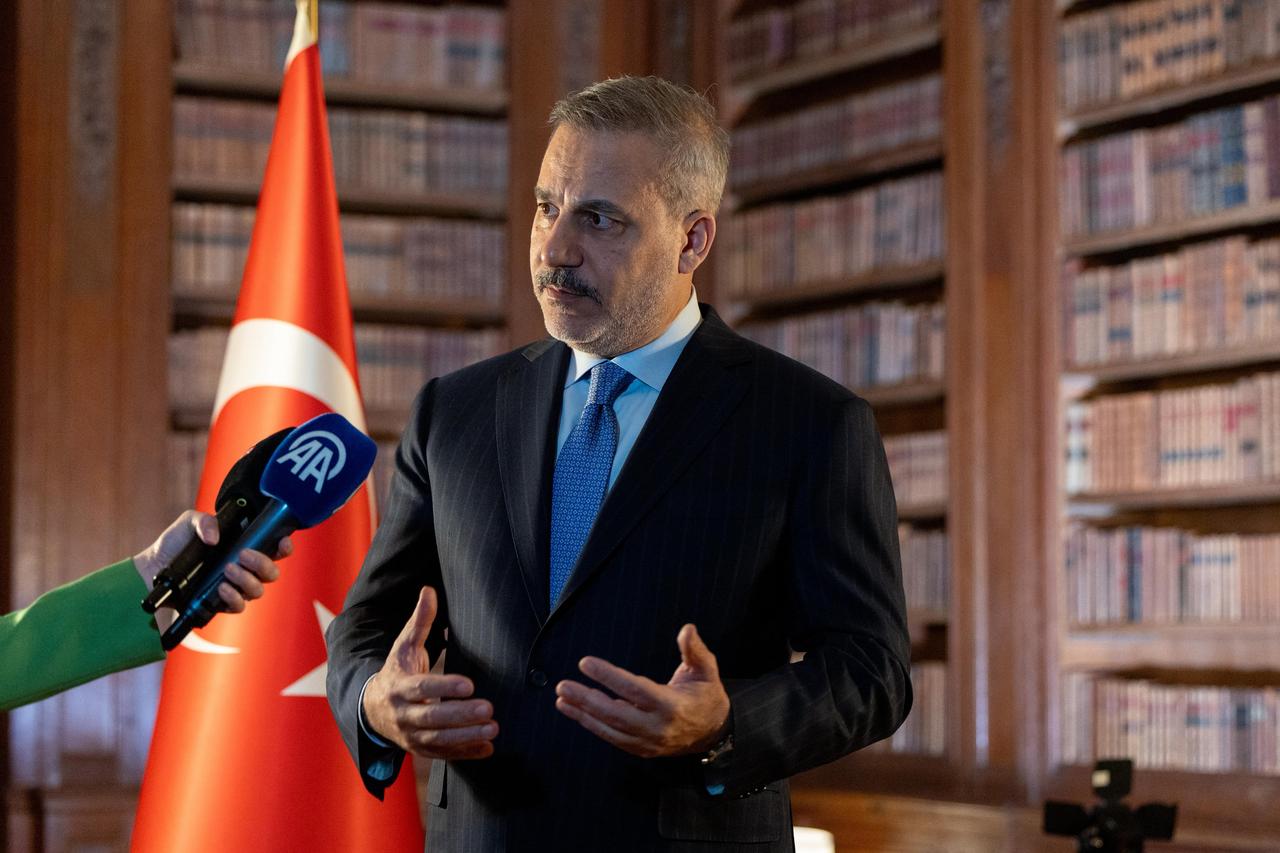
Foreign Minister Hakan Fidan said on Tuesday he believes the world is closer to achieving a lasting peace in Ukraine than at any point during the nearly four-year conflict, with Türkiye positioning itself to assume a leading role in Black Sea security as part of any ceasefire arrangement.
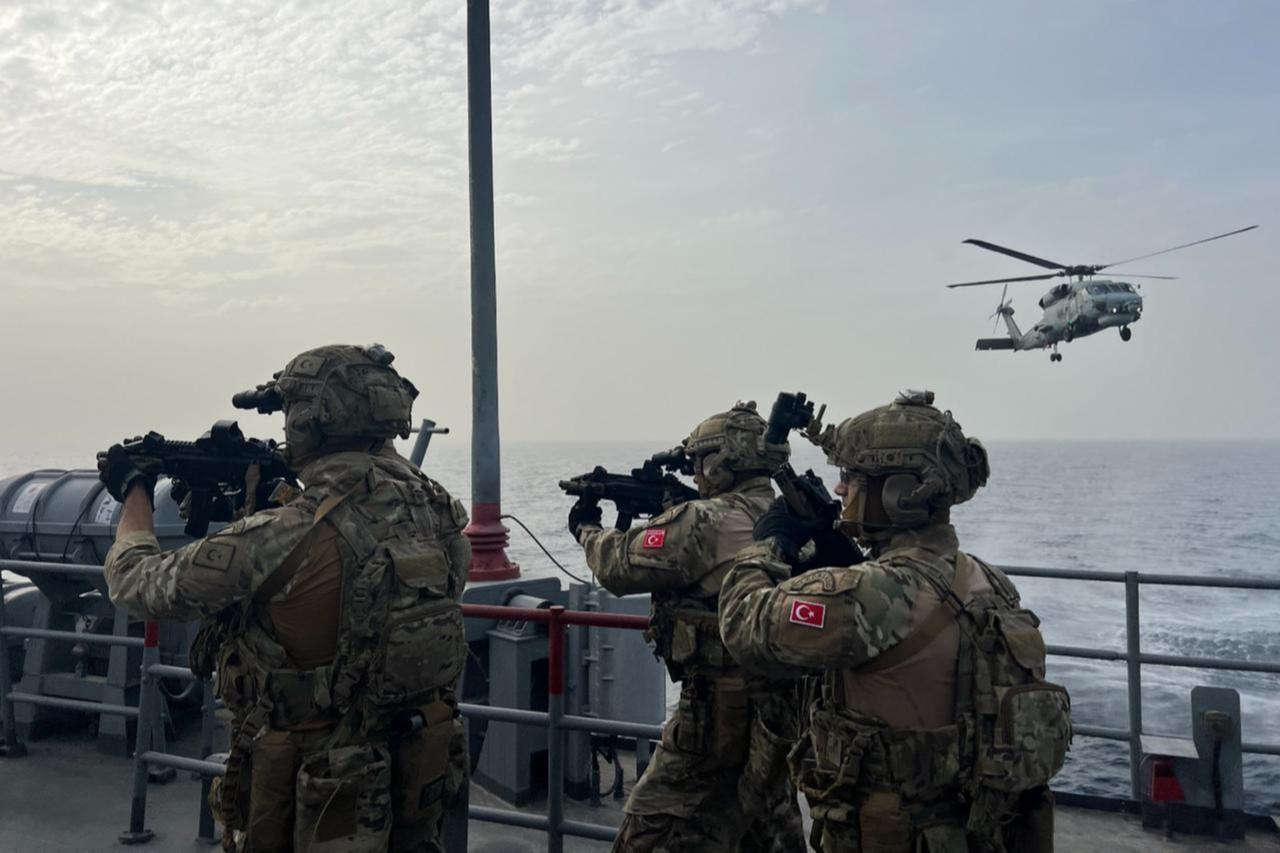
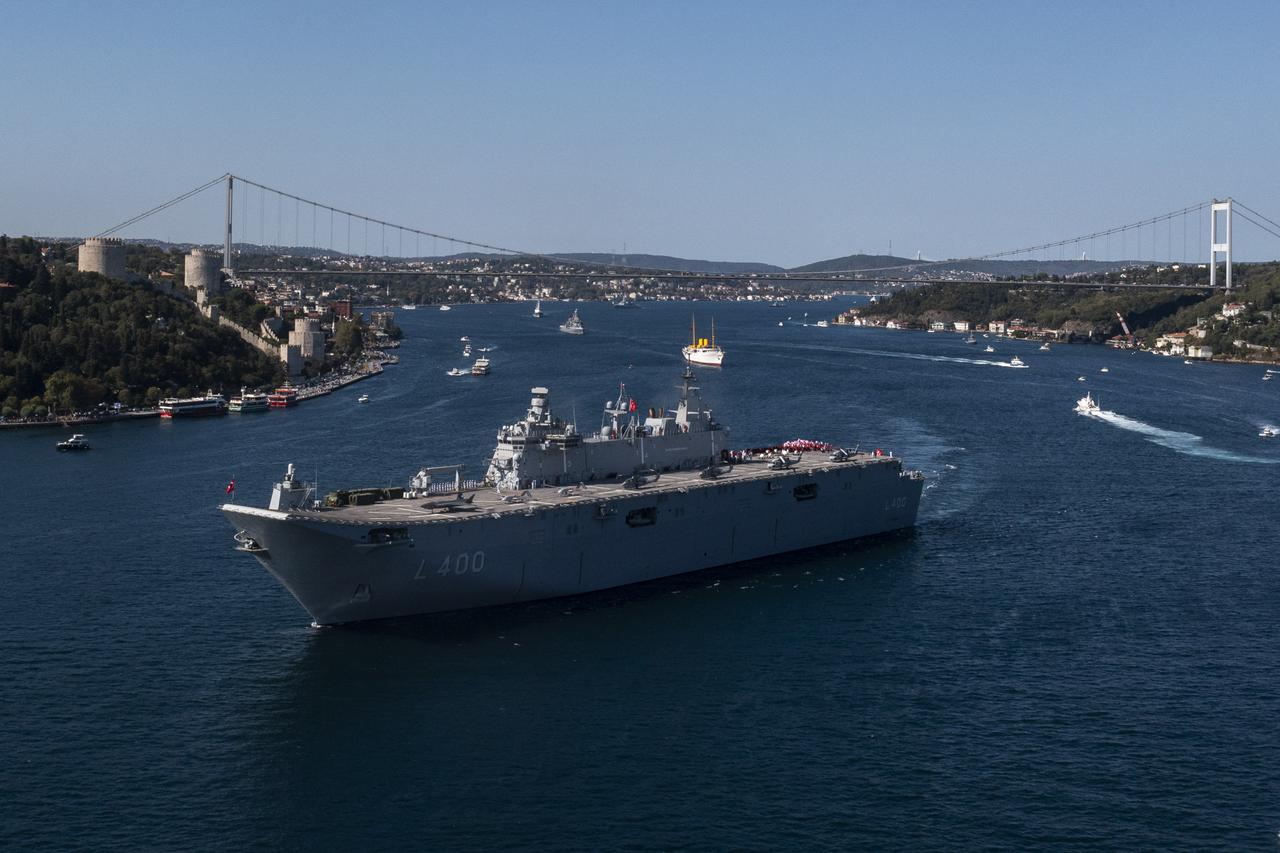
Speaking to reporters at Türkiye's embassy in Paris following a Coalition of the Willing meeting on Ukraine, Fidan said critical areas essential to peace are now being actively debated among international partners. He emphasized that Ankara has long signaled its willingness to lead naval components of any ceasefire monitoring force.
"I think we are quite close to a lasting peace in this war that has been going on for the last four years," Fidan said. "At the very least, we are seeing extraordinary discussions on certain areas that are the key to peace."
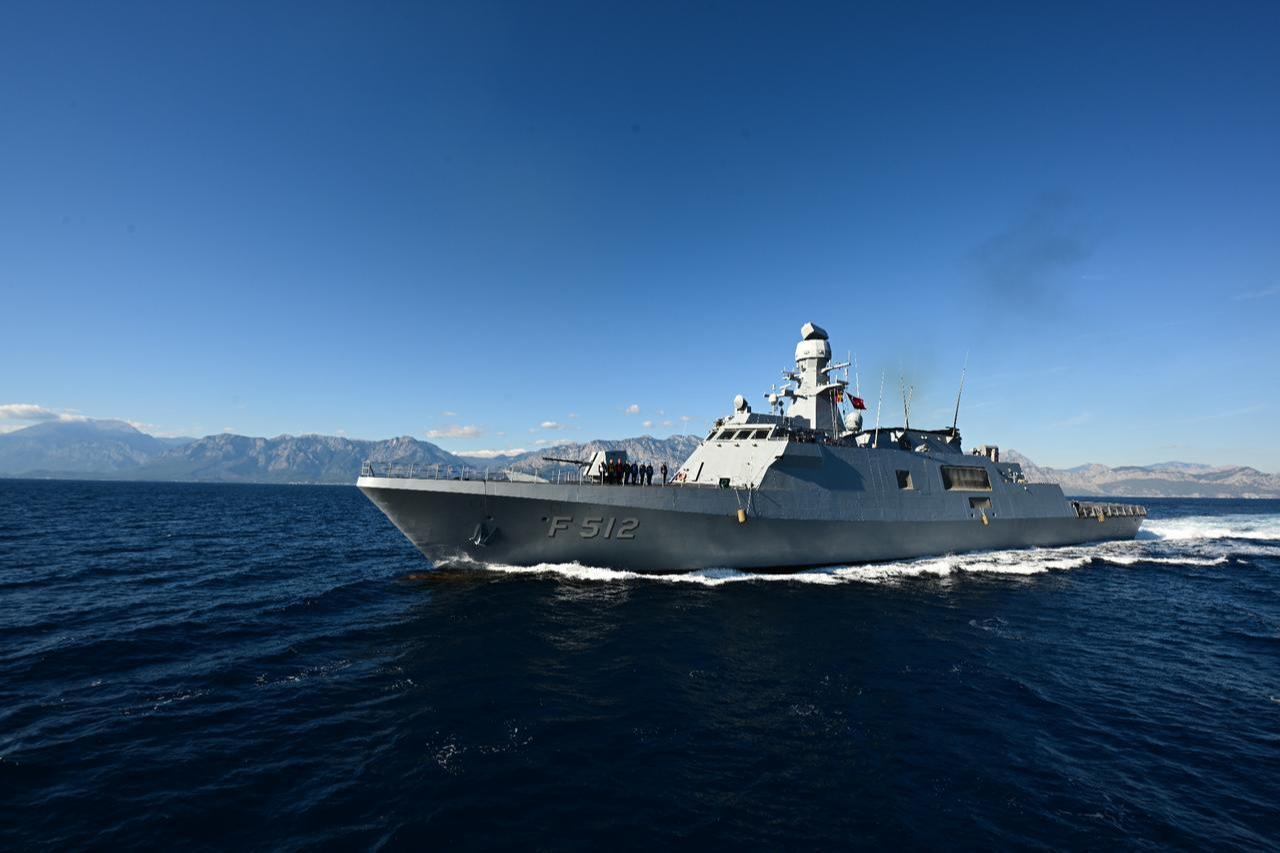

Fidan outlined discussions at the Paris meeting that covered how a ceasefire would be monitored, how Ukraine's deterrent capabilities would be maintained, and what military measures could be taken if a ceasefire were violated. As a NATO member with the largest fleet in the Black Sea, Türkiye views maritime security responsibilities as a natural fit.
"Significant progress has been made on this issue," Fidan said, noting that Turkish armed forces have been prepared to assume such responsibilities under President Recep Tayyip Erdogan's direction. "When it comes to the security of the Black Sea, there is nothing more natural than Türkiye having responsibility as the NATO member with the largest fleet in the Black Sea."
The meeting, which Fidan attended on behalf of Erdogan, included representatives from multiple countries as well as officials from the European Union and NATO. Participants discussed not only immediate ceasefire mechanisms but also the specific roles different nations might play in enforcement and monitoring.
The Turkish minister suggested that any comprehensive peace agreement would extend beyond simply ending hostilities in Ukraine, establishing long-term frameworks for relations between Russia and Europe while also defining Russia's broader regional policies going forward.
"This will not just be a peace agreement that ends the war in Ukraine," Fidan said. "This will also be an agreement that will determine the modalities of peace between Russia and Europe in the long term."
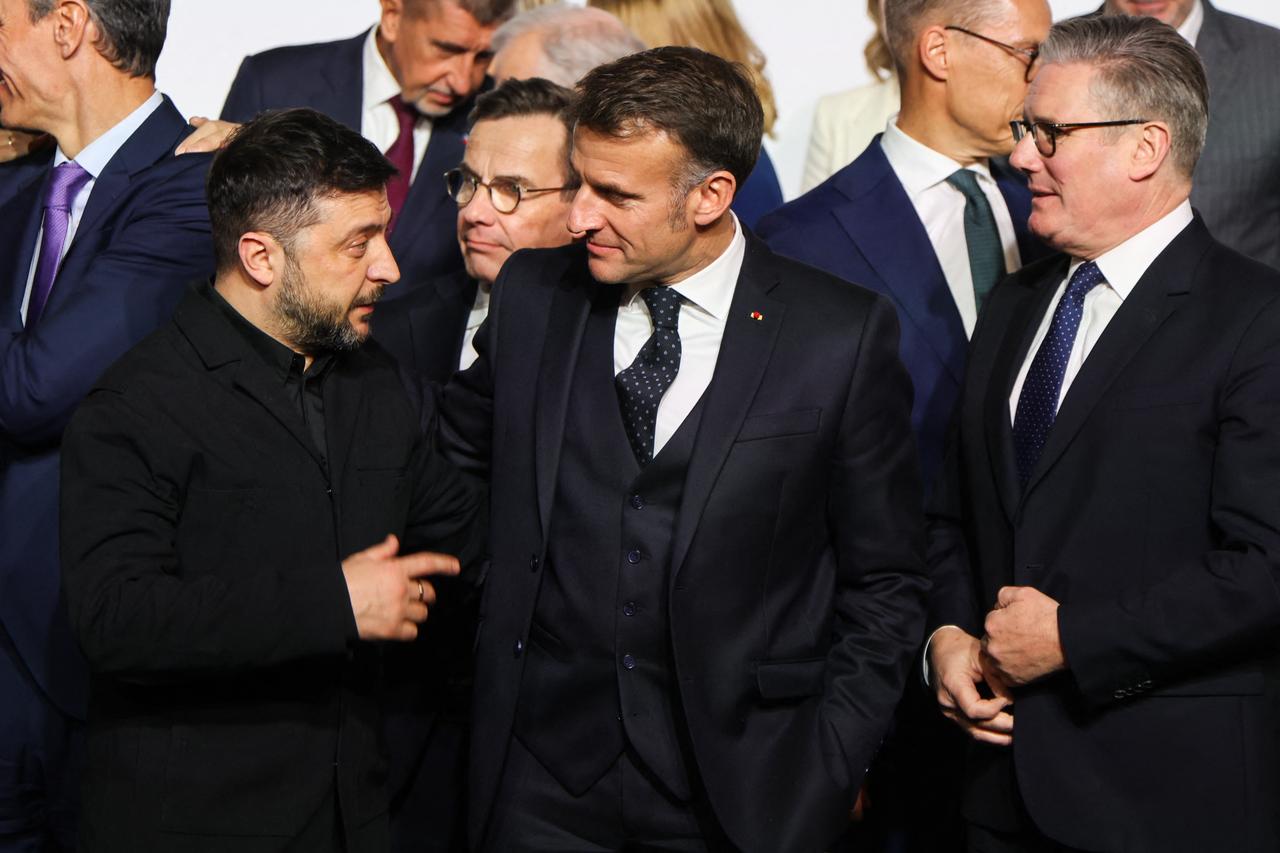
In Paris, Ukrainian President Volodymyr Zelensky signed a trilateral security declaration with French President Emmanuel Macron and British Prime Minister Keir Starmer that would see European allies deploy troops to Ukraine following a ceasefire. Zelensky said the coalition now has substantive documents with concrete content, though he noted that the territorial question involving Russian demands for Ukraine's eastern Donbas region remains the most significant unresolved issue.
The Ukrainian leader emphasized that discussions have defined how peacekeeping forces would be managed and at what levels command would be exercised, though monitoring procedures still need to be finalized.
 1 min read
Fidan also discussed Türkiye's anticipated role in Ukraine's economic recovery following any peace agreement. He said President Erdogan has been particularly focused on post-conflict reconstruction efforts, viewing economic revival as essential to securing any political settlement.
"There is no country more skilled than Türkiye in healing wounds," Fidan said, referencing both domestic recovery efforts and assistance to others in need. He cited Turkish expertise in infrastructure projects and the capabilities of Turkish business leaders as assets that could contribute to Ukraine's economic revival and development.
The minister described a second session at the Paris meeting focused on how Ukraine could achieve economic recovery following a peace agreement, with participants discussing investment opportunities and reconstruction needs.
The minister spent much of his time in Paris addressing multiple regional issues beyond Ukraine. He met separately with Syrian Foreign Minister Asad Hasan Seybani to discuss ongoing negotiations between Israel, Syria and the United States, as well as recent talks between Syria's new government and Kurdish groups. Fidan also held talks with U.S. Ambassador to Türkiye and Special Representative for Syria Tom Barrack.


 Set as preferred source
 Set as preferred source


 1 min read