Newsletters


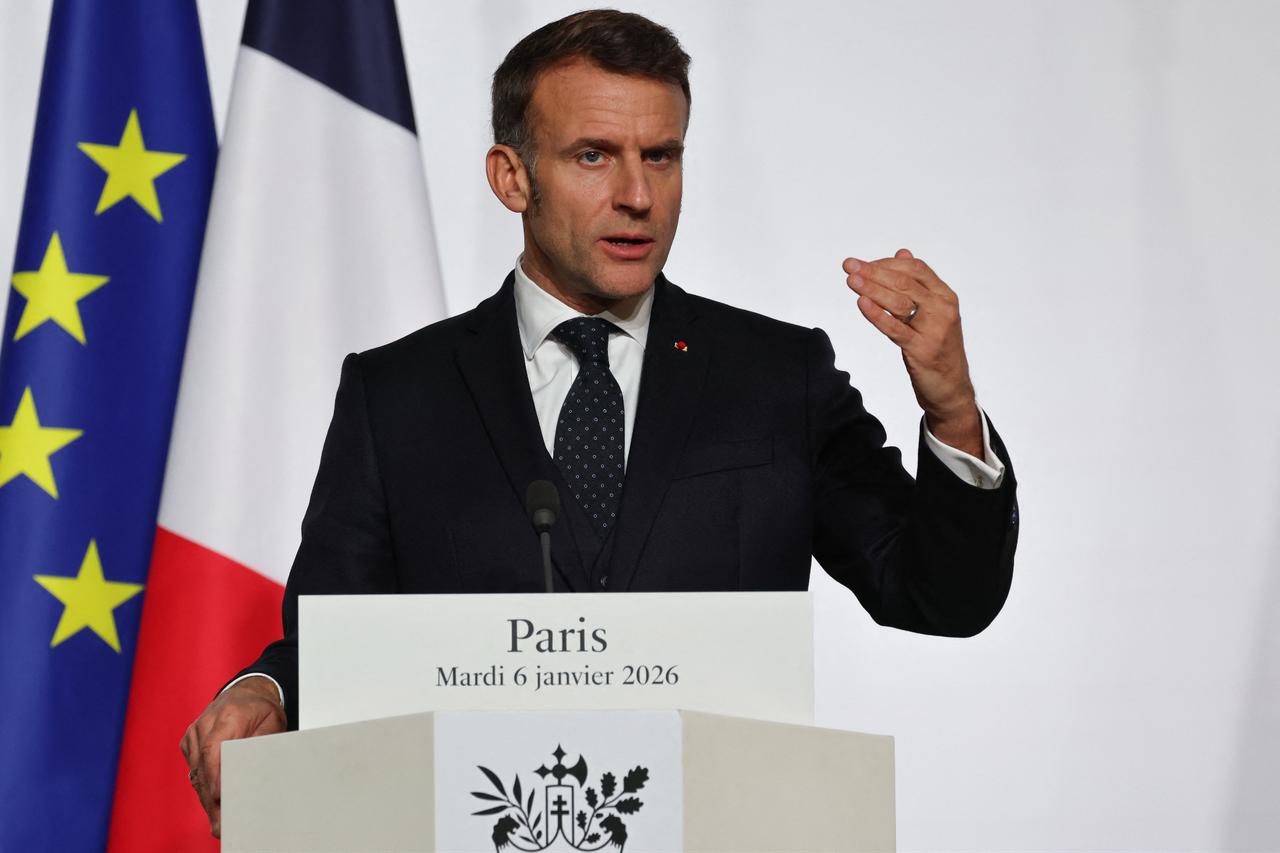


French President Emmanuel Macron emphasized the "importance of Türkiye's role" in maritime security for Ukraine at the Coalition of the Willing summit in Paris, as France, Britain and Ukraine signed a declaration of intent on deploying international forces after a ceasefire.
"I want to salute our German, Italian and Polish friends, and especially I want to emphasize the importance of Türkiye's role in the maritime domain. Türkiye has a really important role here and has taken on this entire responsibility," Macron said at a joint press conference following the summit.
The summit was the largest Coalition of the Willing meeting to date, with representatives from 35 countries, including 27 heads of state or government from NATO, European Union countries, Australia and Türkiye. It was also the first summit with U.S. representatives attending in person.
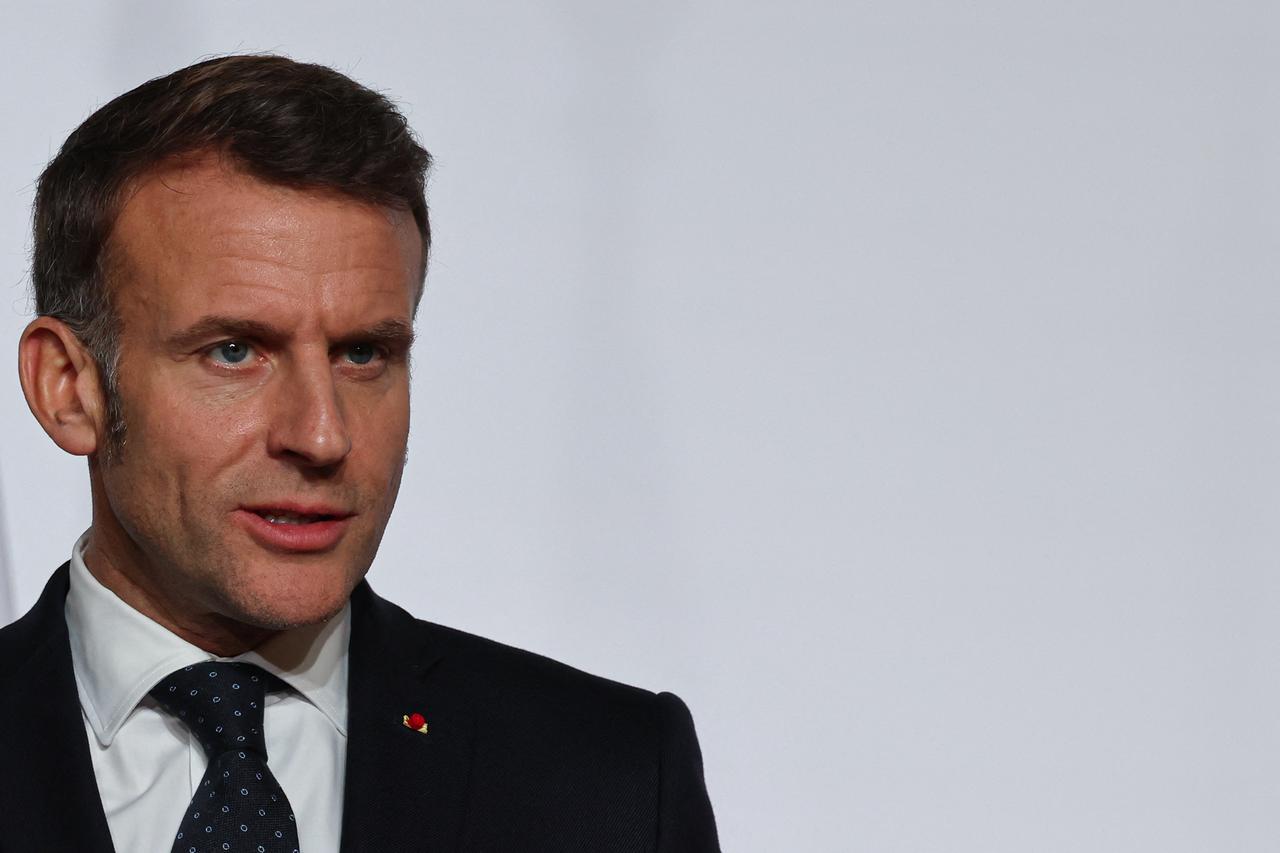

According to European officials cited by Radio Free Europe/Radio Liberty (RFE/RL), France, the United Kingdom and Türkiye could form the main elements of a peacekeeping force to be deployed to Ukraine if the war ends.
The peacekeeping force could consist of 15,000 to 20,000 troops, with some officials hoping the number could reach 30,000, working under the motto "safe sea, sky and land."
The bulk of the troops will come from France and the United Kingdom, which will lead the land and air components, while Türkiye has indicated it will be in charge of securing transport lanes in the Black Sea.
 1 min read
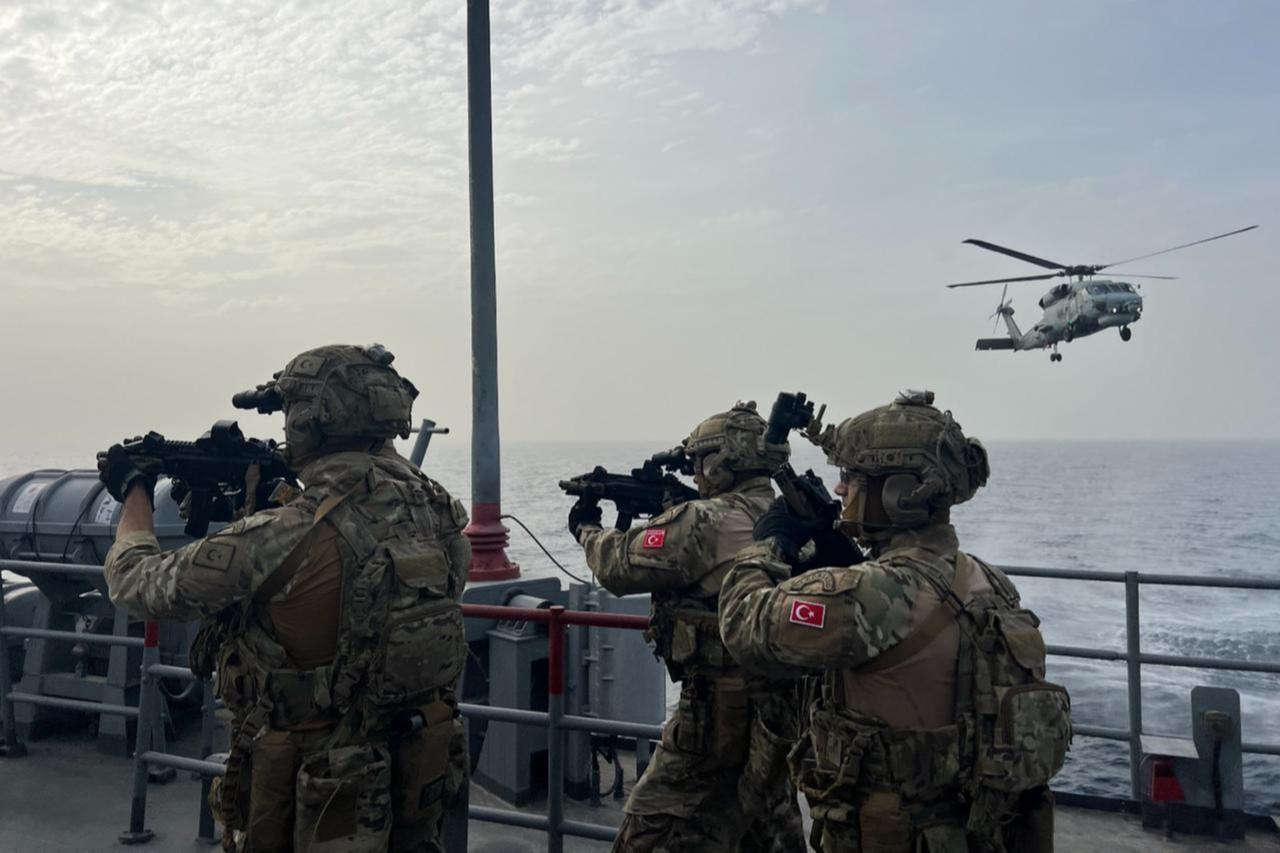
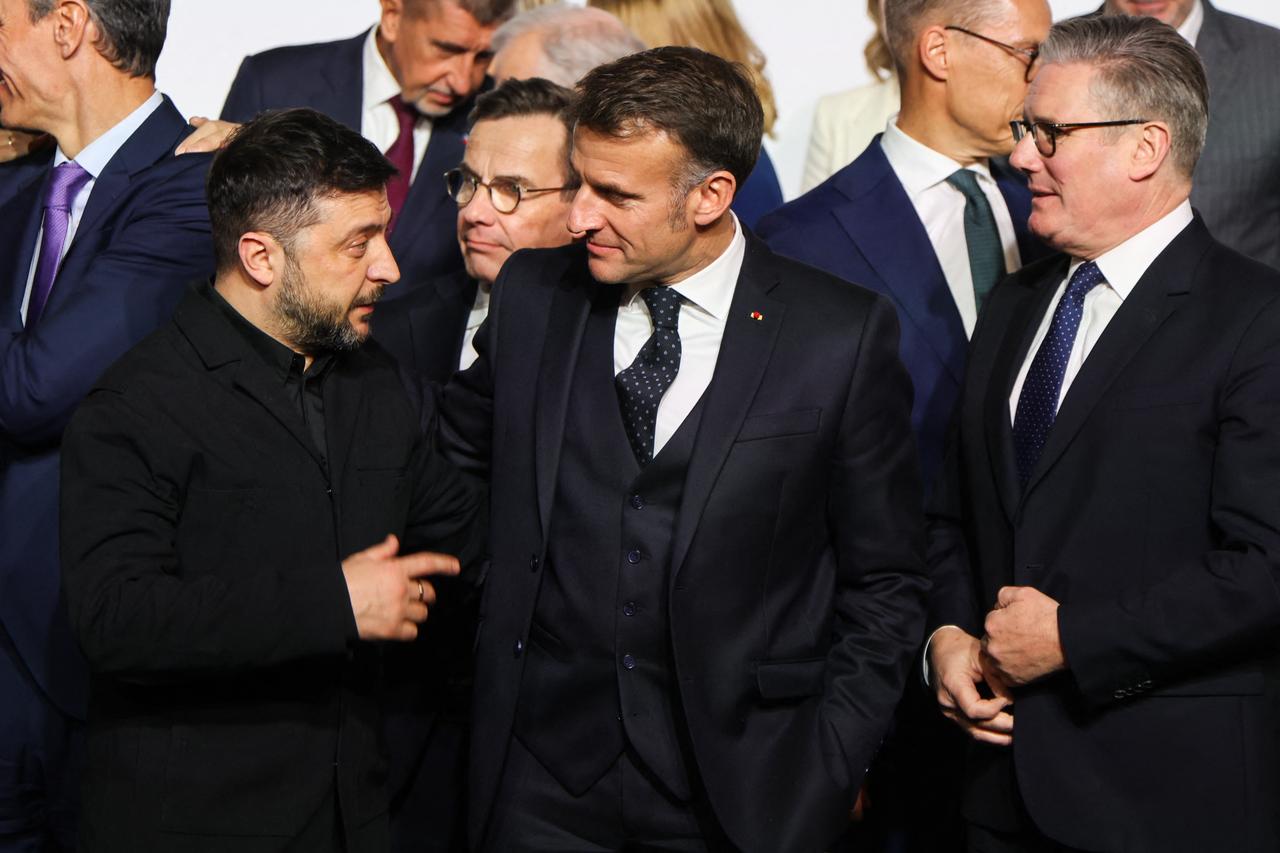
Macron, Ukrainian President Volodymyr Zelenskyy and Starmer signed a declaration of intent on deploying international forces to Ukraine after a ceasefire is achieved in the Russia-Ukraine War.
"Today, President Zelenskyy, President Macron and I went a step further and signed a declaration of intent on the deployment of our troops in Ukraine in the event of a peace agreement being signed," Starmer said.
"This is a vital part of our unwavering determination to stand with Ukraine in the long term. It will also lay the necessary legal framework for British, French and allied forces to operate on Ukrainian territory, ensure the security of Ukraine's airspace and maritime borders, and prepare for the future of the Ukrainian army," Starmer added.
"Today we also discussed in detail the military hubs that Britain and France will establish across Ukraine after a ceasefire, the construction of protected weapons facilities, and military equipment support for Ukraine's defensive needs," he said.
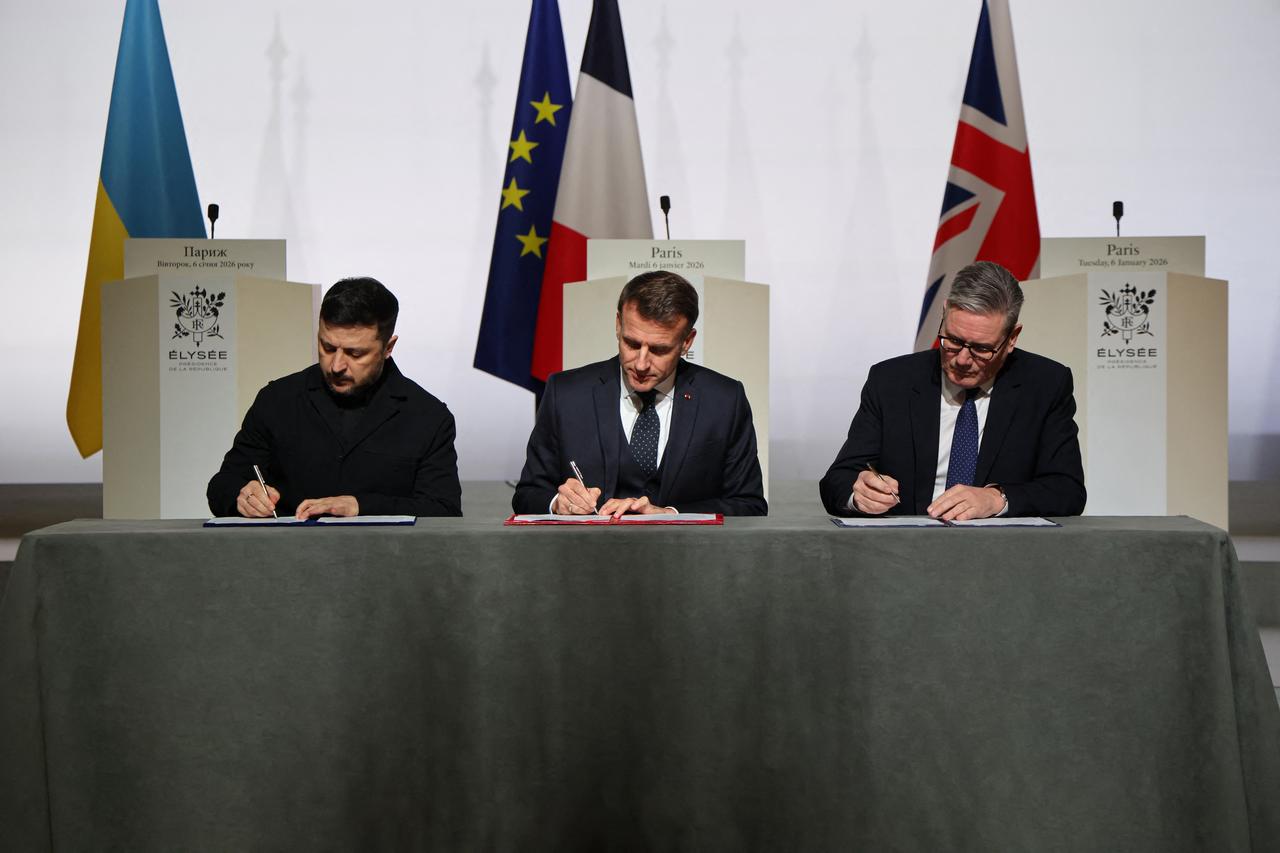
Macron said the Paris meeting represented a serious development for a solid and lasting peace in Ukraine.
"This meeting shows that there is an operational consensus among the 35 countries of the Coalition, Ukraine and the U.S. to build robust security guarantees," Macron said, noting that the declaration signed in Paris detailed all elements of the security guarantees.
Macron said the chiefs of general staff had prepared a report on this matter with U.S. coordination, and they had also decided to establish a coordination unit to ensure operational cooperation and integration of authorized armies among the U.S., Ukraine and the Coalition of the Willing.
"We are planning a 100,000-strong volunteer army for Ukraine," Macron said, adding, "I continue to work on the deployment of an international force in the air, at sea, and on land."
Macron said they had agreed to put the coalition's commitments on a legal basis to protect Ukraine against a new Russian attack, and would continue their support for Ukraine's reconstruction.
"We have strengthened the architecture, planning, capabilities and rules of security guarantees for Ukraine for the day after peace," Macron said, emphasizing that these security guarantees also apply to the European continent.
Macron said all countries participating in the meeting are in favor of a fair peace, and mechanisms will be established under U.S. leadership to monitor the ceasefire.
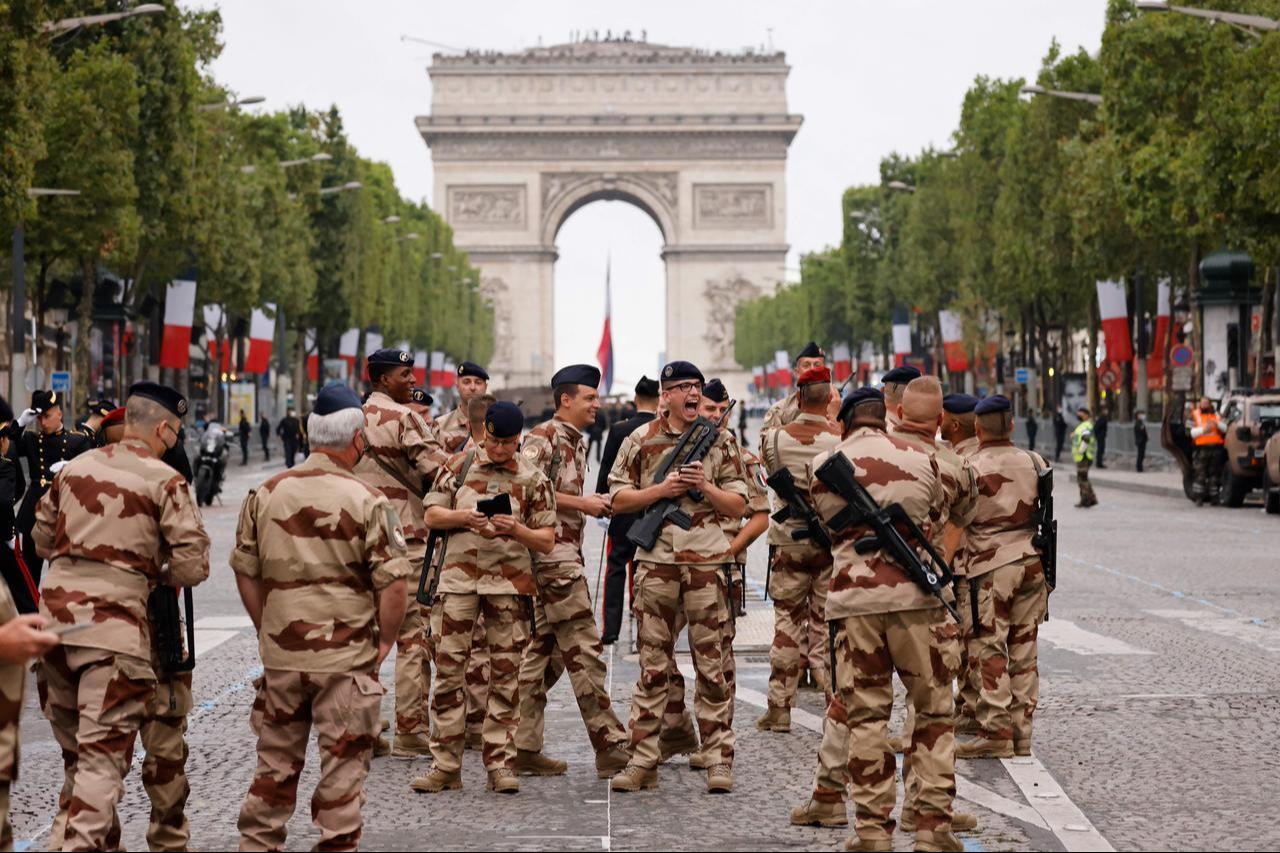
In a separate statement to France 2 television, Macron said the French army would participate in control operations on the Russia-Ukraine border after a ceasefire is achieved in Ukraine.
Macron said they would contribute to the renewal of the Ukrainian army, noting that thousands of French soldiers could be deployed in Ukraine to preserve peace after the war ends.
Macron did not give a clear statement about which country these soldiers would be deployed to, but said the Kyiv government, the Coalition of the Willing and the U.S. would work on whether the border area between Ukraine and Russia has been violated.
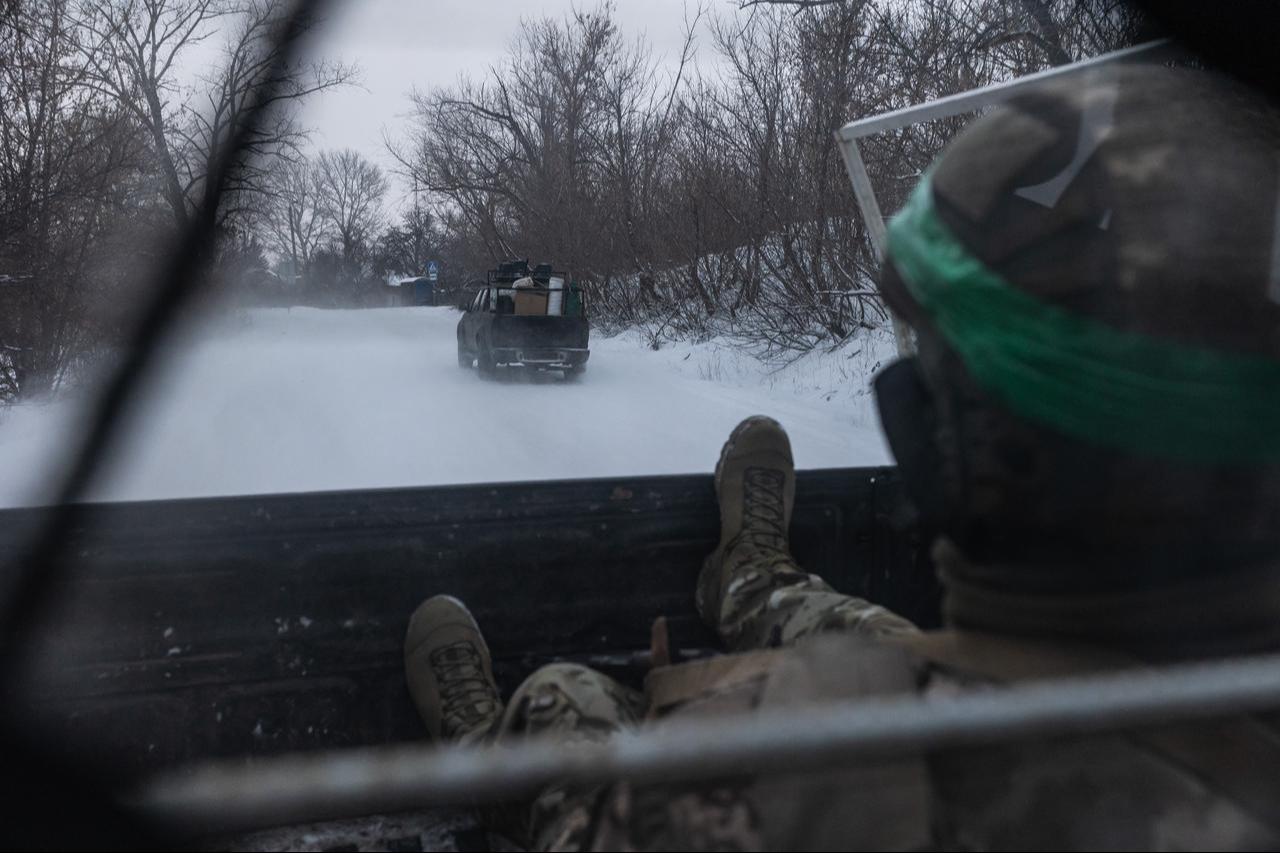
Zelenskyy expressed satisfaction that the highest-attended Coalition of the Willing meeting to date had been held, with 27 country leaders from NATO, European Union countries, Australia and Türkiye coming together.
Zelenskyy described the agreement signed between the U.K., France and Ukraine on deploying international forces to Ukraine as "a strong signal of the willingness of European countries and the coalition to work for global security."
"Today, it is important that the coalition has concrete documents. These are not just words. There is concrete content—the joint declaration of all coalition countries and the trilateral declaration of France, the UK and Ukraine," Zelenskyy said.
Zelenskyy said the agreement determined which countries are ready to provide security guarantees to Ukraine in the air, on land and at sea.
He said they had held productive talks with the U.S. side on establishing a monitoring mechanism to prevent peace violations, adding: "The U.S. is ready to work on this."
Zelenskyy said the armies of France, the U.K. and Ukraine had conducted detailed work on the deployment of forces, the number of soldiers and what kind of weapons they would need.
Zelenskyy also said they welcomed the U.S. support and provision of necessary resources to prevent Russia from attacking again.
Regarding Ukraine's 20-point peace plan, Zelenskyy said: "There are some questions regarding the plan. Especially the territorial issue needs to be worked on. We discussed some ideas on this. If teams cannot agree on some issues, we can discuss them at the leaders' level."
"We want to be ready, so when diplomacy reaches peace we can place the forces of the coalition," Zelenskyy said, noting, "We need to work on the question of territory. Ukraine needs missiles because every day notwithstanding the diplomacy the Russian strikes continue."
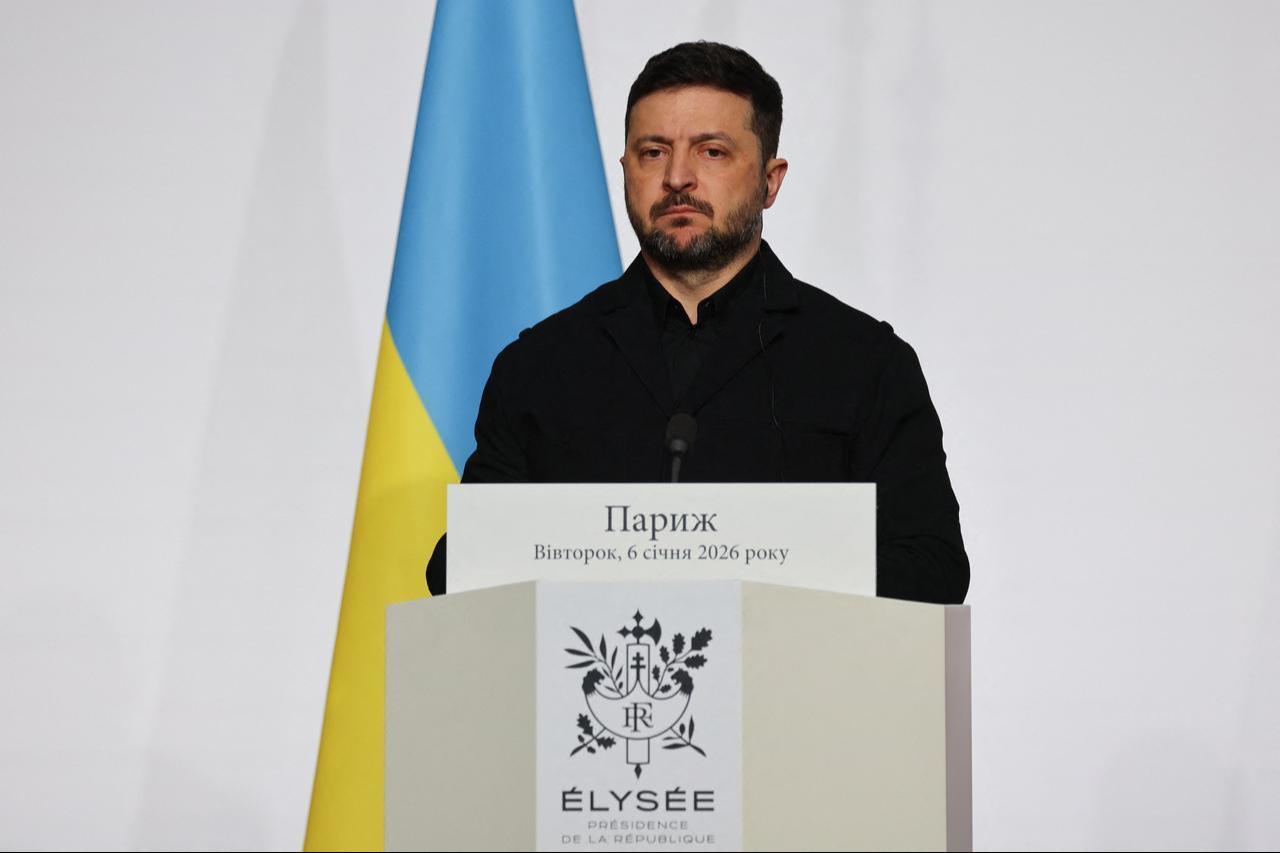
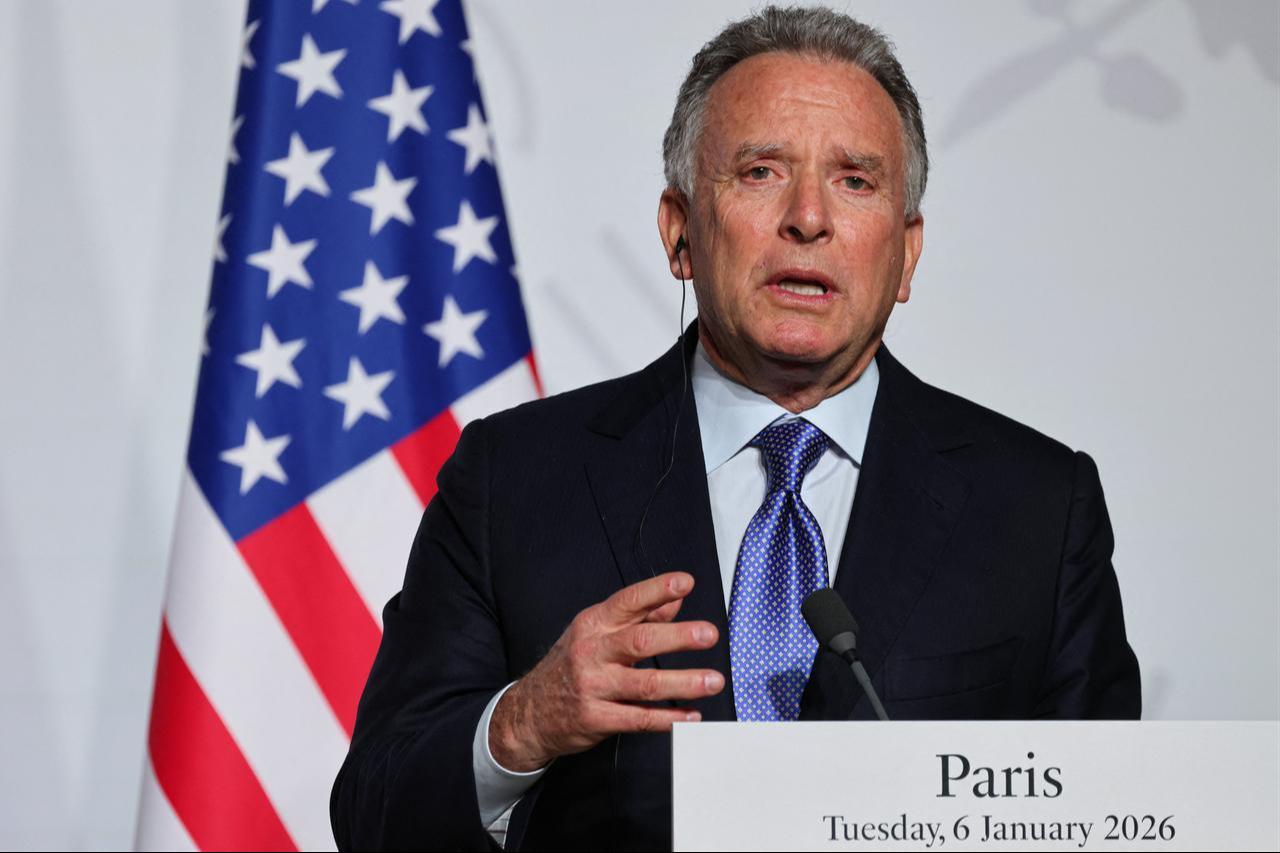
U.S. Special Envoy Witkoff reiterated that President Trump "wants peace in Ukraine."
"We are determined to do everything we can to achieve this peace on his behalf. We think we have largely finished the security protocols," Witkoff said.
He added they are "very, very close" to completing one of the most "robust" agreements that could be signed after such conflicts.
Witkoff said "land options" will be the most "critical issue" and "hopefully we will be able to come up with certain compromises with regard to that."
"The president strongly stands behind security protocols. The president does not back down on commitments. We will be there for the Ukrainians to get there for the final peace," Witkoff added.
Trump's son-in-law Jared Kushner added: "This does not mean that we will make peace, but peace would not be possible without the progress that was made here today."
Starmer said peace in Ukraine is close, noting: "The purpose of the Coalition of the Willing is to help bring lasting peace and to establish long-term security guarantees by working with the US. We are closer than ever to reaching this point."
Starmer emphasized that the coalition allies are determined to participate in the U.S.-led observation mechanism, and the coalition will continue its weapons support to Ukraine.
Starmer said they also discussed at the meeting the issue of supporting Ukraine against the possibility of Russia attacking in the future, adding: "All of these are the building blocks on which peace will be built. However, we can only achieve peace when Putin is ready to compromise. Looking at Russia's rhetoric, Putin is not ready for peace. In recent weeks, we have seen the opposite."
Starmer said Russia's attacks have increased the coalition's determination, noting: "We will continue our support for Ukraine's defense in 2026, ensure they receive the equipment they need to continue the war, and increase our pressure on Russia."
Starmer noted that this pressure would target Russian oil trade and Russian ships at sea, adding: "We will maintain this pressure until we are sure that everyone comes to the table in good faith and aims for a fair and lasting peace."
Regarding U.S. President Trump's remarks about taking Greenland, Starmer recalled his previous clear statements of support for Denmark and Greenland, but added: "I must also say clearly; the relationship between the U.K. and the U.S. is our closest relationship. Especially in the fields of defense, security and intelligence, we work with the U.S. 24 hours a day, seven days a week."
Starmer noted that the coalition summit held in Paris was both the largest-attended meeting and the first meeting with U.S. representatives attending in person, adding that the decisions taken are in the interest of Ukraine, Europe and the U.K.


 Set as preferred source
 Set as preferred source


 1 min read