Newsletters





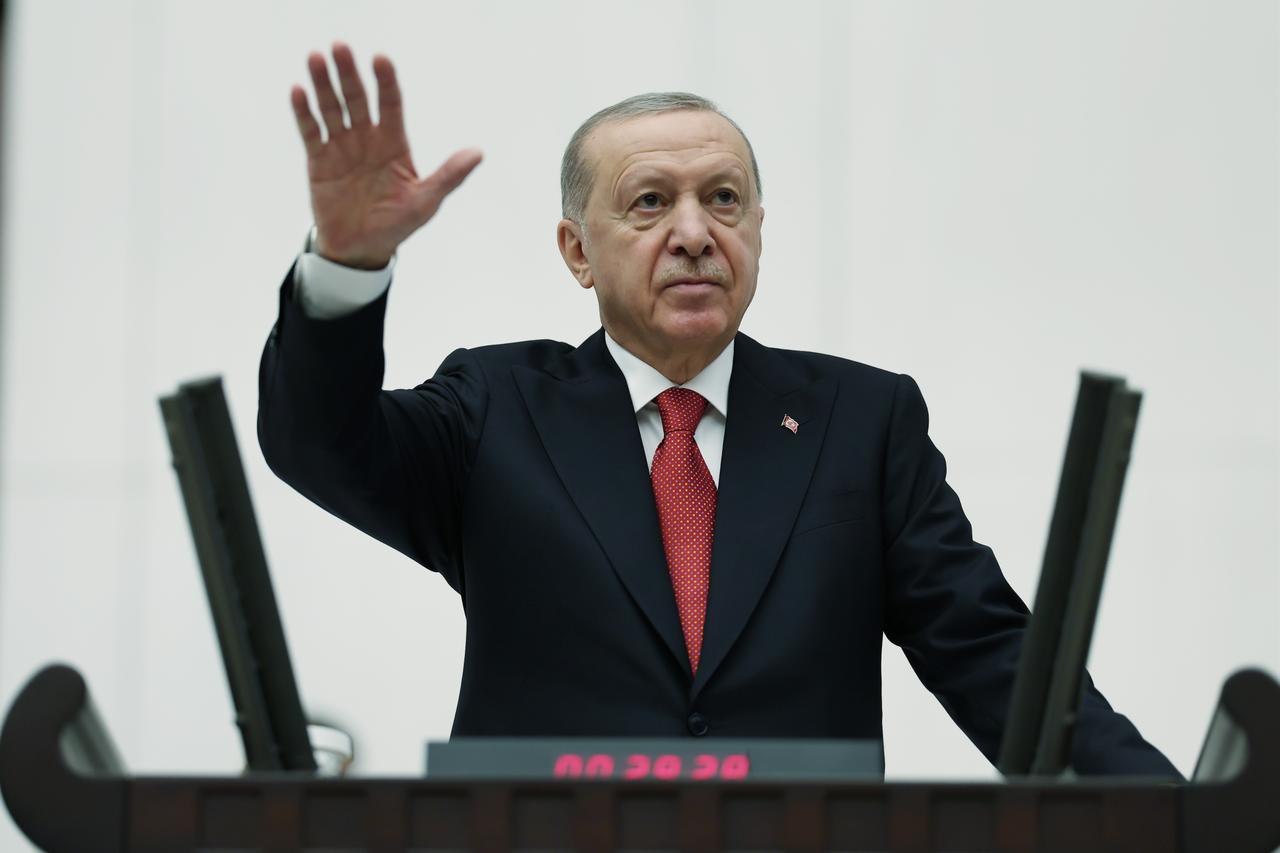
Foreign Minister Hakan Fidan cautioned Friday that Israel continues looking for an opening to strike Iran, warning such an attack could further destabilize an already volatile region, as Ankara outlined broader ambitions to play a more direct military and diplomatic role across the Middle East.
Speaking to Turkish broadcaster NTV in a wide-ranging interview, Fidan said signs pointed to Israel maintaining its intent to launch military action against Tehran despite the potential consequences for regional security.
"I hope they find a different path, but the reality is that Israel, in particular, is looking for an opportunity to strike Iran," Fidan said.
When asked whether this assessment applied to both the United States and Israel, Fidan clarified that Israel specifically was seeking such an opportunity.
The foreign minister said he conveyed these concerns directly during a recent visit to Tehran. "When I went to Tahran in recent days, I told them everything about the process as their friend," Fidan said. "And you know, a friend speaks bitter truths."
The comments come amid ongoing tensions between Israel and Iran, which have escalated through proxy conflicts and direct confrontations in recent years.
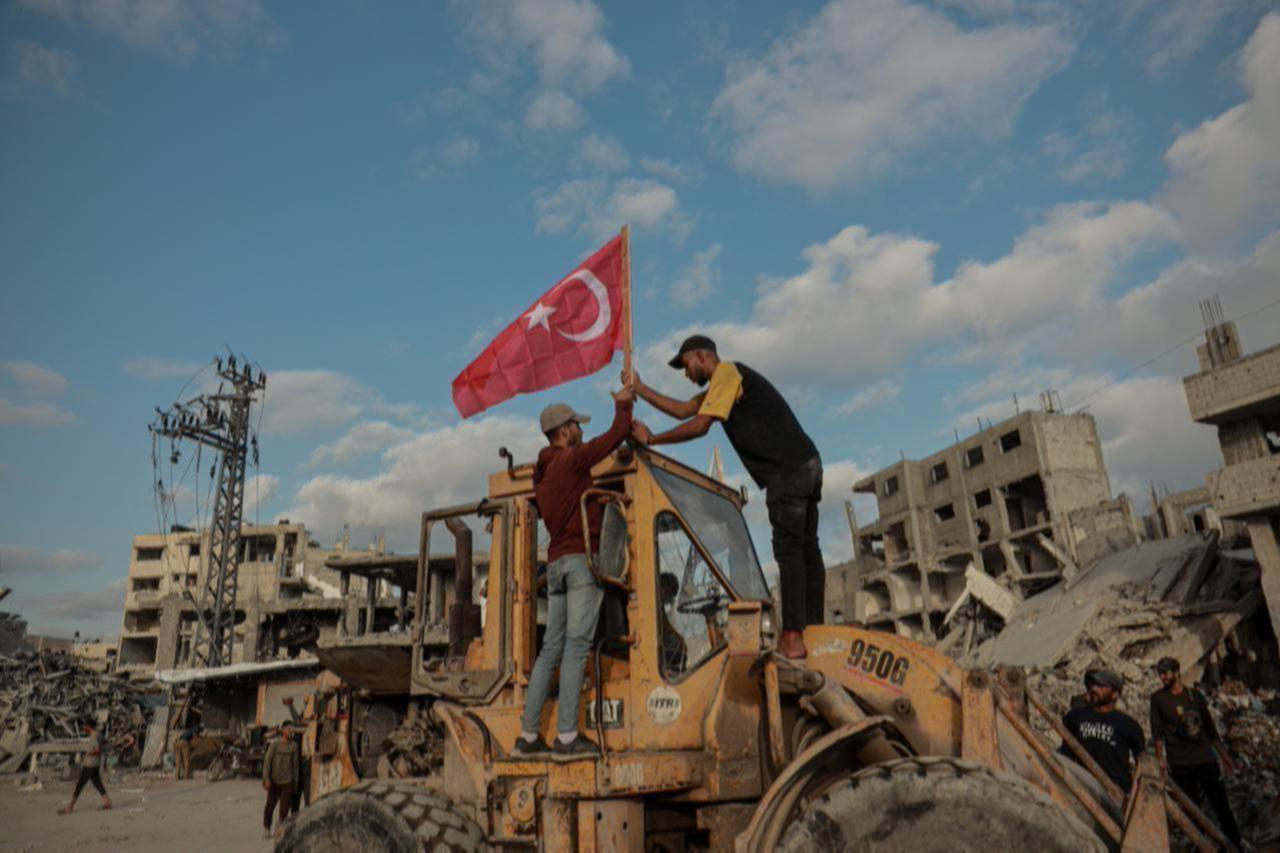

Fidan also revealed that Türkiye is prepared to send troops to Gaza if conditions allow, marking Ankara's most explicit statement yet of its willingness to assume a direct military role in the Palestinian enclave despite Israeli opposition.
"If the necessary conditions are formed, we have the will to provide military support," the foreign minister said, describing Gaza as Türkiye's most urgent priority.
He acknowledged that Israel opposes all aspects of Türkiye's involvement in Gaza but insisted Ankara's efforts would continue. The Turkish government is preparing a new "Board of Peace" structure to oversee governance and administration in Gaza, with separate committees responsible for representing the territory's population and managing day-to-day operations.
Humanitarian efforts continue without interruption, Fidan said, adding that the Rafah border crossing could reopen as early as next week. Türkiye is pushing to deliver container housing for displaced Palestinians enduring harsh winter conditions in tents, while the Turkish Red Crescent maintains ongoing aid operations.
When asked about Hamas disarmament, Fidan said the issue must be part of any broader roadmap, though he stressed that Ankara's top priority was ensuring Gaza's population remains on its land.
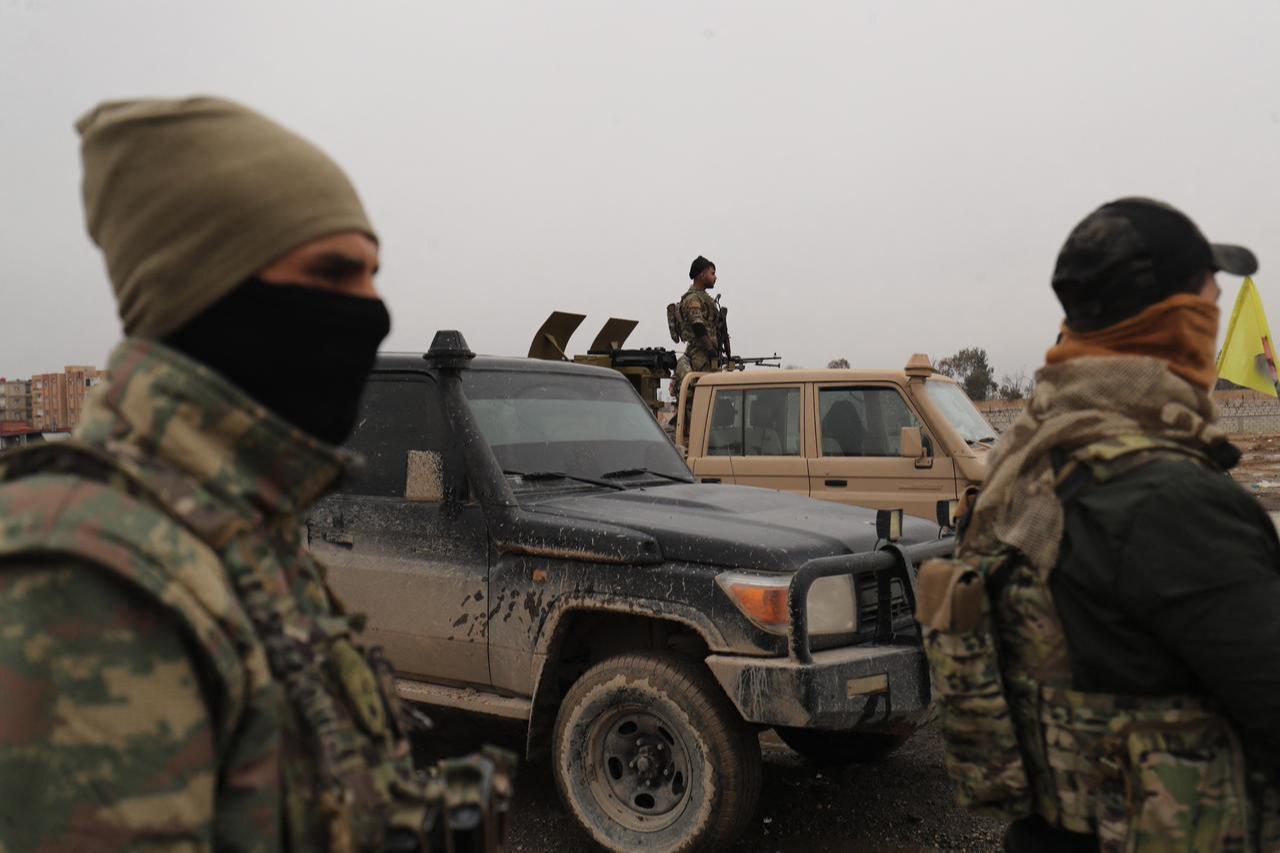
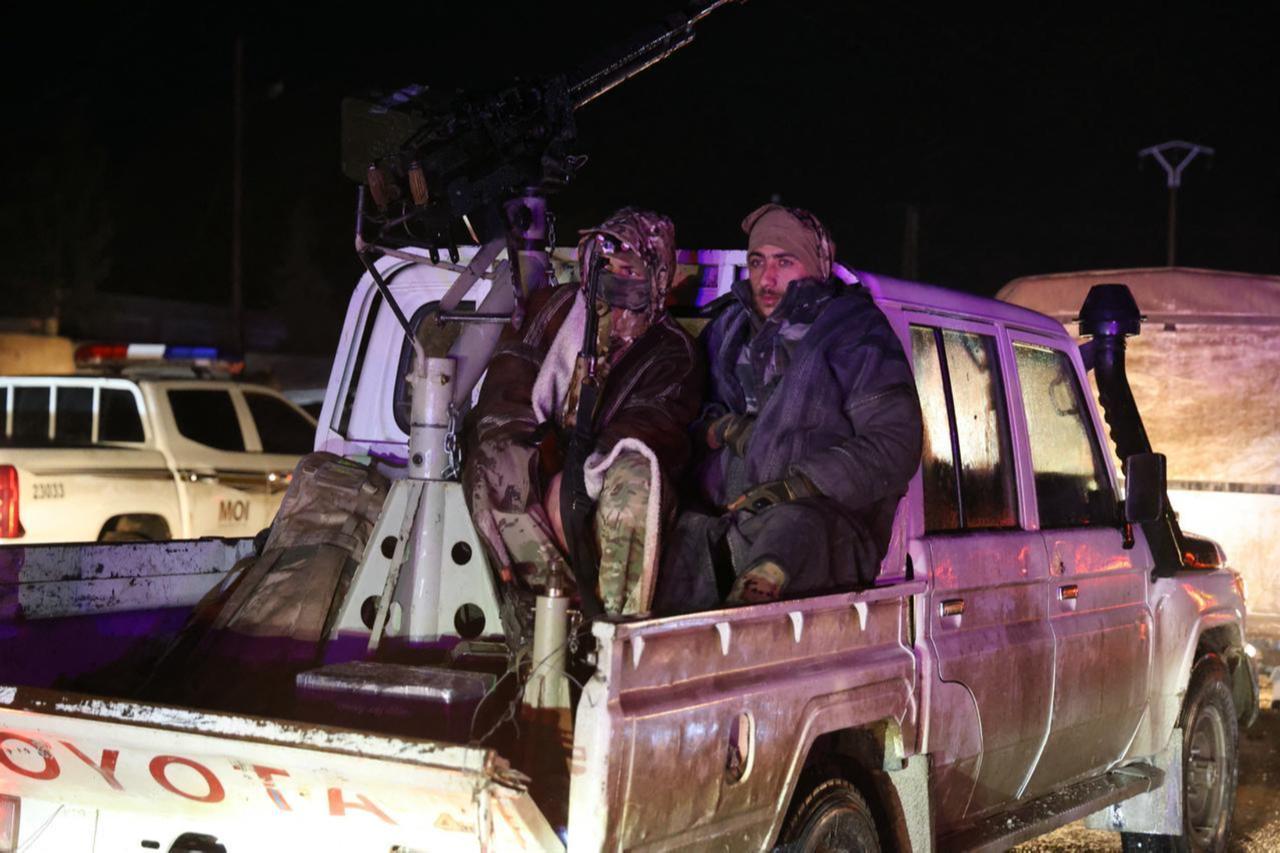
Turning to Syria, Fidan said a four-day ceasefire between the YPG terror group and Damascus remained fragile and might need extension, particularly as Daesh detainees were being transferred from Syria to Iraq.
Türkiye is involved in active diplomatic efforts to prevent renewed fighting, he said, expressing hope that a meaningful dialogue process would emerge. The foreign minister said the recent weakening of YPG terror acts was not surprising, arguing that Ankara had long assessed the dynamics in Arab-majority areas held by the YPG, including tribal structures and the risk of local uprisings.
Fidan reiterated Ankara's position that the YPG is fully subordinate to the PKK based in northern Iraq, saying non-Syrian PKK members must leave Syria. The PKK terror group's presence in Sinjar was "not sustainable," he added, warning the organization must transform itself to avoid collapse.
He cautioned the YPG against ignoring messages from Ankara and allowing itself to be drawn into the agendas of outside powers.
Beyond the immediate region, Fidan warned that global power politics were entering a dangerous period, with major powers creating uncertainty and weakening the rules-based order. He said this made cooperation among "middle powers" increasingly important, echoing warnings by President Recep Tayyip Erdogan about systemic global decline.
Fidan said Türkiye favored building broad regional alliances to reduce polarization, even if they began with a smaller core group.
Commenting on US President Donald Trump's insistence on acquiring Greenland, Fidan said such a territorial loss would signal the collapse of alliances, calling Washington's strategic ambitions no secret but warning of the consequences for Western unity.


 Set as preferred source
 Set as preferred source


 2 min read
 1 min read