Newsletters


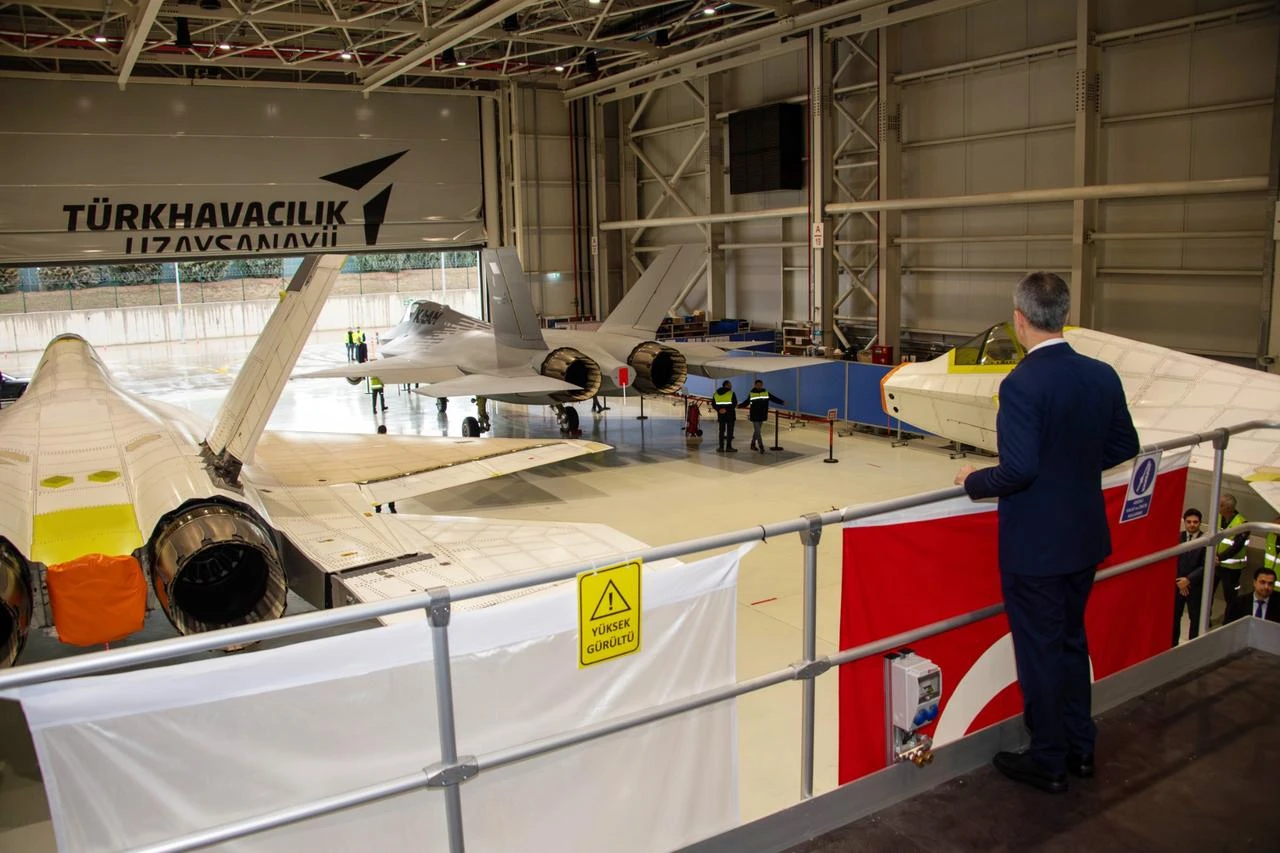


The United States has cleared the export of General Electric (GE) F110 engines that will power serial production of Türkiye's KAAN fighter jet, Turkish Aerospace (TAI) CEO Mehmet Demiroglu announced at the Farnborough International Airshow, removing a geopolitical roadblock that had shadowed Ankara's flagship fifth-generation program.
The engine breakthrough headlined a sweeping program update. Demiroglu also confirmed the revival of the CAATSA-stalled T70 helicopter line with Sikorsky, a two-KAAN flight goal by year-end, and the first official Hurkus delivery in August. He also revealed talks with BAE Systems on teaming the Anka-3 stealth drone with the Eurofighter Typhoon.
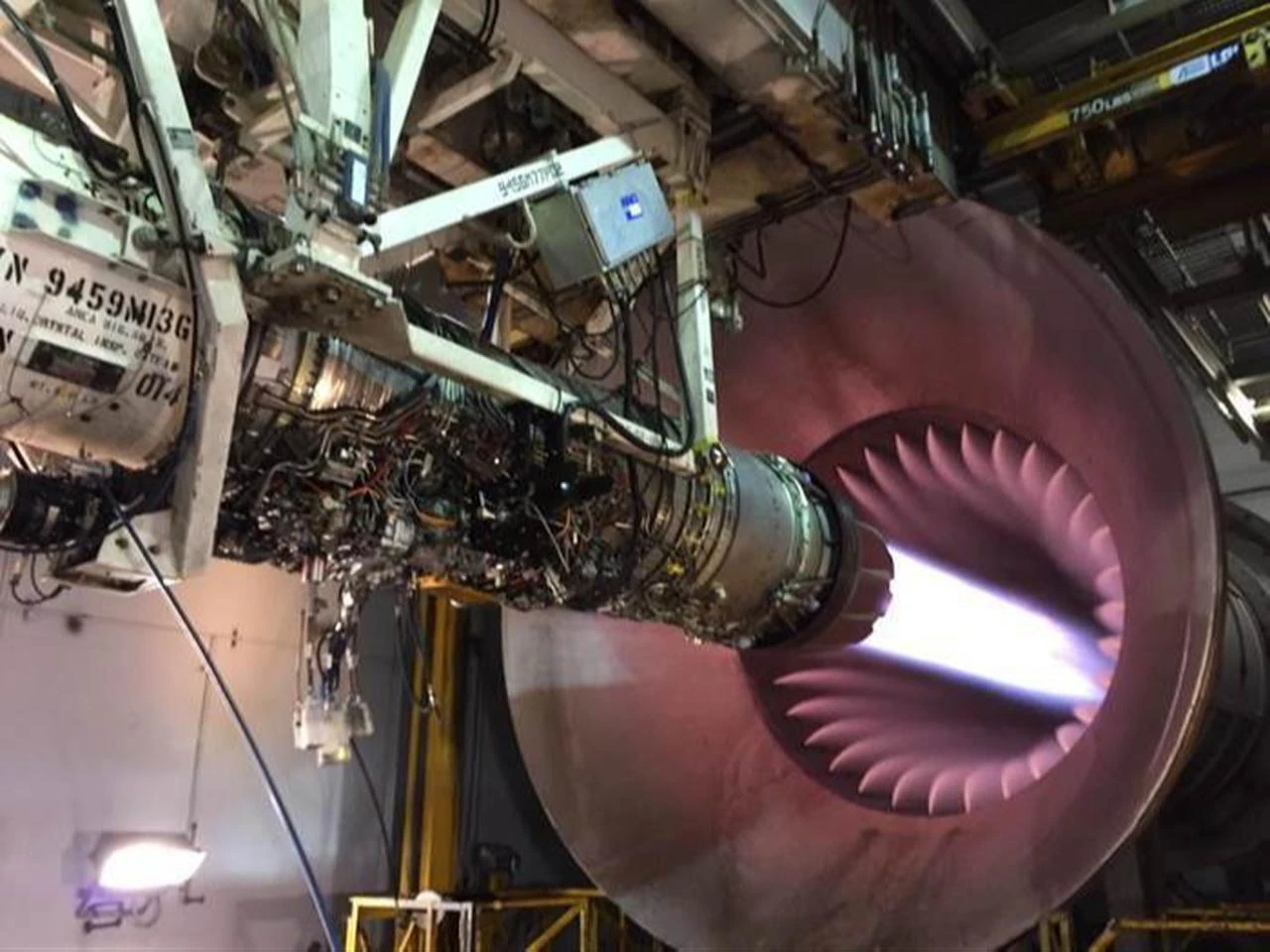
"The F110 engine, we have 10 of them already for our prototypes. For the serial production of KAAN, we are buying 80 engines. The export license was approved or went through the Congress on July 9," Demiroglu told reporters at a press briefing outside London.
"The rest is standard procedures. So we can say yes, we have the export license for the engine. We will work with GE folks to get the engines in time, and since it is for the serial production, which is at least two and a half years away, we will have no issue receiving those engines in time to support our serial production for the Turkish Air Force," he said.
July 9 marked the end of a congressional review period during which U.S. lawmakers could have blocked the export, which passed without objection.
Reuters first reported in late June that the Trump administration planned to greenlight the sale despite criticism from Rep. Gregory Meeks, the top Democrat on the House Foreign Affairs Committee. The approval covers the Technical Assistance Agreement (TAA) for the engines.
A company official told Breaking Defense the first batch of the 80 engines is expected by 2027.
"GE Aerospace is proud of our longstanding partnership with Türkiye and the Turkish Air Force," GE said in a statement, noting its decades powering Türkiye's F-16 fleet and support for the Hurjet and KAAN programs.
Congressional opposition had stemmed in part from Türkiye's 2019 acquisition of Russian S-400 systems, the move that saw Ankara removed from the F-35 program.
Asked about a potential Turkish return to the F-35, Demiroglu said aircraft procurement and industrial participation are separate issues: "The F-35 was a very good program for us. After we left the program, production rates were not as good as they hoped. I have nothing concrete to share at the moment, but when the obstacles are removed, I see no reason why we would not return to the program."

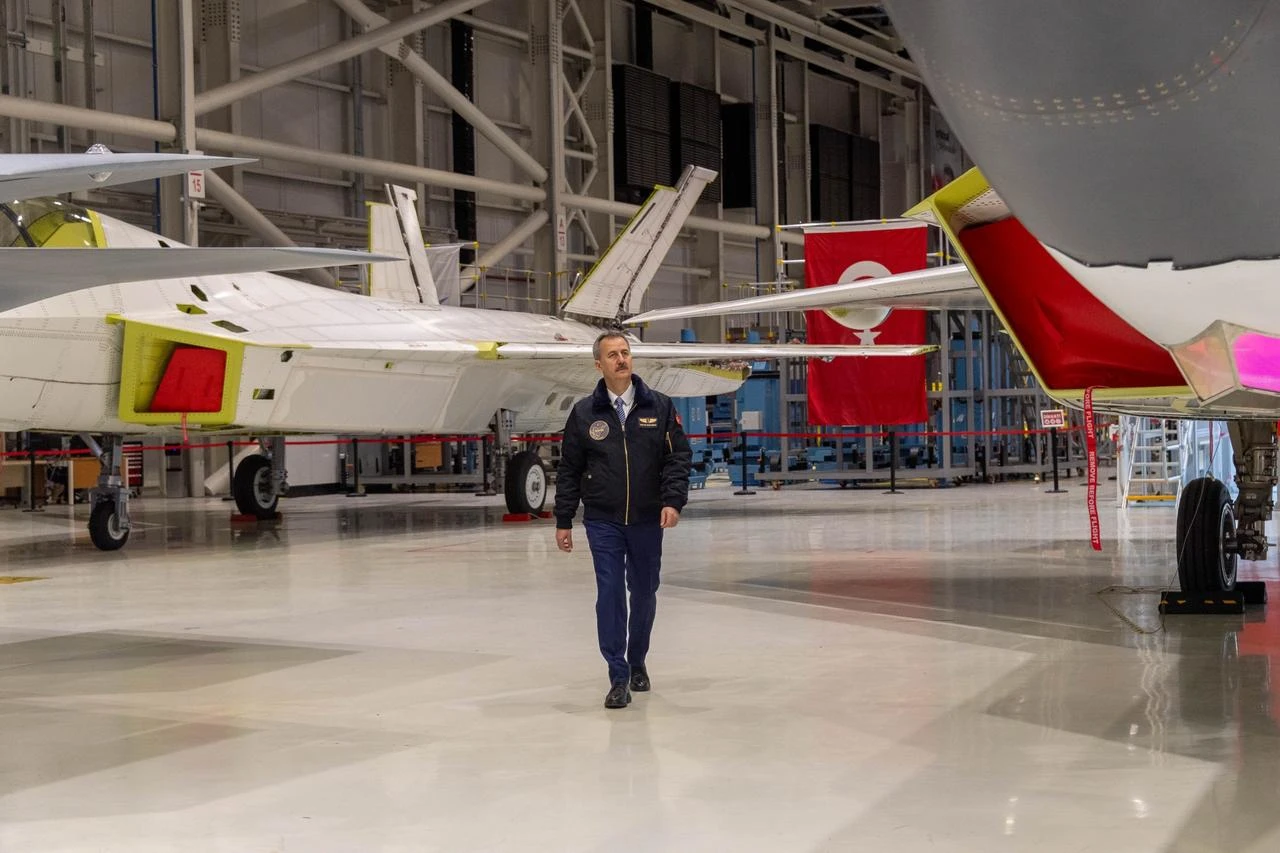
The new KAAN prototype has begun ground testing ahead of its maiden flight, Demiroglu said, "We hope to see KAAN in the sky within a few months. We also aim to fly the second aircraft by the end of the year. Our goal is to have two KAANs flying one after the other, or side by side, at year-end."
Deliveries to the Turkish Air Force remain on schedule, "The timeline is still 2028. These are challenging programs, but we hope to protect that delivery date," he said.
The Turkish Air Force contracted its first 20 KAAN jets in May, following Indonesia's June order for 48 fighters.
KAAN will fly with the F110, which also powers F-16s and the F-15EX, until the indigenous TF35000 engine developed by TEI comes online, projected for 2032.
Demiroglu said the TF35000's Preliminary Design Review (PDR) is nearing completion, with the Critical Design Review (CDR) next, "The TF35000 is extremely important for KAAN's future. We will use the engine in Block 30 and subsequent configurations."
Asked whether F-35 or Eurofighter Typhoon procurements could squeeze KAAN's budget, he said short-term adjustments could arise, but there is no sign of it, "KAAN is the future of the Turkish Air Force. This is not a platform for short-term use; it is a program that will continue for the next 20-30 years."
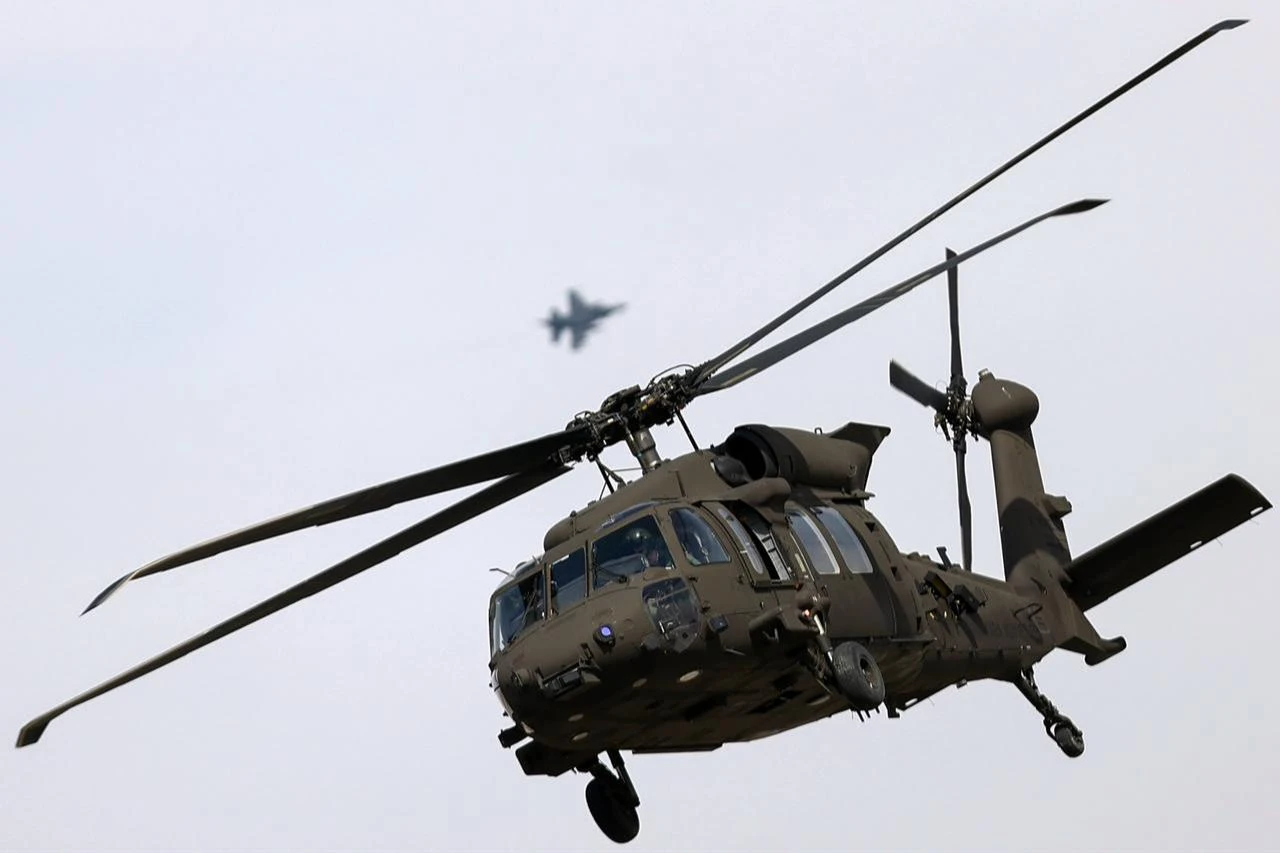
Demiroglu announced the T70 General Purpose Helicopter program, stalled by U.S. CAATSA sanctions and export license problems, has been restarted, with an agreement reached with Sikorsky at the start of 2026 for 39 additional helicopters and the export license secured.
"To overcome the problems we experienced with CAATSA, we made a change in the contract concerning the end user," he said, explaining, "Since the end users are the Ministry of National Defense, the Air Force, the Land Forces and the Gendarmerie, we made some changes in the contract. A path was found as a result of talks between Sikorsky, the U.S. administration and Turkish authorities. The program is now running again."
Production is planned to restart within about a year and a half, according to Turkish defense outlet SavunmaSanayiST.
With 38 helicopters completed to date, the new batch will bring the total to 77, and exercising a 32-helicopter option could complete the originally planned 109.
The T70, based on the Sikorsky S-70i Black Hawk, is produced in Türkiye with Turkish avionics under the Turkish Utility Helicopter Program.
Demiroglu said the restart does not sideline the indigenous T925 heavy-class helicopter, projecting the Turkish Armed Forces (TAF) will need more than 200 new heavy helicopters by 2040 with similar export demand.
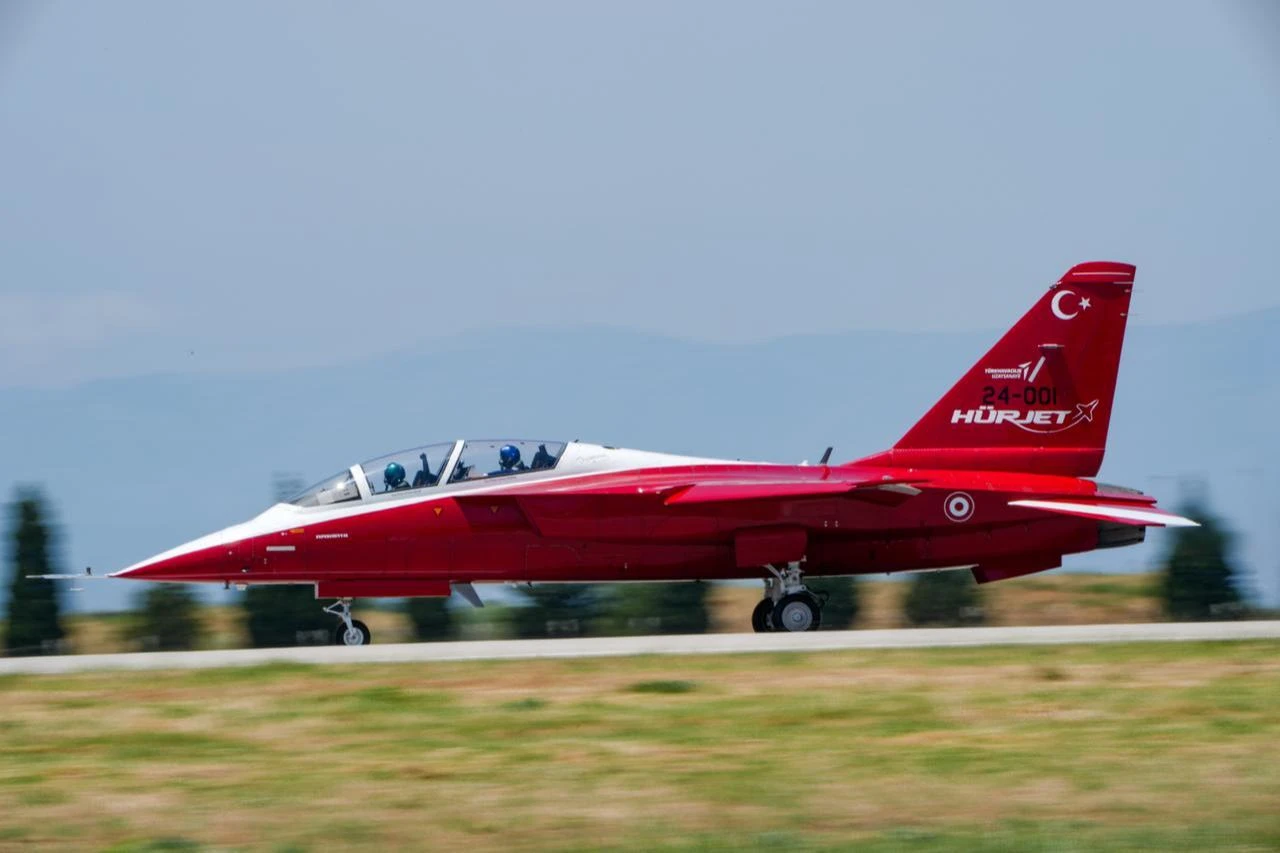
The Hurjet jet trainer's two flying prototypes have logged nearly 500 flight hours, with four more prototypes, including a light-attack version, set to fly before the end of 2026.
TAI is developing light-attack and naval configurations, both single-engine, with the Turkish Naval Forces as the priority user for carrier operations and foreign interest reported.
Demiroglu said the F404-powered aircraft could adopt another engine from the same GE family if configurations demand more thrust, a reference pointing to the F414.
The first official Hurkus delivery to the Turkish Air Force is due in early August, with 55 Hurkus-2 aircraft to be delivered in total. Demiroglu relayed the air force's verdict, "They called the Hurkus-2 a 'flying Ferrari.' The end user loved the aircraft."
The Anka-3 flying-wing combat drone's final configuration is complete, redesigned with KAAN program experience to improve radar cross-section, air intakes, exhaust design and low-observable antenna integration, Demiroglu reportedly said.
The first two production-configuration prototypes are expected at the start of next year, followed by serial production on its current Ukrainian-origin engine, with the indigenous TF6000 among future options, and first Turkish Air Force deliveries shortly after.
Testing has included internal-bay release of Aselsan's Tolun munition.
On manned-unmanned teaming (MUM-T, now also being referred to as Crewed-Uncrewed Teaming, CUC-T), Demiroglu said TAI is not waiting for KAAN: "We are working with Anka-3, Hurjet and other platforms. We are also applying similar capabilities to our smaller UAVs and swarm systems."
Asked about pairing Anka-3 or the Super Simsek drone with the Typhoon under last year's memorandum with BAE Systems, he said, "It is not a concrete project yet to utilise Anka-III with existing platforms such as Typhoon or others," but confirmed it is among the topics under discussion.
Demiroglu added that TAI, a tier-one supplier to Airbus, Boeing, Leonardo and Sikorsky, is in talks with manufacturers including Boom Supersonic to grow its civil aviation share, though no agreements have reached contract stage.


 Set as preferred source
 Set as preferred source


 2 min read