Newsletters


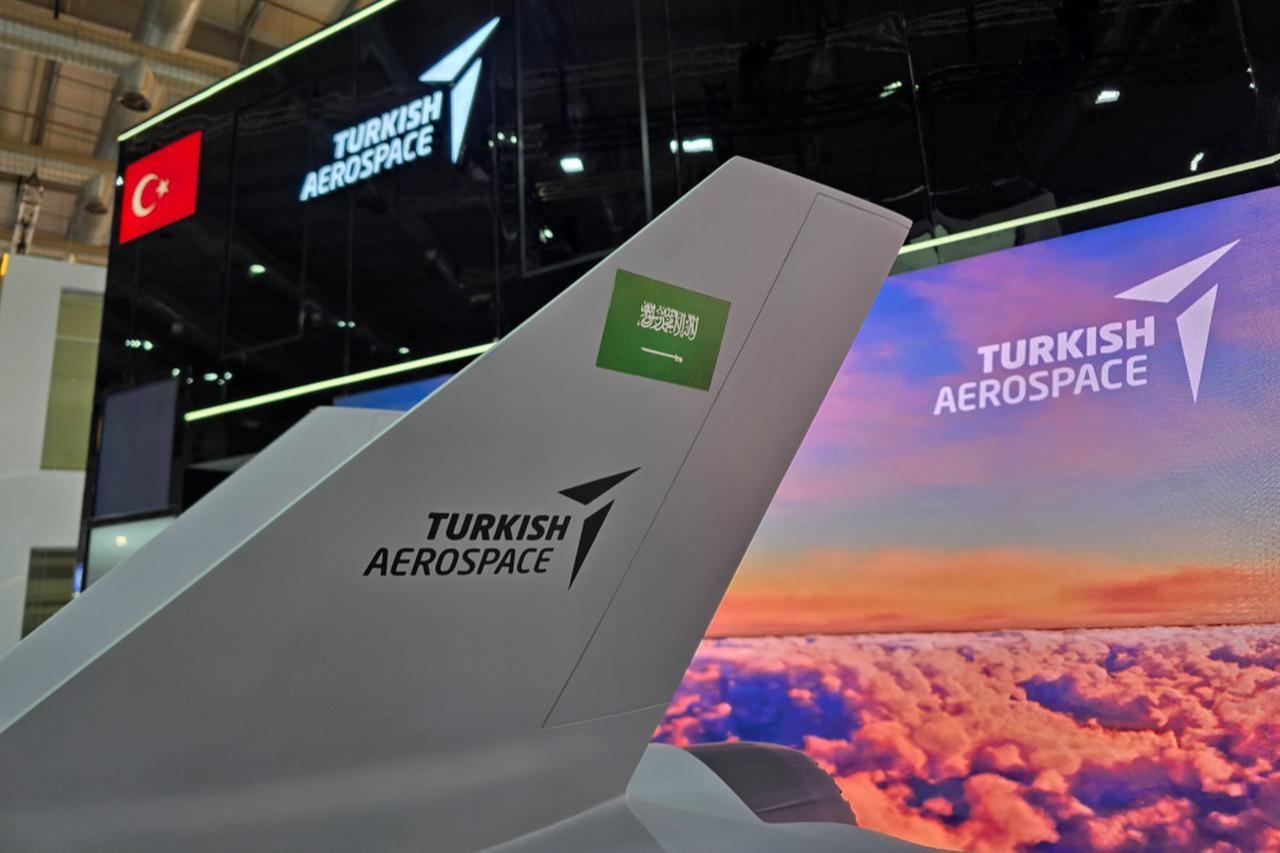


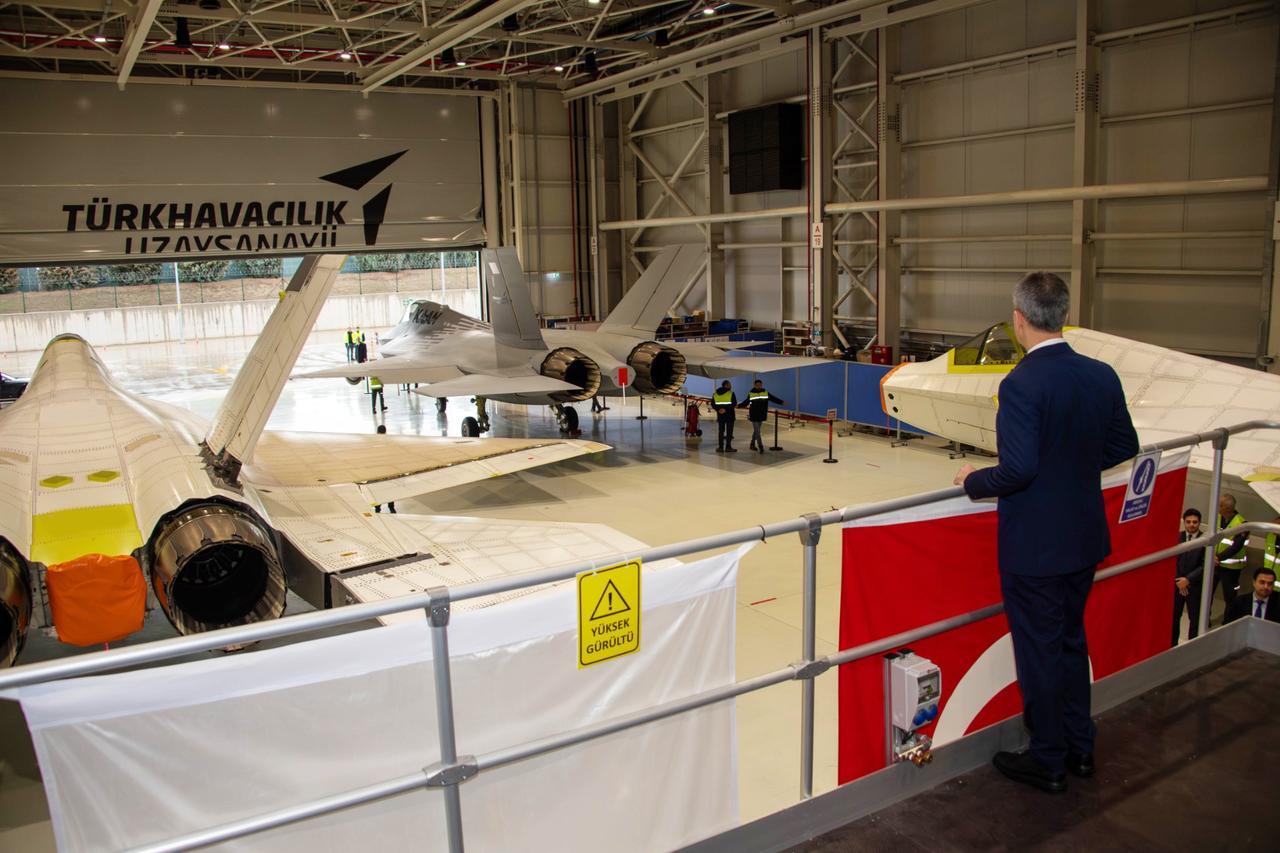
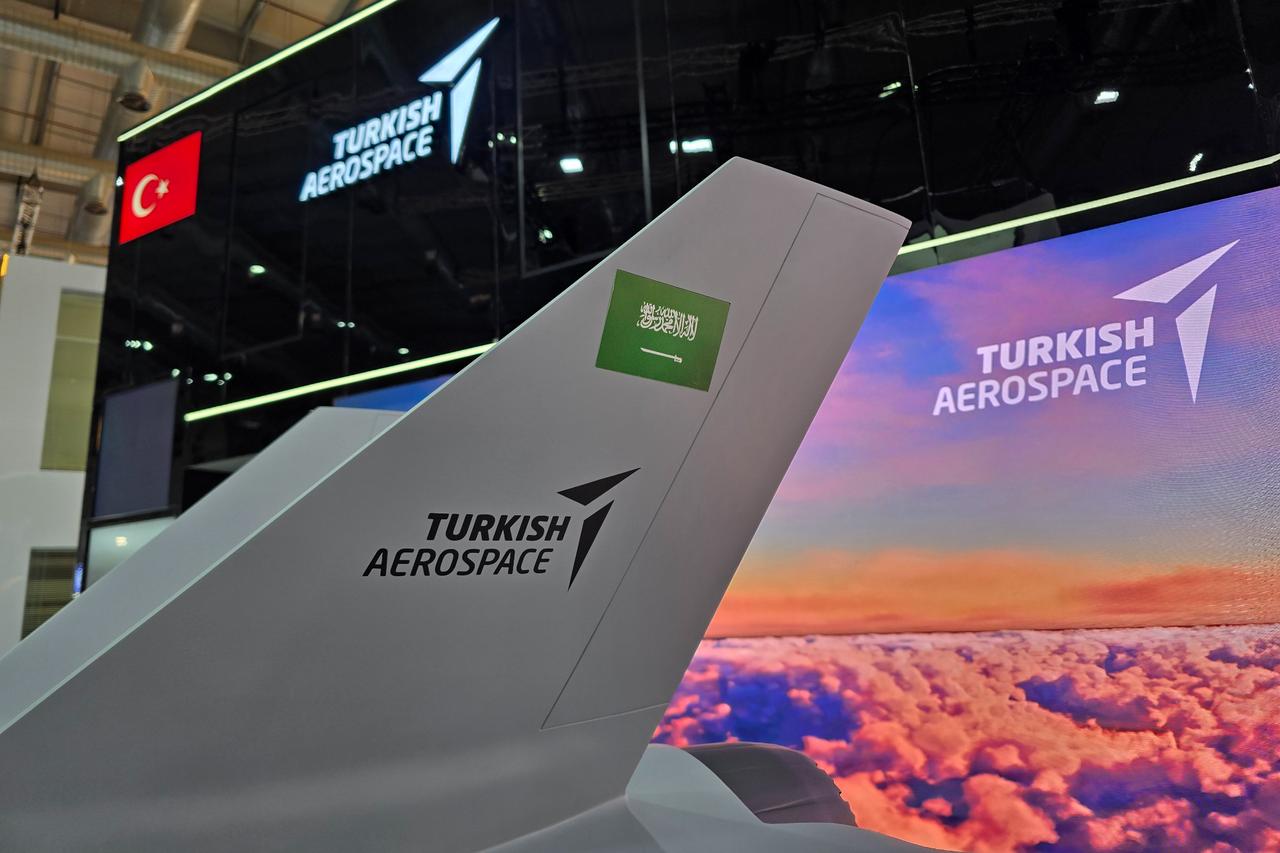
The Trump administration is pressing Saudi Arabia for clarity on its potential participation in Türkiye's fifth-generation KAAN fighter jet program, with U.S. officials questioning why the Riyadh would pursue the Turkish jet when American alternatives are 'available'.
"The message to the Saudis has been, 'What need do you feel is not being met by the U.S., that you need to go to Türkiye for the KAAN?'" a U.S. official told Middle East Eye (MEE), speaking on condition of anonymity.
"This administration wants to be the sole provider, putting American exports first," the source added.
"Saudi Arabia's bid to diversify its weapons partners is rankling the Trump administration, which sees deals with countries like Türkiye potentially cutting into the U.S. share of the kingdom's arms market," current and former U.S. officials told MEE.

Following pushback from Washington, Saudi Arabia assured the U.S. it would not purchase Pakistan's JF-17 fighter jet after reports emerged it could convert billions of dollars in loans to Islamabad for the warplane, a U.S. official said.
However, U.S. officials have not received similar guarantees from Saudi Arabia about its potential participation in Türkiye's next-generation KAAN fighter program.
A U.S. official said the Trump administration does not view a potential KAAN deal as replacing the F-35, but as Saudi Arabia leaving cash on the table for additional U.S. purchases.
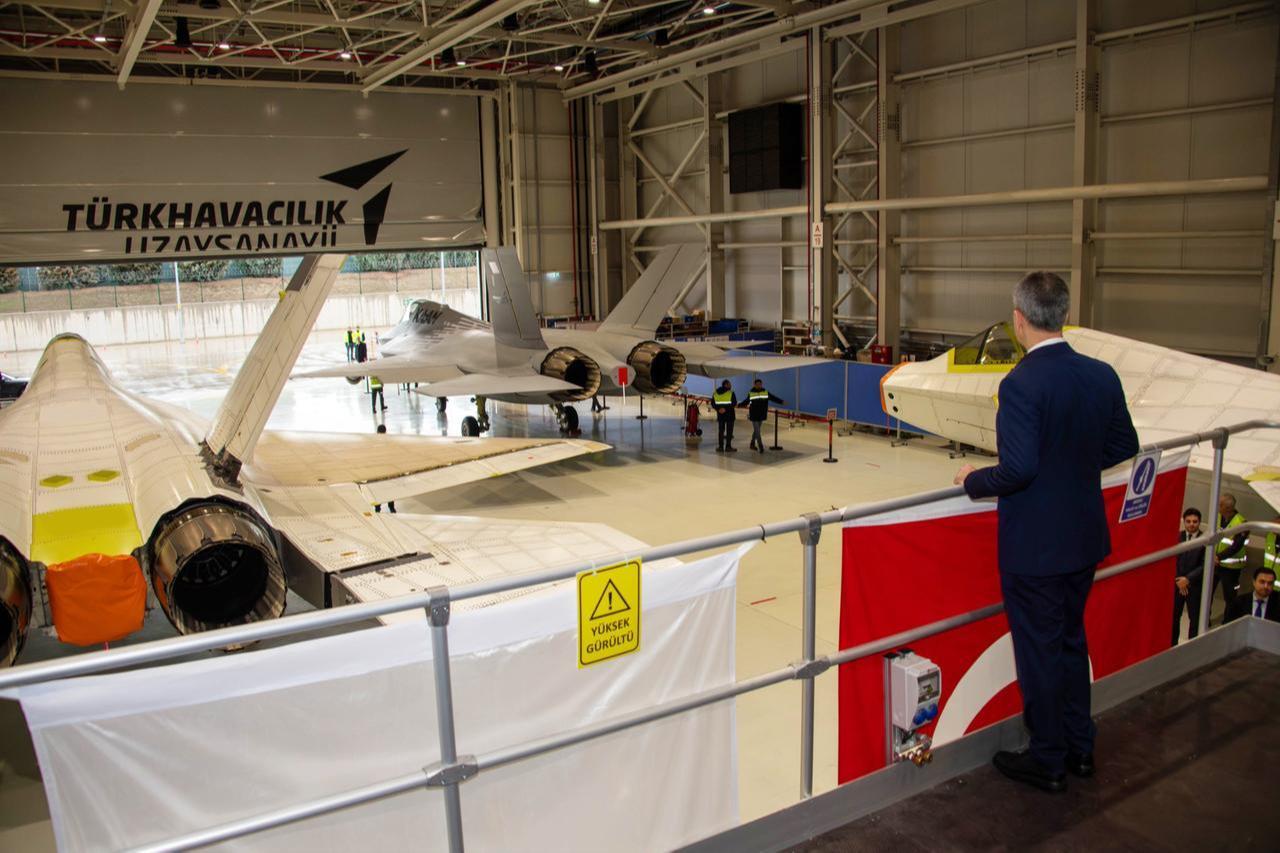
Turkish Aerospace Industries (TAI) is in the "final stages" of negotiations with Saudi Arabia over the kingdom's potential participation in the KAAN program, with a decision expected this year, company CEO Mehmet Demiroglu told Breaking Defense on Feb. 12 at World Defense Show 2026.
"It is in the final stages of decision-making process. We are hoping to reach a milestone this year, the start of a program at any level," Demiroglu said.
The deal could involve a sale of approximately 20 aircraft—a "small squadron"—or sharing parts of production, Demiroglu said, adding that, "If you want to build something here, like a final assembly line, that feasibility study suggests that it should be at least 50 planes."
Demiroglu said TAI has discussed "pretty much everything, with the timeline, with the benefit, with the cost, all the feasibility studies is there," and the company is waiting for Saudi Arabia to decide on the model of purchase and cooperation.


 Set as preferred source
 Set as preferred source


 2 min read
 1 min read