Newsletters


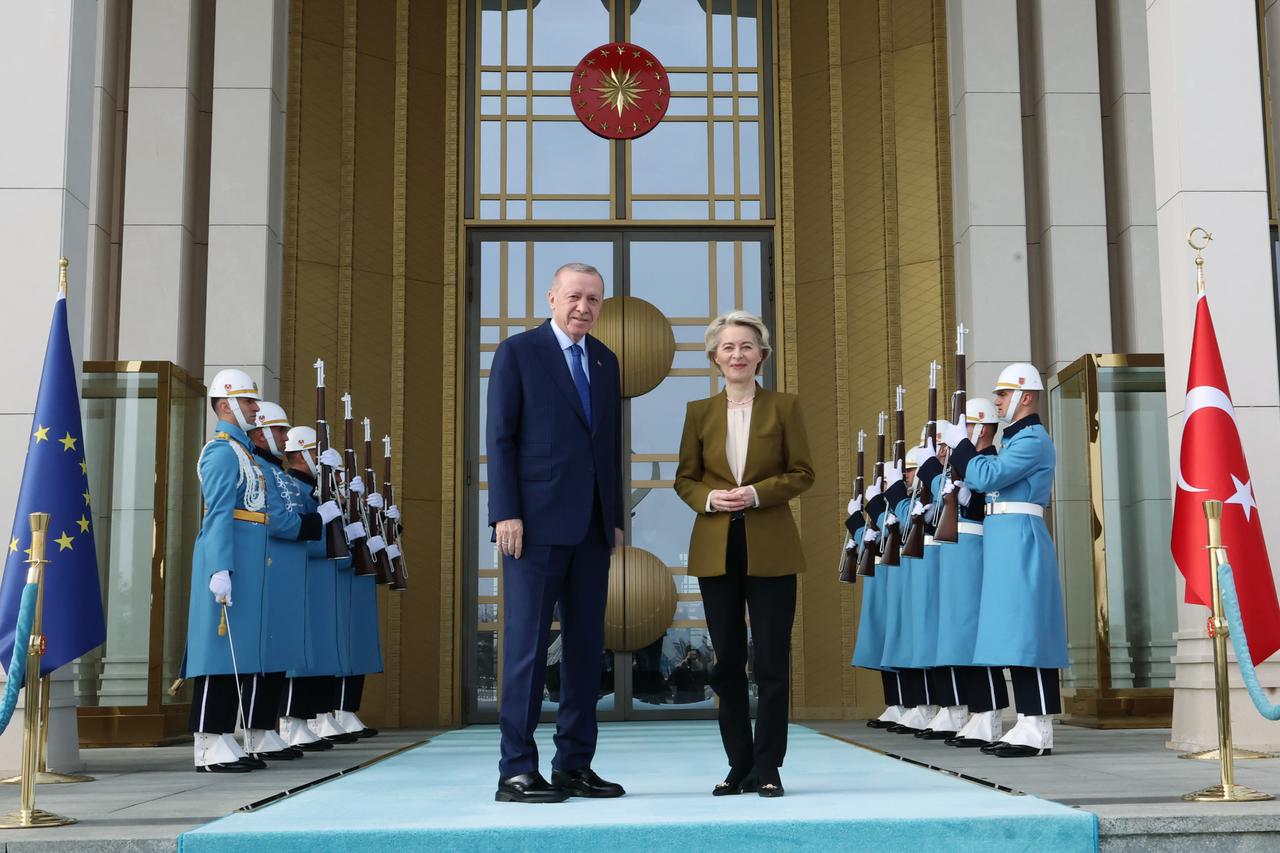


European Commission President Ursula von der Leyen said the European Union’s enlargement is a geopolitical necessity, warning that the region should not be left to the influence of Russia, Türkiye or China.
Speaking at the 80th anniversary event of the German newspaper Die Zeit in Hamburg, von der Leyen said: "We must succeed in completing the European continent so that it does not fall under Russian, Turkish or Chinese influence. We must think bigger and more geopolitically."
Von der Leyen added that Europe’s previous model, relying on cheap energy from Russia, low-cost labor from China, and security support from the United States, has come to an end.
“We must completely reposition ourselves. We must become more independent,” she said.
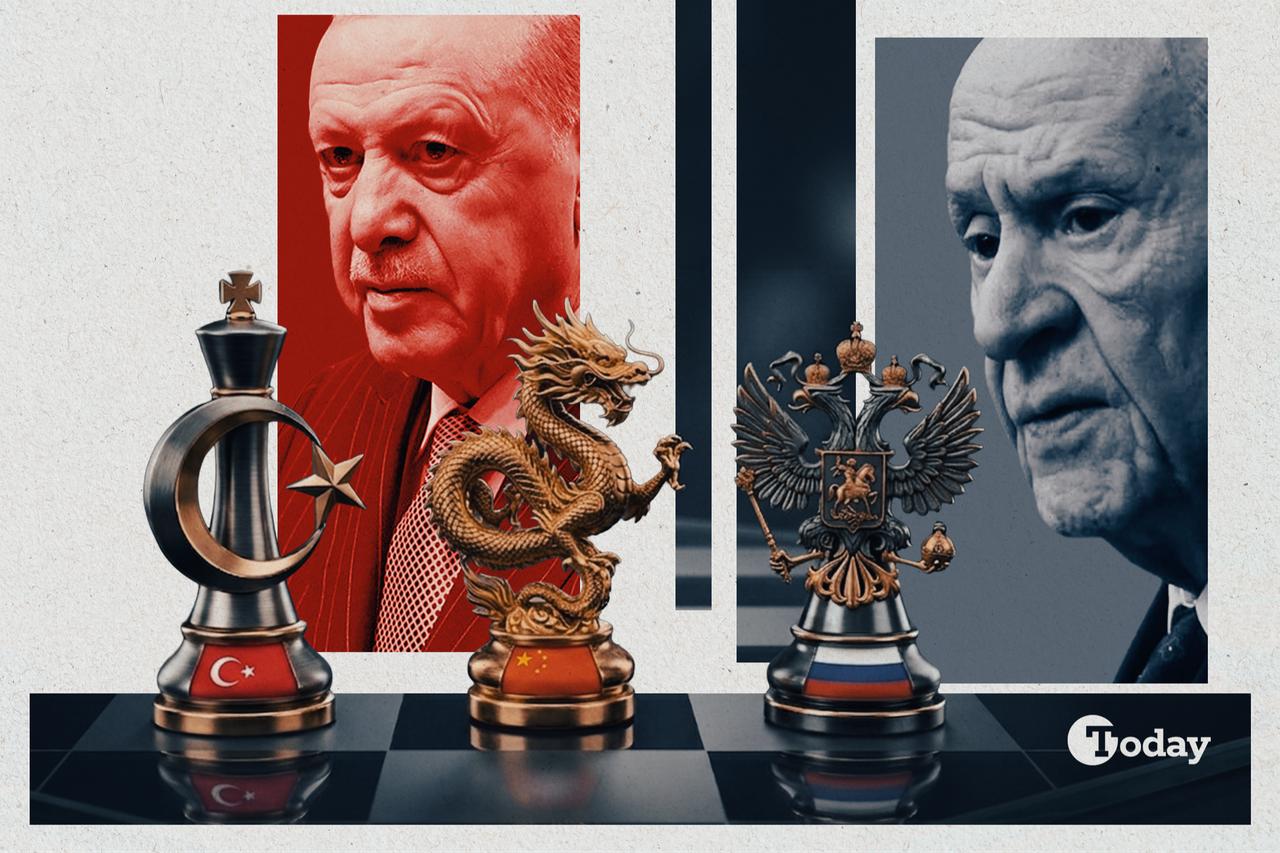
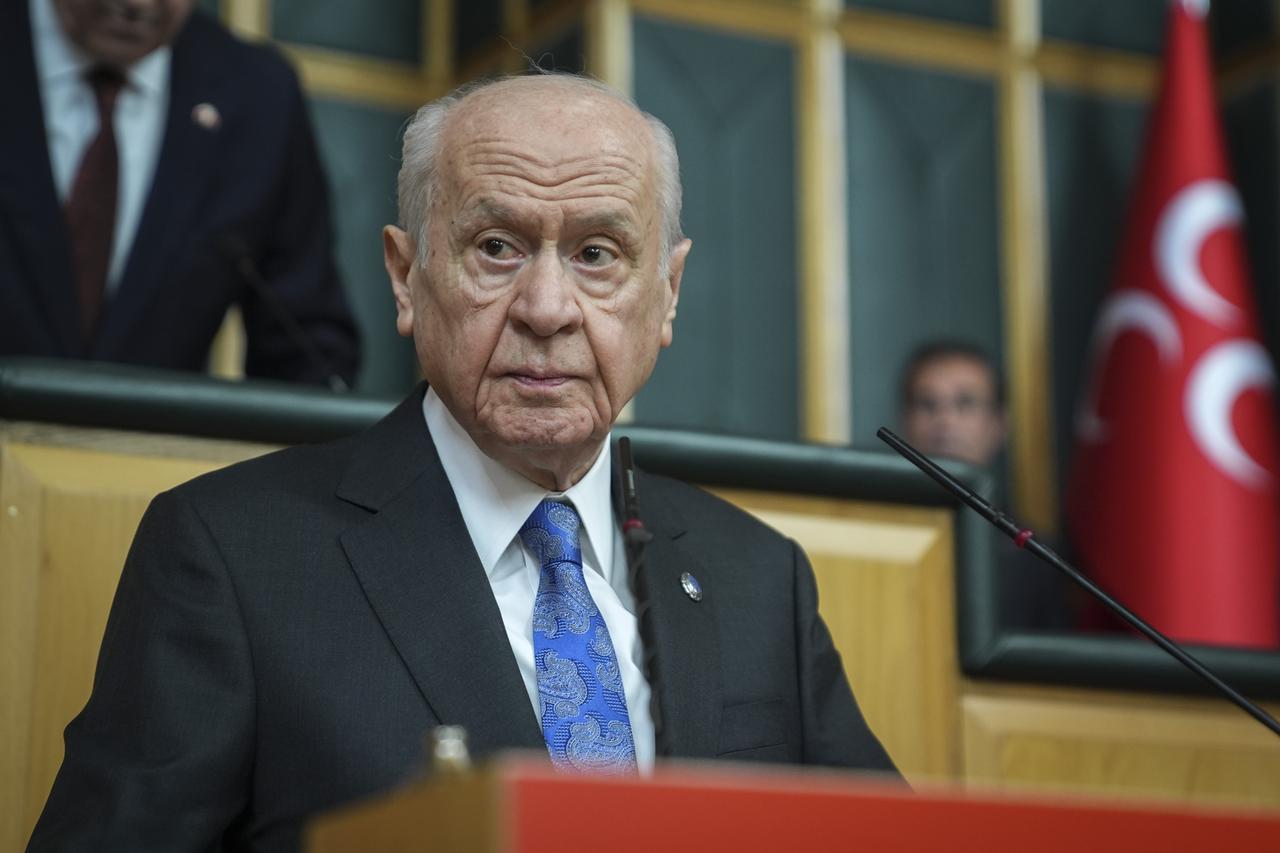
The remarks come amid calls by Türkiye’s Nationalist Movement Party (MHP) for a proposed Türkiye-Russia-China alliance.
In March, MHP Deputy Chairperson Ilyas Topsakal traveled to Moscow on the instructions of party leader Devlet Bahceli, a close ally of President Recep Tayyip Erdogan, to promote the initiative.
“Our party leader, Bahceli, tasked me with this visit to Moscow to hold talks with political parties, bureaucrats, and intellectuals and to explain the content of this initiative in detail,” Topsakal told Russia’s Vedomosti newspaper, describing the proposal as an alternative to what the party calls a “U.S.-Israel evil coalition.”
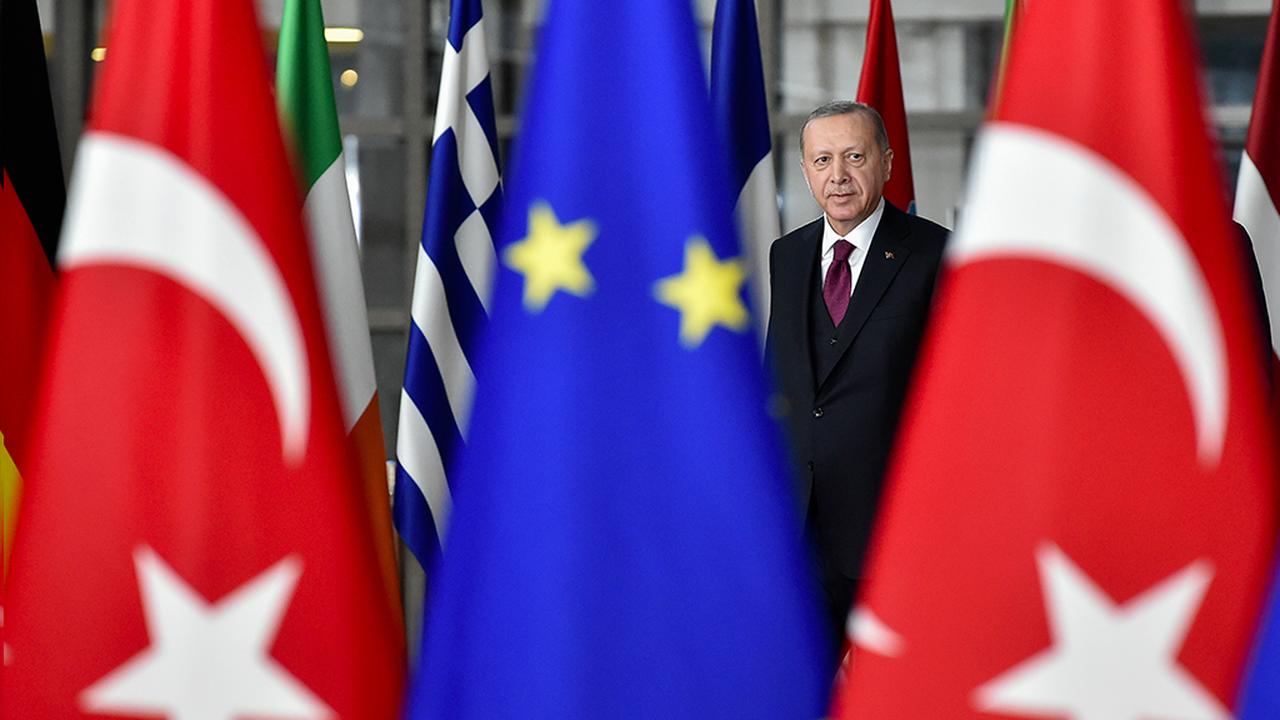

Separately, European Commissioner for Neighbourhood and Enlargement Marta Kos stressed Türkiye’s importance in Europe’s evolving geopolitical landscape.
“We need Türkiye in light of the changing geopolitical realities in Europe and the Middle East,” Kos said during a speech at the European Parliament.
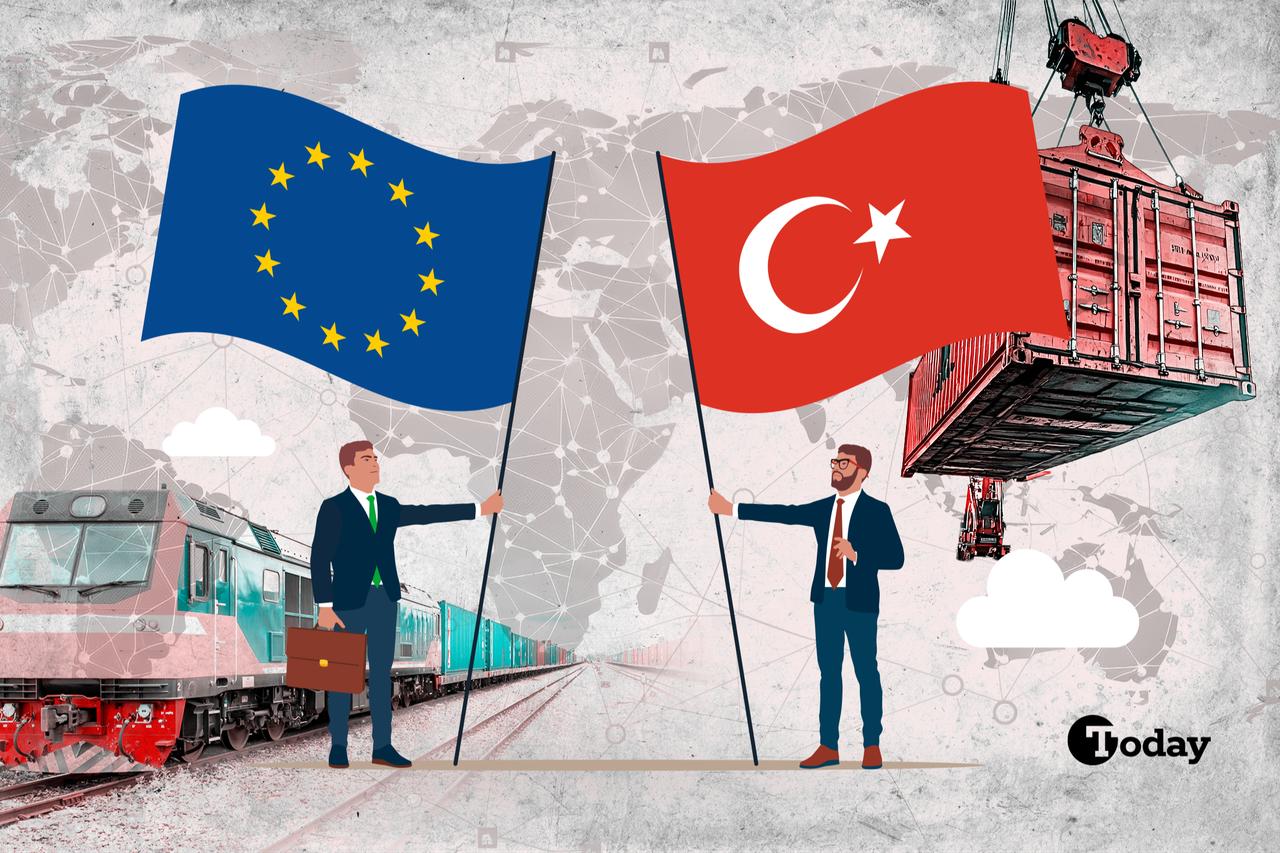
“Türkiye is the EU’s fifth-largest trading partner; the trade volume is twice as large as that with Mercosur or India. It is vital for trade routes between Europe and Asia,” she said.
Kos added that Türkiye would also be needed for any future peace arrangement in Ukraine.
“In addition, Türkiye will be needed for any peace arrangement for Ukraine (NATO’s second-largest army), as we will face a new security environment in the Black Sea region,” she said.
She called for bolder steps to strengthen partnerships, particularly in neighboring regions, noting that her recent visits to Türkiye, Armenia and Azerbaijan should be viewed in that context.
“I recently went to Ankara and we agreed to explore opportunities to reduce trade barriers,” she said, adding that the EU also expects Türkiye to take steps regarding Cyprus island.
Kos also underlined the growing importance of trade routes passing through Türkiye and the South Caucasus.
“Together, we want to develop new transport, energy and digital lines through the South Caucasus. These connections could reduce strategic dependencies by linking Europe more closely to Central Asia,” she said.
“At a time when wars continue in the north and south, trade routes developing through Türkiye and the South Caucasus have become vital. Since 2022, trade volume along this route has quadrupled. With the right investments, it could triple again by 2030.”


 Set as preferred source
 Set as preferred source


 2 min read
 1 min read