Newsletters


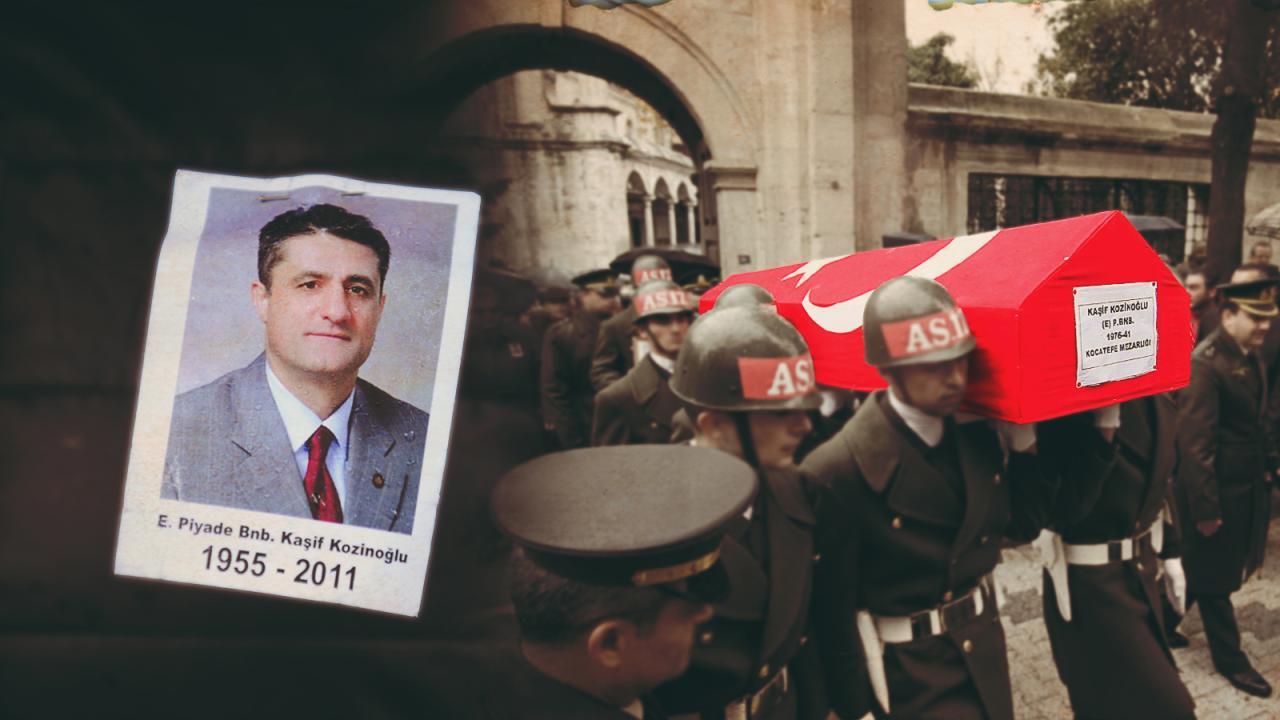
The reopened probe into the death of former Turkish intelligence officer Kasif Kozinoglu has led to nine arrests, an exhumation, and questioning of a hit TV drama's writers, nearly 15 years after the former intelligence official died in custody at Silivri Prison in Istanbul. Among those now behind bars are the chief prosecutor who closed the case in 2012 and a one-time intelligence operative already convicted of espionage.
Justice Minister Akin Gurlek announced on Sept. 7 that the investigation had restarted after the Silivri Criminal Judgeship of Peace lifted the earlier non-prosecution decision on Aug. 26.
"Even if years pass, we are determined not to leave any suspicious death in the dark," Gurlek said on his X account. "We are taking up again the files that raise question marks in the public conscience, regardless of the time that has passed, and we are tracing every piece of evidence that can be reached."
Kozinoglu, a former National Intelligence Organization (MIT) official, was being held as part of the Ergenekon investigation when he died.
According to Gurlek, Kozinoglu fell ill on Nov. 12, 2011, at the Silivri No. 1 L-Type Closed Penal Institution and was found to have died on arrival at the Silivri State Hospital.
The original investigation reviewed camera footage and medical records and took statements from prison, gendarmerie and medical staff, cellmates and his wife, Gurlek said.
Prosecutors then ruled on April 10, 2012, that there were no grounds to prosecute.
Gurlek said the Justice Ministry's Department for the Investigation of Unsolved Crimes re-examined the file. The new investigation runs under a confidentiality order, and a special team is working to shed light on the incident in all its aspects, he added.
A newly surfaced referral letter dated March 10, 2011, shows then-Istanbul prosecutor Zekeriya Oz sought Kozinoglu's arrest on charges including membership in an armed terrorist organization. Oz later faced investigations tied to FETO, was expelled from the profession in 2015, and remains a fugitive.

The first wave targeted 11 people working at the prison when Kozinoglu died. Gurlek said 10 were detained and one was found to be abroad as a FETO fugitive, adding that prosecutors were working with the Istanbul Provincial Gendarmerie Command to uncover the truth and hold any responsible parties to account.
A court arrested one of the 10 and released the rest, seven of them, under judicial control.
Gendarmes then detained nine more people, including a reporter, a cameraman, and seven health workers. A court arrested three, the reporter among them: Selahattin Gunday for violating the National Intelligence Organization law, and Ozlem Uslu and Emre Atmaca for organization membership and intentional killing.
Next came the officials who handled the original case.
On Sept. 18, a court arrested Ali Isgoren, Silivri's chief public prosecutor at the time, who issued the non-prosecution decision, and Necip Dogan, then the prison prosecutor, who took part in the scene examination, on charges of criminal organization membership.
Both were later expelled from the profession under terrorist organization FETO investigations.
Kozinoglu's cellmates, retired navy Lt. Hasan Ataman Yildirim and retired gendarmerie Col. Hasan Atilla Ugur, received house arrest on an intentional killing charge, with prosecutors citing their health and ages. Gendarmes detained Ugur at airport passport control on his return from Turkish Cyprus.
On Sept. 21, a court arrested former journalist Osman Arslan on espionage-related and criminal organization charges. Then-prison director Omer Vatan and then-shift supervisor Kazim Beyke walked free under a travel ban.
A day later, a court arrested Enver Altayli, a former intelligence operative convicted of political and military espionage in 2021, on a charge of incitement to intentional killing.
Details of Ugur's statement, which emerged Sept. 19, left several key moments unexplained.
He said Kozinoglu complained of chest tightness and called out to him: "You had a sublingual pill, bring me one of those."
"So I gave him the sublingual pill he wanted, but I don't remember where I got it from," Ugur told prosecutors. "I also don't remember where we got the blood pressure device from."
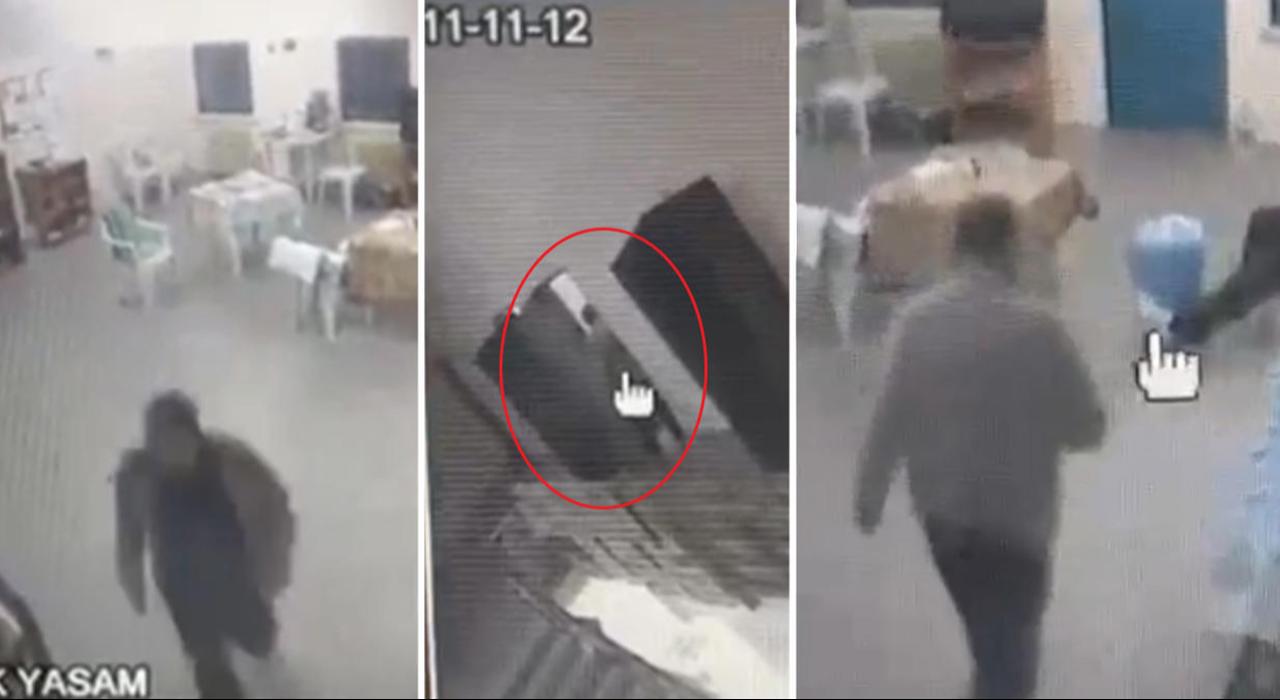
Prison footage showed Ugur entering Kozinoglu's room at 6:40 p.m., staying about four minutes and leaving with his hands behind his back and an object in his right hand, according to the interrogation record.
Asked what he was holding, Ugur said: "I don't remember what was in my hand, and I don't think there was an object either."
Prosecutors also asked why Yildirim left Kozinoglu's room shortly afterward holding a glass and showed it to Ugur. "I don't know the reason for this, and I don't remember why he showed me the glass," Ugur replied.
He disowned a signed statement he gave to a judge in the original probe, which said every official had done their duty properly. "Those statements do not belong to me," Ugur said.
His account of how Kozinoglu alerted him also shifted. Ugur once said Kozinoglu "stopped by my room and then went to his own room," but now said: "I may be remembering wrong; he may have shouted while going to his room."
Asked why Kozinoglu and Yildirim prepared and ate a meal within about 14 minutes during walk time, Ugur said: "There is no reason or meaning to this matter. It was daytime anyway."
Ugur denied any involvement or negligence and urged investigators to examine whether the death was intentional, voicing his personal view that FETO had targeted Kozinoglu. His lawyers said he banged on the iron door with kitchen items when staff failed to answer his calls for help.
Teams exhumed Kozinoglu's body Sept. 12 at Umraniye Kocatepe Cemetery in Istanbul to establish the exact cause of death and whether third parties intervened. After about three hours of work, the samples went to the Council of Forensic Medicine.
That institution anchors another thread.
Prosecutors allege that convict Gursoy E. entered it on Nov. 22, 2011, under the pretext of installing a water dispenser and remained alone in the section holding Kozinoglu's tissue and blood samples.
Investigators are examining whether he took or swapped them.
Turgay Tamer, 66, the prison's campus doctor at the time, was found dead at his home in Istanbul's Buyukcekmece district weeks after his release under a travel ban. His wife, who had gone to Moldova 12 days earlier, entered through a window when he did not open the door and found him on the floor.
She told police he had a circulatory disorder in his feet and smoked heavily. Police initially found the death suspicious, and the Buyukcekmece Chief Public Prosecutor's Office opened an investigation.
Silivri prosecutors said Tamer "is not a forensic medicine doctor" and that Kozinoglu's worsening condition was never reported to him. "Therefore, he did not perform any medical intervention on Kozinoglu," the office said, adding that health problems had kept Tamer from practicing for some time.
The Kasif Kozinoglu death investigation has moved beyond the prison staff on duty in 2011 to the prosecutors who closed the file, a convicted former intelligence operative and people tied to a hit TV series.
Gurlek has framed it as part of a wider push: "We will continue to pursue unsolved murders, suspicious deaths and files that remain unanswered in the public conscience with the same determination. We will not allow any file to be forgotten or any suspicion to be left uninvestigated."
Prosecutors opened Kozinoglu's grave to answer the question at the heart of the case: what killed him, and did anyone else play a role? The samples now at the Council of Forensic Medicine could help settle it as the investigation into Kasif Kozinoglu's death continues.


 Set as preferred source
 Set as preferred source



 6 min read