Newsletters


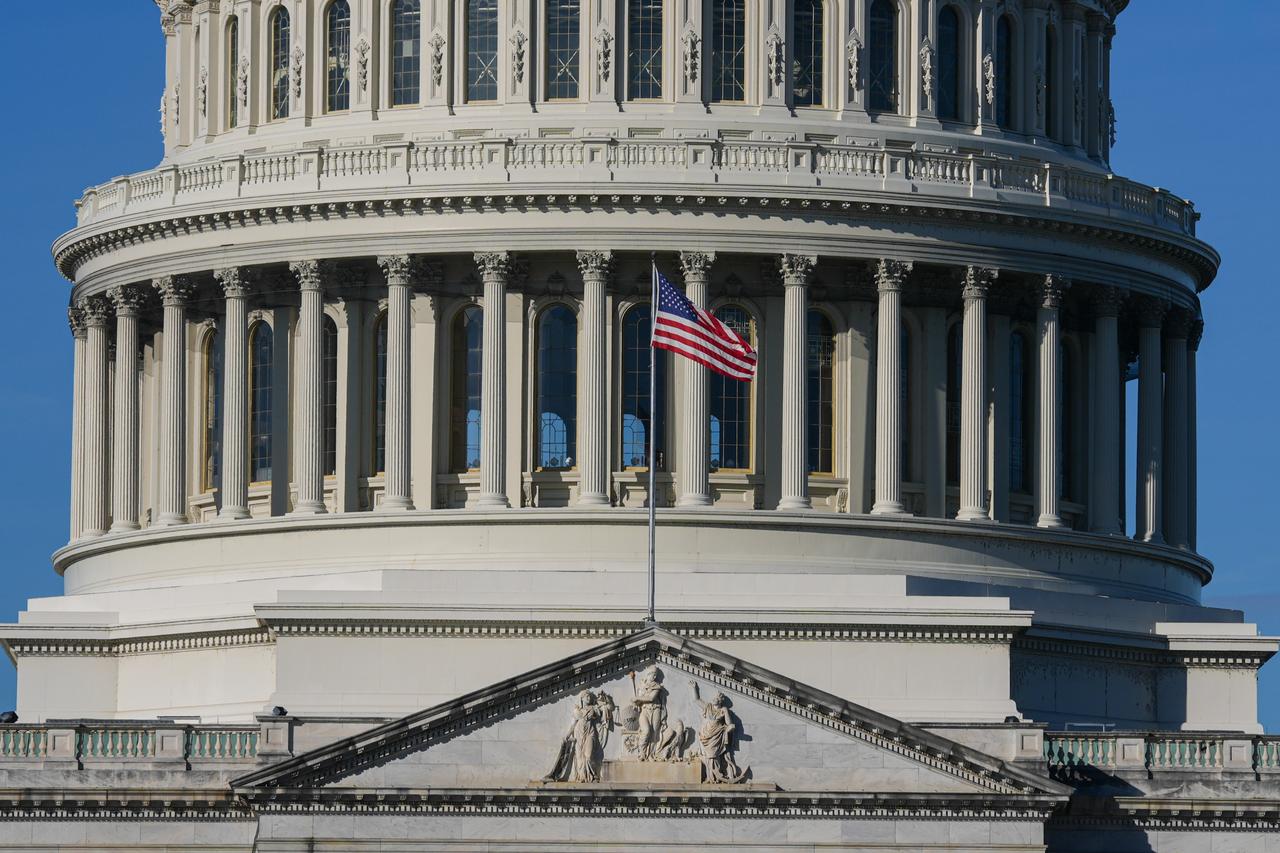


Cagri Sakar spent four years, from 2019 to 2023, as Türkiye’s ambassador in Pristina. Last October, he took over the consulate general in Houston. No one at the foreign ministry calls it a demotion, yet the slide from a capital to a city is hard to miss. And Sakar is far from alone.
Yesim Kebapcioglu, named to Miami by a decree last August, was ambassador in Santo Domingo from 2020 to 2024. Muhittin Ahmet Yazal, who has run the New York consulate general since August 2024, served as ambassador in Ulaanbaatar from 2017 to 2021.
Three of Türkiye’s six consuls general in the United States have ambassadors on their resumes. Add Sedat Onal at the embassy in Washington, and the roster reads like a senior diplomatic seminar spread across American time zones.
Last month, Ankara decided to add San Francisco to the list of its consulates across the United States. Türkiye already has consulates general in Boston, New York, Miami, Houston, Chicago and Los Angeles. The seventh goes to the center of the Silicon Valley economy, home to hundreds of technology companies and a growing number of Turkish founders, engineers and academics.
The official rationale is straightforward. The new post is expected to develop economic, commercial, technological and academic ties, and to deliver consular services to Turkish citizens in the region more efficiently. Anyone who has tried to renew a passport across a time zone will understand the second half of that sentence.
The first half is where the interesting part begins.
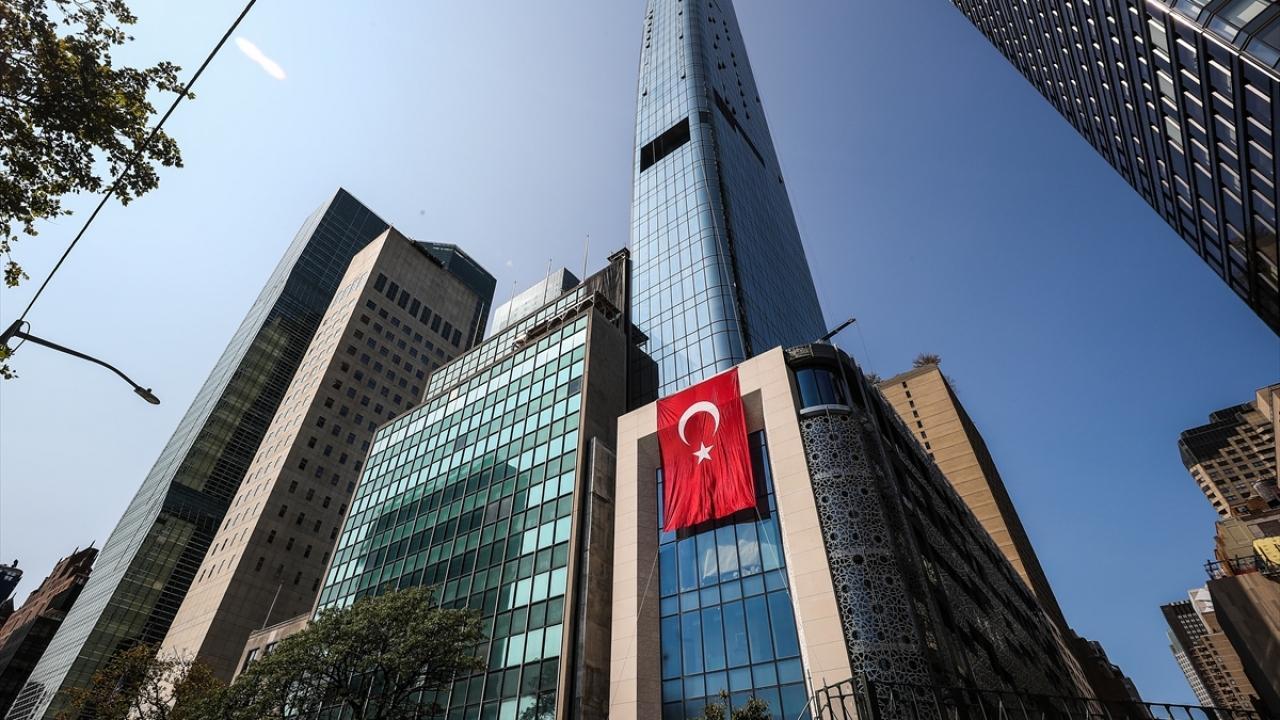

People familiar with the issue note that Türkiye’s embassy in Washington has been aligning its views with Ankara to open consulates across various states and lean into what political scientists call subnational diplomacy, or asymmetric paradiplomacy, essentially conducting foreign policy by dealing directly with governors, mayors, and state economic agencies instead of going through the federal government alone.
The argument from Turkish diplomats on the ground is practical. Engagement at the local level produces faster and more concrete results, and the federal government is not the sole representative of 50 states.
Strategy is only part of the story. The assignments also reflect a management angle for the Foreign Ministry: experienced ambassadors tend to accumulate at headquarters in Ankara between foreign postings.
Consulates general in large American cities give the ministry a place to send them where their seniority is useful. A former ambassador to Kosovo, in other words, arrives in Houston already knowing how to call on a head of government’s office and how to read a room full of people who want something.
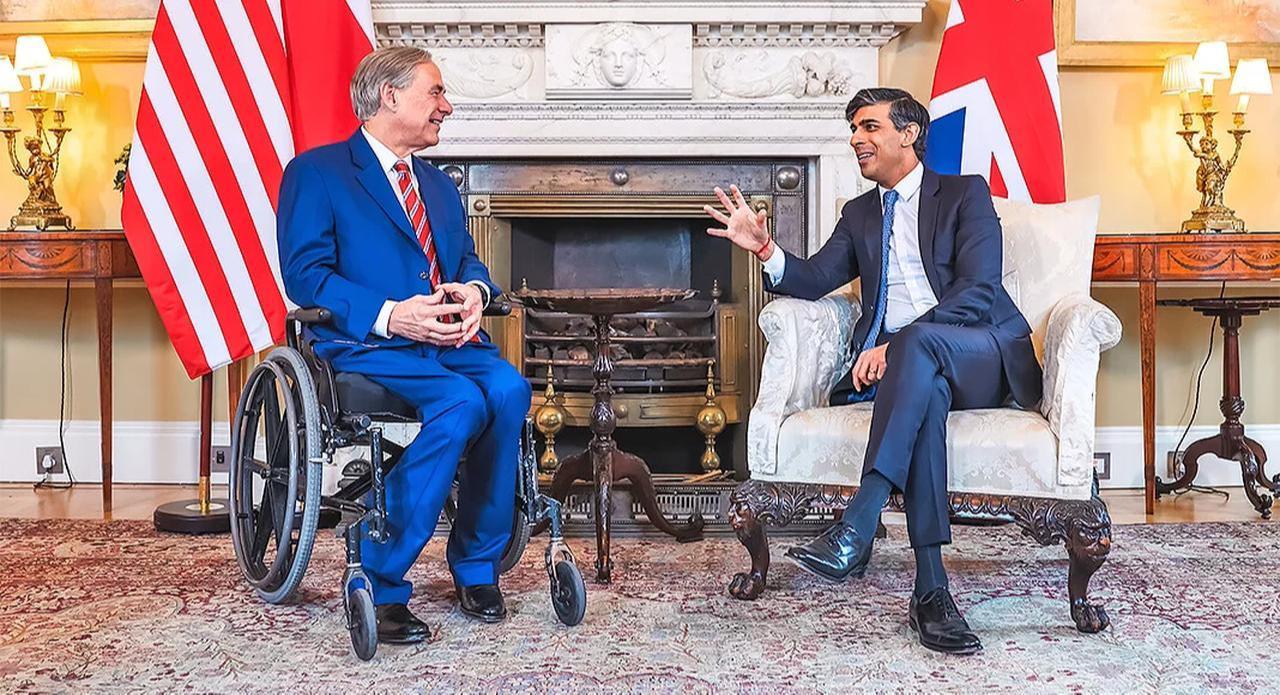
The clearest evidence that this emerging approach is spreading comes from London. After failing to secure a federal free trade agreement with the United States, the British government changed course.
Since 2022, it has signed separate economic cooperation and trade memoranda of understanding with eight states, among them Texas and Florida, plus Indiana, North Carolina, South Carolina, Oklahoma, Utah and Washington.
When a G7 economy negotiates with American states instead of the American government, it tells you where deals are getting done.
For diplomats who study the field, subnational engagement has stopped being a complement to federal diplomacy and become a core part of it.

The trend runs in both directions. In 2022, the U.S. Department of State created a City and State Diplomacy unit for the first time, giving the federal government an office whose job is to work with the governors who were already doing this on their own.
Texas, before the elections, was the loudest example. In its external relations, the state regularly used to point out that if it were a country, it would be the world’s eighth-largest economy.
In 2024 and 2025, Gov. Greg Abbott personally hosted German federal ministers in Austin. Trade between Texas and Germany exceeds $19 billion a year, and Texas accounts for 10.4% of all U.S. exports to Germany.
The motives vary by party. Democratic-leaning states such as California, New York and Maryland have built their own international networks on climate and human rights.
Republican and swing states worry that federal tariffs or trade restrictions could damage local industries, so they negotiate directly to work around federal inertia. In both cases, states can build relationships on commercial terms without passing through the ideological filters that shape federal foreign policy. A governor’s office in Austin has no obligation to match Washington’s position on Ankara, or on anyone else.
That attention is also reaching Türkiye. U.S. embassy and consulate accounts announced earlier this year that Virginia would spend the month presenting itself across multiple Turkish cities. The program was framed as economic promotion and put Virginia’s development officials directly in front of Turkish business representatives.
For the Turkish participants, that meant access to state-level economic decision-makers without routing the conversation through Washington. The sessions centered on investment, trade and sectoral cooperation, with no political communique attached.
Türkiye is testing the model from its end by sending experienced diplomats into American cities where the decisions on investment, ports, universities and data centers are made by people who do not work in the federal capital.
A seventh consulate general in San Francisco gives it a presence at the address where much of the global technology industry is registered.


 Set as preferred source
 Set as preferred source



 3 min read