Newsletters


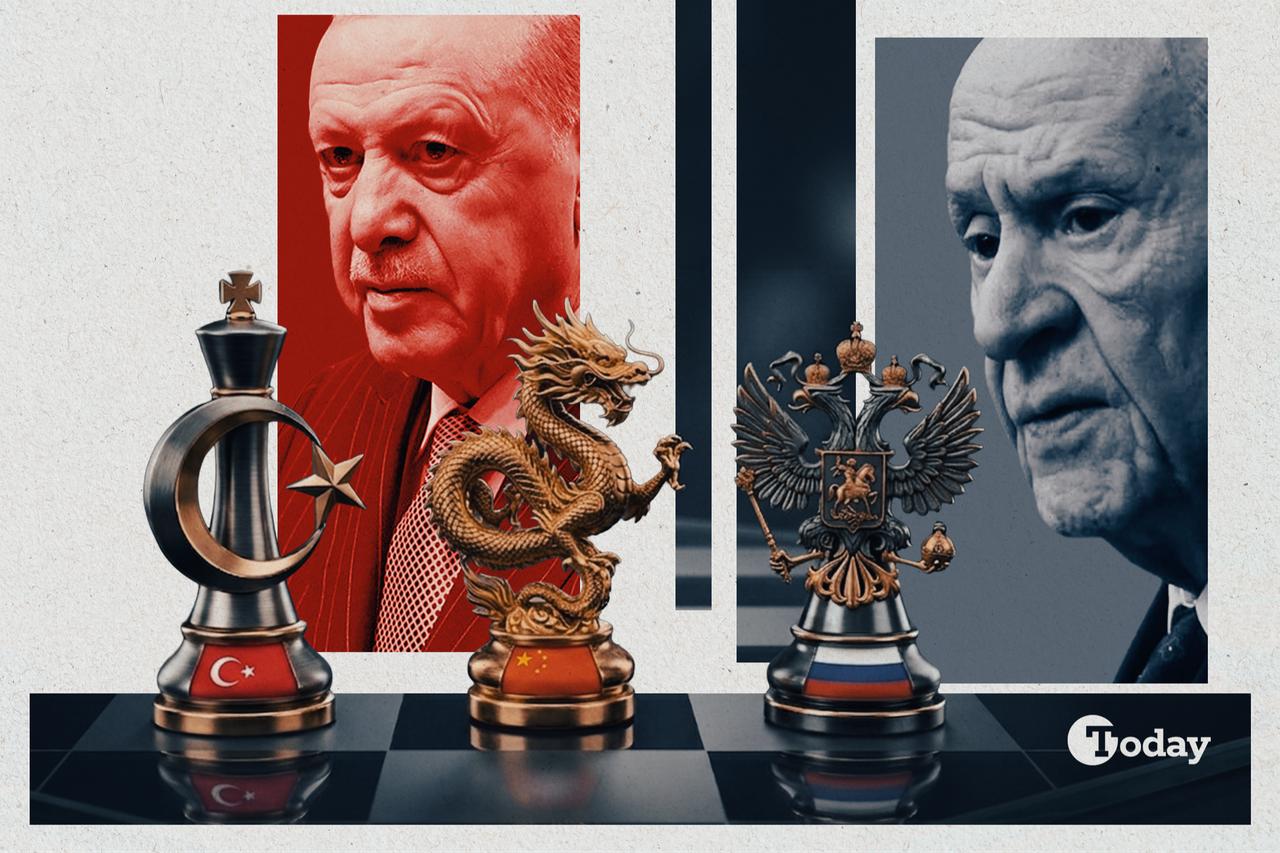


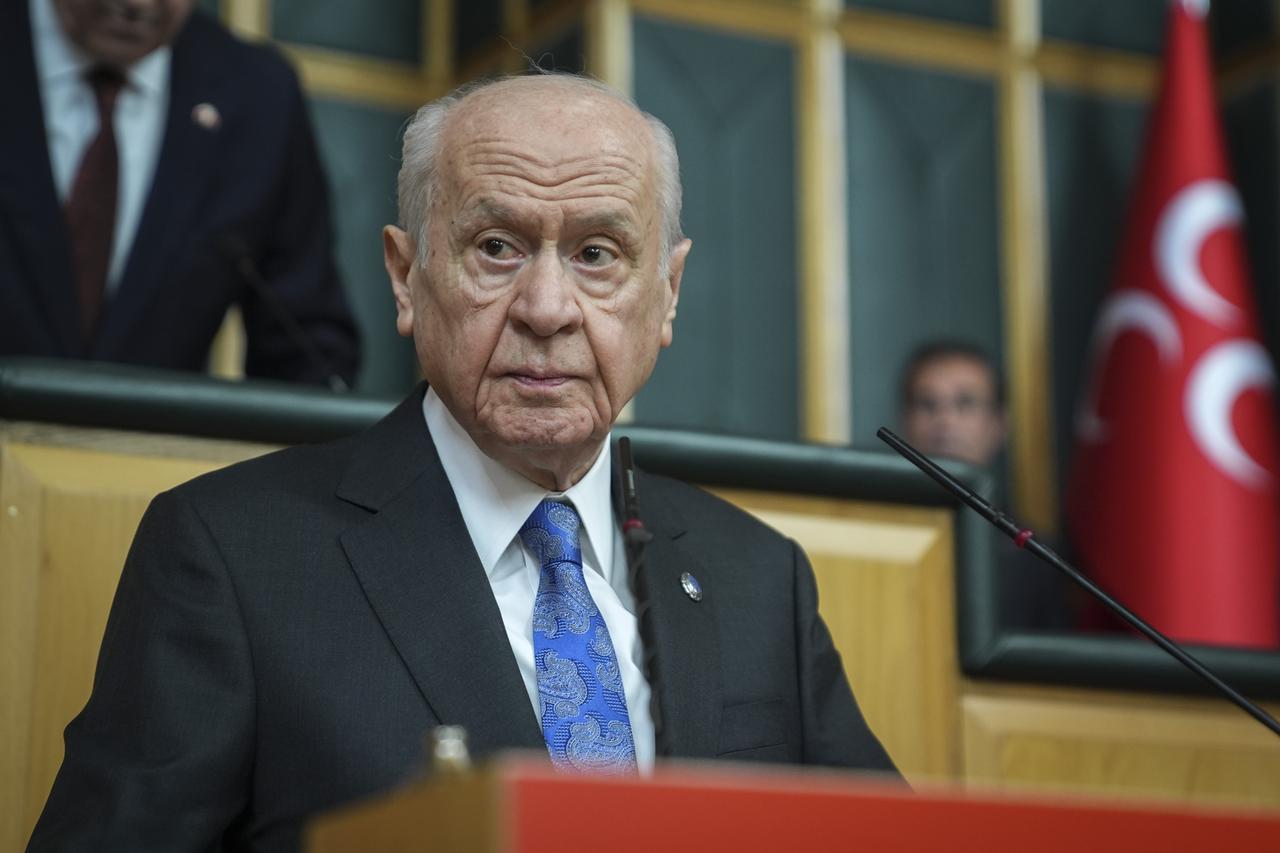
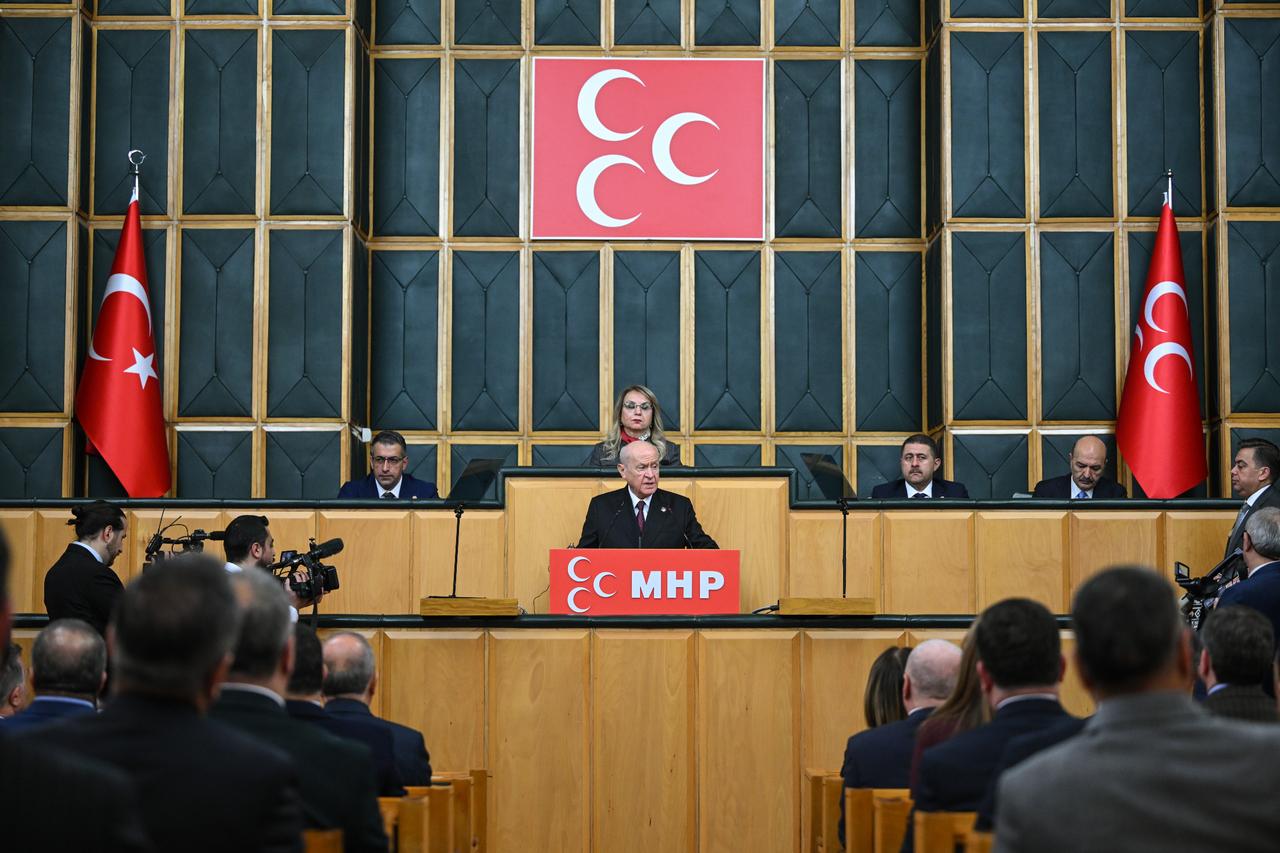
The Turkish government's nationalist ally, the Nationalist Movement Party (MHP), has intensified calls for a strategic alignment between Türkiye, Russia and China.
The proposal is rapidly emerging as one of the most consequential foreign policy debates within Ankara’s political circles.
The renewed push, publicly advanced by MHP leader Devlet Bahceli, a close ally of President Recep Tayyip Erdogan, and senior party figures, goes beyond rhetorical anti-Western positioning. It now appears tied to the party’s long-term strategic expectations for the ruling alliance ahead of the 2028 elections.
The debate escalated after MHP Deputy Chairman Ilyas Topsakal revealed that he traveled to Moscow in March on Bahceli’s direct instructions to promote the idea of a Türkiye-Russia-China partnership during meetings with Russian political figures, bureaucrats, and intellectuals.
According to Topsakal, the MHP seeks not ministerial positions within the ruling coalition but rather “the adoption of a program for cooperation with Russia and China” as its key political expectation heading toward 2028.
Political analysts view the MHP’s recent move as part of preparations for the 2028 elections. They argue the party is gradually losing the political comfort zone it has maintained for years and has brought the alliance debate to the forefront in an effort to preserve its leverage within the ruling bloc.
However, MHP sources who spoke to Türkiye Today on condition of anonymity rejected suggestions that the initiative is driven by electoral concerns, arguing the party has no anxieties over votes or power.
Instead, they said the proposal is intended to strengthen Türkiye’s position amid shifting global dynamics and safeguard the country’s security priorities.
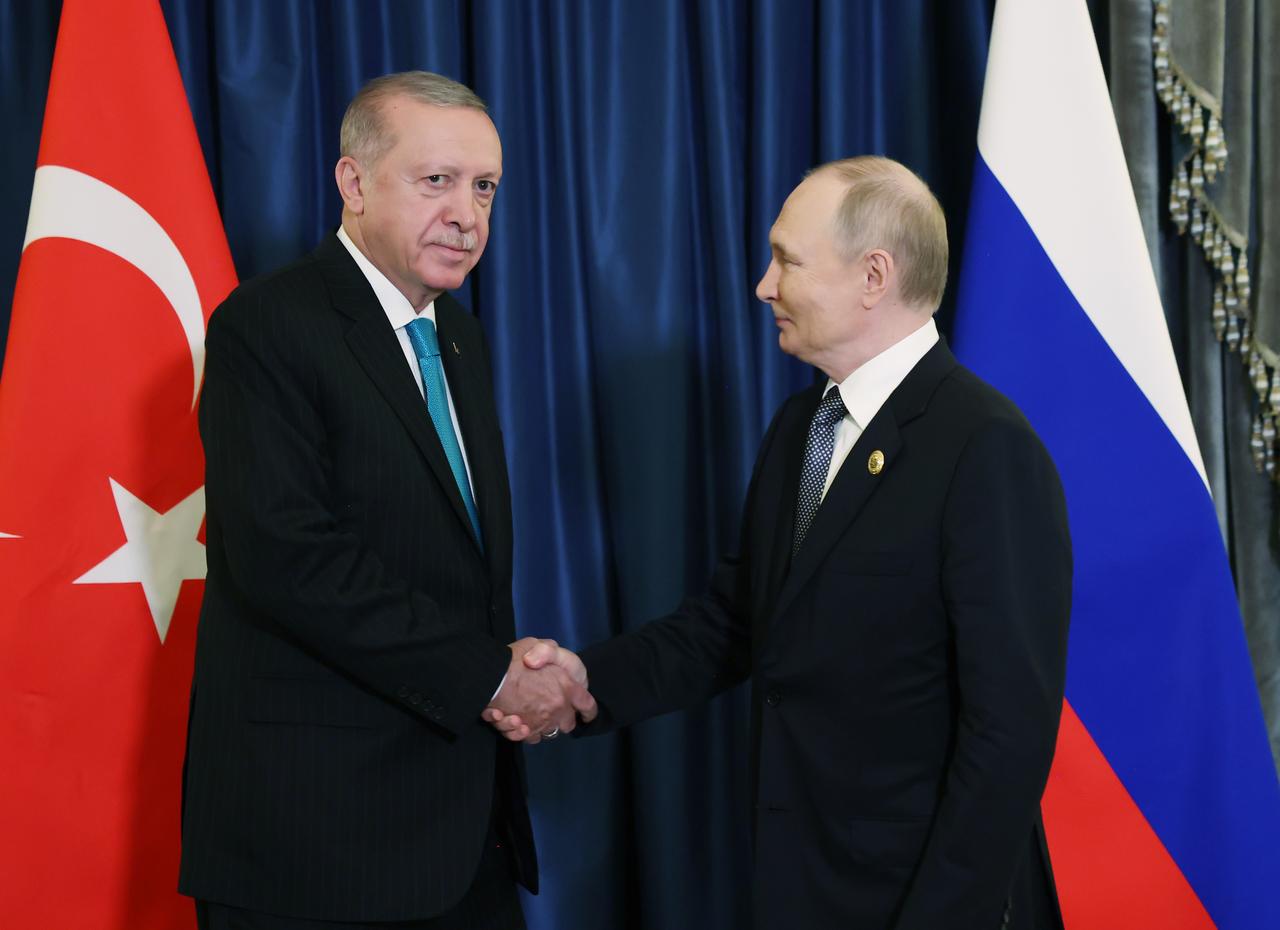

The MHP’s proposal envisions what party officials describe as a strategic Eurasian framework linking Turkish, Russian and Chinese-led institutions.
Topsakal said the idea includes creating “synergy” among organizations such as:
The proposal echoes Russian President Vladimir Putin’s long-promoted “Greater Eurasian Partnership” framework and suggests a significant conceptual shift in MHP strategic thinking.
Perhaps most notably, Topsakal said the party’s traditional pan-Turkist outlook on the post-Soviet space is now viewed by the MHP as “romantic” and “no longer relevant,” advocating instead for “synergy between the Russian World and the Turkic World.”
Bahceli first publicly proposed the Türkiye-Russia-China axis in September 2025, calling for such an alignment against what he described as a U.S.-Israel-led “evil coalition.”
He later expanded the concept by proposing a “World Peace Council” involving Türkiye, the United States, Russia, and the European Union.
Bahceli said escalating tensions had intensified discussion of possible World War III scenarios and called for the creation of a new global peace mechanism.
“Under these circumstances, we propose that, upon the call of U.N. Secretary-General Antonio Guterres, the United States, Russia, China, Türkiye, and the European Union develop a new mechanism under a ‘World Peace Council.’
We believe Türkiye could host such an initiative as well,” he said.
The timing of the renewed push has drawn heightened attention as global tensions deepen following the Middle East war and the widening confrontation involving Iran, the United States and Israel.
The proposal has triggered sharp criticism from opposition figures, most notably from IYI Party leader Musavat Dervisoglu.
“Türkiye will neither be Moscow’s subcontractor, nor Beijing’s market, nor Netanyahu’s excuse for war, nor the game board for domestic adventurers,” Dervisoglu said during his parliamentary group meeting.
He argued Ankara should prioritize addressing its severe bilateral trade deficits with Russia and China rather than pursuing new alliances with governments he claimed have a history of abandoning their partners.
Responding directly to Bahceli’s call, Dervisoglu accused the MHP leader of abandoning the ideological legacy of party founder Alparslan Turkes.
“May Allah spare anyone from the unbearable lightness of being educated in Alparslan Turkes’s school in youth and practicing politics on Dogu Perincek’s line in old age,” he said.
Alparslan Turkes was the founding leader of the MHP, a leading figure of the nationalist movement in Türkiye, and one of the most influential personalities in modern Turkish political history.
The remark was a direct reference to veteran Turkish politician Dogu Perincek, whose anti-Western Eurasianist worldview has long advocated strategic alignment with Russia and China.
MHP officials quickly rejected Dervisoglu’s criticism, defending Bahceli’s position and arguing that the party’s geopolitical outlook reflects realism rather than ideological drift.
In a written statement, MHP Secretary General Ismet Buyukataman said Bahceli’s worldview stems from “reading global realities correctly” and argued that critics had failed to grasp the strategic transformations underway in international politics.
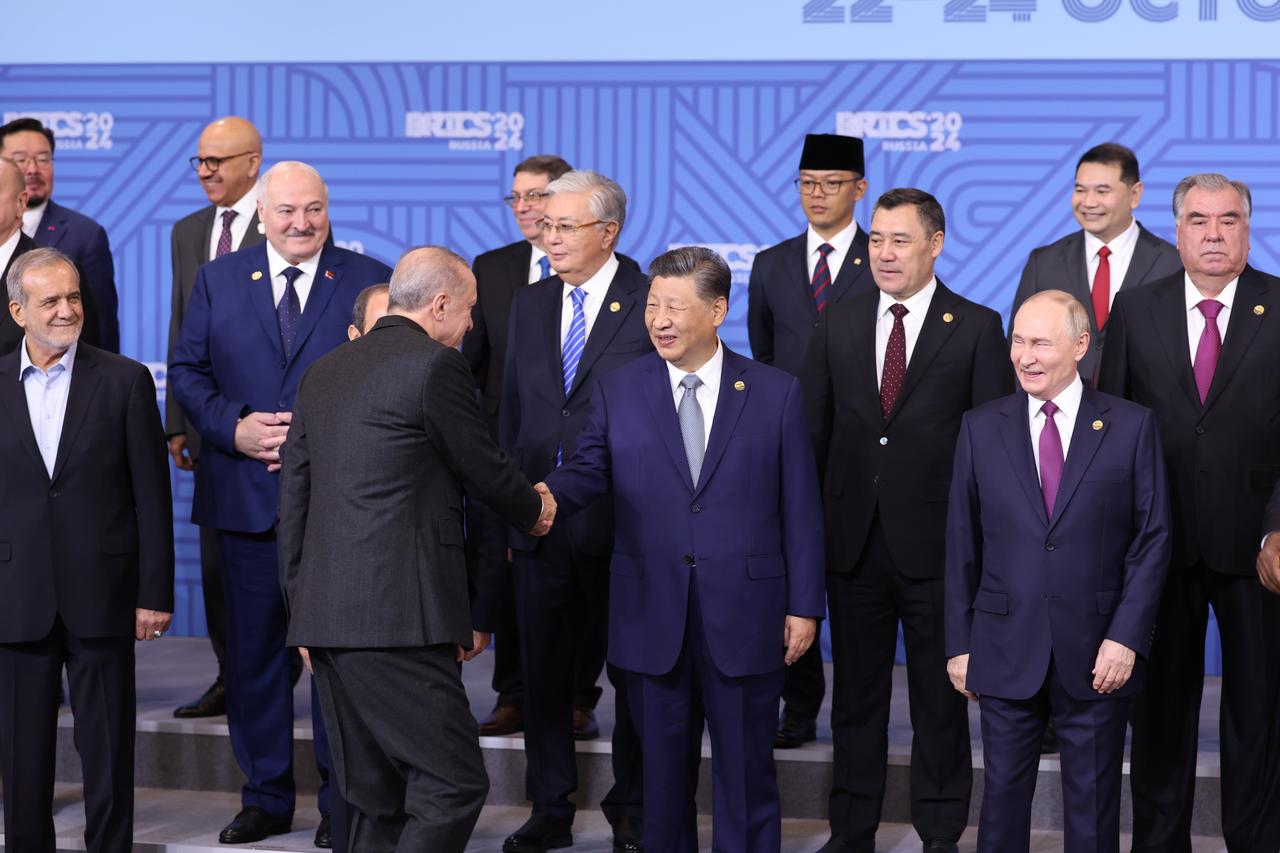
Whether the MHP’s proposal evolves into actual policy remains uncertain. Still, the development is significant for several reasons.
The importance of the MHP’s renewed push lies primarily in its timing.
The proposal has resurfaced amid one of the most volatile regional security environments in years: the continuing fallout from the U.S. -Israel war against Iran, failed diplomatic efforts in Islamabad to secure a broader settlement, and growing strategic debate over the possibility of a future direct confrontation between Türkiye and Israel.
Within Turkish strategic circles, the war has intensified long-standing concerns that in any hypothetical Türkiye-Israel clash, Washington would likely side with Israel, a reality that raises fresh questions about the reliability of Türkiye’s Western alliances and its room for strategic maneuver.
 1 min read
The debate is also unfolding amid renewed uncertainty over the future of the trans-Atlantic security architecture following repeated statements by U.S. President Donald Trump questioning Washington’s commitment to NATO and threatening to reduce or withdraw U.S. support for the alliance.
For many in Ankara’s strategic community, such rhetoric has reinforced concerns that Türkiye may need to prepare for a less reliable Western security umbrella in the years ahead.
Against that backdrop, the MHP’s call for deeper alignment with Russia and China is being presented not merely as ideological rhetoric but as a response to a changing geopolitical environment in which Ankara may seek to diversify its strategic partnerships and hedge against strategic isolation.


 Set as preferred source
 Set as preferred source


 1 min read