

 Newsletters





Long before a Turkish flag ever soared into orbit, the dream was quietly taking shape, gathering strength through decades of ground stations, satellite designs, and patient determination.
Türkiye’s journey to the Moon did not start at NASA headquarters on August 31. Its roots stretch back to the 1990s, to the quiet, uncelebrated work of building Earth observation satellites—momentum that has only grown stronger over time.
The story unfolds through the satellites that paved the way. BILSAT-1, an early Earth observer, was launched in 2003.
RASAT followed in 2011, becoming the first Earth observation satellite fully designed and built in Türkiye. It soared into space aboard a Russian Dnepr rocket and far outlasted its expected lifespan, operating for 11 years instead of three.
Göktürk-2, crafted by Turkish Aerospace Industries, reached orbit in 2012, followed by the strategic Göktürk-1 in 2016. In 2018, the Turkish Space Agency (TUA) was founded to unite these achievements under one vision.
Türkiye unveiled its National Space Program, a bold 10-year roadmap, around 2020. The high-resolution İMECE satellite launched in 2023, marking another leap forward.
In July 2024, Türkiye celebrated placing TURKSAT 6A, its first homegrown national telecommunications satellite, into geostationary orbit.
Just months before, in January 2024, Turkish astronaut Alper Gezeravci made history as the nation’s first person in space, journeying to the International Space Station aboard a SpaceX Crew Dragon as part of Axiom Mission 3.
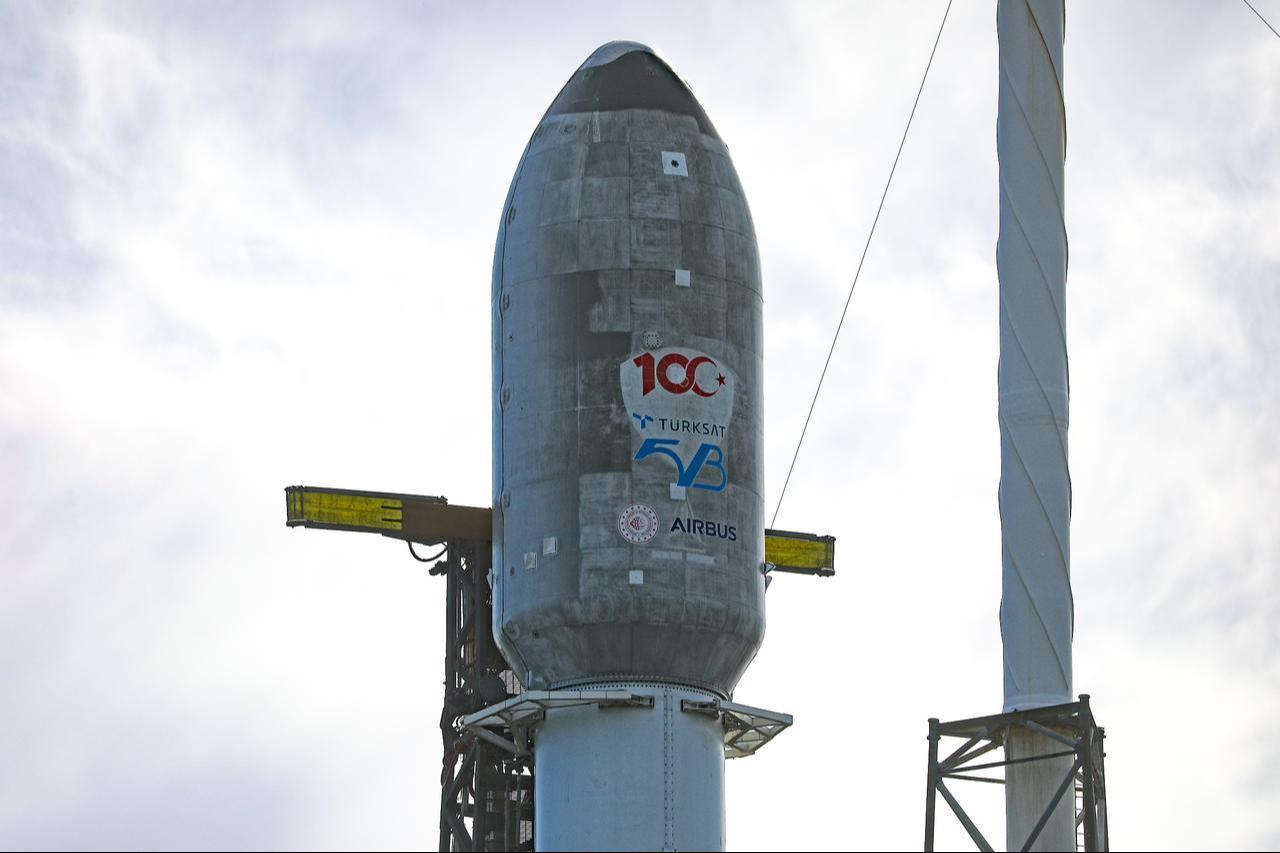

The Lunar Research Program, or AYAP, was among the first initiatives launched under the National Space Program, aiming to place Türkiye among the select few nations with a presence on the Moon.
Officials see the lunar program as the natural next step after Gezeravci's historic flight, propelling Türkiye from satellite and crewed missions into deep space and lunar exploration.
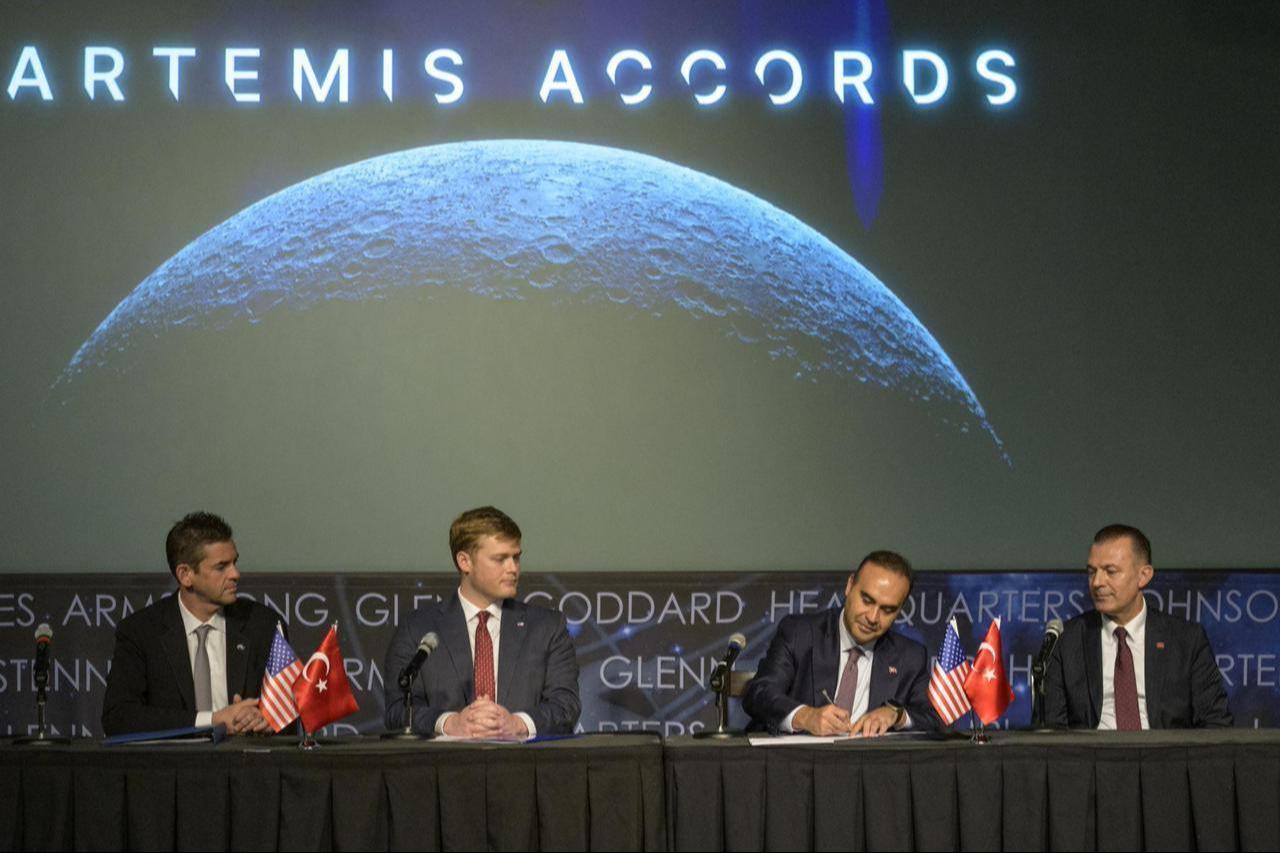
Türkiye signed the Artemis Accords on Aug. 31 at NASA headquarters in Washington, becoming the 71st country to join the US-led space exploration framework.
Industry and Technology Minister Mehmet Fatih Kacir signed on behalf of Türkiye at a ceremony hosted by NASA Administrator Jared Isaacman.
Eight founding countries established the Artemis Accords in 2020, including the United States, Australia, Canada, Italy, Japan, Luxembourg, the United Arab Emirates, and Britain.
Based on the 1967 Outer Space Treaty, the accords establish non-binding principles for transparency, scientific data sharing, emergency assistance, registration of space objects, preventing harmful interference, and rules for using space resources on the Moon, Mars, and other celestial bodies.
Kacir described the signing as a new phase for Türkiye's space program, highlighting increased cooperation with the United States on satellite technology and human spaceflight.
Türkiye's Ministry of Foreign Affairs confirmed the signing on September 1, stating that the country will contribute to space technologies and exploration through an inclusive approach grounded in international law.
The State Department noted that Türkiye is a NATO ally with which the United States coordinates closely on defense cooperation, regional security, and commercial partnerships.
Türkiye's flagship lunar mission, AYAP-1, is being designed and built by the TUBITAK Space Technologies Research Institute (TUBITAK UZAY) under the direction of TUA.
The spacecraft is engineered to reach lunar orbit about 100 kilometers (62.1 miles) above the surface, then attempt a daring hard landing powered by a homegrown hybrid propulsion system.
The mission includes an S-band tracking, telemetry, and command transponder supplied under a contract with Thales Alenia Space to maintain a continuous data link with ground stations.
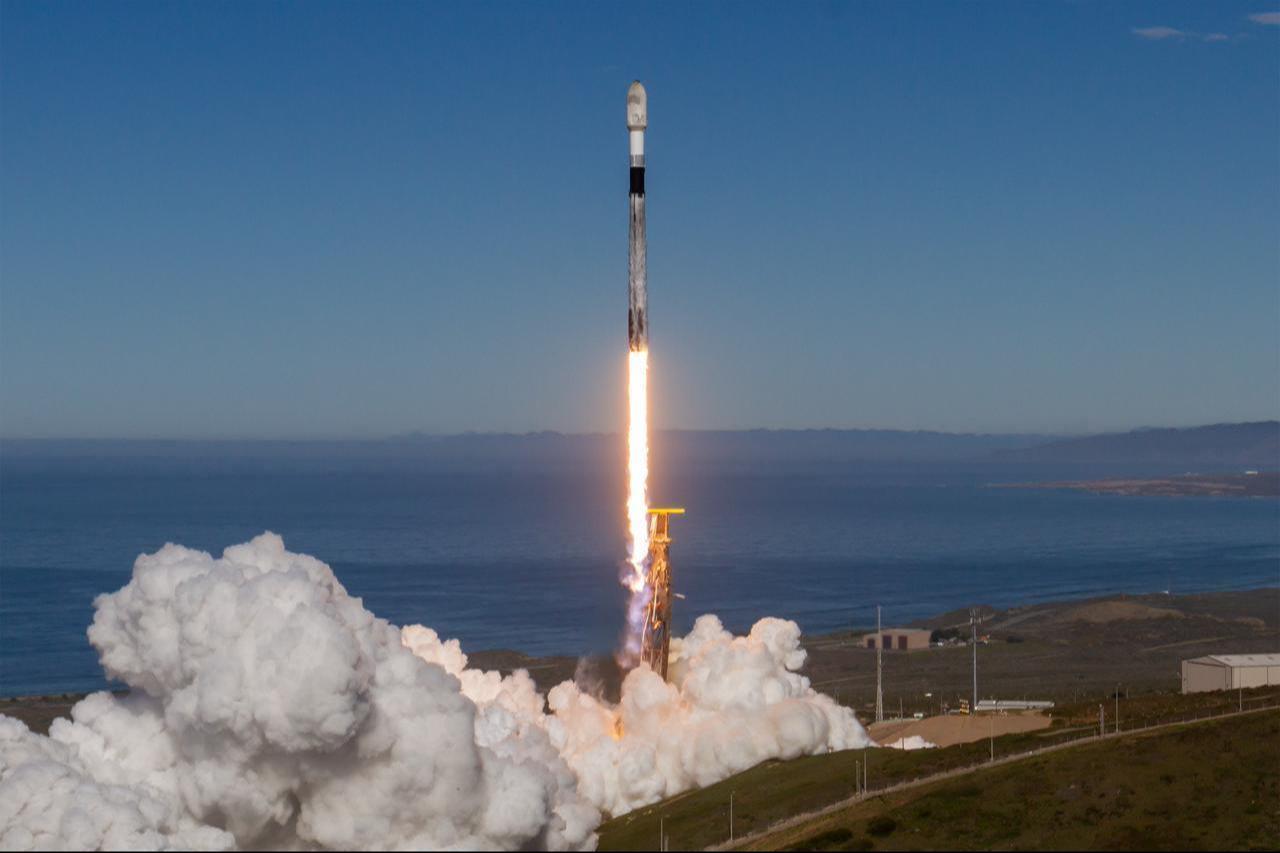
AYAP-1 is scheduled to launch on a SpaceX Falcon 9 rocket from Cape Canaveral Space Force Station in Florida, with liftoff now targeted for 2027 after a delay from the original 2026 date.
Next comes AYAP-2, which will attempt a gentle landing and deploy a rover on the Moon, this time using Türkiye’s own launch vehicle and engines.
NASA has linked the Artemis framework to its Moon Base program, which aims to establish a sustained human presence on the lunar surface and prepare for future Mars exploration.
Signatories are invited to contribute hardware, scientific payloads, technology demonstrations, and CubeSats.
Türkiye’s entry into the Artemis Accords comes as it prepares to welcome the world to the International Astronautical Congress in Antalya this October, where dozens of fellow signatories will gather on the Mediterranean coast.


 Set as preferred source
 Set as preferred source



 3 min read


