Newsletters


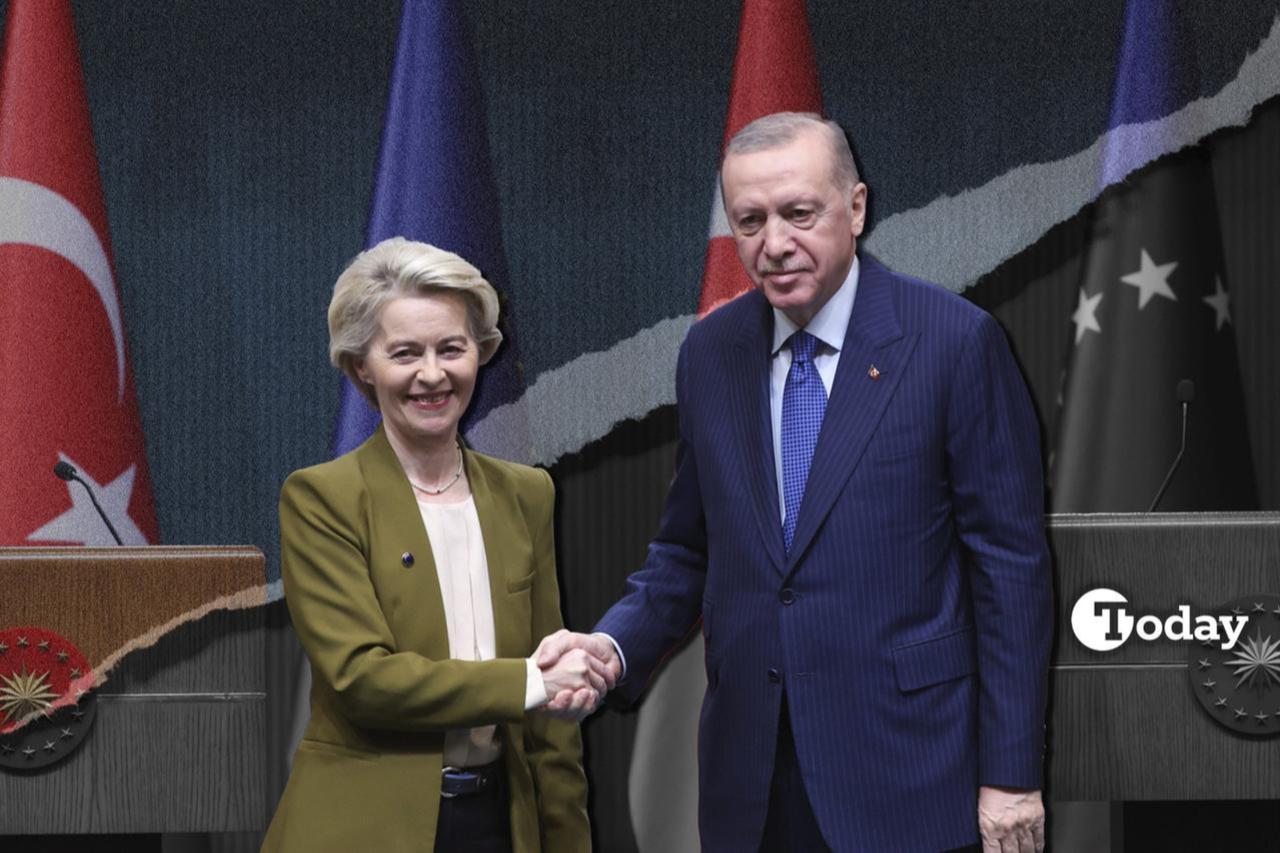


Donald Trump stands out as one of the few leaders in decades to genuinely compel Europe to accelerate its pace, ramp up output, shoulder its fair share, and enact reforms, a reality now openly acknowledged by many pro-reform European analysts.
His institutional hardball with the European Union punctured the bloc's overinflated sense of strength and forced it to confront its structural flaws. Without the pressure tactics Trump deployed, many of these long-overdue developments would have taken years, if not decades, to materialize.
Even if various European leaders brushed off his posture as crude bullying or hostility, the American president’s approach injected a vital sense of urgency into reform movements across the continent.
To be sure, Türkiye is no United States, not least in how it conducts its complex ties with Brussels. Yet Ankara can still draw strategic lessons from how the EU deals with the rest of the world.
In just the past few days, the EU sidelined Türkiye from its "Made in Europe" initiative while coming down hard on Ankara's diplomatic footprint in eastern Libya.
Previously, Türkiye was locked out of the SAFE program, yet it is still expected to underwrite European security. That double standard comes on top of the years of bureaucratic visa purgatory inflicted on Turkish citizens.
Ankara’s traditional response to this persistent coldness has been "diplomatic." It may finally be time to take a page out of Trump’s diplomatic playbook.
The European Union loves to portray itself as a Kantian haven built on rules and norms. Yet its actual conduct looks far more like the Vienna of 1815, where Klemens von Metternich traded in hard borders and raw balances of power, and moralizing language stopped the moment leverage ran out.
For decades, Ankara protested punishing visa restrictions and a lopsided Customs Union in the polite vocabulary of fairness. When Donald Trump returned to power last year, he bypassed that vocabulary entirely. He talked strictly in terms of costs and dependencies, drew hard deadlines, and treated alliance guarantees like line items on a balance sheet. Brussels listened only because it was finally handed a bill.
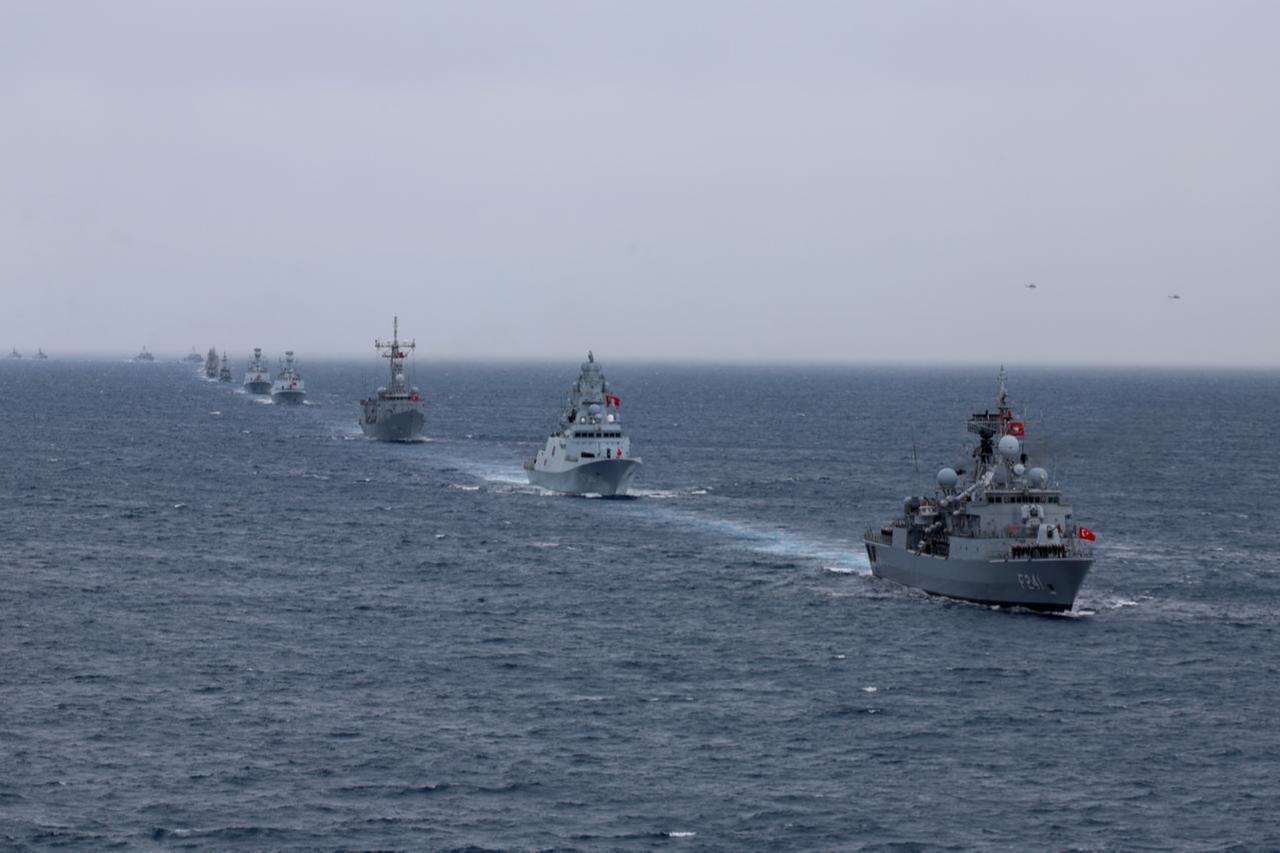
Consider the reality on the ground: five F-16s and 76 personnel from the Pars Squadron, stationed out of Diyarbakir, are currently deployed at Amari Air Base in Estonia through November, policing Baltic skies to protect Europe. In December, that rotation shifts to Romania.
Meanwhile, that same Europe is engineering SAFE, a massive €150 billion defense financing scheme, with Türkiye deliberately left on the outside looking in. Worse yet, the European Commission’s pending Industrial Accelerator Act is being drafted to tie public procurement and state aid tightly to strict EU-origin rules.
The core lesson of the Trump era is simple: security isn't free, and the bill cuts both ways.
Türkiye doesn’t need to blow up NATO or drift aimlessly toward Eurasia. It simply needs to stop volunteering. Those Baltic air policing rotations are entirely voluntary. So is Türkiye's status as the single largest non-EU troop contributor to Operation Althea in Bosnia.
Moving forward, every time Brussels comes asking for a favor, Ankara's default response should be to ask what Europe is bringing to the table. Politically, the answer from Brussels has amounted to next to nothing for years. Economically, however, the ties will weather any storm; deep people-to-people connections and a massive Turkish diaspora across Europe do not depend on the shifting moods of bureaucrats in Brussels.
True, Europe can technically manage without Türkiye, even though Belgian Foreign Minister Maxime Prevot admitted that you cannot have a serious conversation about European security without engaging Ankara. But what Europe cannot afford is to risk another hostile power knocking at its doorstep, even if things never quite reach that extreme.
Europe's flight from Russian gas runs through Turkish infrastructure. BOTAS's 13-year deal with Bulgaria, signed in January 2023, covers up to 1.5 billion cubic meters a year, roughly half of Bulgaria's consumption in 2023. Moldova, Romania and Hungary buy Turkish gas too. TANAP and TAP carry Azerbaijani gas west, and Turkish LNG terminals add about 156 million cubic meters a day of regasification capacity.
Ankara has long treated this as a service rendered. Trump's methodology says to put the dependency on the table and name its price. When Brussels writes Türkiye out of an industrial strategy, the answer can be a conditional pause in energy transit arrangements, announced in advance and in writing.
Migration works the same way, and it's the argument everybody knows. Ankara has played the border-keeper role as a favor, and Europe has treated it as a standing entitlement. Reframing it as a negotiable commitment would change the conversation overnight.

Terminating the Customs Union would be economic suicide for both sides. The EU takes about 40% of Turkish exports, and Türkiye is the EU's fifth-largest trading partner. But the Customs Union has a built-in asymmetry.
Türkiye adopts the EU's common external tariff, while the EU's free trade deals with India and Mercosur don't extend to Türkiye. Those partners can sell into the Turkish market tariff-free, and Turkish goods still pay duties to enter theirs.
What Ankara controls is speed. The Carbon Border Adjustment Mechanism, the green rulebook and the limits on Chinese investment all assume neighbors will adopt European standards on Brussels' schedule. The Brussels Effect works only for those who comply on time. If Türkiye aligns at the pace its own interests set, the EU's normative authority in its neighborhood stops being automatic.
The timing is favorable. The draft Industrial Accelerator Act would cover countries that have a Customs Union or free trade agreement with the EU, which for now includes Türkiye under certain conditions. France is expected to push for a narrower definition of "EU origin." Leverage counts most before the text is final.
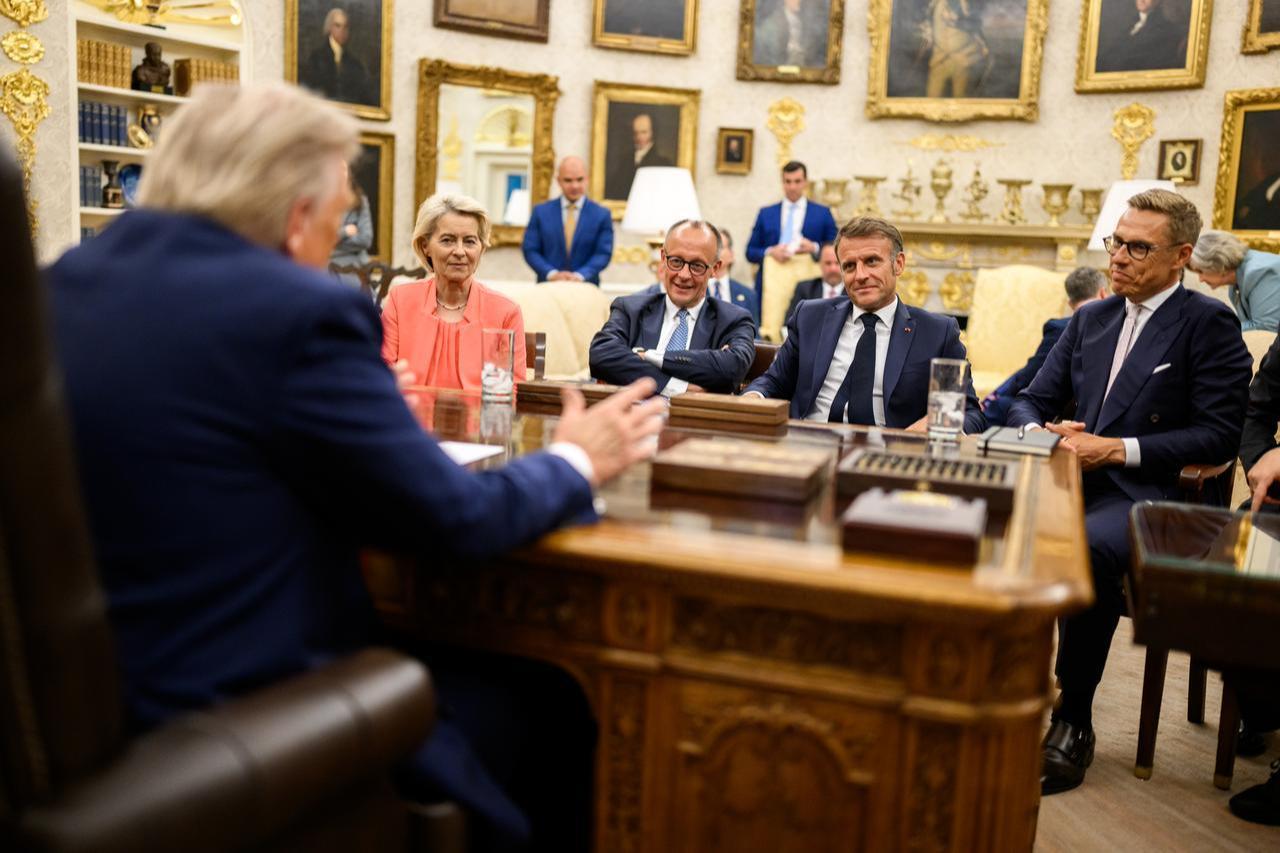
Trump’s method starts with a clock. He sets a deadline, attaches a threat to it, and negotiates while the pressure climbs. In April 2025, he paused his tariffs for three months, and in July he announced a 30% tariff on European goods. Brussels signed a 15% ceiling on July 27.
Türkiye knows the format from the receiving end. Accession talks opened on Oct. 3, 2005, and the Council has called them stalled since 2018. The Commission recommended modernizing the Customs Union in 2016, and the negotiating mandate is still sitting in a drawer. Each cycle costs Türkiye reform effort and costs Brussels nothing.
Ankara can set the clock instead. Name the mandate, name the date, say in public what happens after it. If the EU lets the date pass, the consequence arrives on schedule.
Another hallmark of the POTUS method when dealing with the EU is that the actual consequence matters more than the threat, and is rolled out in calculated stages. Trump never fires every weapon at once. He pulls a single lever, lets the economic pain register in a European capital, and keeps the next escalation locked in reserve. Under this model, transit protocols could easily be made conditional. Migration cooperation could be directly tied to resolving the chronic visa bottleneck.
Trump's real contribution was to strip away European rhetoric and make the EU look at what it could and couldn't do. Türkiye can run the same exercise in smaller steps. It holds military, logistical, industrial and geographic cards, and so far it has played them as courtesies.


 Set as preferred source
 Set as preferred source


 1 min read

 1 min read