Newsletters


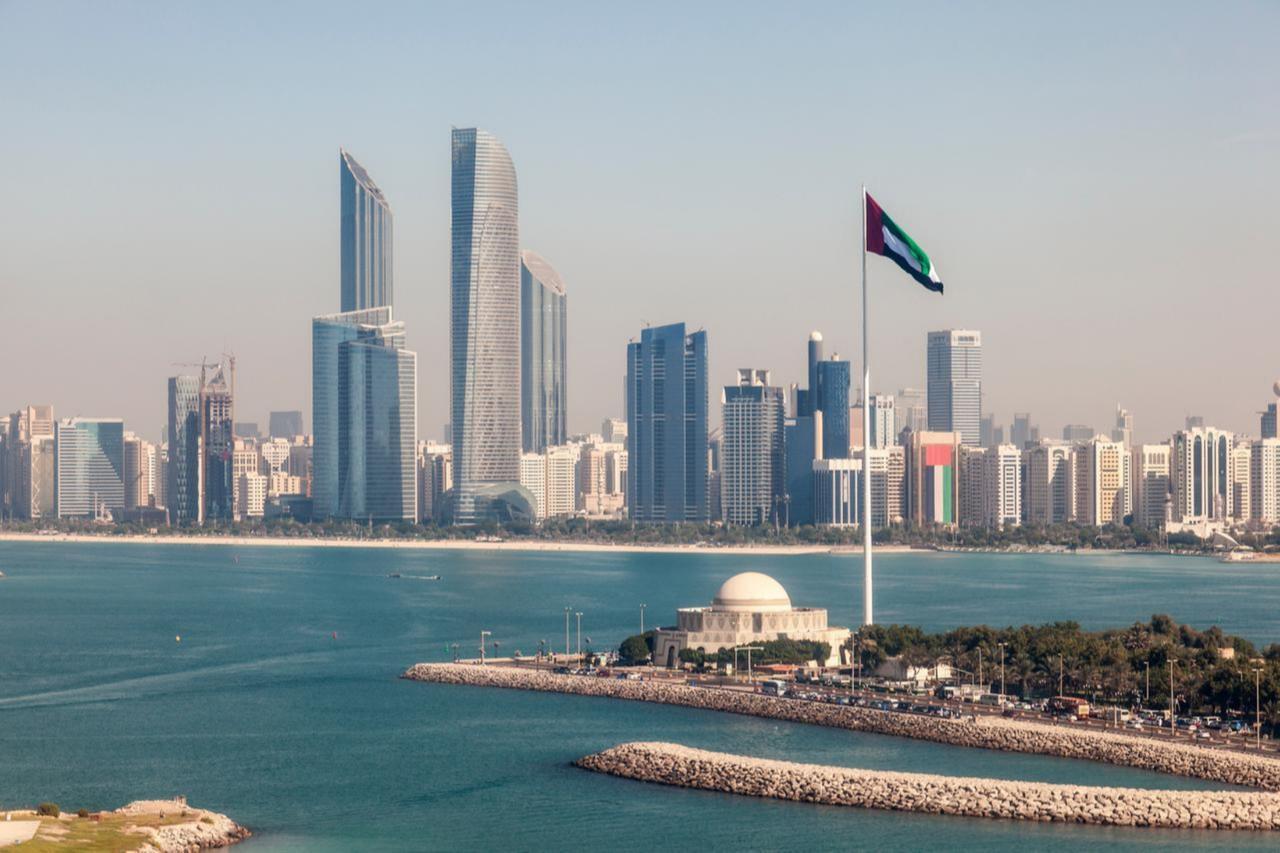


The U.S.-Israel war against Iran, which began on Feb. 28, 2026, has raged unabated. Initially focused on military targets and the exchange of missiles and drones, the conflict has now escalated, leading to the closure of the Strait of Hormuz and attacks on infrastructure facilities, taking on different dimensions.
The closure of the Strait of Hormuz has had significant economic impacts on Washington and the world, leading the U.S.-Israel side to target not only military sites but also civilian infrastructure, systematically aiming to cripple Iran.
Foremost among these was the attack on the B1 Bridge in Karaj, one of the largest bridges in the Middle East.
Trump stated that he would not limit himself to the B1 Bridge but would continue targeting infrastructure, warning the Iranian regime that if the Strait of Hormuz was not opened by 8:00 a.m. on Tuesday, April 7 (Eastern Time), Iranian infrastructure would be struck in an unprecedented manner.
The Iranian government, in response to not opening the Strait of Hormuz, singled out one target: the Stargate AI infrastructure project in Abu Dhabi, valued at $30 billion, not shown on Google Maps, and built in collaboration with OpenAI and the UAE.
Why did Iran target an AI infrastructure project when there are many other targets in the Middle East, and why is this so important to the United States?
It can be said that we have now entered the fourth industrial revolution. In this new era, strategic boundaries are being defined by AI. In this era, risks transcend economic, geopolitical, and social lines, becoming a fundamental service ranging from national security to healthcare, finance, and education.
The Abu Dhabi Stargate project offers a perspective on building autonomy and securing the future. Built by the UAE government and OpenAI, Stargate emerges as a 1-gigawatt AI supercomputer cluster designed to house LLM models and support sovereign capacity. This makes Stargate not just a data center, but a national infrastructure.
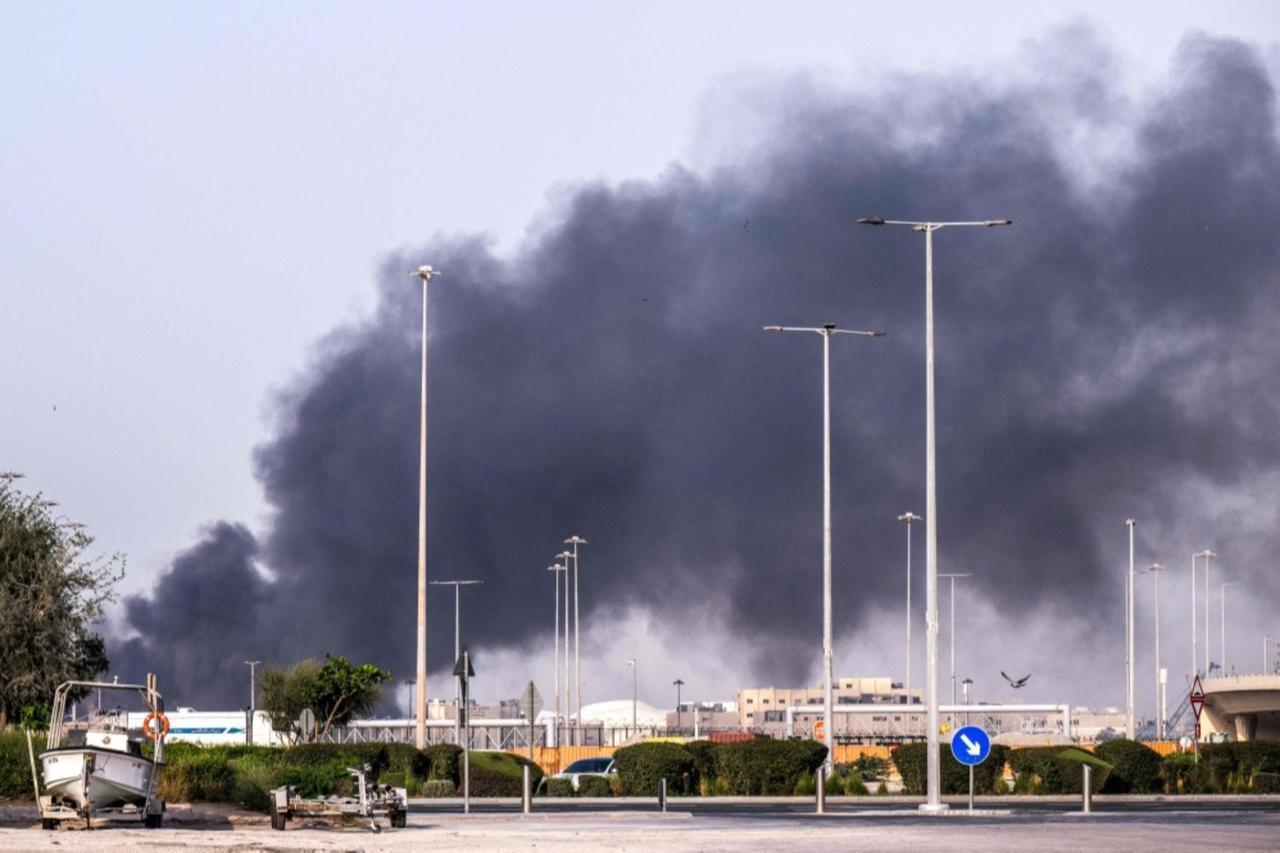

Stargate reflects a broader goal for the UAE beyond just research: building sovereign AI capacity that supports national strategic objectives. This is of paramount importance to the UAE in terms of geopolitical positioning. However, its effects extend beyond its own borders and even beyond the Gulf, because AI sovereignty is crucial not only for competition but also for inclusivity.
With digital inclusion, countries can begin to build their digital ecosystems from scratch. They can position themselves according to their own systems, addressing issues such as whether health algorithms reflect local disease burdens, whether agricultural systems support local languages, and whether educational platforms incorporate local knowledge.
This represents a struggle for sovereignty for the UAE, and for OpenAI, it means building the sovereignty of different countries. This, in turn, increases the geopolitical importance of the US by making countries dependent on American technology and infrastructure.
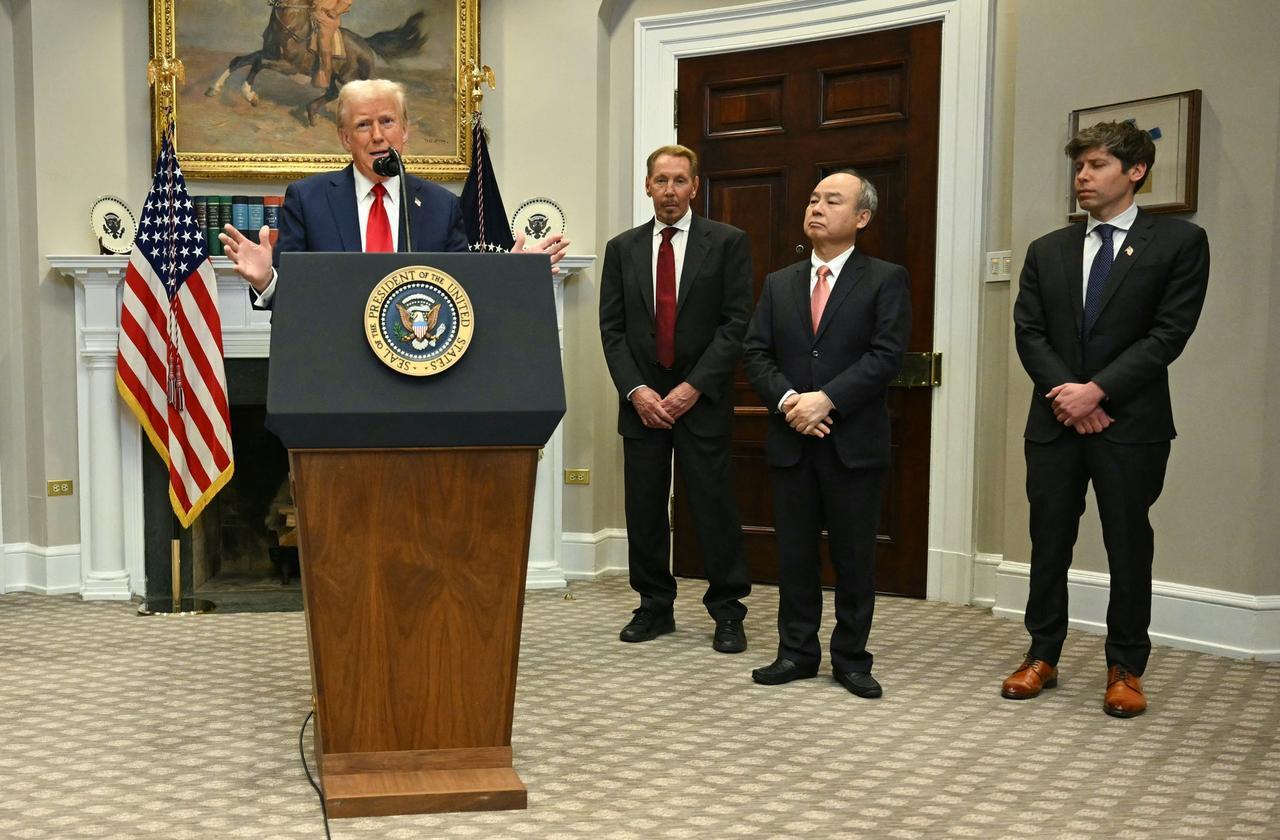
When considering geopolitical levers, control of ports, trade routes, energy pipelines, or fiber optic cables has played a significant role in global politics. In the future, control of AI infrastructure will also become a geopolitical lever.
Countries that have the capacity to export foundational models, host large-scale computing capacity, or play an active role in global standardization will possess asymmetric power.
Balances and relationships shaped by established norms in global politics will pave the way for geopolitical shifts in global alliances through the soft power of AI.
Looking at the United States' recent operations, it is clear that it aims to control many regions that contain oil or precious metals. Greenland, Venezuela, and Iran are prime examples.
The Russia–Ukraine War and the China–Taiwan crisis also suggest that the desire of superpowers to seize or control developing countries, or those with oil or precious metal resources, through agreements will increase in the future.
Stargate, built by OpenAI in the UAE, offers an obvious example for Global South countries. Building AI infrastructure at home is no longer just about innovation; it is about technological and economic security. It also boosts the geopolitical value of developing states.
In this context, the U.S. persuading these countries with long-term plans instead of short-term solutions will increase its influence and room for maneuver in these regions.
In such a scenario, the issue is not just an attack but the damage to the U.S.' image as a "protective power." Targeting and failing to defend critical technology infrastructure would severely undermine trust in the U.S., particularly in cloud systems and artificial intelligence.
This would lead countries to take more aggressive steps to reduce their dependence on data and technology.
Furthermore, the ecosystem spearheaded by actors like OpenAI, NVIDIA, and Google DeepMind would come under pressure due to security risks.
Similarly, if the fragility of satellite and space systems operated by institutions like SpaceX and NASA becomes apparent, the fact that infrastructures like Starlink are military targets becomes clear.
This scenario would accelerate not only technological competition but also the increasing militarization of space.
The economic effects would be rapid.
There would be a decline in technology stocks, a decrease in investor confidence, and an increase in risk premiums. More importantly, the dollar's role as a haven could be called into question.
In fact, the search for alternatives in the global financial system would accelerate.
While the U.S.' inability to protect itself and its allies, the economic impacts, and the decline in the value of OpenAI may seem somewhat compensated for, the most significant loss will be in technological leadership.
Although this $30 billion investment by the U.S. does not represent a massive investment in AI, it holds a crucial position, particularly in regional technological leadership and AI infrastructure initiatives.
Losing a position to China in regional technological leadership, especially in a strategically significant and undisclosed location, could become increasingly likely.


 Set as preferred source
 Set as preferred source


 1 min read

 1 min read