Newsletters


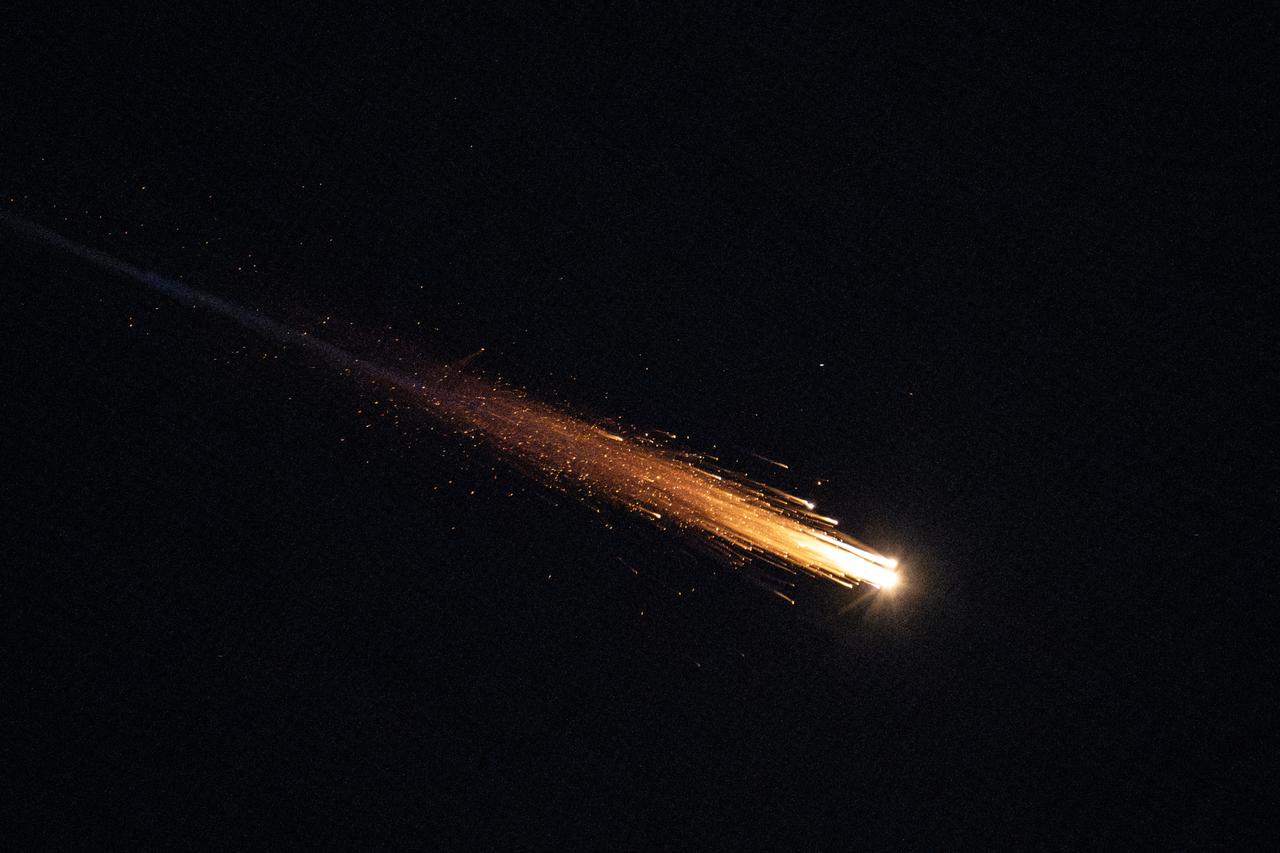


Debris from an intercepted drone struck the facade of a building housing U.S. tech giant Oracle's offices in Dubai on Saturday, causing minor damage but no injuries, authorities said.
The latest escalation in Iran's campaign to target American technology companies, which it accuses of supporting the war effort, has turned data centers and cloud computing facilities into frontline targets for the first time in the history of warfare.
"Authorities confirm that they responded to an incident caused by debris from an aerial interception that fell onto the facade of a building in the Dubai Marina area," the Dubai Media Office said on X, confirming the building belongs to Oracle.
No casualties or fire were reported.
Dubai had previously denied an earlier Iranian claim on Thursday that it had struck an Oracle data center facility.


Iran's IRGC said it targeted Oracle's data center and information infrastructure in the UAE in retaliation for the strike that seriously wounded former Foreign Minister Kamal Kharazi and killed his wife in Tehran on April 1, according to state-run IRNA.
Earlier this week, the IRGC warned it would begin attacking U.S. companies in the Middle East, identifying Oracle among 17 firms it accused of involvement in "terrorist espionage" operations.
"Since the primary element in the design and tracking of assassination targets is American ICT and AI companies, from now on the main institutions effectively involved in terrorist operations will be considered our legitimate targets," the IRGC said, telling employees to "immediately leave their workplaces."
Oracle co-founder Larry Ellison is an ally and adviser to U.S. President Trump, who named him to the President's Council of Advisors on Science and Technology last month.
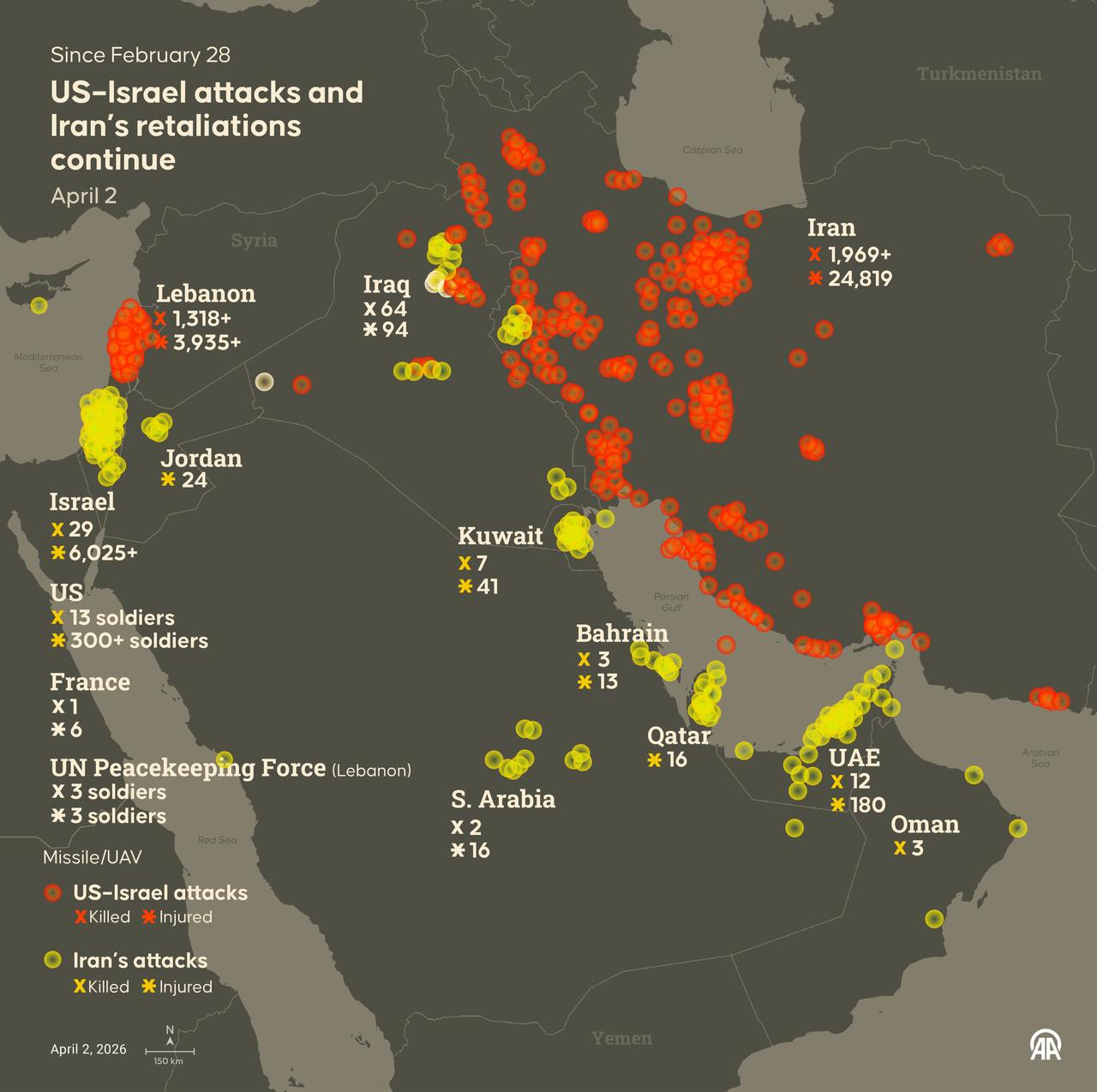
The Oracle strike follows previous Iranian drone attacks that damaged three Amazon Web Services facilities in the UAE and Bahrain.
Iran has targeted U.S. cloud computing infrastructure since the early days of the war, making data centers physical military targets for the first time in history.
The escalation reflects the growing centrality of AI and cloud computing to modern military operations. The U.S. military has increasingly integrated advanced AI capabilities into its decision support systems, from the operation to capture Venezuelan leader Nicolas Maduro to supporting strikes in Iran, using AI particularly for intelligence analysis and operational support.
Israel has similarly expanded its use of AI in combat. The "Nimbus Project," a $1.2 billion contract signed in 2021 between Amazon, Google and the Israeli government, provides cloud and machine learning systems for data collection, analysis and pattern recognition.
Google's cloud department began working with the Israeli military immediately after its attacks on Gaza began, according to the Washington Post.
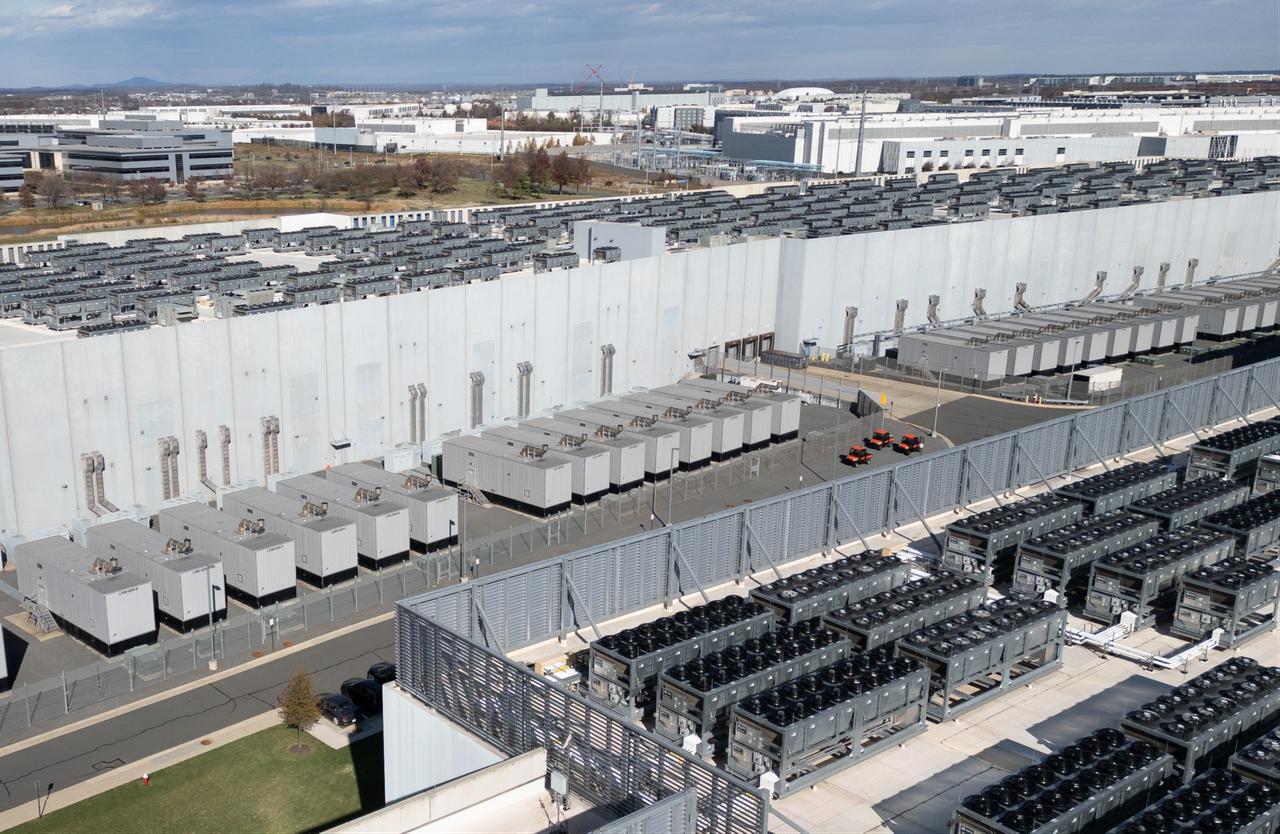
The strikes have put billions of dollars in Gulf technology investment at risk. U.S. tech firms have built extensive data centers, cloud services and AI infrastructure networks across the region, attracted by access to energy and low electricity costs.
Among the most prominent projects is "Stargate UAE," a data center campus involving Cisco, OpenAI, Oracle and Nvidia expected to be the largest of its kind outside the United States, spanning approximately 26 square kilometers at a cost of $30 billion.
Google has made a $10 billion joint investment with Saudi Arabia's sovereign wealth fund for cloud regions in Saudi Arabia and Qatar.
Amazon, Microsoft and Oracle also maintain billions of dollars in regional infrastructure.
The IRGC's expanding target list, combined with the physical vulnerability of these facilities to drone and missile strikes, raises fundamental questions about the viability of positioning critical technology infrastructure in an active conflict zone.


 Set as preferred source
 Set as preferred source



 2 min read