Newsletters




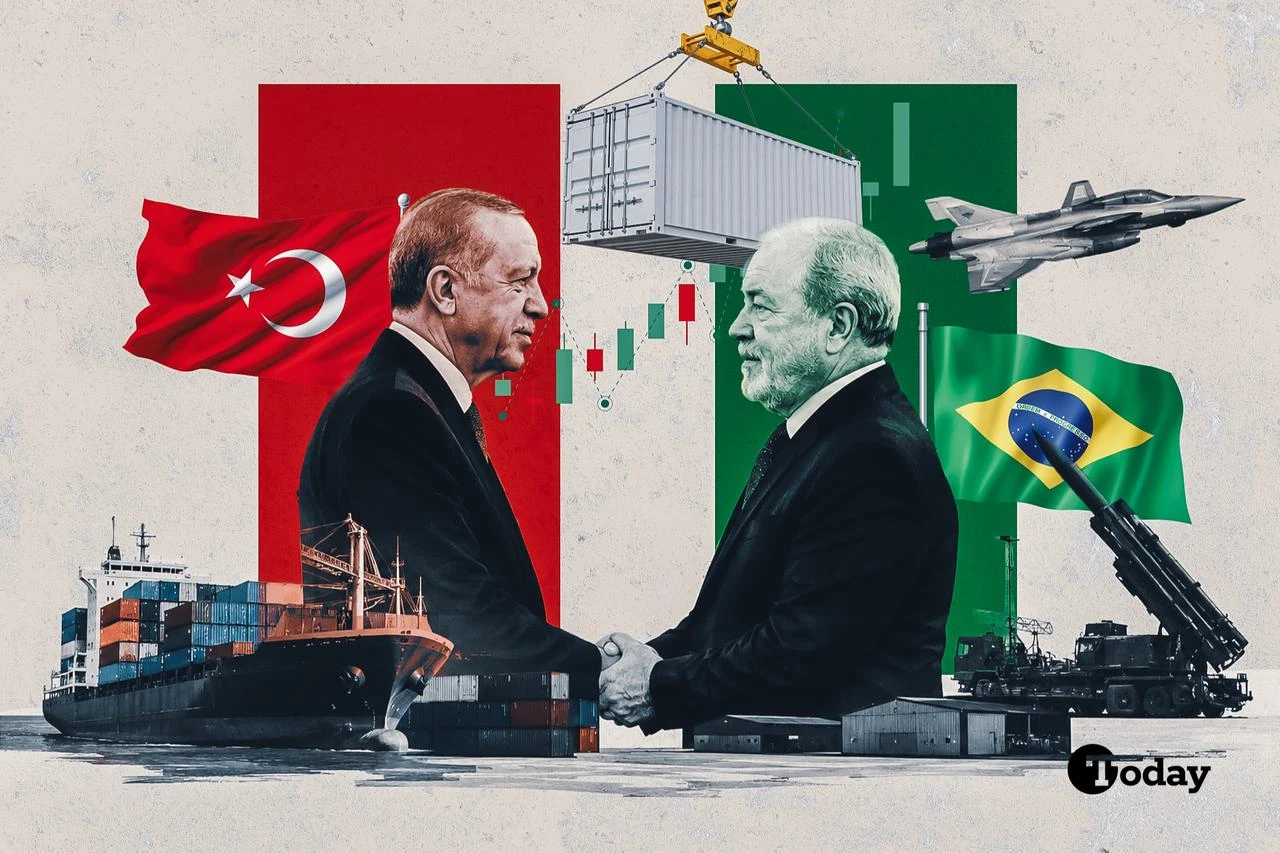
For years, relations between Türkiye and Brazil remained within the discreet realm of ceremonial diplomacy. That changed on March 25, 2022, when both governments simultaneously signed a Defense Industry Cooperation Agreement in Brasilia and Ankara, following a lengthy legislative process. The agreement has become the cornerstone of one of the most dynamic military partnerships in the Global South.
The Brazilian Ministry of Defense, through the Secretariat for Defense Products, signed the agreement with the Turkish Defense Industries Presidency during a videoconference meeting. Four years on, that agreement evolved into a framework for cooperation with geopolitical implications that merit close attention.
The institutional process surrounding the pact underscores its seriousness. The Brazilian Congress formally approved the agreement on Sept. 10, 2025, through Legislative Decree No. 195, which covers research, development, production, and modernization activities over a five-year period, including joint sales to third parties in the event of shared development or production.
On the Turkish side, Law No. 7586, passed by the Grand National Assembly of Türkiye on June 23, 2026, brought the agreement’s legal framework into force, confirming the notion that diplomatic trust preceded trade. It is no longer a declaration of intent: it is positive law in both countries.

It provides for the implementation of joint projects in the respective territories, mutual support in the procurement and modernization of defense goods and services, the exchange of technical and scientific information, and the promotion of agreements for the development and manufacture of weapons.
It also includes personnel exchange programs, technical visits, participation in trade shows and symposia, and partnerships between military institutions, companies, and maintenance centers. In other words: it is not simply a contract for the sale of weapons, but a framework for industrial co-production and mutual access to third-party markets.
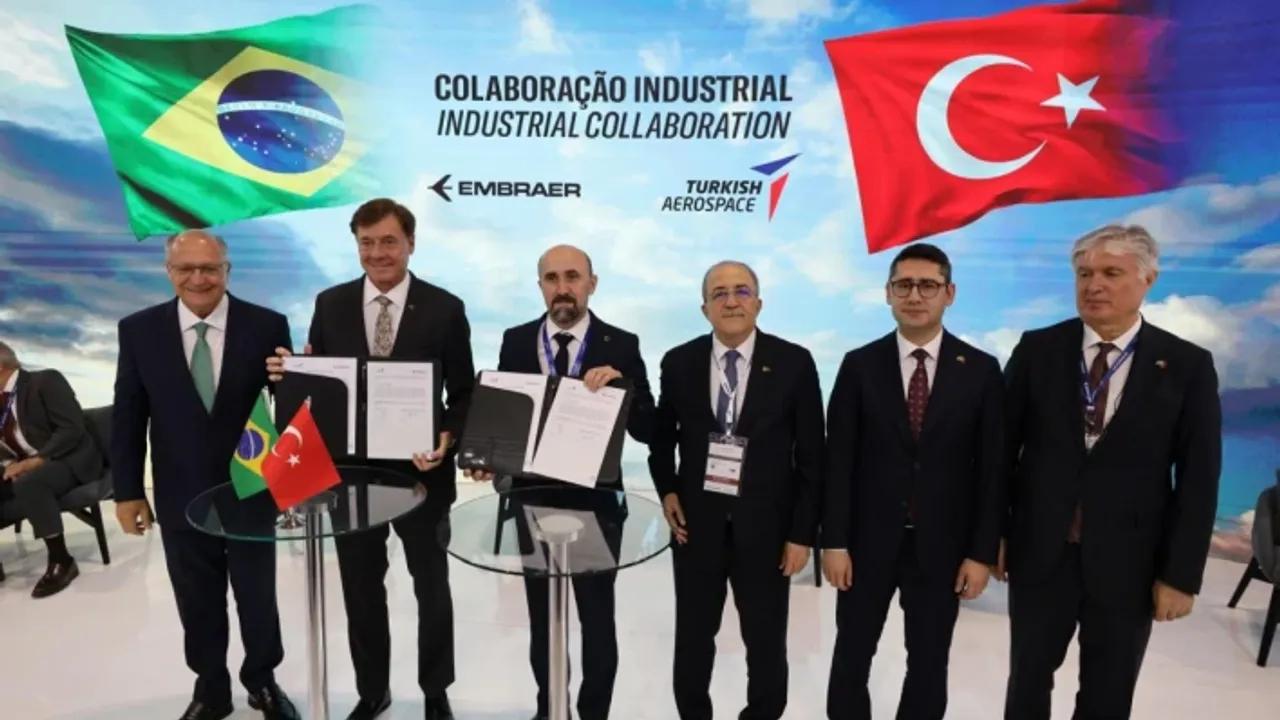
Aviation has become the most visible symbol of this partnership. In April 2025, during the LAAD airshow in Rio de Janeiro, Turkish Aerospace Industries (TAI) signed a memorandum of understanding with Brazilian manufacturer Embraer and engineering firm Akaer Engenharia to explore a potential joint venture for production and development. A year later, in April 2026, that partnership deepened: discussions include joint manufacturing of TAI’s Aksungur and Anka drones, while Embraer expressed interest in exporting its turbofan-powered C-390 transport aircraft to Türkiye.
Türkiye’s Deputy Minister of Foreign Affairs Mehmet Kemal Bozay was explicit in his remarks to members of parliament: cooperation with Brazil is no longer limited to the sale of weapons and ammunition but aims at the development of shared projects and technologies, with TAI, Roketsan, and Baykar in various stages of negotiation with Brazilian companies.
The interest is not one-sided. Bozay reminded Turkish lawmakers that Brazil, with $25 billion, is the country that spends the most on defense in the entire Latin American and Caribbean region, making Brasilia a strategically important—not merely symbolic—trading partner.
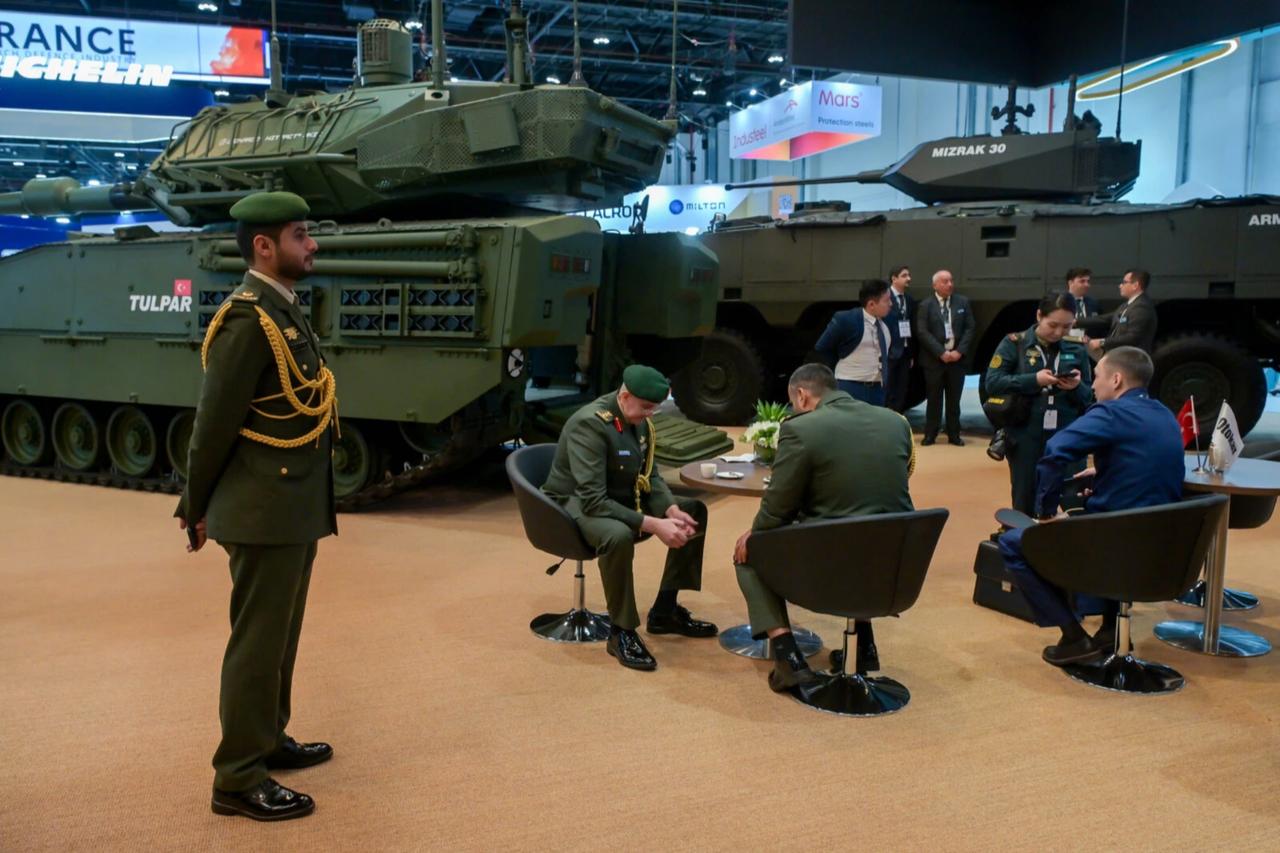
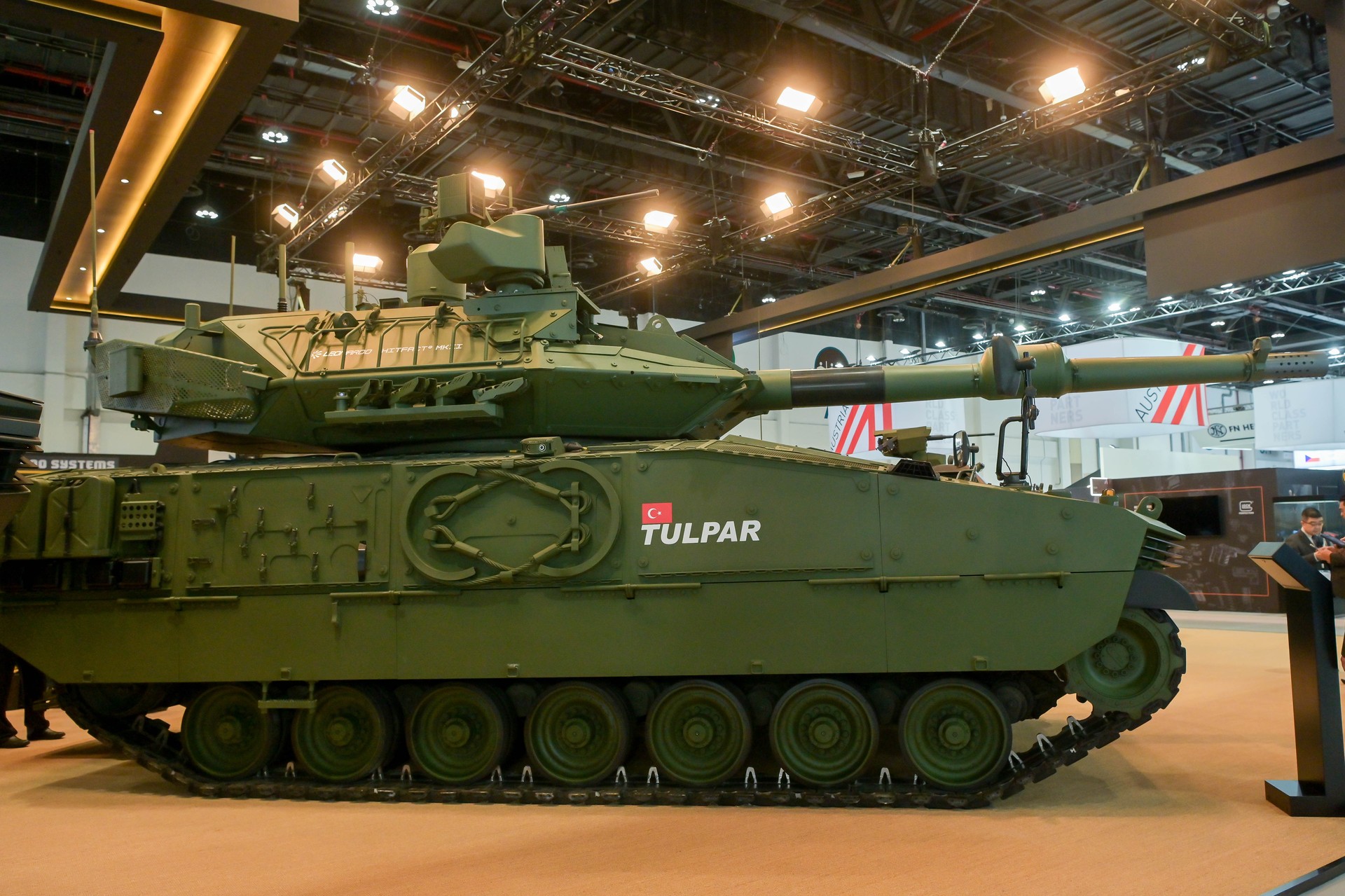
On the land platform front,Turkish company Otokar is competing in Brazilian Army tenders with its Tulpar armored vehicle. In the naval and small arms sectors, concrete examples are already visible. The KTJ-3200 turbojet engine, developed by Kale Jet Motorları, was exported for use in Brazil’s Mansup-Er anti-ship missile. Additionally, Canik supplied M2 QCB heavy machine guns for Brazil’s new armored vehicles.
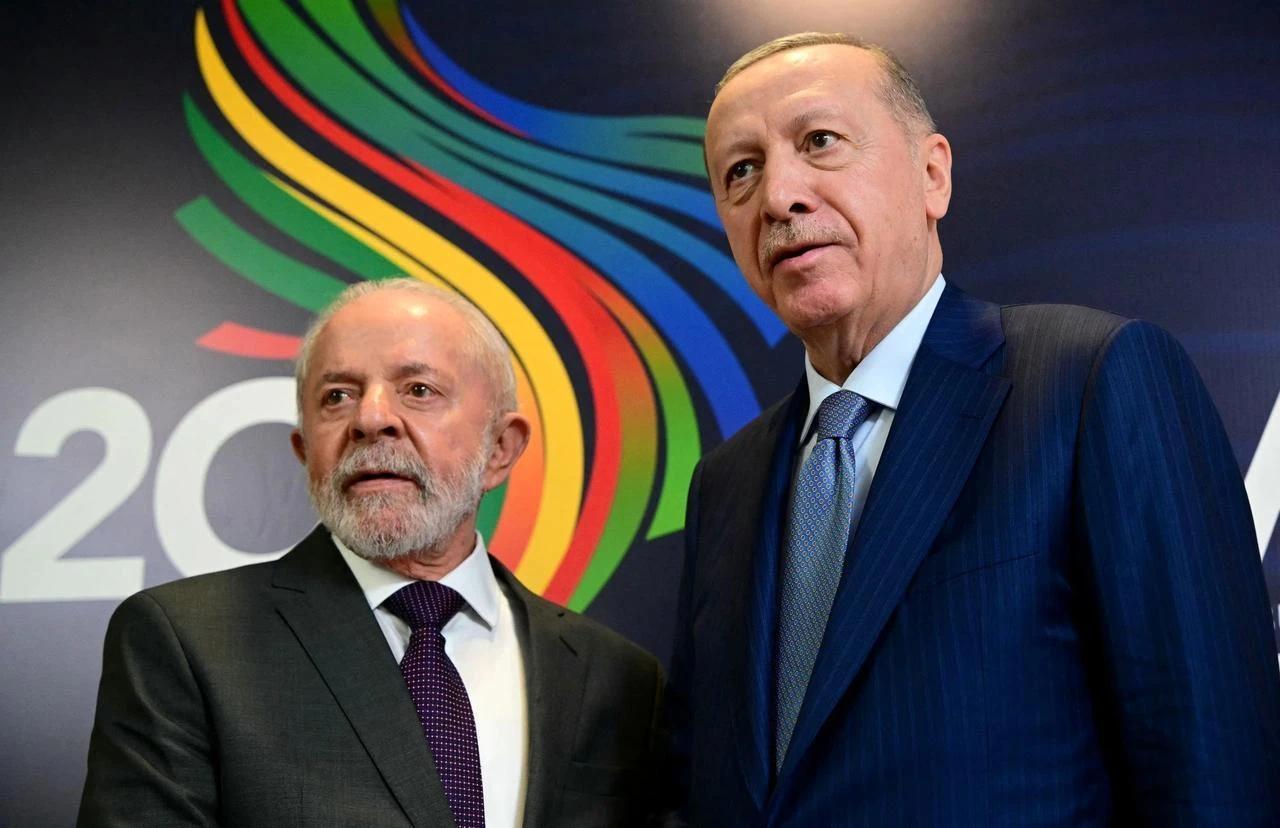
This rapprochement does not occur in a political vacuum. Brazilian President Luiz Inacio Lula da Silva met with Turkish President Recep Tayyip Erdogan in Rio de Janeiro in November 2024, at the G20 summit. Military cooperation is thus part of a broader bilateral relationship, with institutional mechanisms such as the High-Level Commission established in 2006 that aims to ensure its continuity beyond electoral cycles.
Why should this matter to a reader who is not an expert in military affairs?
Firstly, because it reveals a broader pattern in Turkish foreign policy: Ankara has built up a network of nearly one hundred defense agreements through which it seeks to open up markets for its contractors and create access to foreign industrial bases–a model that some analysts criticize for concentrating decision-making power within the Presidency of Defense Industries (SSB), which is directly linked to Erdogan’s office.
Secondly, because for Brazil it represents an opportunity to diversify its suppliers beyond its traditional European and American partners, at a time when it is seeking to modernize its fleet of drones, armored vehicles and transport aircraft without compromising its historic policy of non-alignment.
For Brazil, the agreement is, above all, a path to diversification. Brasilia has relied on European and U.S. suppliers for decades to modernize its armed forces. Therefore, any alternative that does not require political alignment with a particular bloc fits perfectly with the tradition of nonalignment that Itamaraty proudly cultivates. Furthermore, Embraer—already a giant in the civil aviation sector—gains a partner through this agreement to expand its military presence without having to compete directly with Boeing or Lockheed. Brazil is building, piece by piece, a network of industrial partners that strengthens its strategic autonomy.
For Türkiye, the calculation is different but just as pragmatic. Ankara needs new markets to sustain the spectacular growth of its defense industry over the past decade. Latin America—with Brazil as its anchor—is virtually uncharted territory for its drones, armored vehicles, and missile systems. There is also a prestige factor: every agreement signed with a major middle power reinforces the official narrative that Türkiye is no longer just a buyer of Western weapons, but an export powerhouse in its own right.


 Set as preferred source
 Set as preferred source


 2 min read

 1 min read