Newsletters


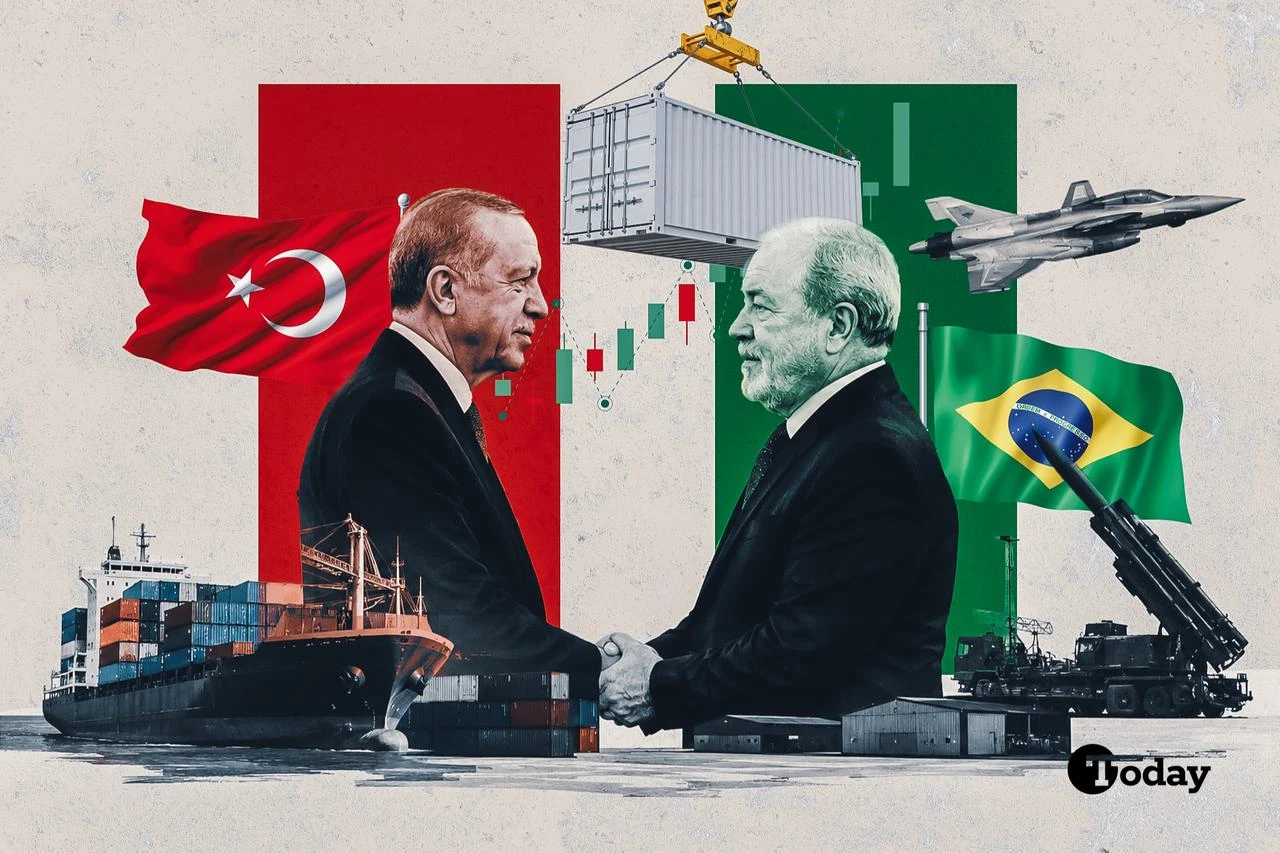


According to Türkiye's foreign policy toward Latin America, Brazil stands out as a key partner. The volume of trade between the two countries is, of course, significant. Soybeans, coffee, meat, and molasses from Brazil, and automotive parts, machinery, and steel from Türkiye, form a solid economic foundation based on mutual complementarity.
It is worth noting that in 2021, the bilateral trade volume between Brazil and Türkiye was $5.12 billion, making Brazil Türkiye's largest trading partner in Latin America and the Caribbean. The economic integration of these two major Global South countries is also reflected in a significant defense partnership.
In international relations literature, alliances often arise from economic interdependence; trade comes first, then diplomacy. However, the Brazil-Türkiye relationship reverses this classic order and, precisely for this reason, offers a significant example of how a multipolar world order operates.
However, this trade volume is not the primary driving force behind the relationship, but merely a byproduct. The key factor is that the two countries share a much broader strategic vision.
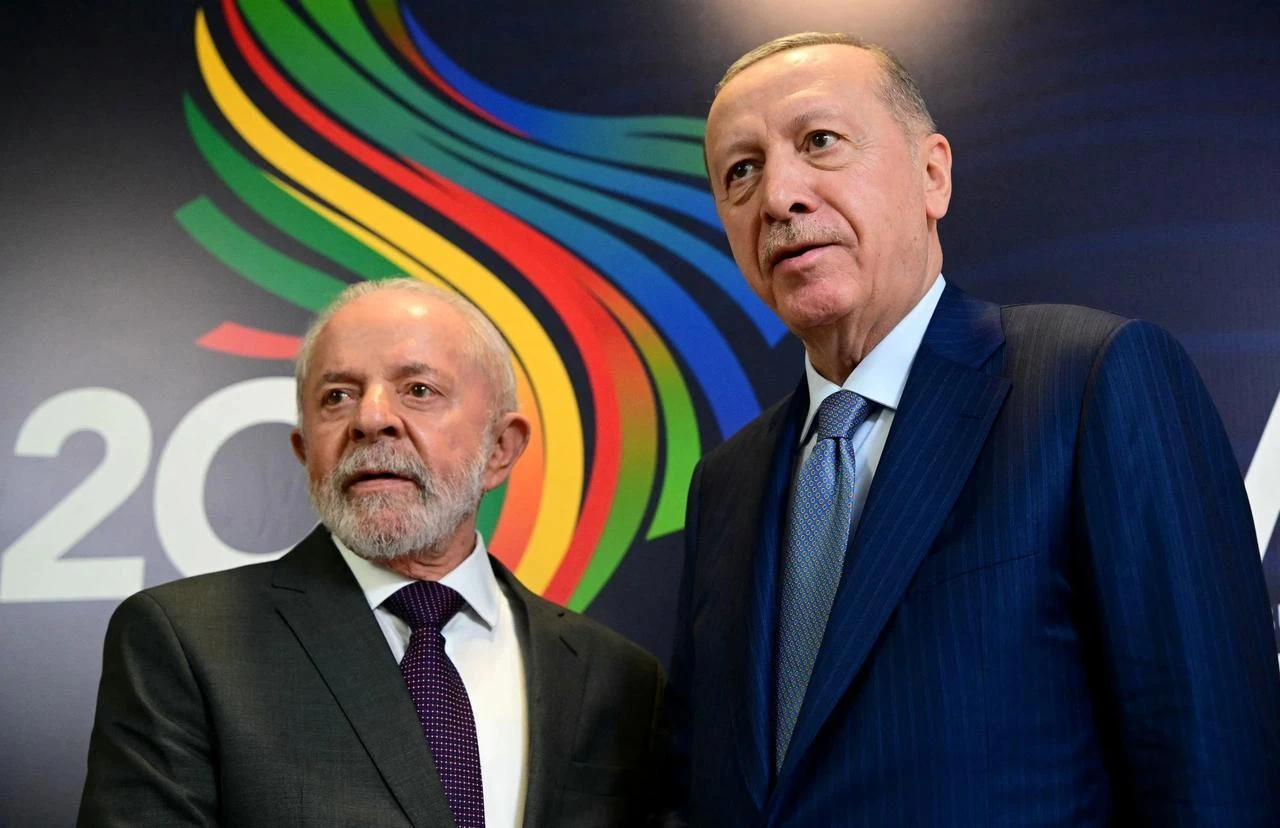

The first pillar of this vision is the defense industry. The defense agreement, in effect since 2022, could be further deepened with new investments if Luiz Inacio Lula is re-elected, presenting a significant opportunity for the Turkish defense sector. This is not just a commercial relationship, but an area built on trust and strategic partnership.
The second pillar is diplomatic infrastructure. Türkiye's appointment of fully empowered ambassadors even to its regional consulates is not a short-term calculation of self-interest, but a sign of long-term commitment. Turkish Airlines' routes connecting Sao Paulo to Buenos Aires and Santiago integrate Istanbul into South America's air transport network with a determination unmatched by any other foreign actor.
The Yunus Emre Institute is active, the Turkish Cooperation and Coordination Agency (TIKA) is preparing to open an office in Brazil, and the Maarif Foundation is set to open a kindergarten and primary school in Florianopolis. None of this stems from a trade agreement. Rather, these are proactive steps taken before an economic framework is even fully in place. For Brazil, attraction is achieved through diplomacy rather than trade.
The third, and perhaps most important, pillar is ideological and diplomatic alignment. Lula and President Recep Tayyip Erdogan share common ground on reforming an outdated U.N. system, the Palestinian issue, and South-South cooperation in Africa. Joint humanitarian aid initiatives, which combine Türkiye's logistical reach with Brazil's reliability in development, serve as concrete manifestations of this closeness.
Indeed, the interest shown by the Sao Paulo state government in the Antalya Diplomacy Forum is a small yet significant indication that the relationship extends beyond the federal level to local governments.
Naturally, tensions also exist in this picture: both Brazil and Türkiye maintain protectionist economies, and the Mercosur-Türkiye trade agreement sought by Ankara has faced ongoing delays as Mercosur prioritizes negotiations with the European Union. In short, a binding economic framework does not yet exist.
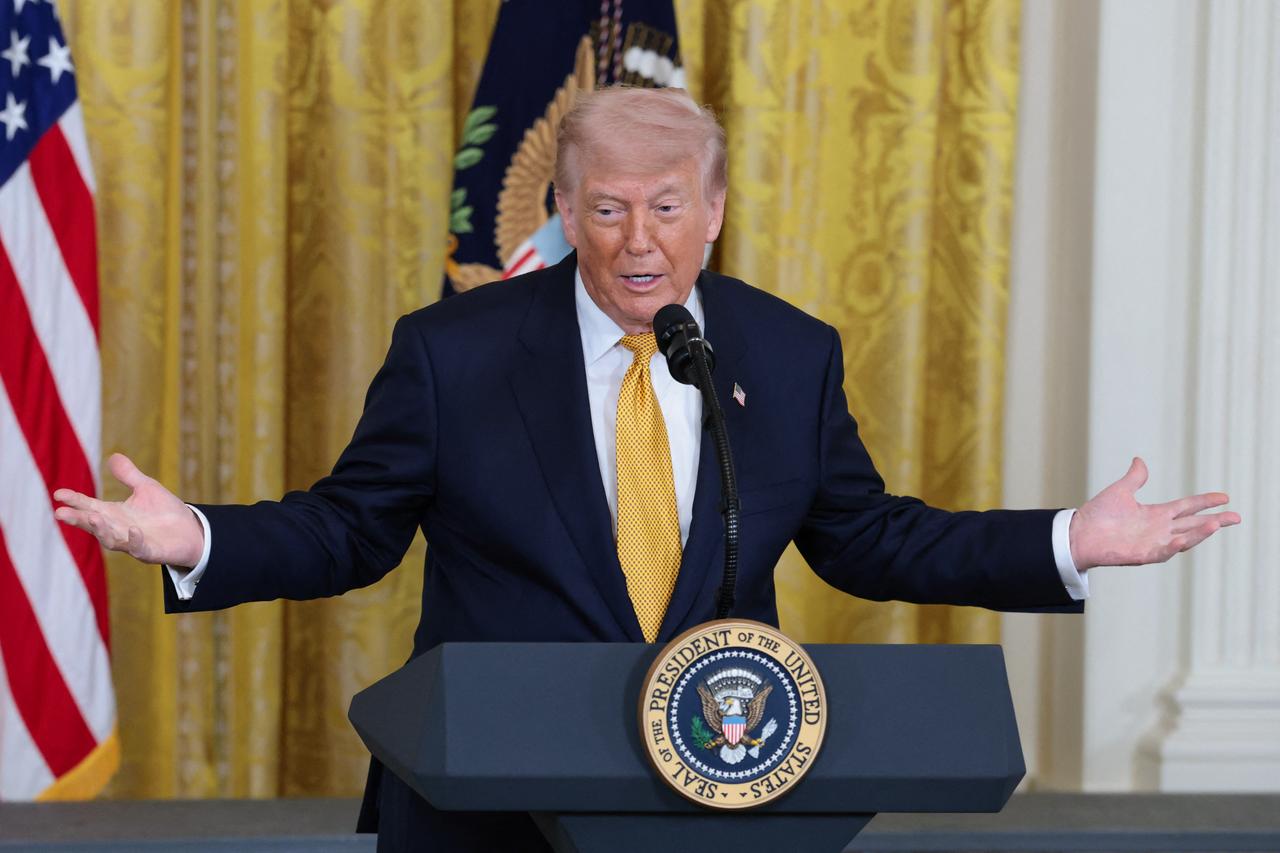
In 2026, an Iranian dimension was added to this ideological rapprochement. Following the ceasefire brokered by Pakistan in April 2026, which ended the Iran-U.S. conflict, Lula, who visited Washington in May 2026, pulled a document from his briefcase during his meeting with President Trump: the historic nuclear swap agreement they had prepared together with Türkiye, which envisioned Iran storing its low-enriched uranium in Türkiye.
Lula argued that the framework at that time was better than the current one and declared his readiness to mediate again between Washington and Tehran. This move shows that the agreement signed 16 years ago in Tehran by Erdogan, Ahmadinejad, and Lula, and rejected by Western governments at the time, has become a point of reference that brings the Türkiye-Brazil-Iran axis back to the forefront in today's multipolar world.
Thus, the common ground between Ankara and Brasilia is not limited only to U.N. reform and the Palestinian issue; as two "rising powers," Iran and the other country share a common historical legacy and current political capital in their nuclear diplomacy.
However, this deficiency points not to the weakness of the relationship, but to its nature. Brazil and Türkiye are not forming an alliance in the classical sense. Instead, even before economic integration takes place, they are establishing an "institutional balance" through cultural centers, direct flight routes, ministerial-level visits, and personal rapport between leaders. This represents a new model of how two middle powers can approach each other in a multipolar world: first trust and vision, then perhaps trade.
With Law No. 7586, passed by the Turkish Grand National Assembly on June 23, 2026, the Defense Industry Cooperation Agreement signed in 2022 officially entered into force and was published in the Official Gazette with the approval of President Erdogan.
The diplomatic signature made four years ago has now gained a legal framework. In other words, the thesis of "trust first, then trade" has been effectively confirmed in the defense sector. Indeed, Turkish Aerospace Industries (TUSAS) signed a memorandum of understanding with the Brazilian companies Embraer and Akaer Engenharia for joint production and development; this step is a continuation of the E-Jet E2 cooperation agreement signed between TUSAS and Embraer at the LAAD exhibition in 2025.
Concrete examples of exports are also increasing: Kale's KTJ-3200 turbojet engine is used in Brazil's SIATT MANSUP-ER anti-ship missile, CANIK supplied heavy machine guns for Brazil's new armored vehicles, and Otokar's TULPAR and FNSS's KAPLAN MT are competing in Brazilian armored vehicle and light tank tenders.
The picture is more complex on the trade front. According to official Brazilian data, in 2025, Türkiye exported $1.4 billion worth of goods to Brazil while importing $4.1 billion from Brazil; the total volume reached $5.5 billion, but the balance was largely in Brazil's favor.
In contrast, the investment side is gaining momentum: in July 2026, the Ministry of Trade announced that direct investments by Brazilian-capital companies in Türkiye had reached $2.4 billion and that these companies were planning capacity expansion.
While the Mercosur-Türkiye free trade agreement is still not in place, the two countries continue to make progress sector by sector in the fields of defense, investment, and corporate diplomacy. These “pillars,” established without expecting an inclusive economic framework, are individually materializing. The Brazil-Türkiye relationship continues to provide the most recent evidence of this new model, where trust precedes trade, in contrast to the classic alliance model.


 Set as preferred source
 Set as preferred source


 2 min read
 1 min read