Newsletters




This article was originally written for Türkiye Today’s weekly newsletter, Saturday's Wrap-up, in its May 30, 2026, issue. Please make sure you subscribe to the newsletter by clicking here.
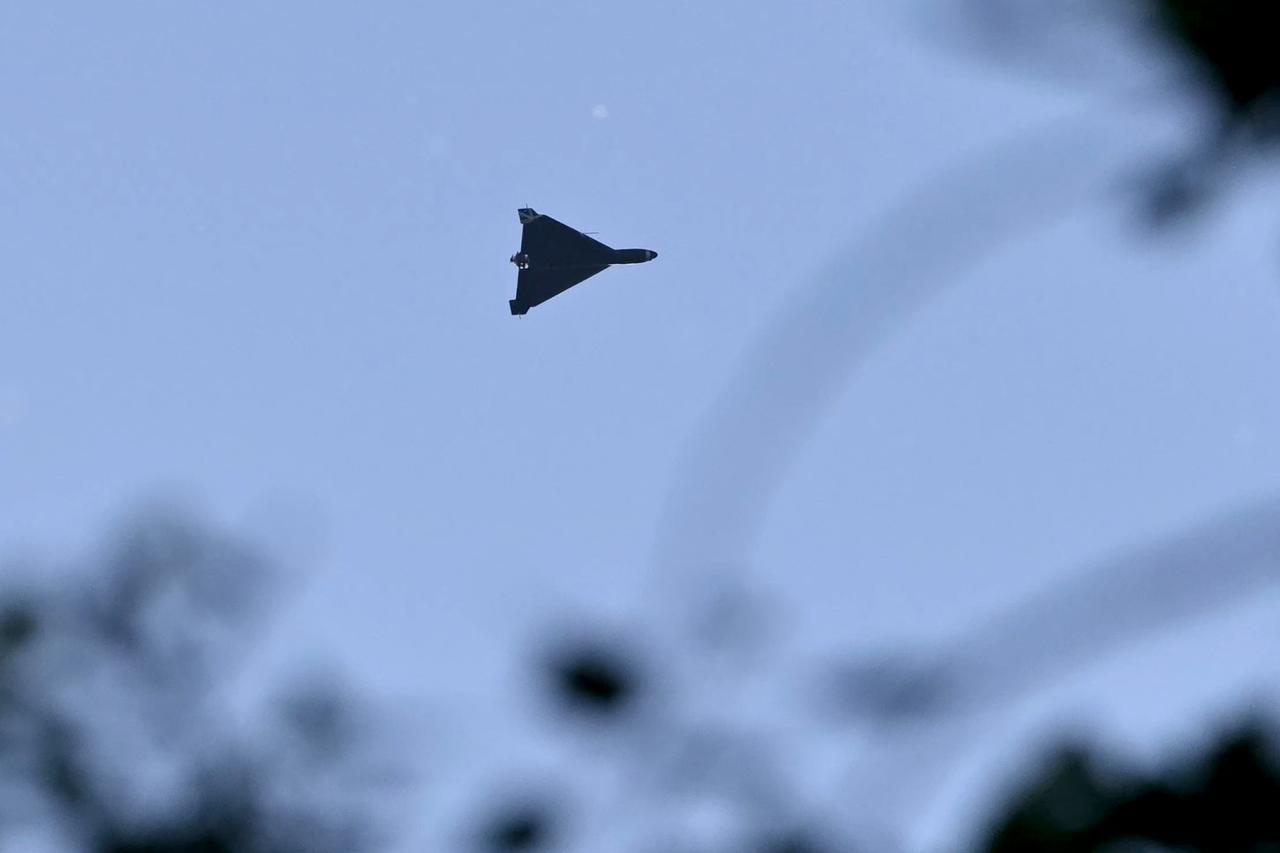
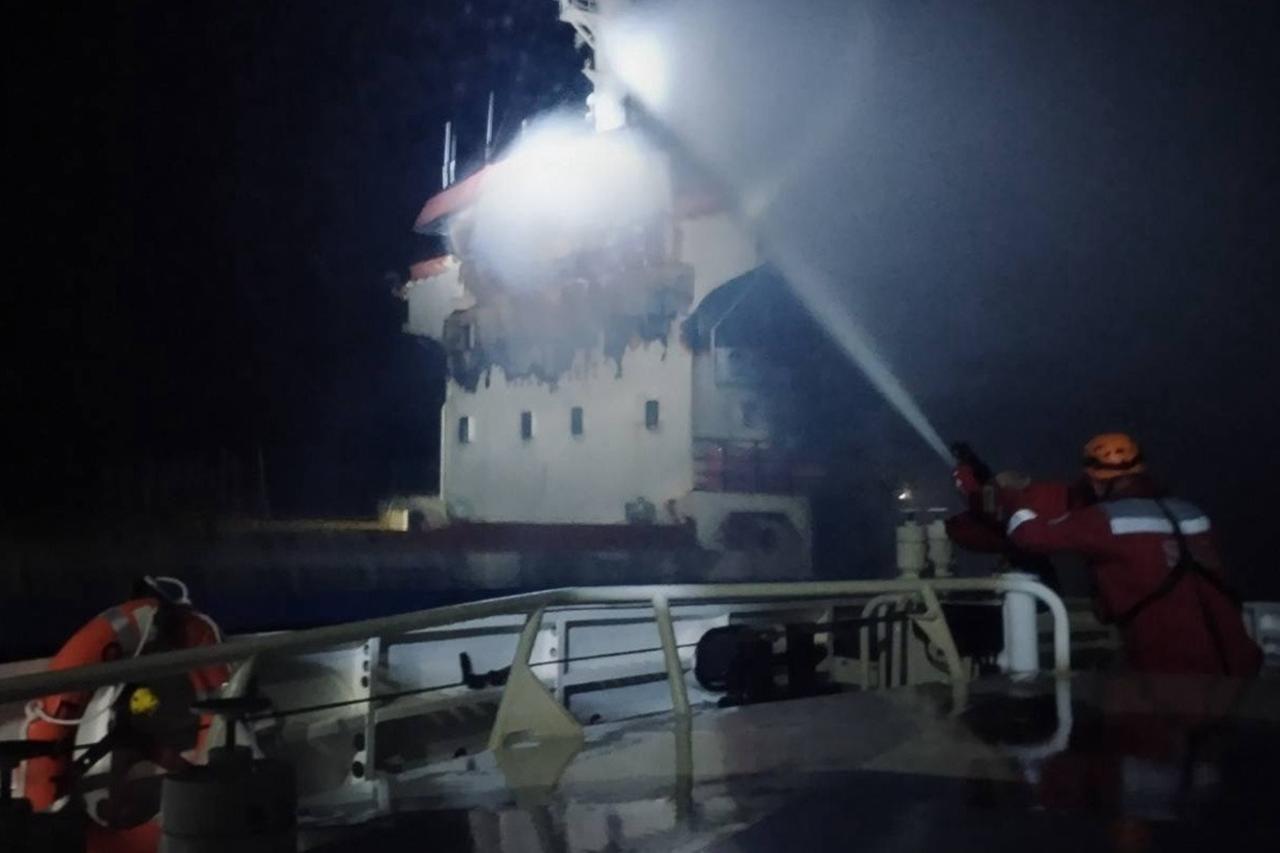
A Russian drone strike has damaged a Turkish-owned cargo ship sailing from Ukraine, triggering a sharp warning from Ankara about a dangerous, escalating security crisis in the Black Sea. The strike targeted commercial shipping in international waters, a volatile development that is directly tied to the intensifying maritime conflict between Kyiv and Moscow.
While Russia has long attempted to dictate shipping terms in the region, Kyiv's recent international diplomatic offensive during the Ukraine war has aggressively pushed to choke off Moscow's illicit grain trade. You remember Zelenskyy’s sharply worded statement against Israel that surprised many?
Long story short, Ukraine has managed to systematically lobby global partners to target one of Russia's financial lifelines, betting that exposing the shadow export network is one of the most effective ways to drain Moscow's war chest. In Ukraine’s eyes, Russia's export of grain from occupied Ukrainian territories is a factor that keeps the Russian war machine going. Rising oil prices help Russia even more. Putin clearly thinks that he has the upper hand these days. Maybe he is right.
Russia's maritime strategy was built on naval dominance, evoking an image of total control over the Black Sea’s shipping corridors. However, as the years passed, the dominance slowly faded away with Ukraine's military resistance, and its reliance on a clandestine network of unregistered vessels has stripped away any pretense of legitimacy, making its regional shipping operations look less like standard trade and more like an organized smuggling ring.
Based on tracking data, which Moscow consistently denies, Ukraine's international campaign has successfully focused a spotlight on the logistics of Russia’s "ghost ship fleet." Türkiye Today’s recent exclusive report laid bare the mechanics of this operation, revealing how these specific vessels continuously frequent Syrian ports to offload grain systematically stolen from occupied Ukrainian territories.
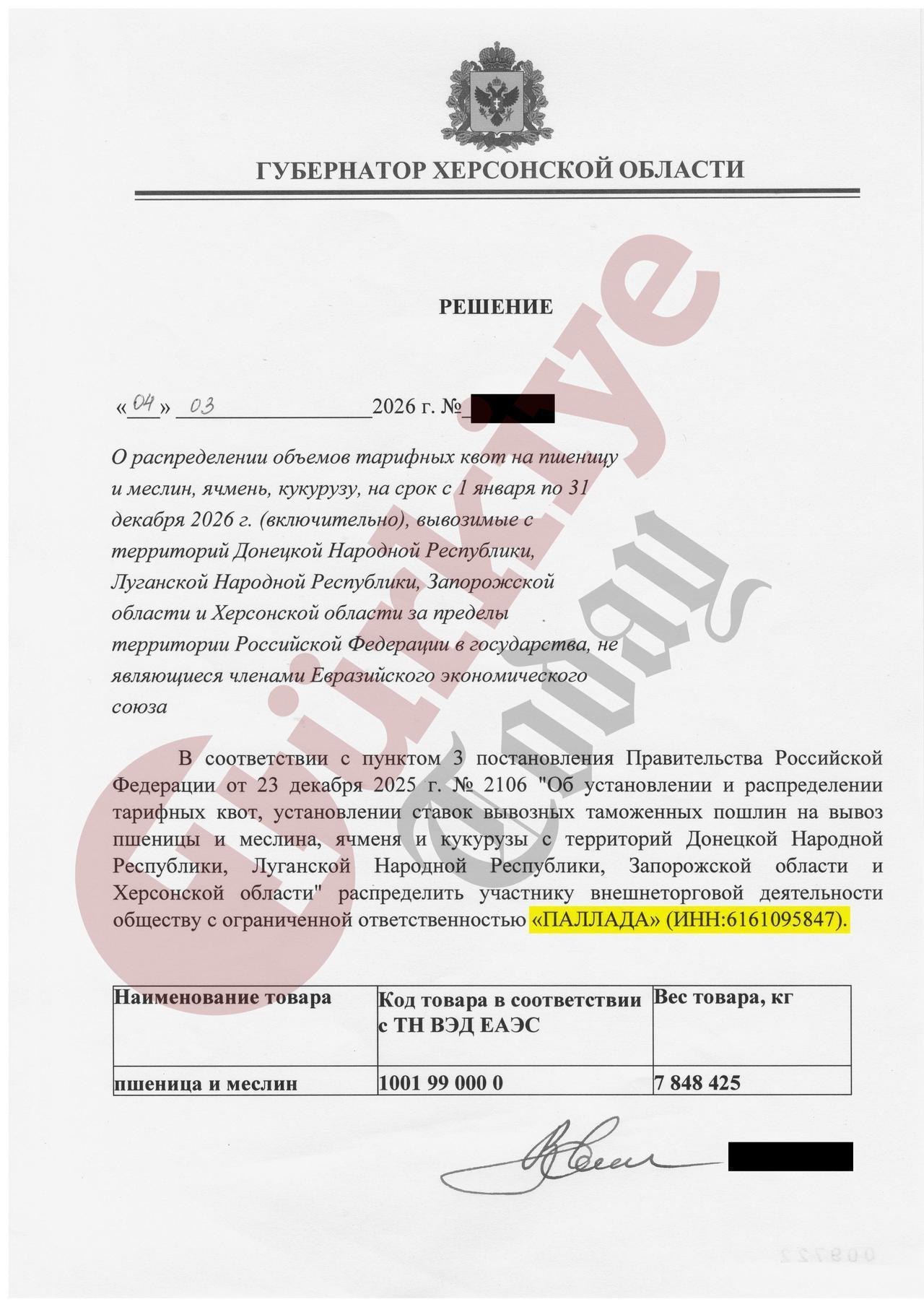

The international pushback to this shadow network materialized directly last week. Both Türkiye and Israel refused entry to a Russian cargo vessel, the Panormitis, caught carrying this plundered Ukrainian grain. Ukrainian diplomatic pressure proved effective, forcing regional authorities to turn the ship away and successfully closing off two critical Mediterranean hubs to Russia's illicit agricultural trade.
This rejection comes when Russia remains under intense pressure to sustain its economic lines. The sudden quasi-embargo from both Ankara and Tel Aviv has hit Moscow’s bottom line, and the subsequent drone strikes on commercial cargo ships appear to be Russia's chaotic retaliation for being squeezed out of these vital markets.
A Ukrainian official talking to me on the case explicitly highlighted that the context behind these escalations runs deeper than just the grain dispute. When analyzing Moscow's motivation behind the maritime strikes, the official stated: "I do not think there is a single explanation for the recent attacks in the Black Sea. Rather, they reflect a broader shift in Russia’s military and political approach toward Ukraine. Moscow appears to be becoming increasingly aggressive as it seeks new ways to exert pressure after failing to achieve its strategic objectives through conventional ground operations."
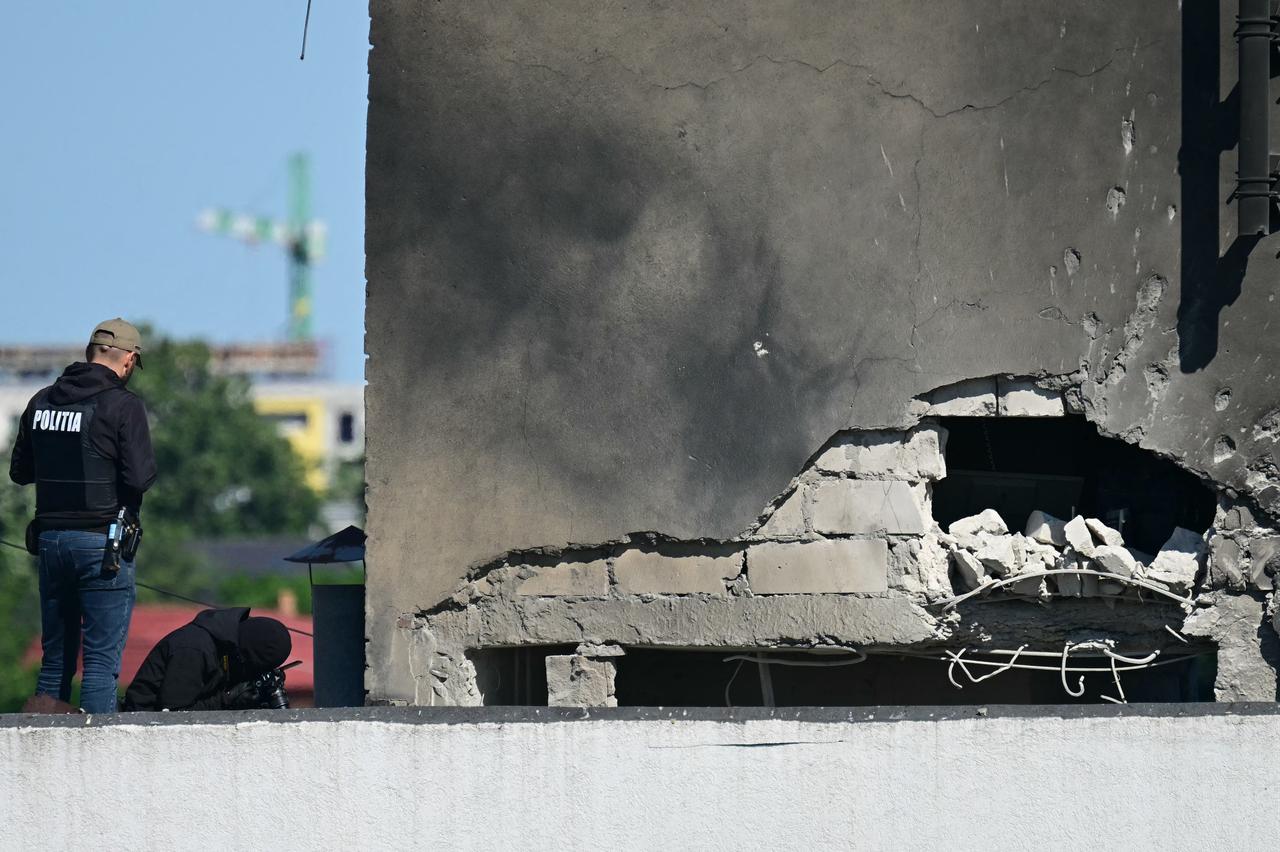
Separate from this targeted maritime warfare, the regional tension has also spilled over directly onto NATO territory.
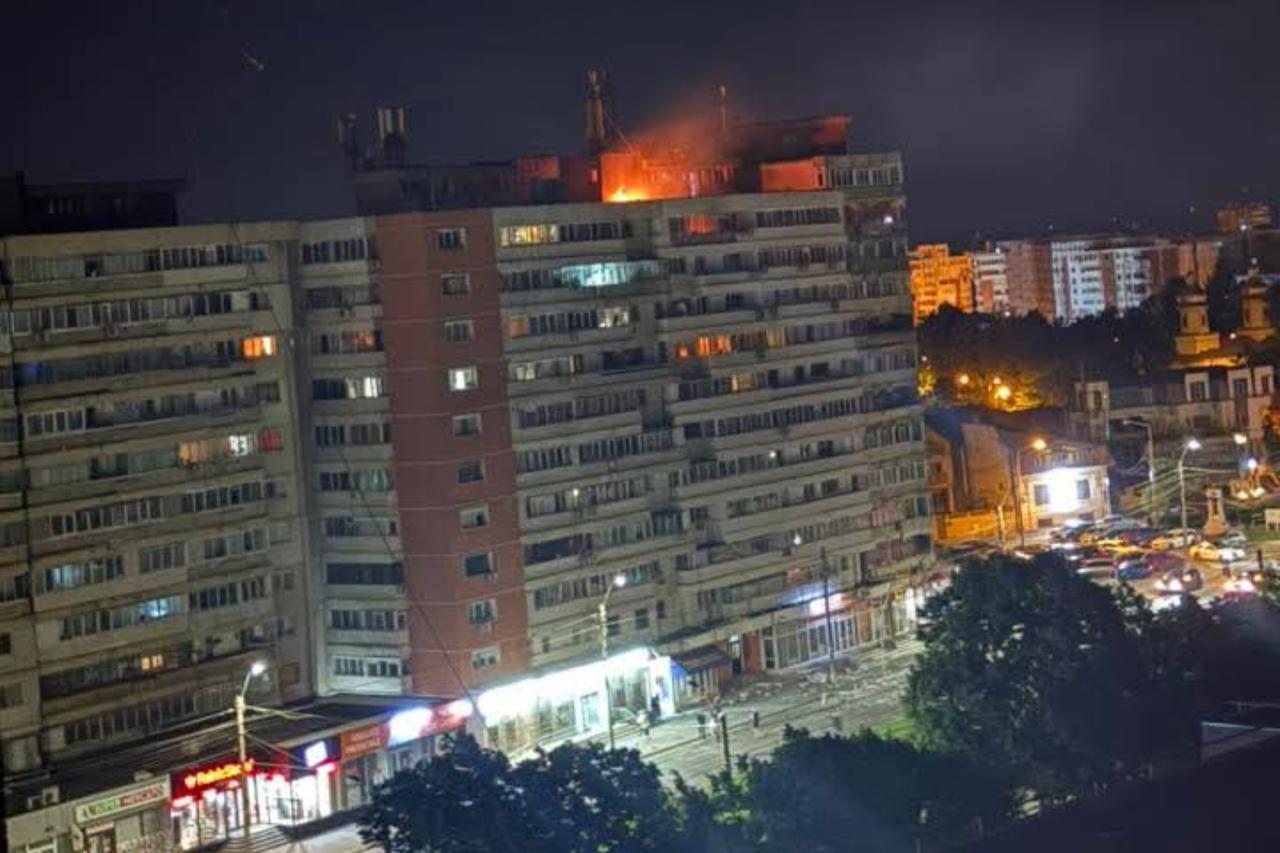
A Russian drone strike recently hit an apartment building in Romania during an attack on Ukrainian port infrastructure, drawing fierce condemnation from Brussels. NATO leadership explicitly denounced Russia's actions, calling the incident an act of pure "recklessness."
Inside the regional maritime sectors, the situation remains incredibly tense. According to a statement from Türkiye’s Foreign Ministry, the government is treating the ship strike as an unacceptable threat to international navigation.
The ministry warned that these attacks risk destabilizing the entire Black Sea corridor and could trigger a much larger regional escalation if commercial safety cannot be guaranteed. The statement did not name Russia as the perpetrator of the attack.
The primary focus moving forward will be whether Ukraine and its partners can navigate this high-stakes maritime dispute and maintain the squeeze on the ghost fleet without causing a wider, uncontrollable escalation across the Black Sea.


 Set as preferred source
 Set as preferred source


 1 min read
 1 min read