Newsletters


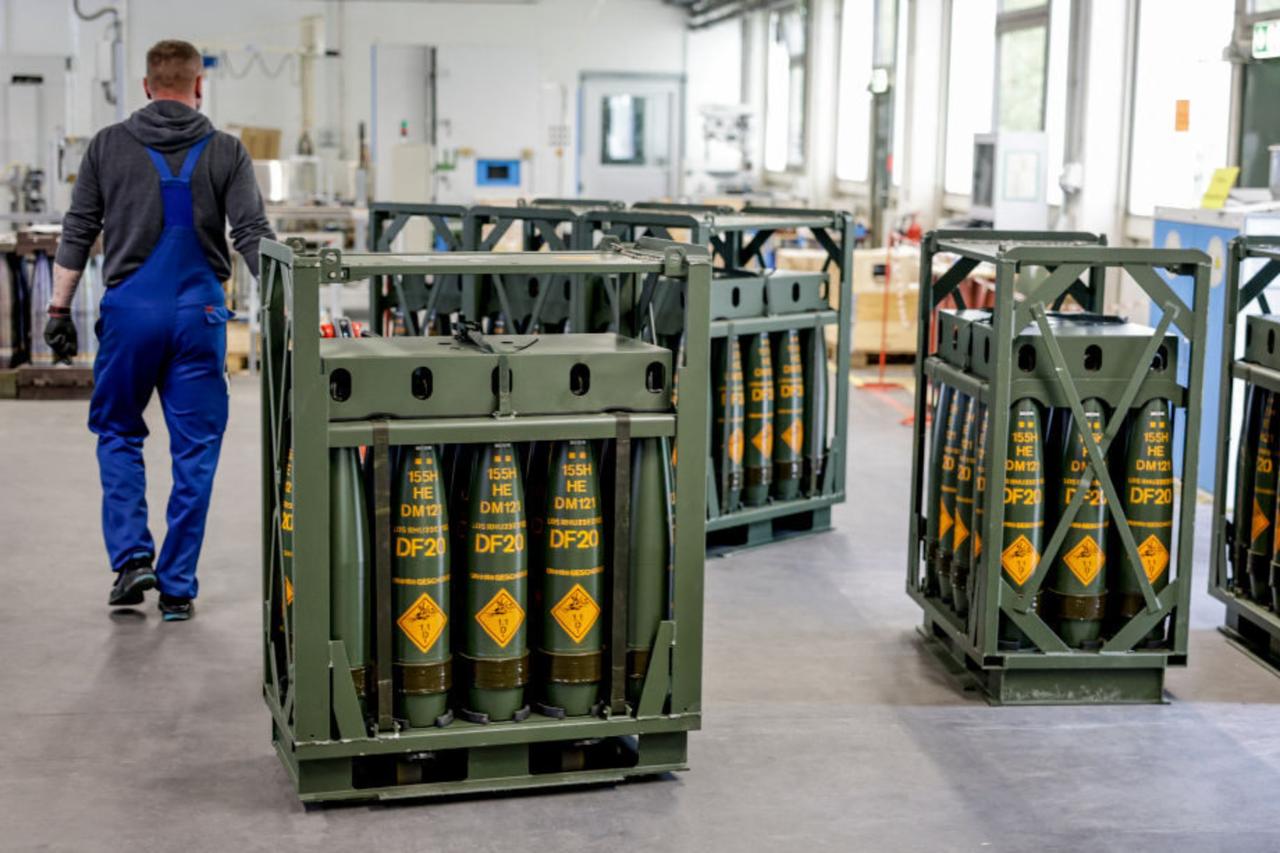


Europe’s problem is no longer whether it understands the nature of modern war. It does. The problem is whether it can sustain one.
Three years into Russia’s invasion of Ukraine, NATO has discovered that deterrence is not only a matter of resolve or rhetoric but also of metallurgy, explosives and production lines.
Apart from Türkiye, which is well on its way to becoming self-sustainable when it comes to defense, the rest of the alliance faces a chronic shortage of artillery ammunition—the backbone of modern land warfare. This has exposed the uncomfortable reality that Europe’s defense industrial base is thinner, slower and more brittle than its strategic ambitions suggest.
While attention has focused on massive new investments in Germany, France and Scandinavia, a quieter, and potentially consequential, story is unfolding further south. Bosnia and Herzegovina, long viewed through the prism of postwar fragility rather than industrial relevance, may yet emerge as part of the solution.
Bosnia’s defense industry is not a recent improvisation. It is the residue of Yugoslavia’s once-formidable military-industrial complex, much of which survived the Cold War and the country’s own devastating conflict.
Unlike many post-socialist states that allowed their heavy industry to wither, Bosnia retained a core capacity in ammunition and large-caliber ordnance. One such factory, Pretis, near Sarajevo, remains one of the few facilities in Europe capable of producing complete155mm artillery shells to NATO standards.
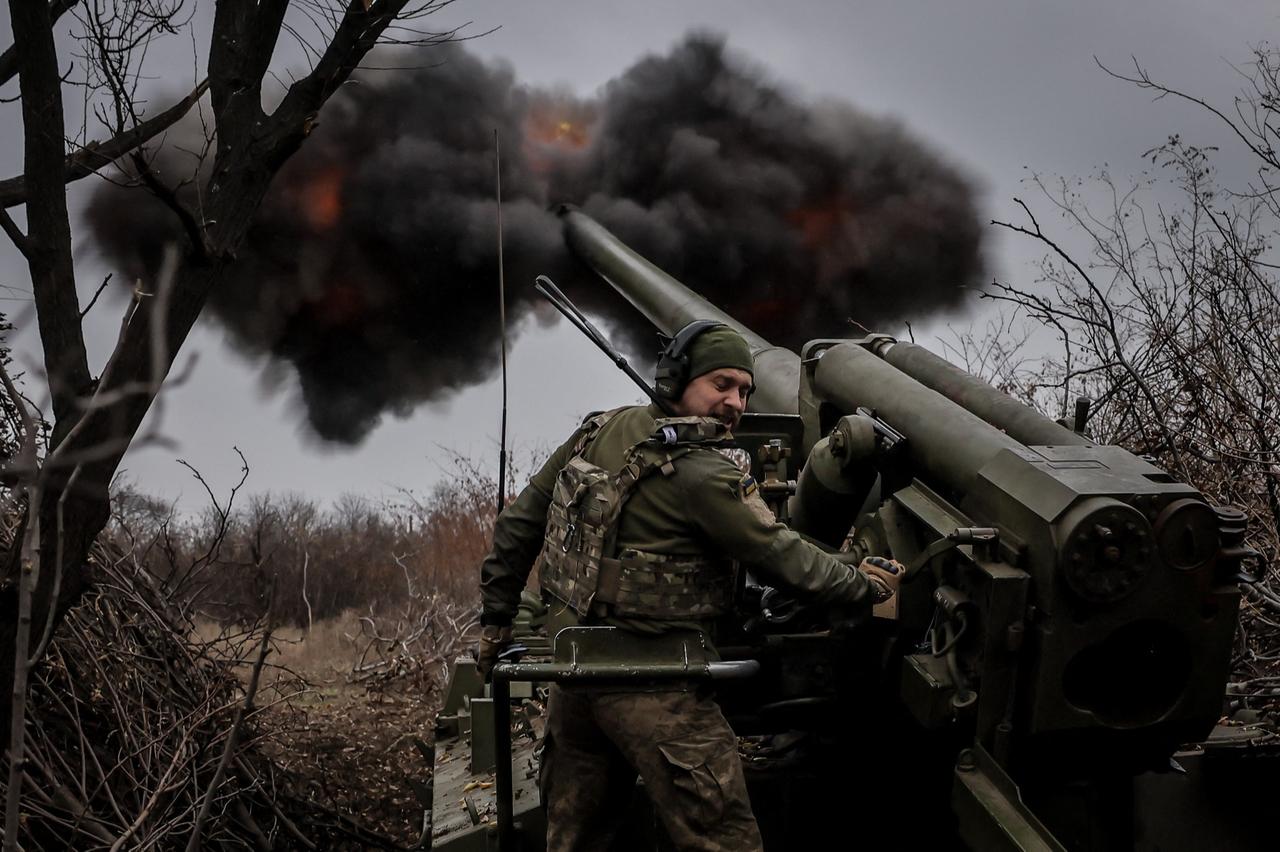
This matters because Europe’s current production surge is still insufficient. Ukrainian forces alone fire thousands of artillery rounds daily, while NATO states simultaneously attempt to rebuild depleted stockpiles and meet new readiness targets.
Even with accelerated timelines, Western European manufacturers will take years to close the gap. In strategic terms, redundancy, not concentration, is what resilience looks like.
Bosnia offers precisely that: additional capacity geographically proximate to NATO territory and outside the already overburdened industrial hubs of Western Europe.
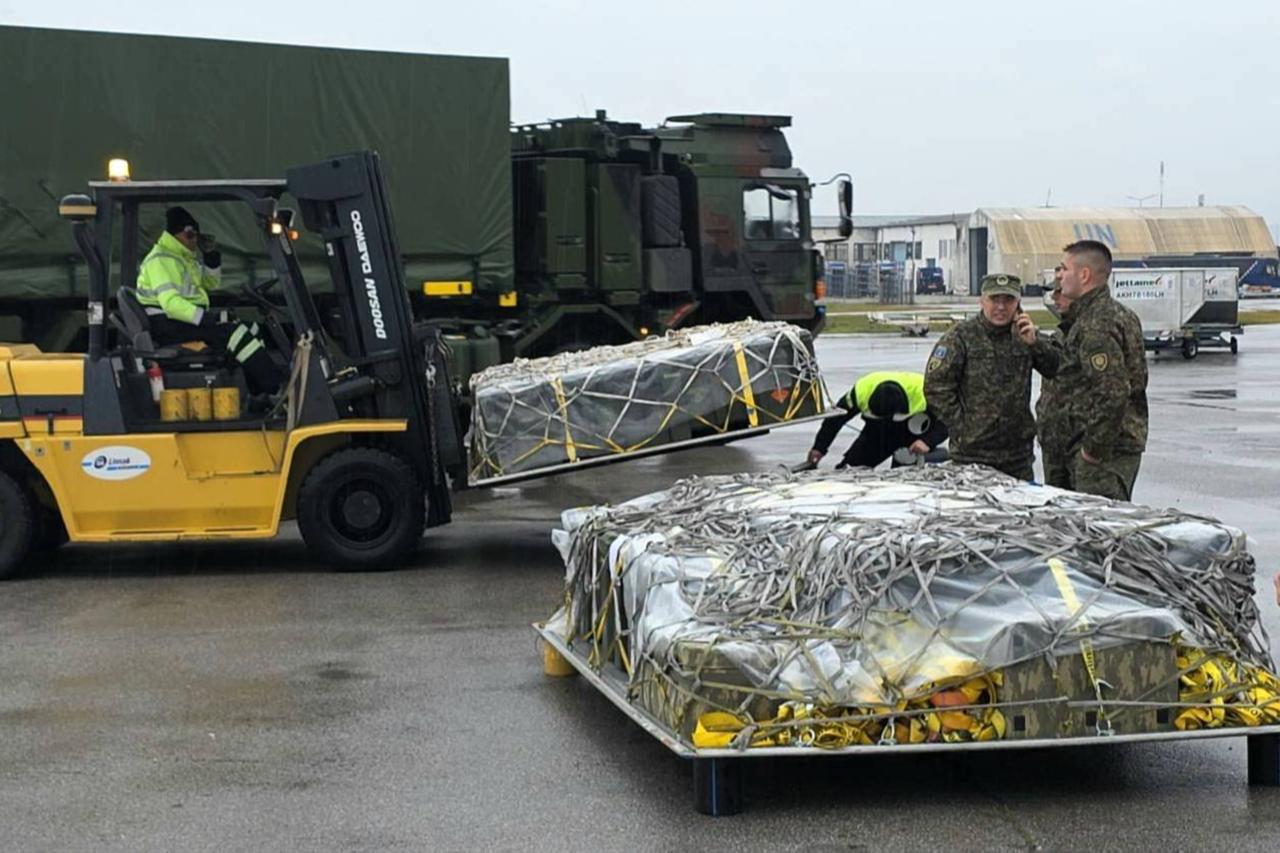
It borders or sits adjacent to NATO member states such as Croatia, Montenegro, and Hungary, astride key land corridors connecting Central Europe with the Adriatic. In any sustained contingency, ammunition produced in Bosnia would travel shorter, more secure supply lines than those stretching from Northern or Western Europe.
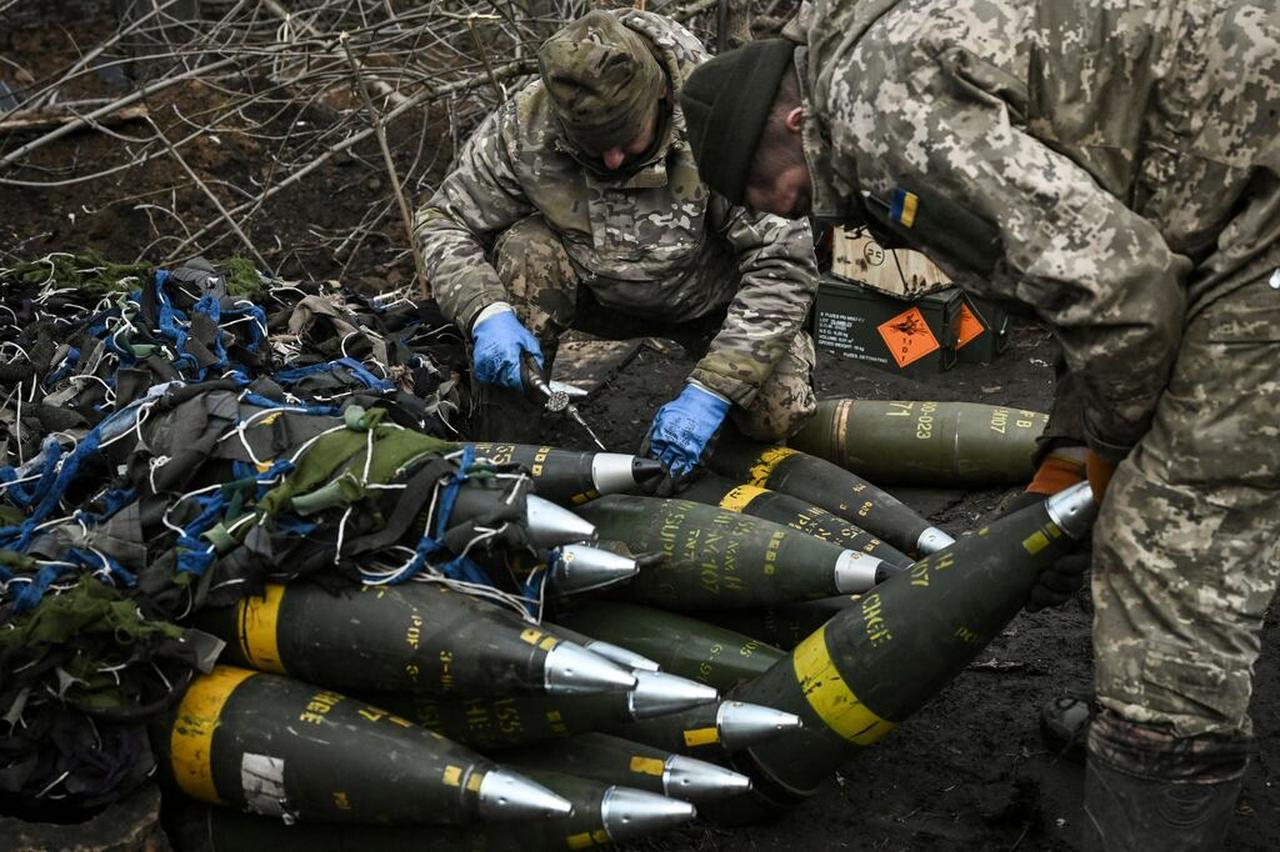

Geography, in this sense, amplifies industrial value. The Western Balkans are not a strategic backwater; they are a connective tissue between Europe’s north, south, and southeast. They are also a region where geopolitical competition remains active, if often understated. Embedding Bosnia into NATO-aligned defense supply chains, therefore, carries implications well beyond logistics.
This is where U.S. economic engagement becomes strategically salient.
Regulus Global, a U.S.-based defense and logistics firm, has taken significant stakes in key Bosnian defense manufacturers, including Pretis and Binas in the town of Bugojno, and is well on its way to fulfilling its plan to invest $100 million.
The company has pushed for modernization of forging and heat-treatment facilities, expanded explosive-filling capacity, and the introduction of Western quality control and compliance standards. It has ordered brand-new presses from Canada, which will automate and speed up production. The objective is scale, but also reliability—an attribute often undervalued until it is absent.
More importantly, as a retired Turkish intelligence officer told me, the presence of this American company signals something larger than balance sheets. In today’s strategic environment, economic investment in defense production is rarely divorced from diplomatic and security considerations.
The United States has learned, often belatedly, that supply chains are strategic terrain. From semiconductors to energy infrastructure, Washington increasingly treats production nodes and supply chains as assets that must be politically anchored and protected. Defense manufacturing is no exception.
When U.S. firms invest in ammunition production abroad, particularly in regions exposed to external influence, they effectively extend America’s strategic perimeter. Facilities producing NATO-standard munitions are not politically neutral spaces; they become part of a wider ecosystem that the United States has a vested interest in stabilizing and defending.
There is also a regional dimension that Western policymakers should not ignore. The number two NATO heavyweight, Türkiye, has steadily expanded its footprint in the defense sectors of Kosovo, Albania, and North Macedonia, combining arms exports, training, and institutional partnerships as part of a broader effort to deepen strategic ties in the Western Balkans.
Bosnia itself is not new to this ecosystem. It has already exported 155 mm artillery ammunition to Türkiye, underscoring both the credibility of its production and the competitive interest surrounding it.
In Bosnia’s case, this linkage is especially significant. The country remains politically fragmented and institutionally imperfect, but U.S. economic presence raises the costs of instability and neglect. It also complicates the calculus for outside actors seeking to exploit industrial or political vulnerabilities in the Western Balkans. Investment, in this sense, functions as a form of quiet diplomacy, less visible than troop deployments, but no less consequential.
None of this is automatic. Bosnia’s defense sector still suffers from governance problems, inconsistent oversight, and the lingering pathologies of postwar politics.
Scaling ammunition production without rigorous export controls, transparency, and regulatory discipline would be counterproductive. Western engagement must therefore be conditional, demanding, and sustained.
Yet the alternative, strategic indifference, is worse.
Europe’s 155mm shortage is not a transient wartime aberration. It is a structural feature of a security environment defined by prolonged deterrence, industrial competition, and high-intensity conflict as a planning assumption rather than an exception.
Meeting that challenge will require new factories, new partners, and new geographies.
Bosnia and Herzegovina, with its industrial legacy, skilled workforce, and strategic location near NATO’s southeastern flank, is one of those geographies. The engagement of American companies suggests how U.S. capital, aligned with strategic intent, can transform a neglected asset into a meaningful contributor to European security.
In an era when wars are won as much in factories as on front lines, Bosnia may no longer sit on the margins of Europe’s defense map. It is edging toward the center.


 Set as preferred source
 Set as preferred source


 1 min read


 1 min read