

 Newsletters




This article was originally written for Türkiye Today’s bi-weekly Balkans newsletter, BalkanLine, in its Jan. 2, 2026 issue. Please make sure you are subscribed to the newsletter by clicking here.
2025 was, in many ways, defined by a heavy sense of paralysis that only broke in its final weeks. We saw the long shadow of the past resurface during the 30th anniversary of Dayton, where old wounds were ripped open by the "Sniper Safari" scandal.
We also tracked the slow death of "energy neutrality" as U.S. sanctions finally forced a shutdown at Serbia’s NIS, a moment that proved geography and economics eventually catch up to even the most skilled political balancing acts.
However, in a significant development this week, Washington granted the firm a temporary reprieve, allowing the Pancevo refinery to resume operations until Jan. 23. This gives Belgrade a narrow window to solve the critical issue of withdrawing Russian ownership, but the clock is ticking.
We also watched as the chairs in Brussels remained empty, with Belgrade choosing a diplomatic boycott over a summit that seemed increasingly disconnected from the reality on the ground. For much of the year, it felt as though the region was holding its breath. But for what?
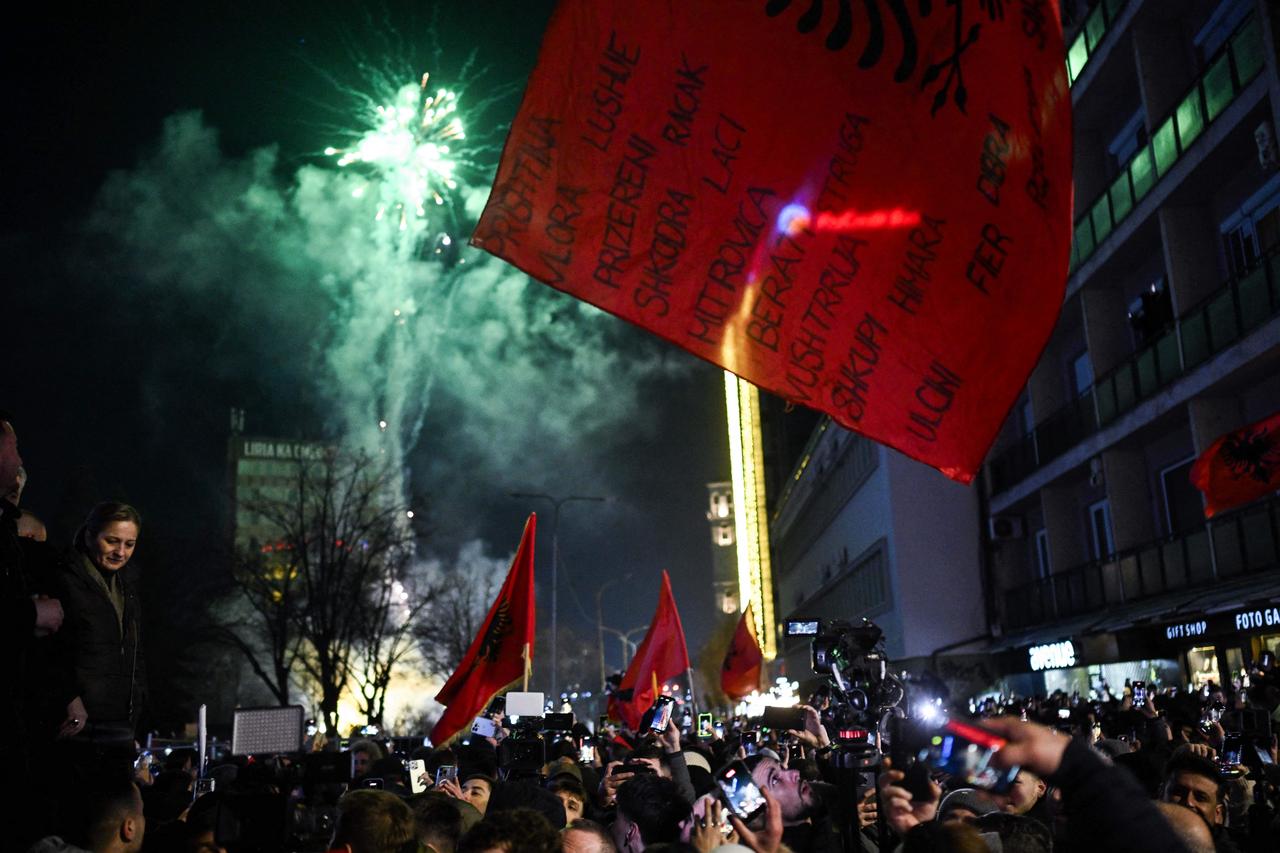
However, the ending to 2025 was decidedly set on Dec. 28 with the snap elections in Kosovo. After months of drifting under a caretaker administration and enduring a suffocating political impasse, the electorate delivered a decisive verdict.
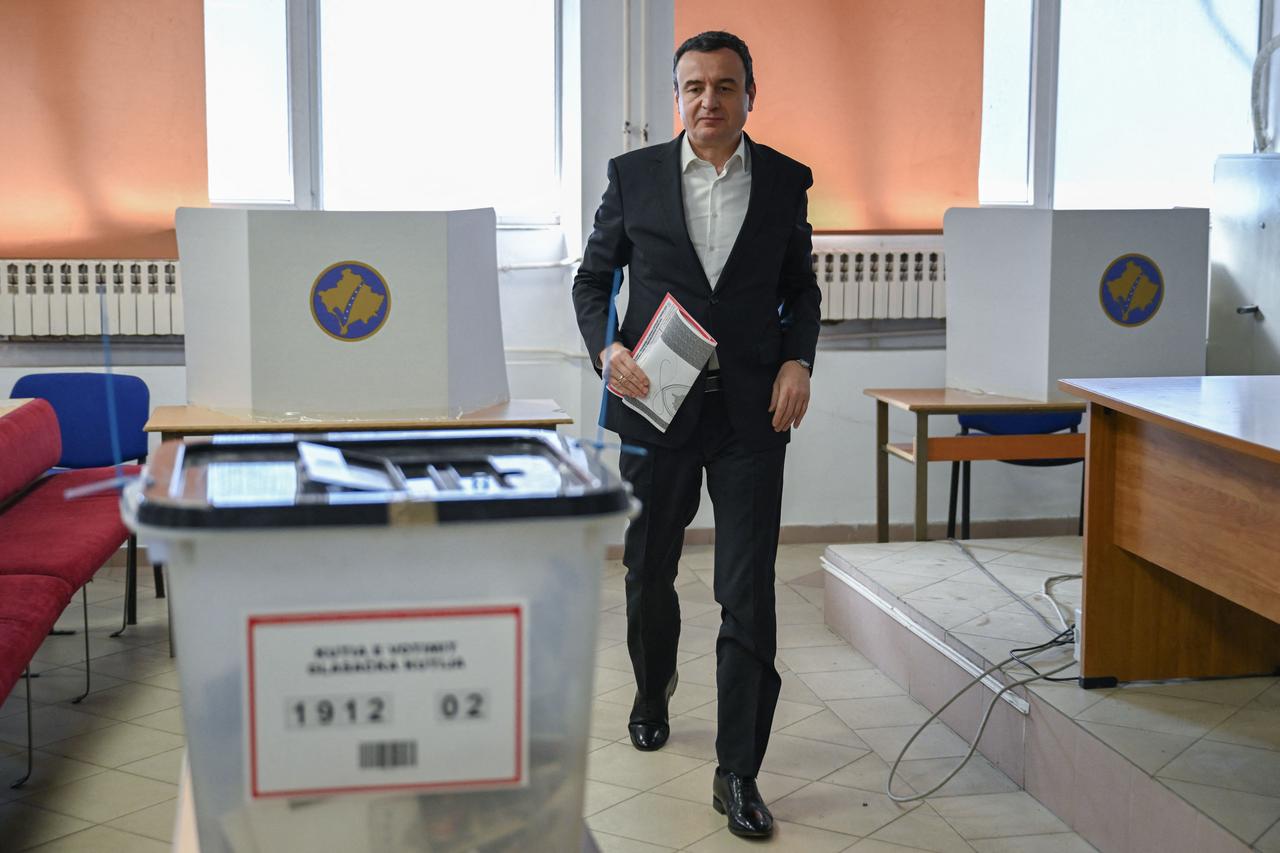

Albin Kurti’s Vetevendosje Party secured an emphatic victory, capturing nearly 50% of the vote. This is not just a win; it is what some have described as a "total mandate."
According to Albatros Rexhaj, an independent researcher and political analyst speaking to Türkiye Today, the Dec. 28 results confirm that Kurti remains the “dominant political figure in Kosovo.” Rexhaj notes that the landslide signals voter fatigue with a divided opposition that has "failed to articulate a credible alternative governing vision."
I have to admit, he is not wrong; there has been a palpable sense of fatigue in Kosovo. Many of my friends there have told me they are “tired of the uncertainty,” which costs the country more than just millions of euros. Consequently, many now believe that this result finally offers a "solution."
However, Rexhaj pointed out a crucial nuance: although this result reduces domestic uncertainty, it does not automatically resolve the structural deadlock.
Kurti now has a stronger mandate to form a stable governing coalition, but the standoff in relations with Serbia and engagement with the EU remains largely intact. As Rexhaj added, the victory "does not alter the fundamental asymmetries and unresolved expectations embedded in the dialogue process."
So, by effectively doubling the support of his nearest rival, Kurti has neutralized the internal checks that once slowed his agenda.
I think the message from the Kosovar public was clear: they chose Kurti’s uncompromising "sovereignty first" stance over the more pliable alternatives, even if it means further friction with the West.
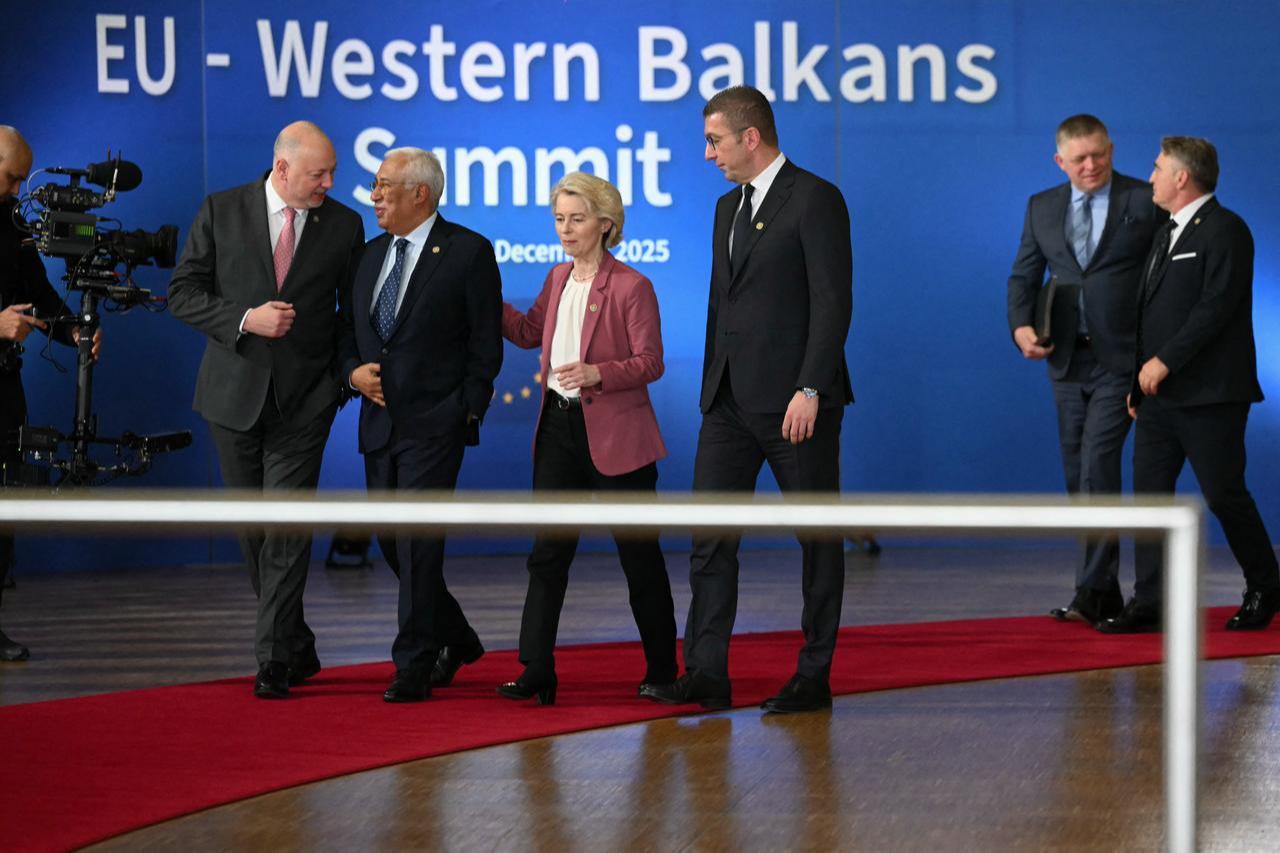
Moving forward, this decisive end to 2025 sets the stage for what I believe will be the "Year of Definition" in 2026.
The era of "muddling through" is over because the gray zones are shrinking.
In Kosovo, a Kurti with consolidated power will likely push to extend state authority with the confidence we haven't seen before. Knowing his domestic base is rock-solid, we can expect him to move quickly to pass legislation, ratify international agreements, and approve key funding packages, especially those from the EU.
We must also look to April 2026, when Kosovo will face presidential elections. The mandate of the current president, Vjosa Osmani, ends in April, and electing a successor requires at least 80 MPs to be present in the Assembly.
This carries the risk of becoming another source of political instability; any incoming government will need to secure enough support in the parliament to ensure continuity.
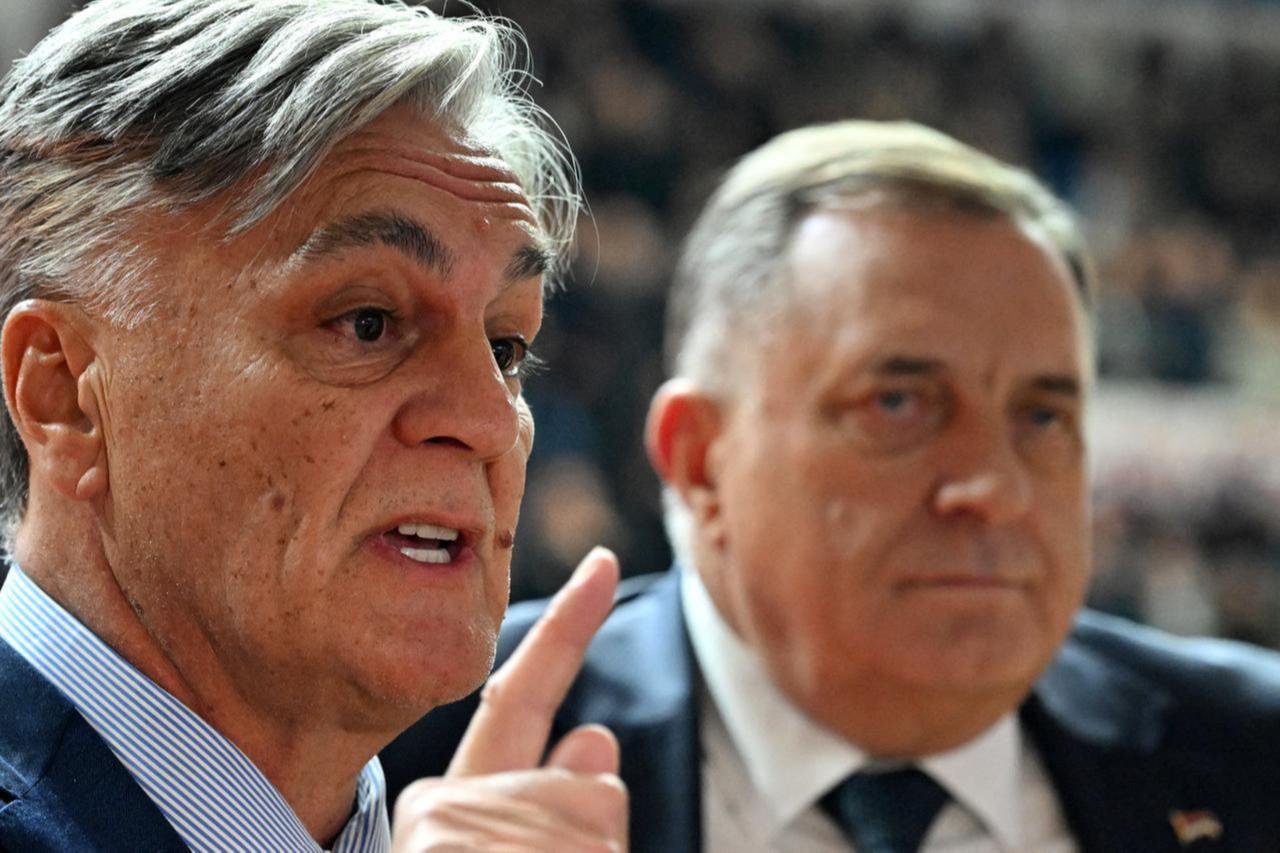
Meanwhile, the focus will inevitably shift to Bosnia, which heads to general elections this October. In the Balkans, election years are never quiet, and I believe the rhetoric from Banja Luka will hit an existential fever pitch as the banned Milorad Dodik treats the vote as a referendum on the entity’s survival.
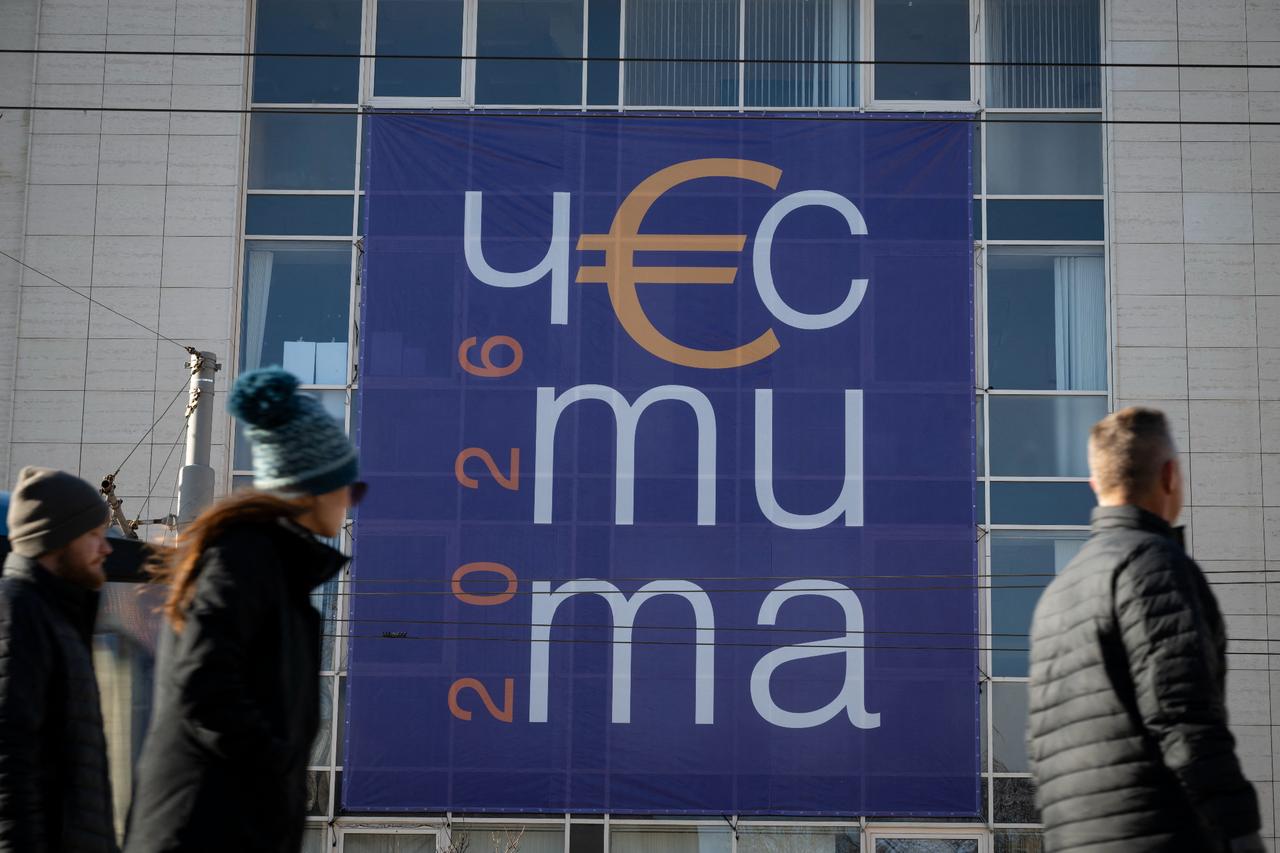
For Belgrade, 2026 is entirely about EXPO 2027. The massive construction projects required for the event mean Vucic needs two things: economic stability and foreign capital. He cannot afford sanctions or a collapsing dinar. This creates a paradox: while politically he might want to pivot East, economically, he is handcuffed to the West to ensure the Expo doesn't fail. In 2026, infrastructure is destiny.
Finally, we must watch Montenegro, the self-proclaimed frontrunner. Podgorica has set the ambitious goal of closing all EU chapters by the end of this year. It is their "put up or shut up" moment, one that will reveal if they are truly ready for the club.
2025 was the year the jug went to the water until it finally cracked. 2026 will be the year we see who can still hold water and who is simply stepping on the shards.


 Set as preferred source
 Set as preferred source


 2 min read
 1 min read



