Newsletters


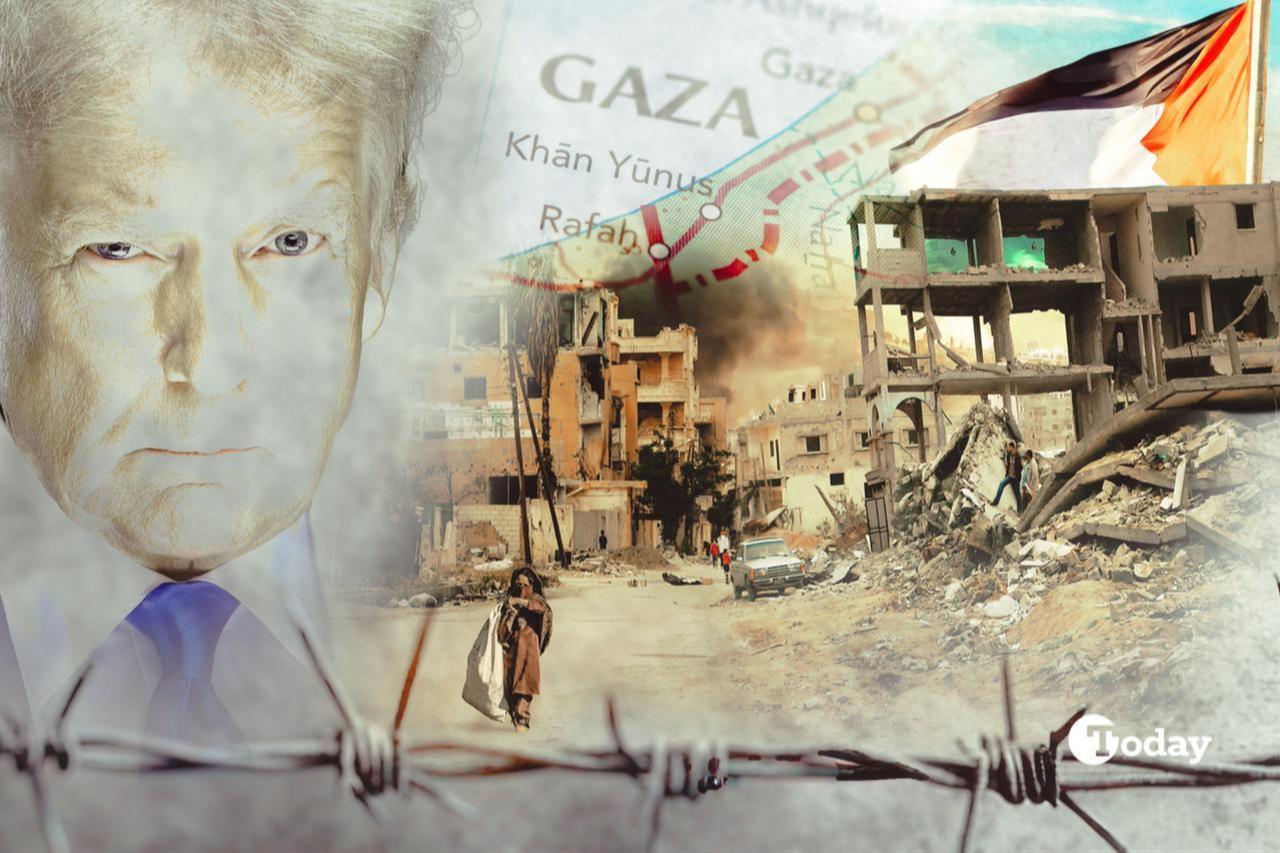


On Feb. 15, President Donald Trump declared that the Board of Peace would become “the most consequential international body in history,” announcing billions of dollars pledged for Gaza’s reconstruction and presenting the initiative as a pathway not only to stability in Gaza but ultimately to “world peace.”
The board is set to convene for its first meeting on Feb. 19. Yet the conditions in Gaza remain starkly at odds with the stated goals.
There has been a ceasefire in Gaza since Oct. 11, 2025. Humanitarian aid has continued to enter, though in limited amounts. The Rafah Border Crossing has been partially opened, allowing Palestinians to leave Gaza, but only in restricted numbers. Commercial goods are also moving through Israeli-controlled crossings, albeit at minimal levels.
However, all of this does not translate into the “normalization” or “peace” President Trump speaks of today; instead, it points to the maintenance of a controlled crisis in Gaza. Israeli violence in Gaza does not fully cease; it continues at a limited level.
Humanitarian access is not entirely cut off, yet it is never opened enough to meet the vital needs of Palestinians. The crisis on the ground is not resolved, but it is managed. That is what Gaza has been experiencing since the ceasefire: not a proper solution, but control.
Since the ceasefire began, at least 600 Palestinians, including women and children, have been killed in Israeli attacks. UNICEF says more than 100 children have been killed during this period, but also underlines that the unofficial number could be much higher.
This figure alone is enough to illustrate the widening gap between a ceasefire on paper and the reality on the ground.
Since the ceasefire, weapons in Gaza have not fallen completely silent. Hospitals have yet to breathe. The Israeli blockade has not been effectively lifted. Humanitarian aid remains severely limited.
Today in Gaza, over 20,000 Palestinian patients and wounded individuals are awaiting Israeli permission to leave Gaza for medical treatment.
As the Gaza Ministry of Health has emphasized, the partial reopening of the Rafah Crossing does not correspond to the scale of the catastrophe. The existing crossings fall far short of what is needed.
Even more critical is the collapse of Gaza’s health system. On Sunday, officials from Gaza’s two major medical centers, such as Al-Shifa and Al-Aqsa hospitals, warned that failing electricity generators, severe fuel shortages, and depleted medical supplies are placing thousands of patients at risk.
They said intensive care and emergency units are nearing shutdown, hospitals are running on alternative power, and the health system has reached its worst point since the war began.
As all this is happening in Gaza, we are heading into the first meeting of the Board of Peace.
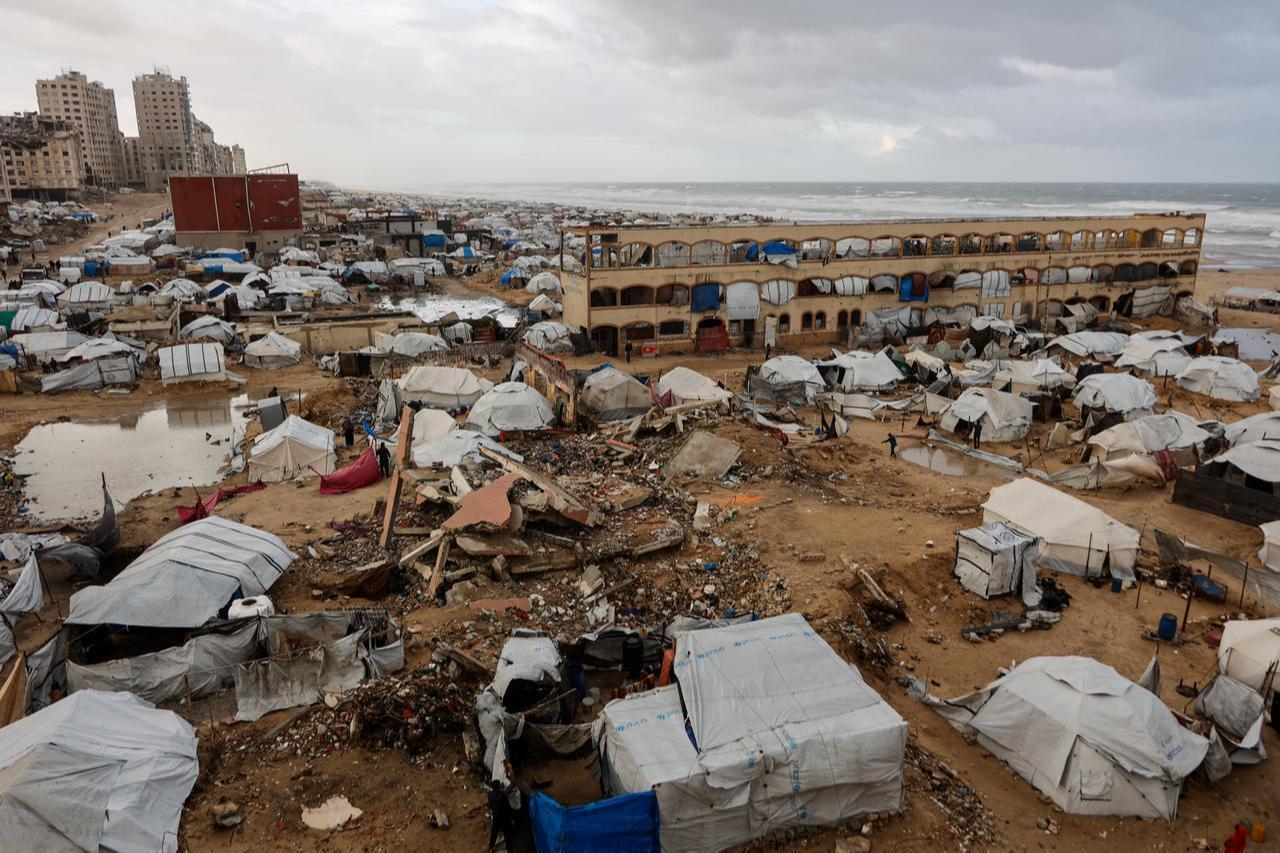

Since the beginning of the war, the United Nations has mobilized all its agencies to address the humanitarian crisis in Gaza. Yet this has not been enough to change the reality on the ground. Even where there has been some progress, Palestinians have had to pay an extremely heavy price for even the smallest gains.
For months, the international system was criticized for its inability to act, as Israel blocked all access to Gaza and existing mechanisms failed to overcome this. The criticism was justified.
The announcement of the Board of Peace raised hopes by promising a path forward for one of the gravest crises of recent history, but from the very start, the Board of Peace is disconnected from the realities on the ground.
Given the fact that today the situation has moved beyond accusations of inaction, the real problem has evolved into something else entirely:
The system’s leading actors act as if they are doing enough.
The path toward normalization and reconstruction in Gaza is no longer entirely closed, but neither is it fully open. What is permitted to enter Gaza today falls short of a genuine humanitarian intervention; it consists instead of limited steps that leave the scale of the crisis unchanged, serving only to make it appear manageable.
Thus, it does not end Israeli pressure; it merely keeps it at a manageable level. While this peace plan promises Palestinians an “open buffet” on paper, what is delivered in practice is limited to symbolic portions that are insufficient even for survival. Is this really enough?
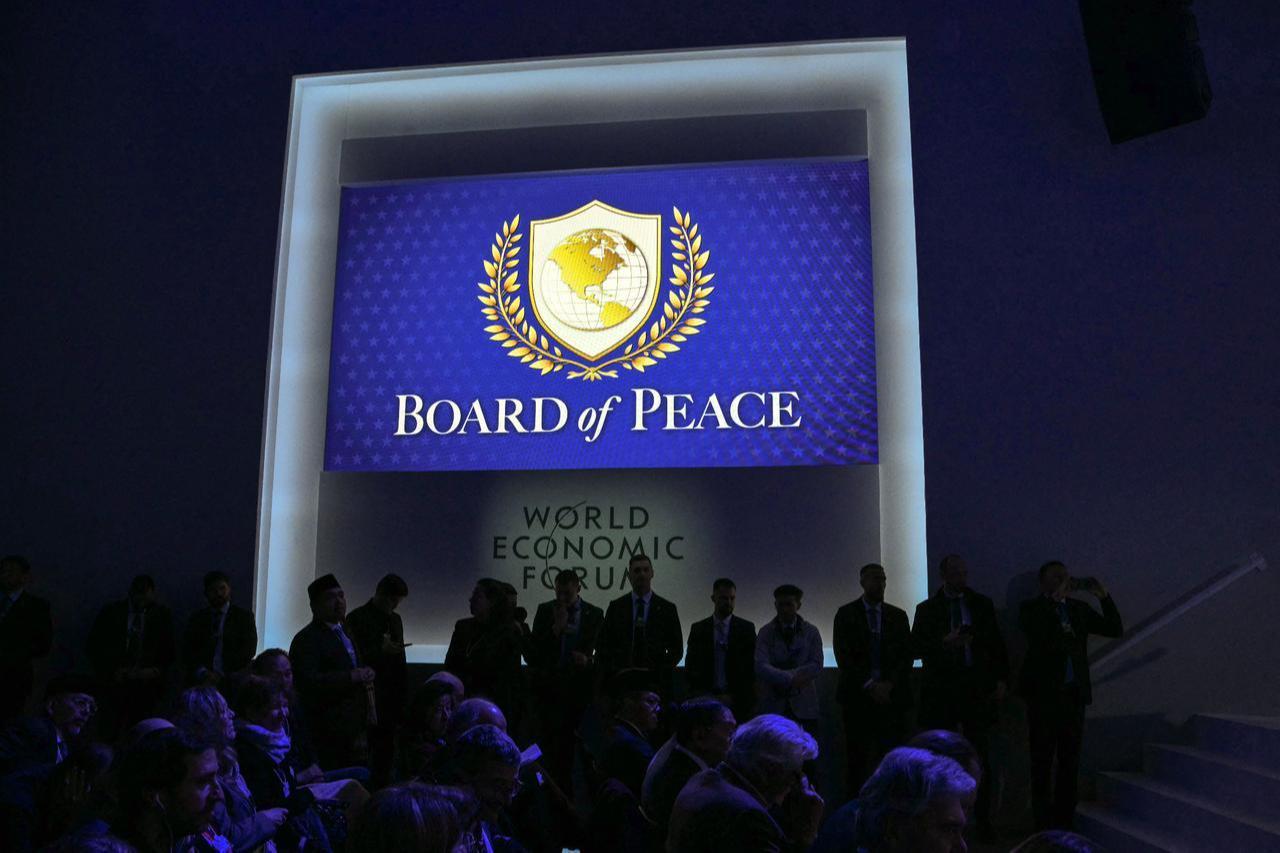
The peace process begins with a fundamental dilemma: planning governance and reconstruction without access or accountability.
All members of the 15-member Technocratic Committee, established under the supervision of the Board of Peace and expected to manage civilian administration and reconstruction in Gaza, have still not been able to enter Gaza.
Israel’s restrictions on the entry of certain members are preventing the committee from functioning in practice. This situation makes clear just how conditional the rhetoric of “temporary governance” really is: a body presented as planning Gaza’s future cannot even enter Gaza.
Even if the launch of civilian administration, reconstruction, and basic services appears feasible on paper, decision-making authority on the ground still lies outside Gaza and remains subject to Israeli approval.
This reality not only undermines the claim that peace and reconstruction processes have been handed over to Palestinians; it instead reveals a system of “management” in which responsibility is dispersed while Israeli control remains firmly in place.
Israel’s role in the Board of Peace presents another contradiction: despite being the only party to avoid Gaza’s destruction, there is no open debate over Israel’s responsibility for reconstruction costs.
Rather than holding Israel financially accountable, countries seeking permanent membership on the Board of Peace are asked for a $1 billion contribution to bankroll Gaza’s reconstruction.
In other words, this is the reality that emerges: the perpetrator responsible for the destruction remains at the table, while the cost of reconstruction is shifted onto other states.
Will this board deliver decisions that genuinely save lives in Gaza, enforce accountability, and exert real pressure? Or will it reduce “peace” to a form of governance and crisis management divorced from responsibility and sanctions?
Gaza today makes this clear: peace is not defined by a ceasefire alone. It is measured by whether lives are no longer being lost, whether hospitals are functioning, whether humanitarian aid can reach those in need, and whether reconstruction has begun.


 Set as preferred source
 Set as preferred source



 7 min read