Newsletters


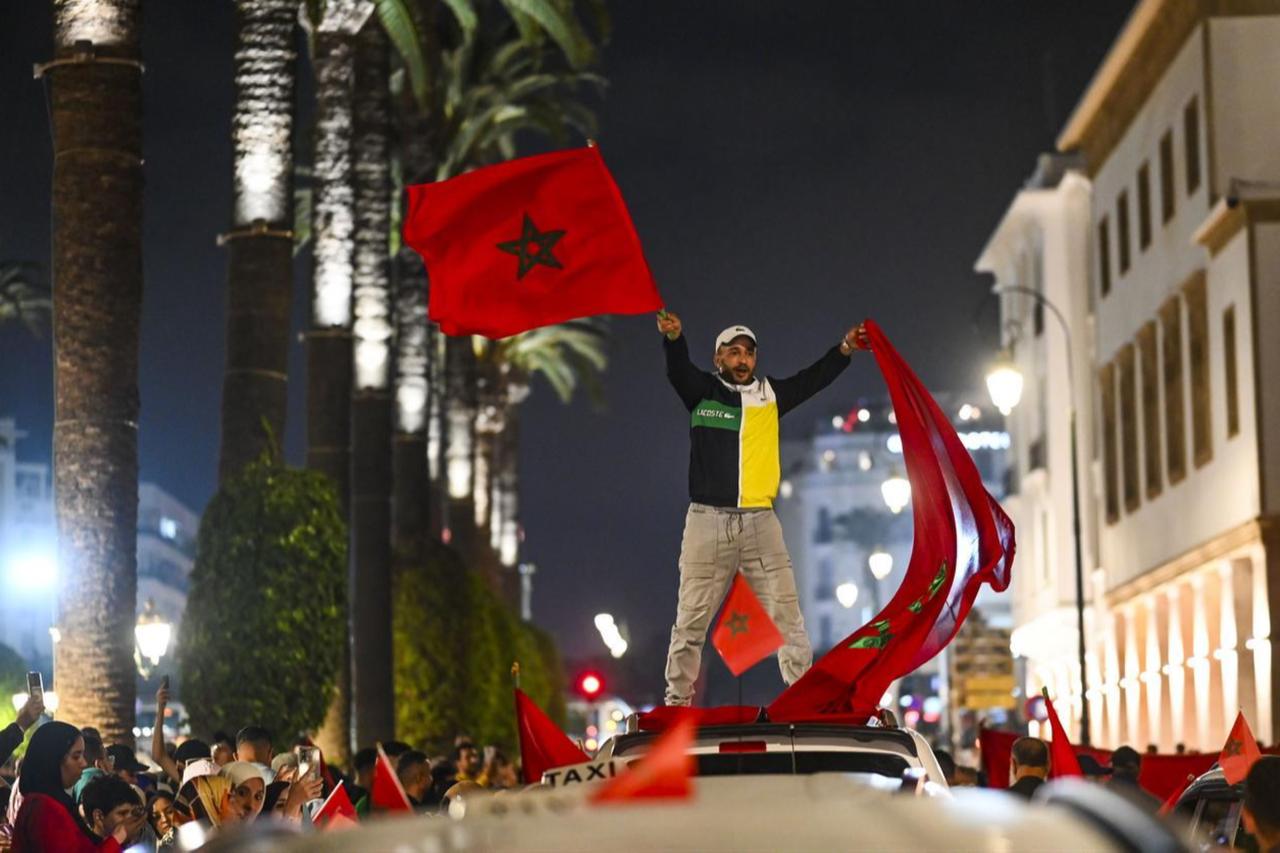


Many are unaware that Morocco was the first nation to formally recognize the United States, doing so in 1777—just one year after the Declaration of Independence.
The Moroccan-American Treaty of Friendship, signed in 1786, remains the longest-standing unbroken treaty in U.S. diplomatic history. Originally established to protect American vessels from piracy, this "special relationship" now stands as a pivotal alliance with the potential to reshape North Africa and the Sahel.
The term "special relationship" was coined to describe the U.S-U.K relations. Shared values lie at the heart of that relationship. America’s special relationship with Morocco today has a similar foundation. Morocco is traditionally one of the most liberal and pro-Western countries in the Greater Middle East region.
As a stalwart ally, Morocco benefits from the only free trade agreement America has concluded with an African nation. Rabat has also kept comprehensive military and security cooperation with the United States going back decades.
Currently, the Moroccan military is the largest buyer of American military equipment in all of Africa. Every year, Morocco also hosts the African Lion military exercises, which bring together the U.S. and other NATO countries together with African militaries. It is the largest military exercise of the U.S. Africa Command (USAFRICOM).
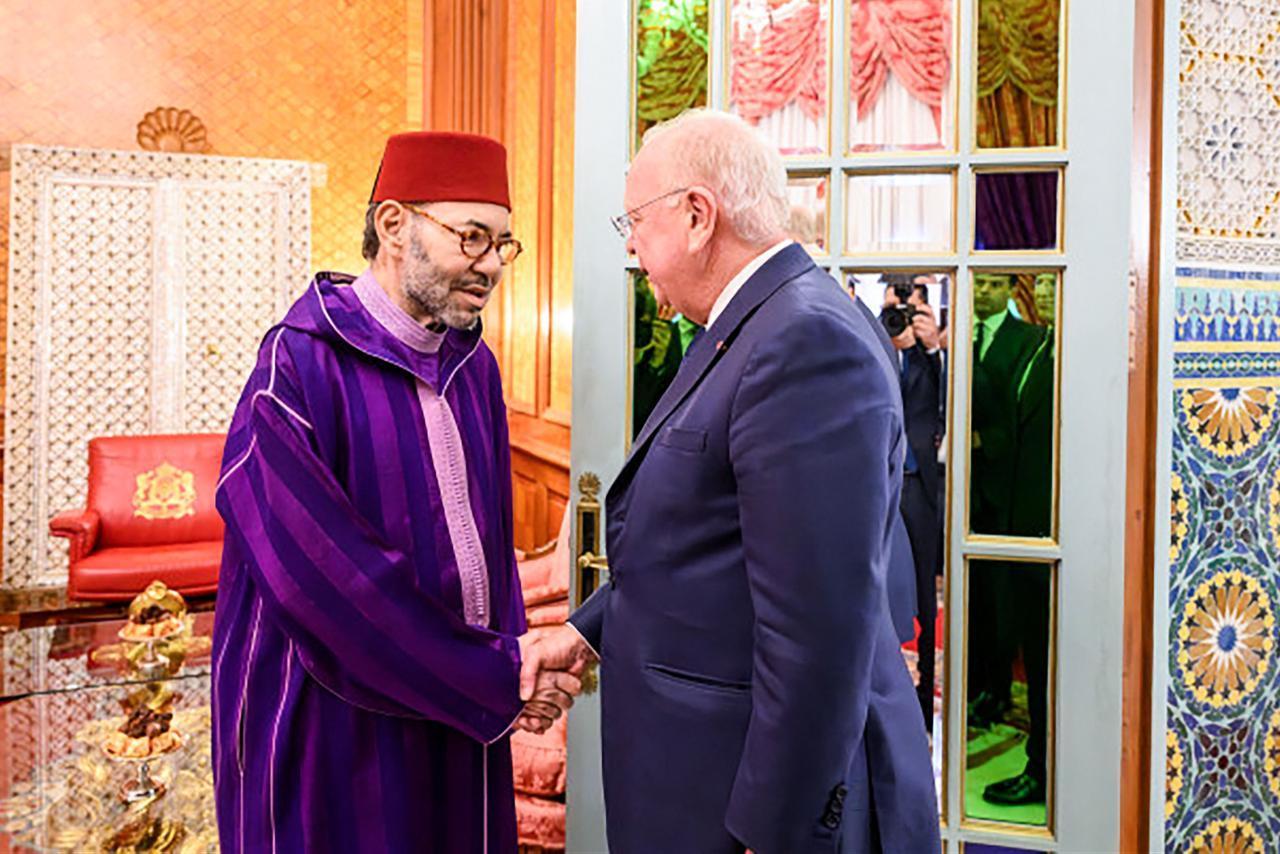
King Mohammed VI joined the Abraham Accords in 2020 and recognized Israel. Beyond all these, Morocco offers important strategic openings for policy makers in Washington.
Morocco, arguably, is the most influential player in North-West Africa in terms of economic capability to help the Sahel countries. It can also potentially connect the region to Europe, the Atlantic and the Mediterranean. The Sahel is critical not just for its neighboring North Africa but also for global security.
Once a hub for the West’s counterterrorism efforts, the troubled region is currently the global epicenter of terrorism, according to the 2025 Global Terrorism Index report. The military coups in Mali (2020, 2021), Niger (2023) and Burkina Faso (2022) have brought in regimes that have distanced these countries from the West.
French forces had to evacuate Mali, Burkina Faso, Niger, as well as the Central African Republic, Chad, Senegal, and the Ivory Coast between 2022 and 2025. In August 2024, the U.S. also had to withdraw completely from Niger, vacating its airbase. Salafi-Jihadi groups have long found fertile ground for their activities under the region's collapsing political, security and economic conditions.
The creation of a “coup-belt” in the region has increased the strategic importance of Morocco. The U.S. still needs to monitor terrorist activities in the region. Washington also has to make sure the region does not destabilize neighboring regions. Human trafficking in the region has implications as far as Europe. In addition, the region has economic importance with its critical mineral deposits. In all these areas, Morocco can help Washington with its presence in the region.
In the face of these developments, Morocco initiated the Atlantic Initiative in 2023. With this multi-layer development and infrastructure project, Morocco aims to connect the Sahel countries to the Atlantic Ocean by 2028. Morocco’s efforts in this regard is critical to U.S interests.

America’s options would not just be limited to the Sahel with regard to Morocco’s strategic location. U.S.-Spain relations have been strained in recent years as the Spanish government is increasingly more critical of the United States foreign policy, especially in the Middle East.
Last April, the Financial Times claimed that the Trump Administration could move its Rota Naval Base in Spain to Morocco across Gibraltar. The article was subsequently refuted. Nevertheless, if tensions with Europe were to persist, Morocco would remain an alternative for military planners.
However, there are two obstacles—the Western Sahara question and Morocco-Algeria relations—that slow Morocco in its regional aspirations. The United States can help Morocco to bring more stability to the region.
To begin with Western Saharan question remains on the diplomatic table. Annexed by Morocco as the Spanish left, the region is de facto divided between Morocco and the Polisario Front, the Sahrawi independence movement. Since 2007, Morocco has proposed an autonomy plan for the region, which now has the blessings of the U.N. Security Council as well as African and European countries.
During President Trump’s first term, the United States recognized Morocco’s sovereignty over the disputed region. Israel followed in July 2023. If the United States can broker a settlement in Western Sahara that would boost Rabat’s access to the Sahel. A settlement in Western Sahara will also directly improve Morocco-Algeria relations.
Morocco and Algeria have had tumultuous relations over the 20th century. Border disputes led to two wars since 1963. The borders between the two have remained closed since 1994. Algeria supports the Polisario Front for an independent Western Sahara. Algiers also severed diplomatic ties with Morocco in 2021, accusing Rabat of supporting the Kabyle separatist movement.
The current situation harms both countries that share a common Maghreb identity. On the other hand, U.S.- Algeria relations have improved substantially over the past decade. This gives the U.S. an opportunity to help both countries mend their ties. If this can be achieved, the implications for both countries and the region will be immense.
In the final analysis, Morocco offers the United States a chance to test the soft power of American diplomacy and deliver results in one of the more troubled regions of the world.


 Set as preferred source
 Set as preferred source


 7 min read