Newsletters




Optimism prevailed last week following reports of an imminent agreement to end tensions between Tehran and Washington.
It promised to conclude weeks of intense political and security strain across the region and suggested that the Strait of Hormuz, which Iran had sought to close and disrupt international navigation as leverage, would soon return to normal operations.
The U.S. president spoke proudly of his victory, while Iranian supporters viewed themselves as the real winners, claiming Tehran had successfully imposed its vision and emerged with significant gains.
For most observers, the question of who “won” was secondary. The priority was simply ending this unprecedented state of tension in the Gulf, at any cost.
The closure of the strait had ripple effects on the global economy, extending far beyond the Arab world or the broader Middle East.
Both sides had a strong interest in reaching a deal and producing a mutually acceptable document. However, achieving this was far from easy due to numerous rejectionist parties actively working to sabotage the process.
Inside Iran, not all power centers share the same enthusiasm for the new agreement. Supreme Leader Mojtaba Khamenei’s statement, in which he expressed dissatisfaction with the direction of the understandings but approved them on the condition that President Masoud Pezeshkian take full responsibility, revealed the depth of skepticism and internal divisions.
Pezeshkian, despite his limited powers under Iran’s system, now finds himself in a difficult position: facing both domestic skeptics and international public opinion simultaneously.
The Iranian negotiating delegation thus confronts influential internal factions that view any negotiation as surrender and a betrayal of “the blood of the martyrs.” These are the same hardline elements that opposed the original nuclear deal with the West, consistently accusing the West of deception and manipulation.
In recent days, protests organized by hardline factions have even called for the dismissal of the negotiating team, led by the foreign minister and the speaker of Parliament.
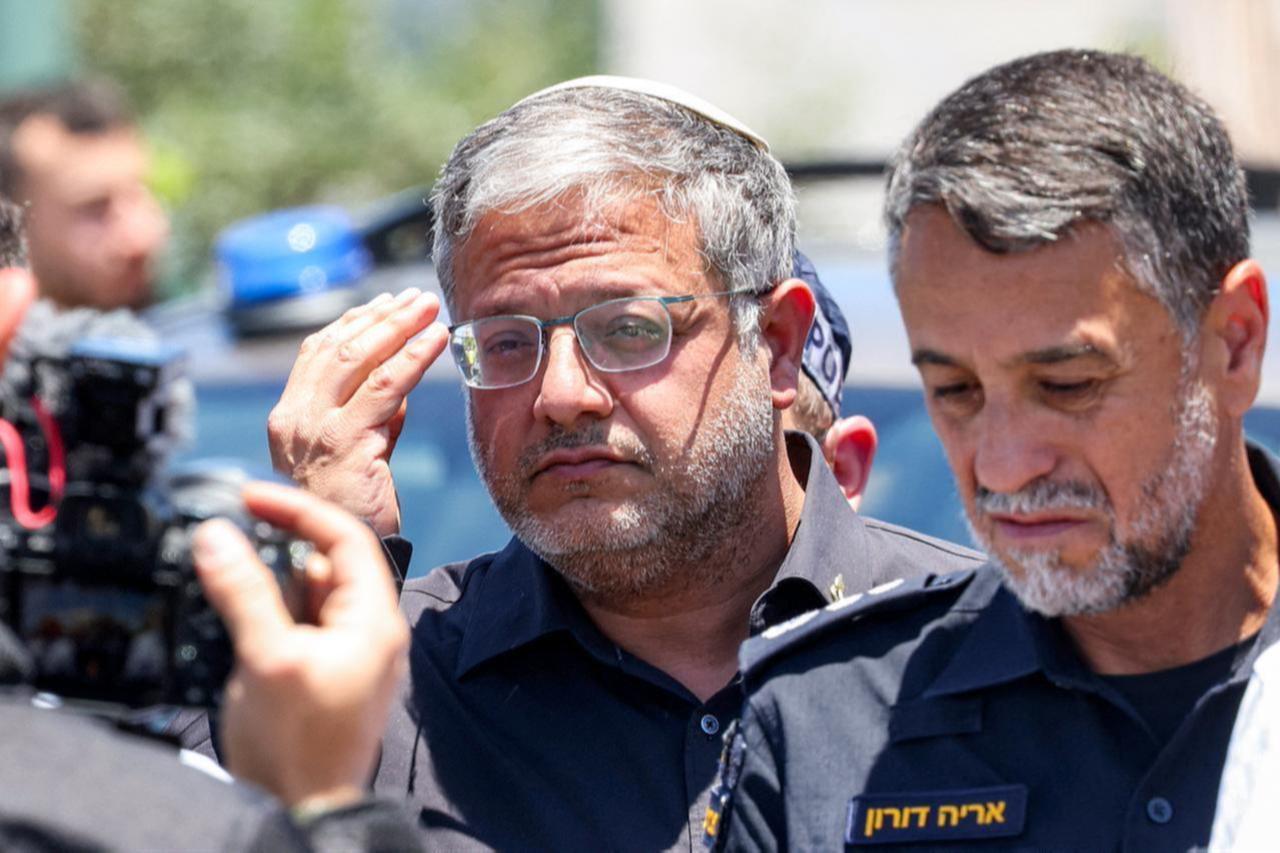
Another influential yet officially absent player is Israel, which has been accused, even by Americans, of obstructing peaceful solutions.
Israel’s insistence on escalation has created an unprecedented strain in U.S.-Israeli relations. While Trump seeks to extricate himself and his country from a crisis he believes Netanyahu helped drag them into, Tel Aviv continues to deepen the entanglement through strikes on Iran and Lebanon. This prompted JD Vance to issue unusually sharp criticism of America’s closest ally, reminding it that it “would not exist without American support.”
While the extent of this tension should not be exaggerated, given the deep strategic ties between the two countries, the divergence in positions is undeniable.
In the Israeli media, some commentators warn of a dangerous decline in this historic relationship due to the government’s miscalculations and its reliance solely on the language of war and bombing.
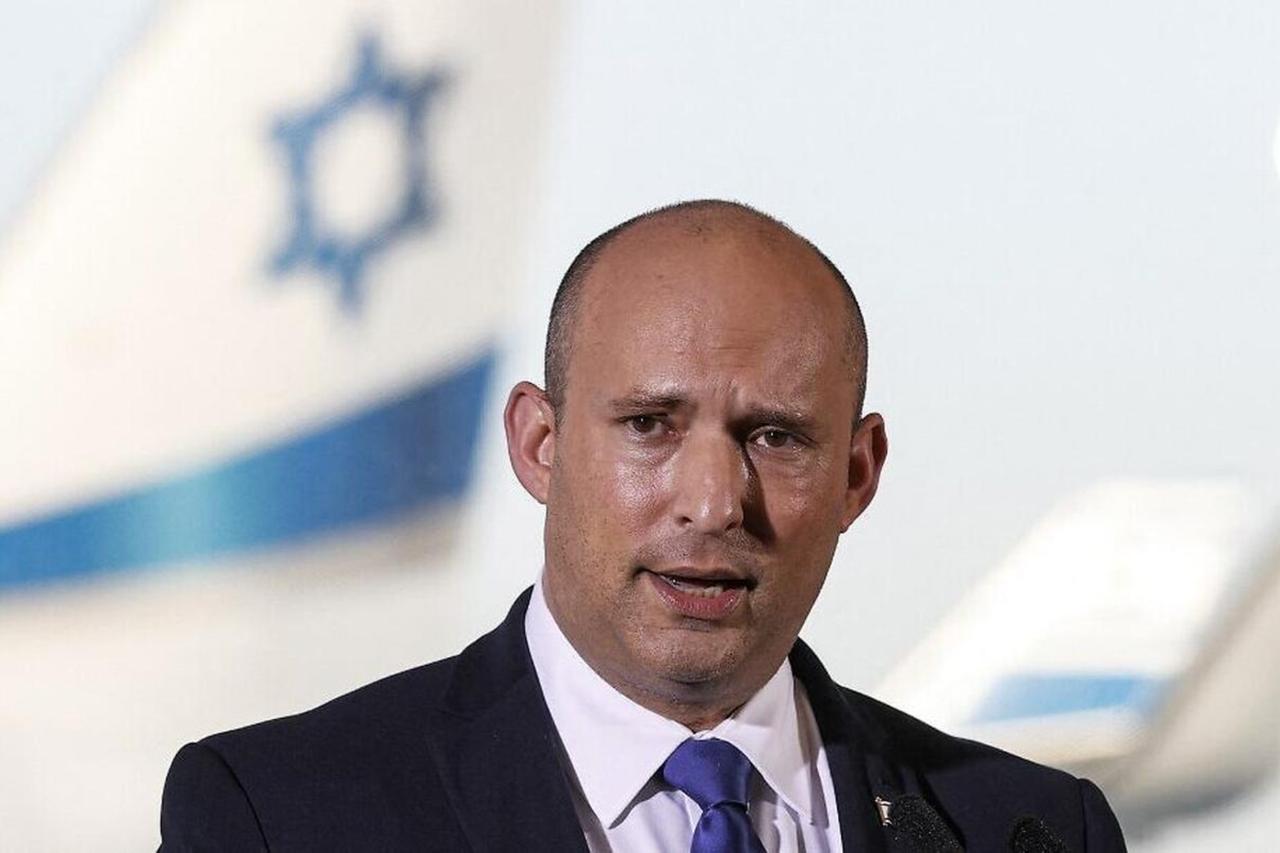
Others close to Netanyahu have directed harsh criticism at the U.S. president and his administration, with some statements bordering on antisemitism.
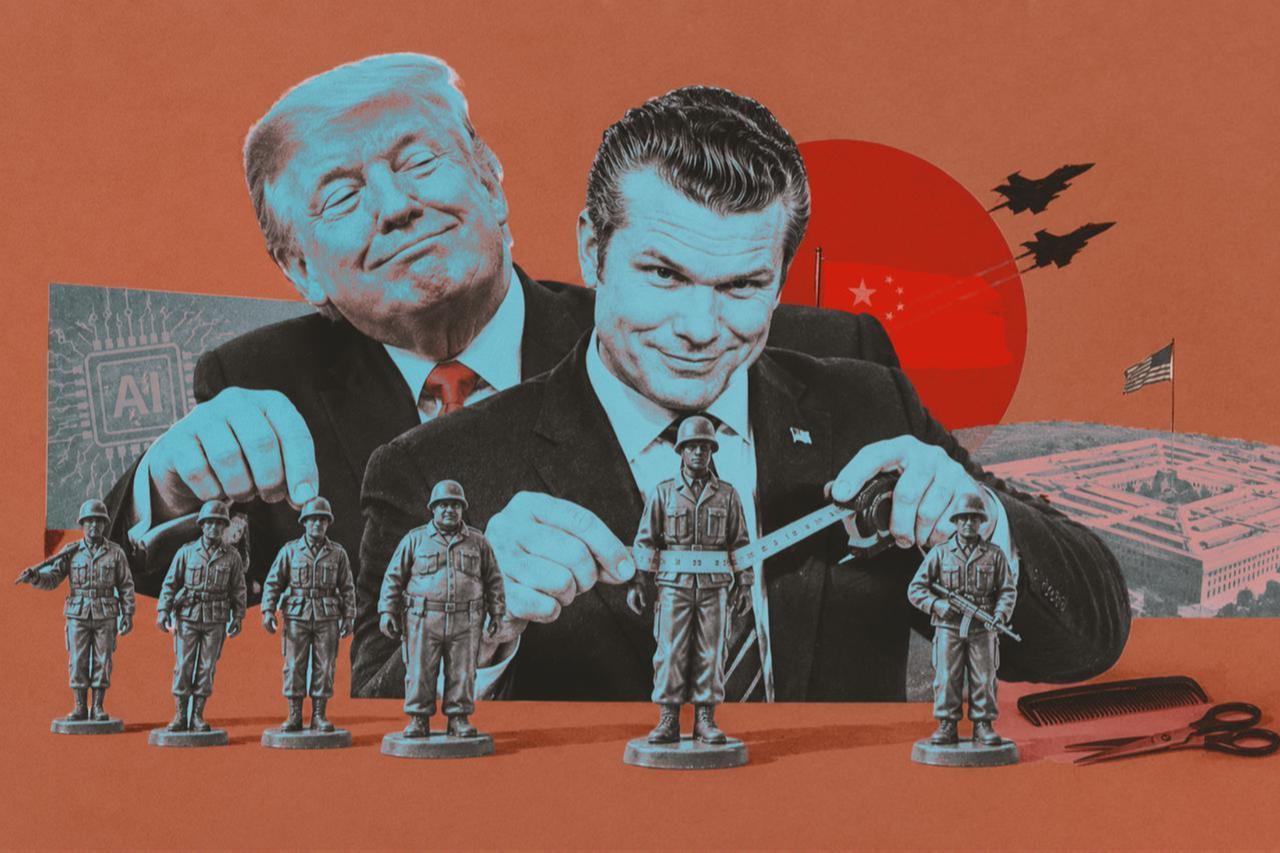
In addition, there are the “hawks” within the U.S. administration, as described by New York Times columnist Nicholas Kristof—figures who supported the war from the beginning regardless of consequences.
Trump, influenced by these hawks and their flawed reading of reality, spoke of forcing an “unconditional surrender” from Iran. He soon found himself facing Iranian conditions that left little room for maneuver if he wanted to escape the quagmire.
According to Kristof, these hawks have not given up and are now firmly opposed to the emerging agreement, which reportedly includes substantial financial benefits to Iran through economic partnerships, the release of billions in frozen funds, and granting Tehran the right to impose fees on the vital Strait.
For many American right-wingers with a traditionally hostile stance toward Iran, what Trump appears to be offering, according to leaked points, is far worse than Obama’s nuclear deal, which he had fiercely criticized and quickly abandoned.
The new agreement goes beyond financial incentives; it appears to legitimize Iranian control over the Strait of Hormuz and greater regional influence, effectively advancing Tehran’s “Unity of the Battlefields” strategy that links the Lebanese file with its other negotiating demands.
Although Trump understands these realities, continuing the war was never his preferred option due to its extremely high costs, higher than he had anticipated. These include severe economic losses for the United States, a decline in America’s international standing, and a drop in his own popularity at a time when Republicans are preparing for midterm elections.
While the Iranian negotiators face intense pressure from both domestic and external hardliners, the American side is equally constrained: squeezed between Trump’s right-wing base demanding escalation on one hand, and the President’s desire to save face and emerge as a winner on the other.
These complexities help explain Trump’s undiplomatic statements toward Iran, which have complicated the atmosphere, as well as the general ambiguity surrounding the ongoing talks.
It remains unclear whether they will ultimately build trust and lead to a final agreement, or whether they will collapse once the most sensitive issues—currently postponed—are put on the table.


 Set as preferred source
 Set as preferred source


 1 min read
 1 min read