Newsletters


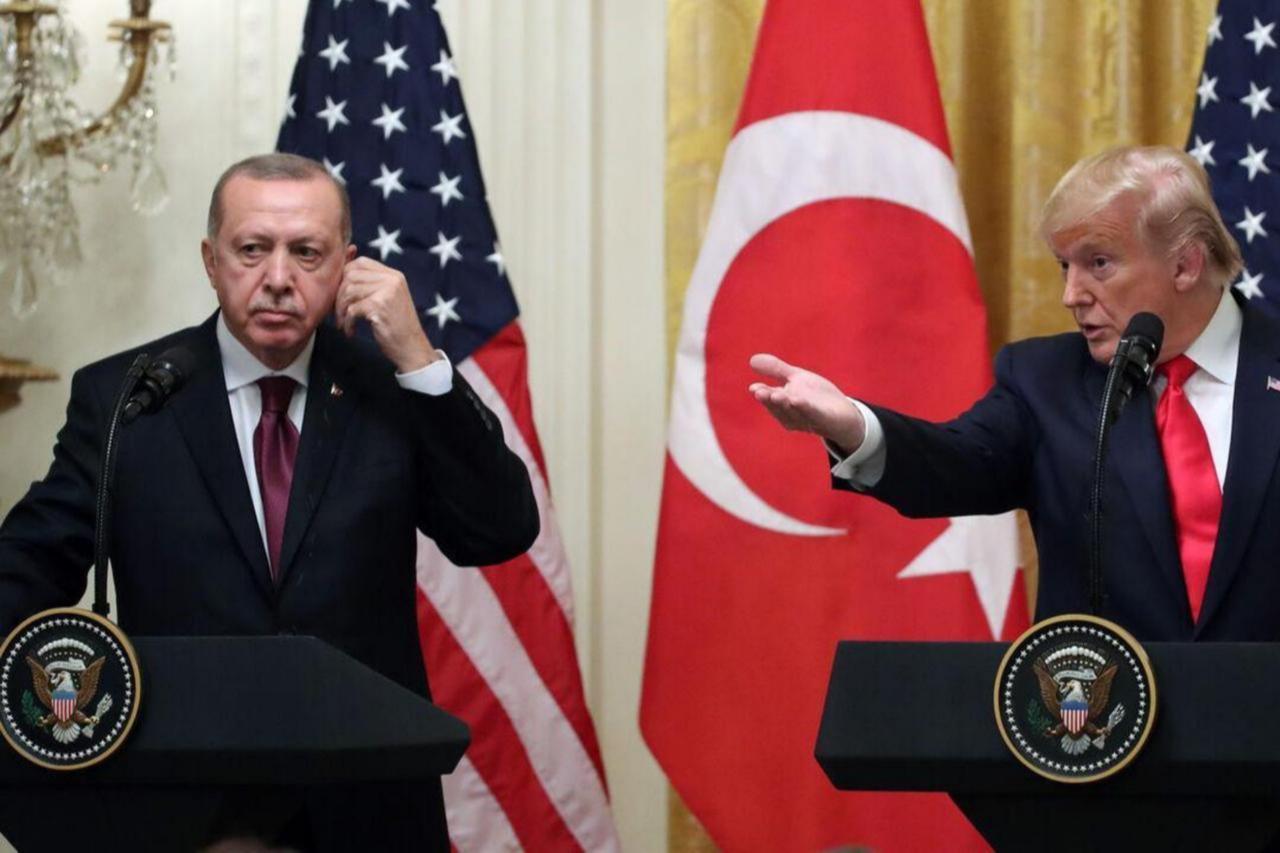


A senior congressional staffer recently dismissed the impact of online campaigns attempting to liken Türkiye to Iran, apparently to tarnish Türkiye's image in the West, telling Rich Outzen that such efforts barely register on the radar of most lawmakers.
"Nobody pays much attention to that in Congress," the staffer noted.
I was at the public event the Directorate of Communications organized in Washington, D.C., on Thursday, billed as a discussion on the Turkish-American alliance ahead of the NATO Summit in Ankara. What the panel actually became was something rarer: a room full of people who have spent careers in this relationship, speaking with the particular frankness that comes from not currently being on government payroll.
Roger Kangas opened by celebrating, with visible pleasure, that he could finally say "these are my views" without the mandatory disclaimer. Twenty-seven years of government service will apparently do that to a person.
The question worth asking before the NATO summit convenes in Ankara is not whether the U.S.-Türkiye relationship is in good shape. By most measurable indicators, it is better than at any point in the past decade, at least. The more durable question is why, and whether the structural forces producing that improvement are likely to persist. The answer, on examination, turns out to be more complicated than either the alarmist commentary or the diplomatic optimism suggests.
From that room, five forces were mentioned that claimed to be doing the real work. Some are stabilizing, some are not.

The single most underappreciated driver of the current U.S.-Türkiye alignment is not policy but rather the circumstances. The fall of the Assad government in late 2024 dissolved the central source of bilateral friction almost overnight.
For years, the YPG/SDF terrorist group has trapped both capitals in a structural contradiction: Washington viewing the militant forces through the operational lens of anti-Daesh efficiency, Ankara viewing them through the existential lens of PKK-linked territorial threat. No amount of dialogue resolved it, because the underlying interests genuinely diverged.
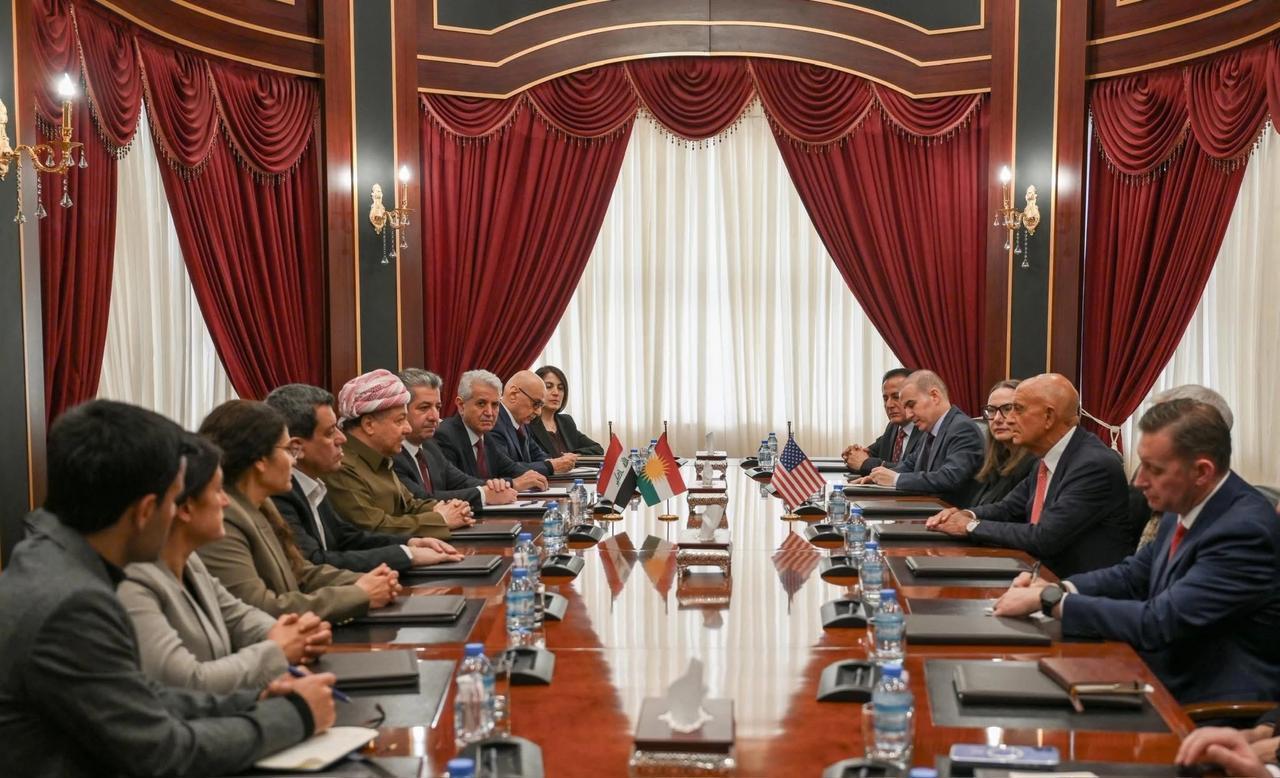
What resolved it was the collapse of the Syrian state that made the YPG's political arrangement possible. The March 2025 agreement between the YPG and Damascus—imperfect, repeatedly violated, but directionally real—effectively retired the issue as a primary friction point.
Combined with the internal Turkish reconciliation process triggered by Devlet Bahceli's call for PKK disarmament, the issue moved in 18 months from the center of the bilateral relationship to its margins. Neither capital engineered this. Both benefited from it.
The Caucasus normalization process offers a parallel. What was a zero-sum competitive space has opened, tentatively, toward trade normalization between Armenia and Türkiye—a development that benefits both Washington and Ankara and that neither orchestrated alone.
The risk works both ways. Temporary alliances can fall apart just as fast as they come together. The Iran question is the clearest current example: a conflict where the ripple effects on the region are genuinely unpredictable, where Türkiye's pragmatic need for functional relations with its neighbor is at complete odds with the direction of U.S. policy. Because the outcome could be anything from a U.S. withdrawal to an Iranian regime collapse, it is nearly impossible for Ankara and Washington to agree on a long-term plan in advance.
The conventional framing of U.S.-Türkiye defense cooperation centers on what broke: the S-400 purchase, the subsequent CAATSA sanctions, the exclusion from the F-35 program. That framing is accurate as far as it goes, but it describes a paradigm that no longer fully governs the relationship.
Türkiye has moved from approximately 80% dependence on foreign defense procurement to roughly 20% over roughly two decades. That shift was not in a fillip, it was a deliberate response to the experience of the U.S. arms embargo imposed in 1975 following the Cyprus intervention and subsequent episodes that demonstrated the political vulnerability of total import dependency.
The result is a defense industrial base that is now capable enough that the direction of technology and commercial flow has partially reversed. U.S. prime contractors are using Turkish sub-suppliers for components going into American-built systems. Mid-size American companies are seeking Turkish partners for third-country markets.
Turkish companies, with Repkon being the instructive case, are incorporating in the United States, acquiring American production facilities, and thereby reconstituting themselves as domestic American industry from the perspective of congressional procurement politics.
This matters for CAATSA not because the legislation is likely to be repealed—it gives Congress a veto over arms sales that has constituency value entirely independent of Türkiye—but because the corporate structures through which the bilateral relationship increasingly operates are becoming less legible to the sanctions framework.
The question of whether a given program is subject to CAATSA becomes considerably more complicated when the relevant entity is a Turkish-founded company incorporated in Tampa with production facilities in Texas and Kentucky. That is not a workaround being proposed; it is a commercial dynamic already underway, mostly because the circumstances that arise are conducive to cooperation and in many cases actively demand it.
That is precisely why online smear campaigns, attempts at diplomatic cornering or the time and money spent on lobbying amount to rowing against the current. At the very least, that is the conclusion reached by experts who have devoted decades to this field.
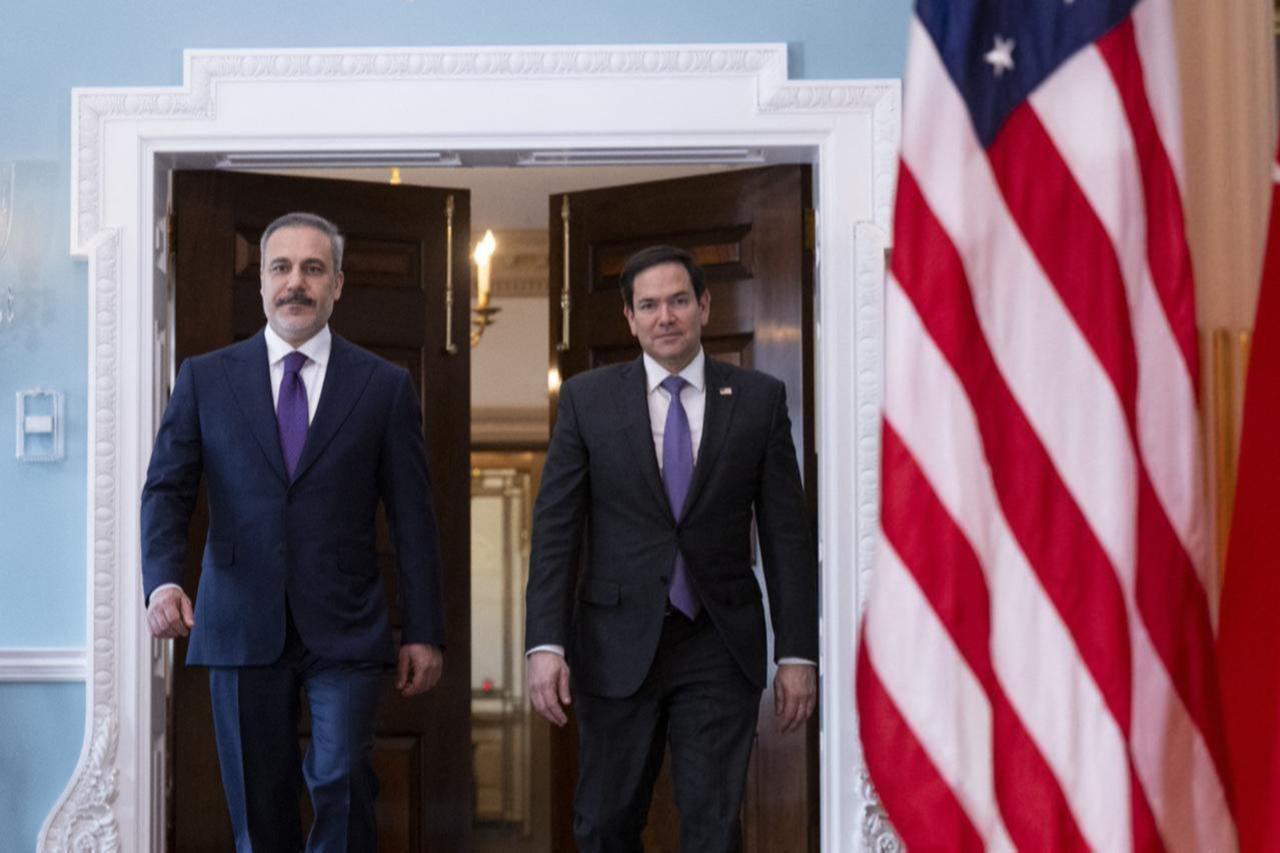
The tendency to frame NATO's current uncertainty as a Trump phenomenon is analytically comfortable but probably wrong in the way that matters most. The actual uncertainty runs deeper: it concerns the range of outcomes that successive American presidents may produce, not just the current one.
Trump has, by most operational measures, maintained the core American posture in Europe. Troop withdrawals have been proposed; the alliance machinery continues to function; security cooperation across NATO continues at the working and military levels. What has shifted is the ambient signal—the left and right limits within which American policy operates have widened in ways that change European and Turkish calculations about long-term reliability, even when specific decisions remain within historical norms.
But the more consequential question may concern whoever comes after. The Democratic Party contains substantial anti-militarist currents. The Republican Party, absent Trump's particular brand of engagement-through-confrontation, contains genuine isolationist strands.
The assumption that the narrow bandwidth of American foreign policy commitment that prevailed from former U.S. Presidents Harry S. Truman through Barack Obama will reassert itself under the next administration is precisely that—an assumption, not a structural guarantee. What has been bipartisan consensus can become contested terrain faster than alliance planning cycles can adjust.
Congressional support for NATO, polling among the American public, and the sheer institutional weight of 75 years of collective security architecture all point toward continuity. But that continuity is not self-sustaining. It requires presidents who, whatever their particular accent, do not systematically undermine the trust that is the actual operating medium of an alliance.
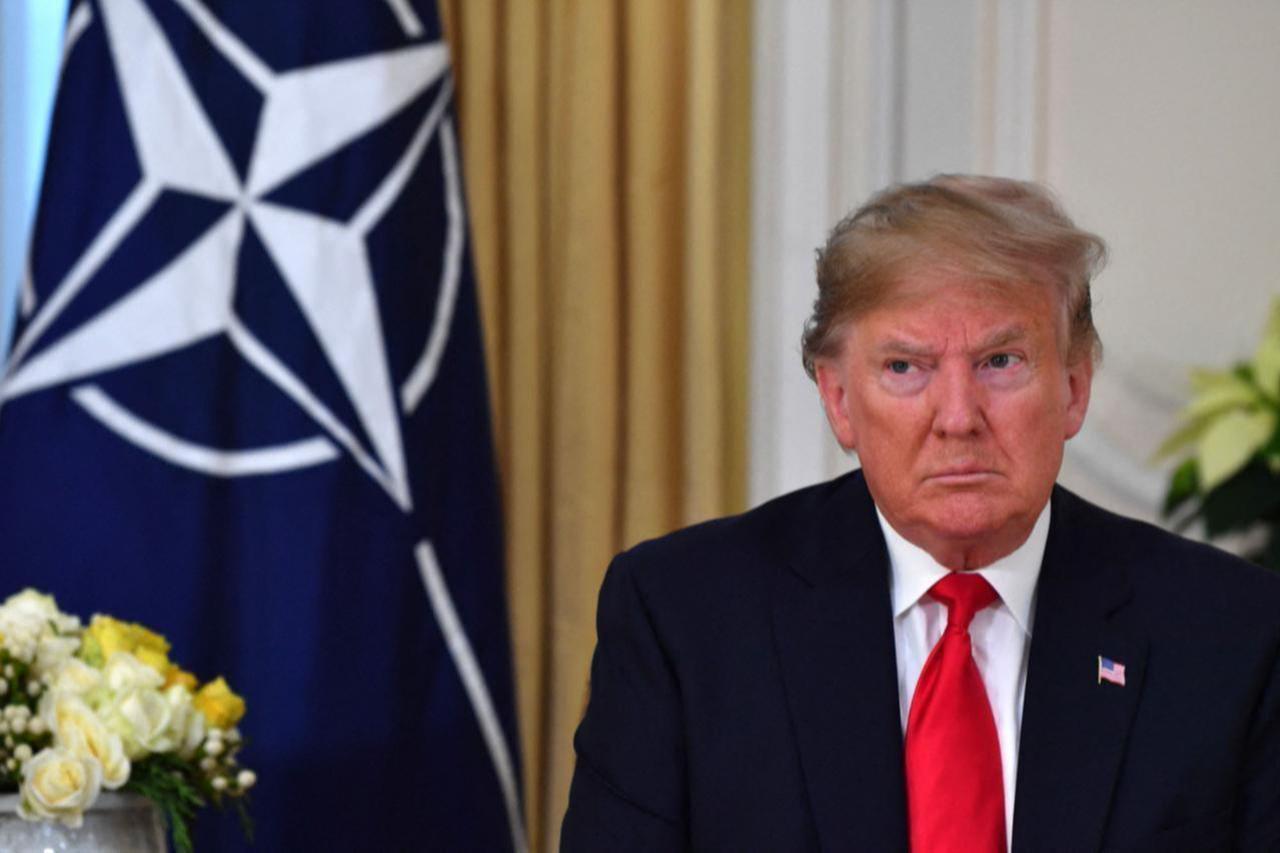
One of the more useful analytical distinctions that emerges from examining this relationship closely is between the operational level and the strategic level. At the operational level—military-to-military coordination, working-level interoperability, the conduct of shared missions—the U.S.-Türkiye relationship is genuinely strong.
The partnership is grounded in decades of joint operations from Korea through ISAF, and reinforced by the fact that both countries maintain large, experienced combat forces and substantial defense industrial bases. No other NATO member combines those attributes in comparable measure.
At the strategic level, the alignment of long-term interests, the management of divergent relationships with Russia and Iran, and the question of Türkiye's role in regional orders that NATO's formal mandate does not clearly address—the relationship requires continuous active management.
Türkiye's pragmatic engagement with both Moscow and Tehran is not a deviation from its NATO commitments; it is a rational response to the geographic reality of being bordered by both. But it creates friction surfaces that, unmanaged, become narratives—of Türkiye "drifting," of unreliability, of strategic ambiguity—that complicate the bilateral relationship even when the underlying interests remain substantially aligned.
The information environment compounds this. Coordinated social media campaigns painting Türkiye as the next target after Iran, attributing to it various forms of anti-Western behavior, circulate through U.S. platforms with enough volume to shape ambient opinion even when serious decision-makers are not acting on them. The gap between what is happening in the relationship and what is being said about it in public discourse is wide—and in a democratic political system, that gap has a half-life.
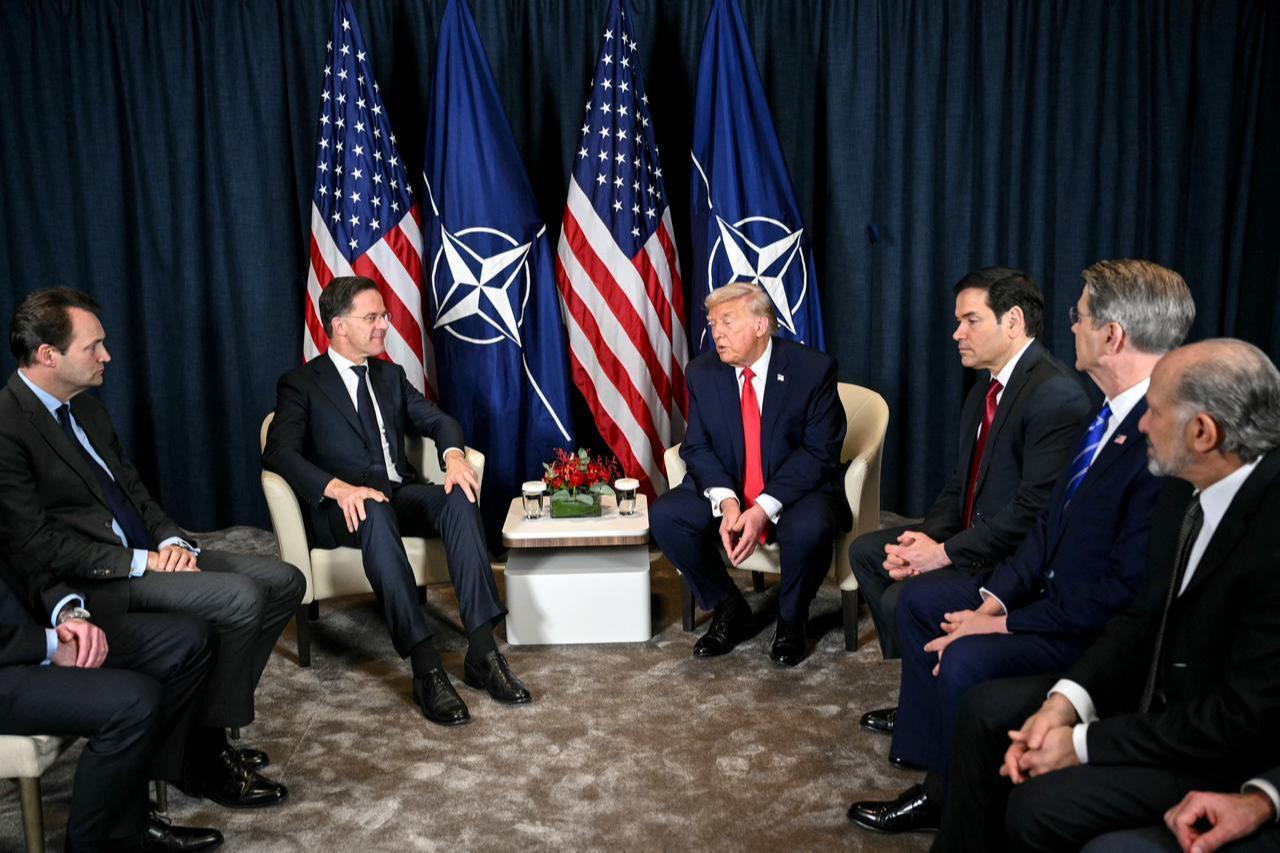
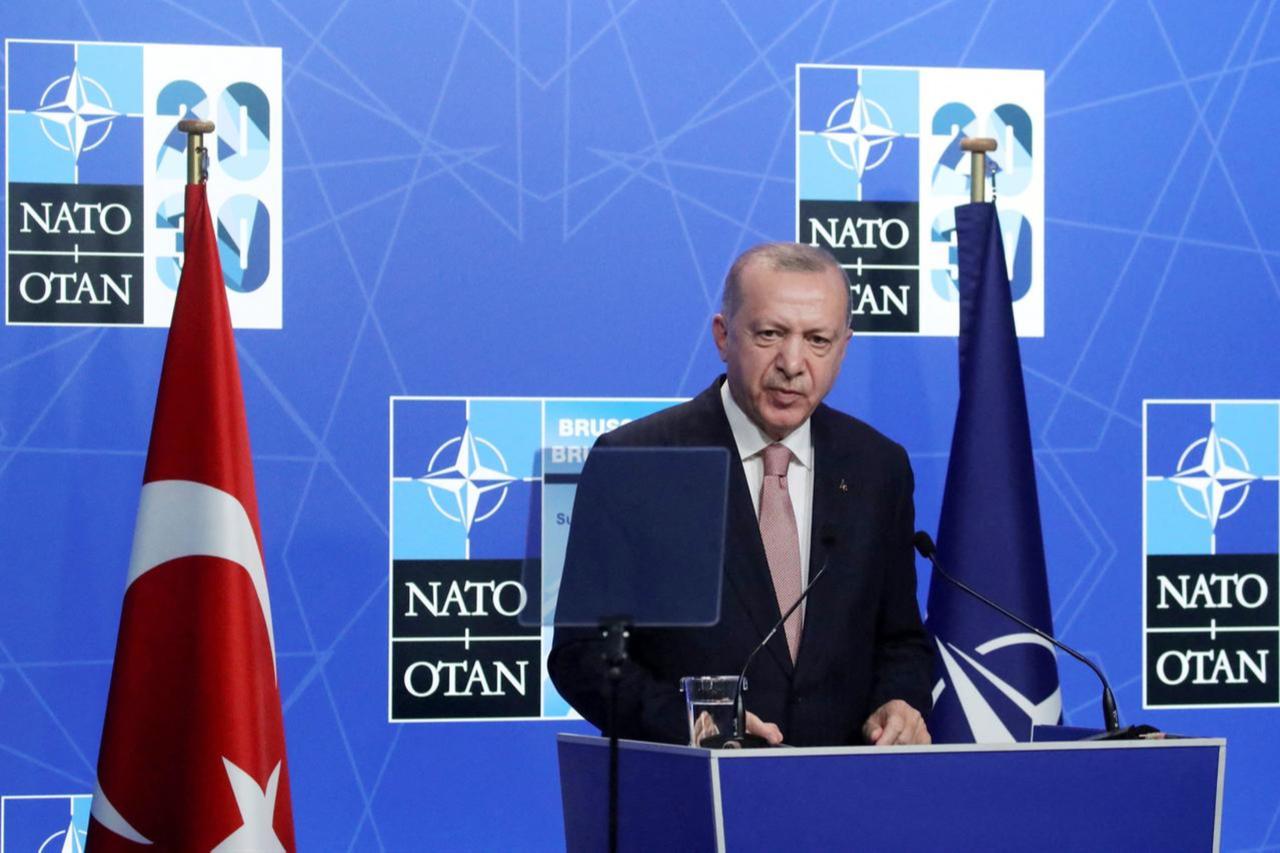
Holding the meeting in Ankara this July offers a distinct opportunity to consolidate gains largely produced by external circumstances, signal coherence to an alliance currently absorbing considerable ambient uncertainty, and advance specific bilateral negotiations already in motion at the working level.
It is not an opportunity to resolve the deeper structural questions: the instability of American presidential variability, the fragility of conjunctural geopolitical alignment, and the unresolved divergences within the alliance. Those questions will outlast the summit, and will require continuous management by countries that have, over 75 years, demonstrated a consistent ability to solve problems they have a mutual interest in solving—and an equally consistent ability to generate new ones.
The relationship is in a better place than the discourse suggests, but it is not in a position where structural risks can be ignored.


 Set as preferred source
 Set as preferred source


 1 min read
 1 min read