Newsletters




The snow outside the Davos congress hall mutes the sound, but inside the building, the noise is sharp, curated, almost theatrical.
Leaders pass in front of glass walls and cameras, trading familiar phrases about responsibility and dialogue as if this were just another year on the mountain.
Nearly 65 heads of state and government are in town, each selling their own version of order to investors and journalists.
On the surface, it feels like the same old ritual, yet this time something different is being born in that scripted light.
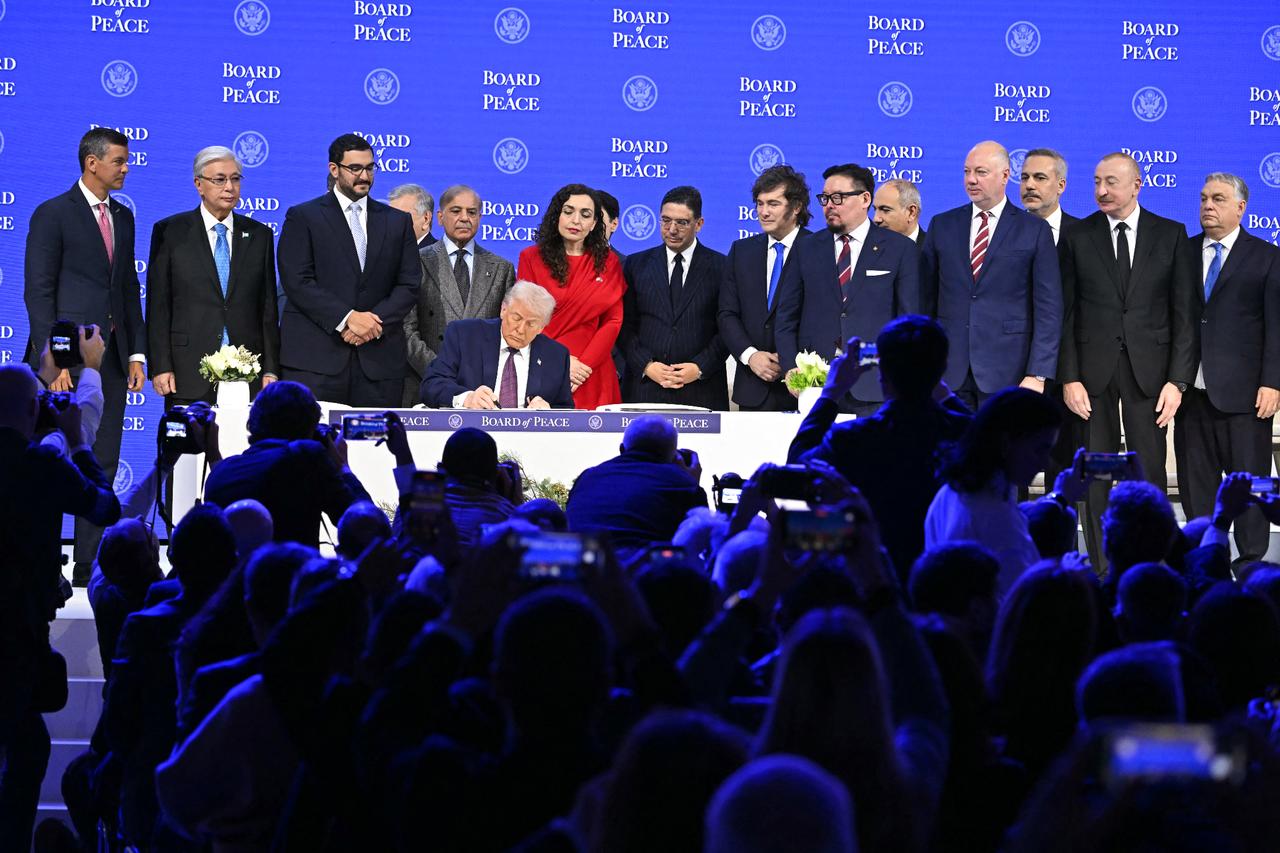
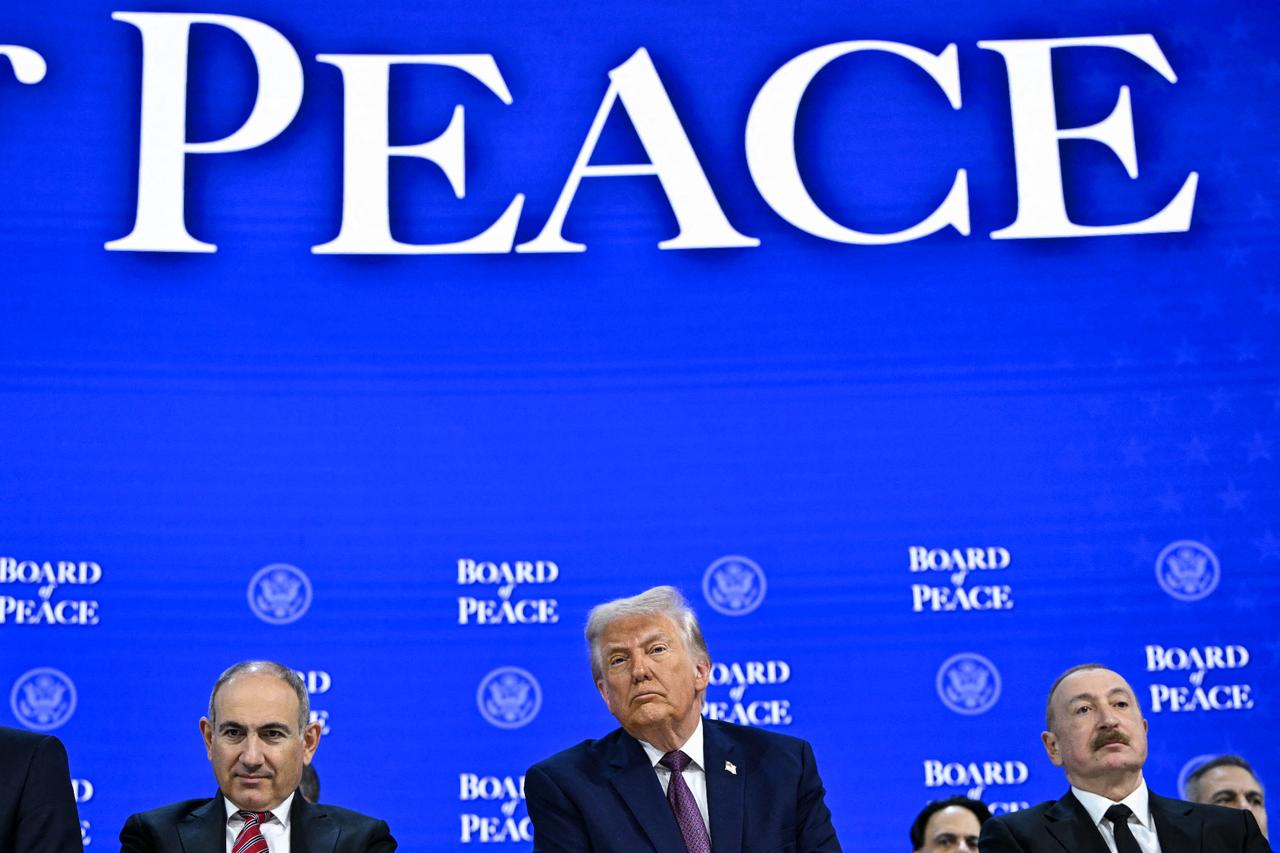
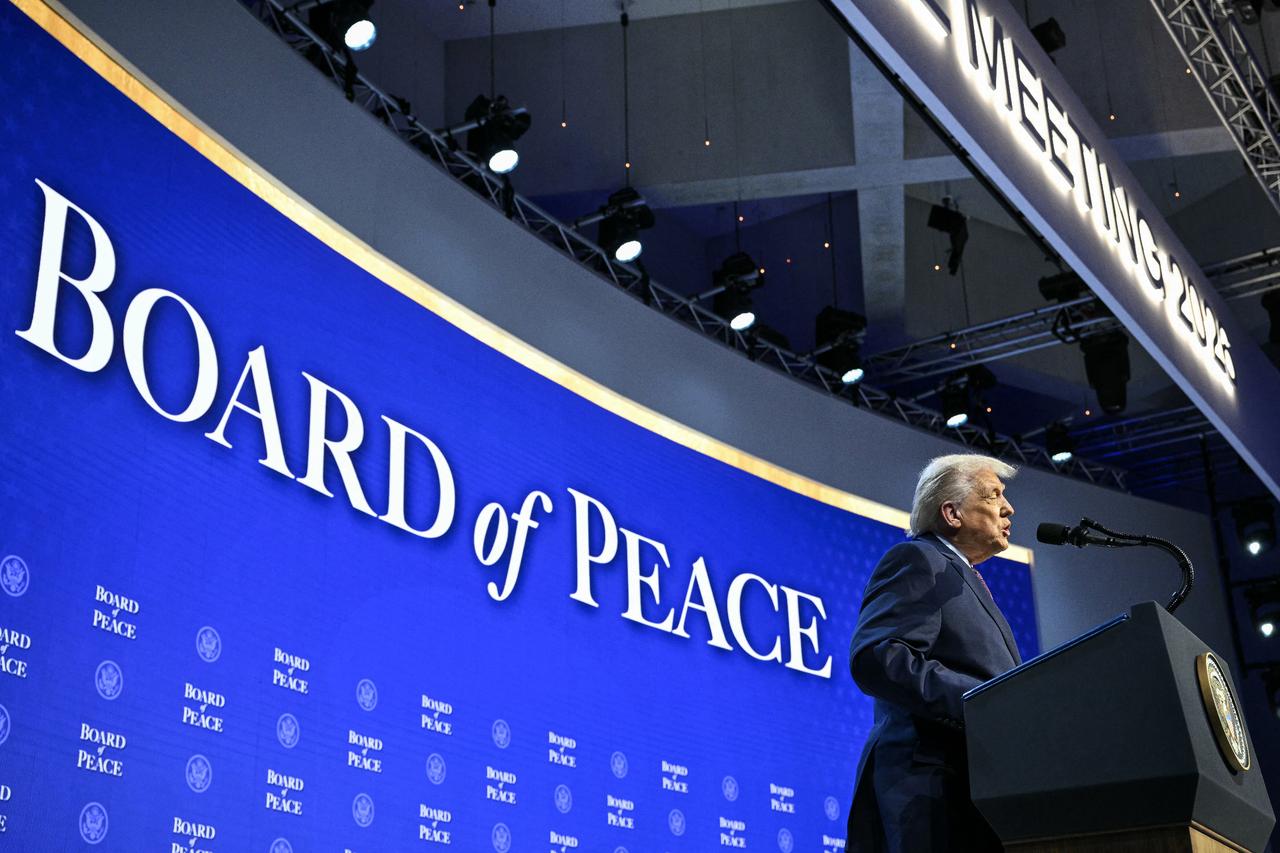
On Jan. 22, Donald Trump signed the founding charter of his “Board of Peace” at a public ceremony in Davos, surrounded by leaders and senior officials from a select list of capitals.
From the U.S. perspective, this is the vehicle that will turn a hard Gaza ceasefire deal into institutions, money and control on the ground. And from day one, the ambition is clearly bigger than Gaza; the Board is framed as starting there and then moving on to other global disputes once it proves itself.

On paper, the Board looks like just another multilateral body, just another acronym added to a long list. There is a charter, a set of founding members, a chair, and the usual line about acting “in accordance with international law.”
Yet the more you look at its rules, the more a different language comes into focus, one that speaks in lifetime seats and entry tickets rather than equal states around a table.
Trump is written in as chair for life, while ordinary members rotate every three years unless they pay their way up. A draft report notes that countries willing to put up $1 billion can secure permanent membership, effectively buying themselves a guaranteed voice.
This is not the discreet influence of big donors in the background; it is a peace architecture openly organized like a club, with the fee schedule almost part of the sales pitch.
All of this makes a lot of capitals uneasy about the United Nations' future role. European officials already warn that the Board could end up competing with the U.N.’s conflict-management system instead of reinforcing it.
Washington insists the new structure merely “implements” a Gaza plan blessed by the Security Council and helps break through U.N. paralysis, but the message between the lines is different. This is Trump’s counterproposal to a rules-based order he sees as slow, sermonizing, and clogged with vetoes and committees that do not listen.
When Canadian Prime Minister Mark Carney used his speech to criticize coercive behavior by major powers and defend the post-1945 architecture, Trump responded by pulling Canada’s invitation to join the Board. In protocol terms, it was a minor adjustment to a guest list, but politically it landed like a warning. In this peace club, membership is not only about what you can contribute; it is also about how loud you plan to be once you are inside.
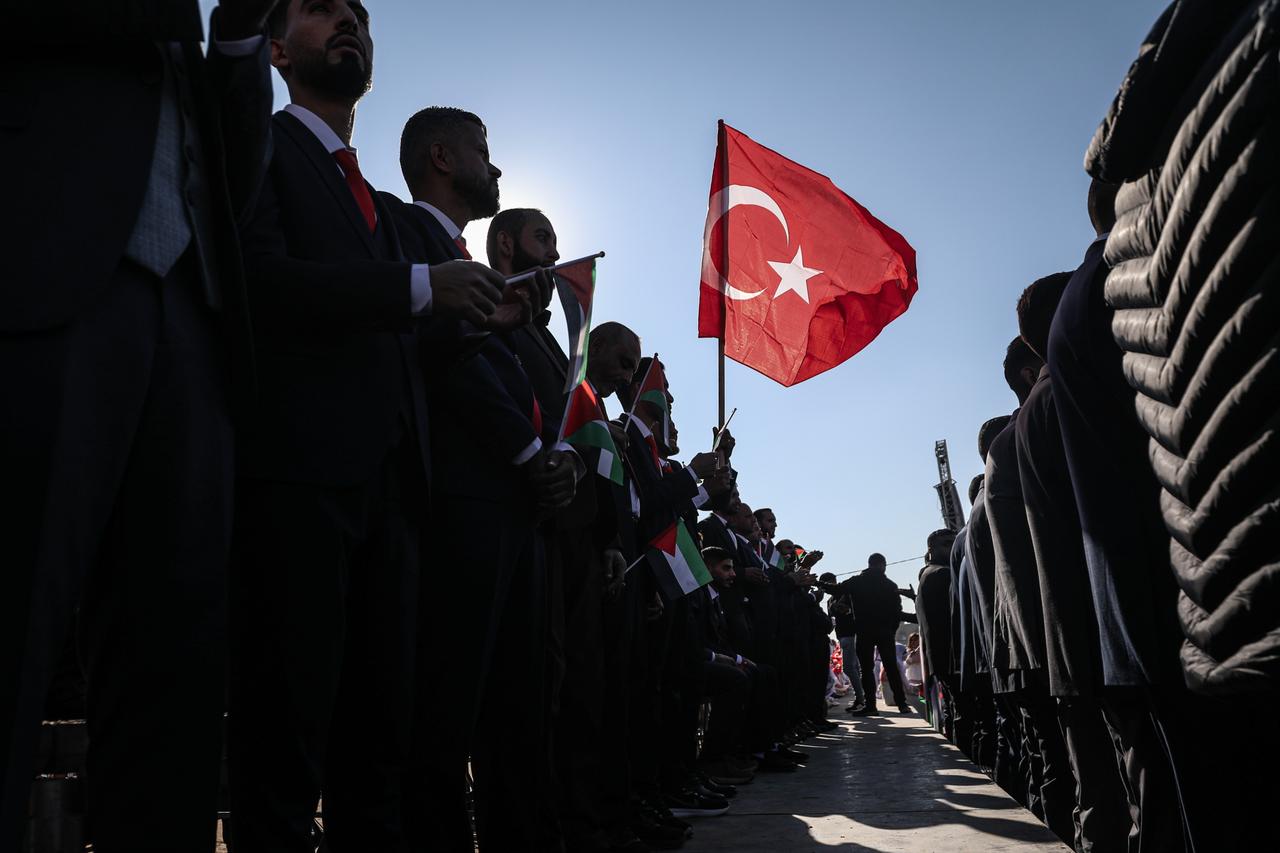
For Türkiye, the starting point was never the illusion that this Board is flawless. It clearly is not, and Ankara knows it perfectly well. The real question was whether a country that had poured so much political capital into Gaza could afford to watch from the corridor while others drew the map of Palestinian governance above its head.
Trump’s invitation offered President Recep Tayyip Erdogan a founding seat and a chance to help shape how the Gaza file, and possibly later other dossiers, would be handled.
Erdogan agreed to join but chose not to break his personal boycott of Davos that dates back to the fiery panel clash of 2009, a decision consistent with his own political story. Instead, he sent Foreign Minister Hakan Fidan as his envoy.
That choice matters more than the photo. It signals that Türkiye will engage with this new, transactional peace architecture, but on its own terms, without being folded back into the Davos ritual it has rejected for years. And it puts at the table a figure who knows the region’s dark corners well enough to read the risks, not just the photo opportunities.
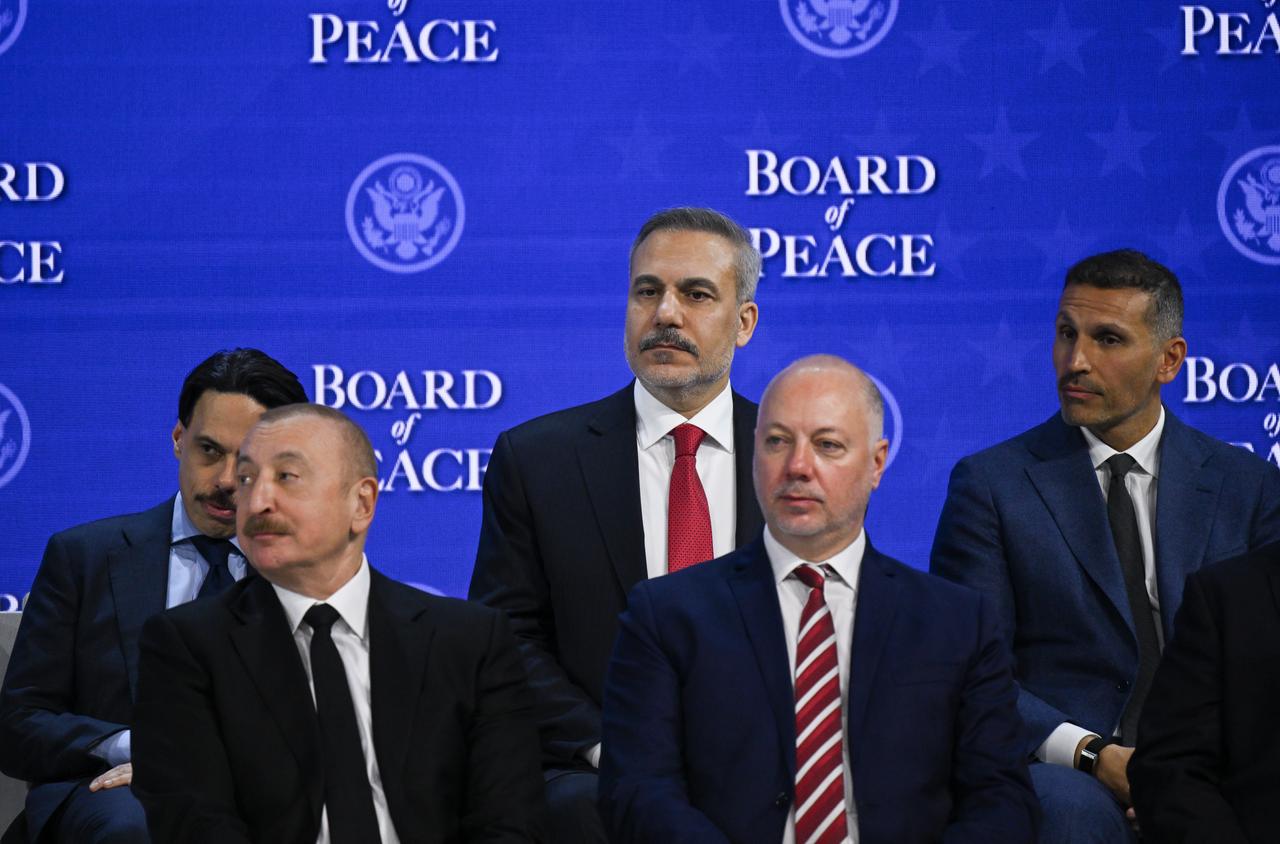
On 22 January, Fidan attended the signing ceremony of the Board of Peace charter in Davos on behalf of Erdogan, formally placing Türkiye among the founders.
It signals that Ankara has no intention of allowing Gaza’s future to be settled entirely between Washington, Tel Aviv and a handful of Gulf capitals. A state that has channels to Hamas, to the Palestinian Authority, to Israel, to Qatar, and to Western governments is choosing to carry those networks into the Board’s inner circle.
At the same time, Turkish officials are not hiding their concerns about the wider regional picture. In a recent interview, Fidan warned that Israel is still “looking for an opportunity” to attack Iran and that such a move would further destabilize an already fragile region.
They are also a reminder to Washington and other board members that Gaza cannot be treated as a laboratory, sealed off from the rest of the Middle East’s security ecosystem.
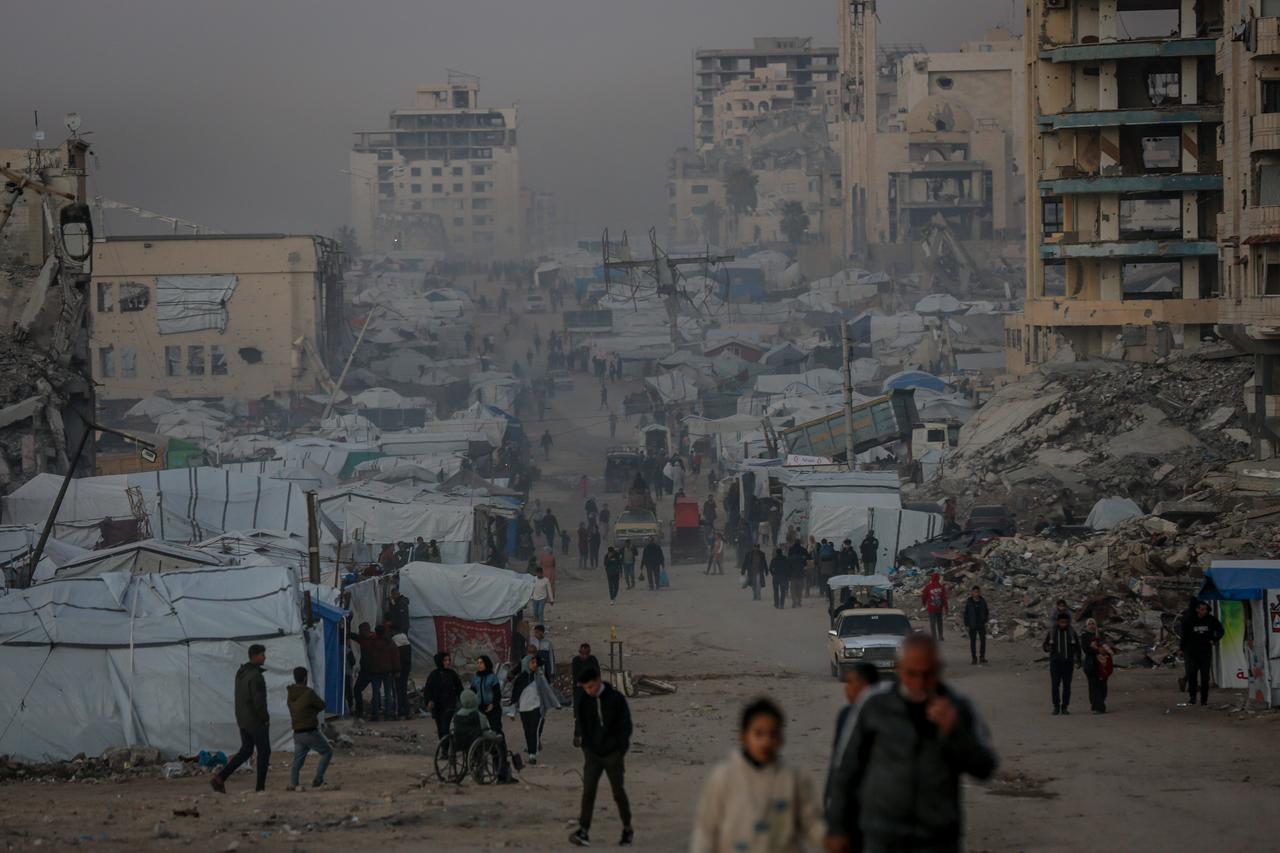
The design of Trump’s board presses on some very old questions. Who decides, who pays, who owns peace when the architecture is built around one man’s chairmanship and a billion-dollar ladder to permanence?
In that emerging model, the Board starts with a Gaza mandate but is already imagined as a frame for other disputes that Trump claims to have “resolved” or wants to touch next.
The risk is that instead of strengthening multilateralism, the Board normalizes a kind of bespoke, leader-centric multilateralism, where deals are engineered in small circles, funded by those who can afford permanent seats and then presented to local societies as done. It is peace as a premium service, not a public good.
Yet even inside this transactional architecture, there is room for friction and for agency. Türkiye’s top diplomat has already made clear that Ankara is preparing a specific governance structure for Gaza in the Board context, with separate committees for representation and day-to-day administration, and that it is even ready to send troops if conditions allow and if that helps secure civilians on the ground.
This is not the language of a country willing to be a token participant. It is the posture of a state that knows the Board will only be legitimate if it looks less like a property portfolio and more like a political process that Palestinians can own.
That is also where Türkiye’s balancing act becomes visible. Ankara can talk to Hamas without burning bridges in Western capitals, criticize Israel in harsh moral terms while still keeping intelligence and security channels open, and engage with Gulf monarchies that are seen as Trump’s natural partners on this initiative.
In a Board where some members will be tempted to treat Gaza as a security zone plus investment zone, a middle power that insists on political inclusion is inconvenient but necessary.
If the Board of Peace works in Gaza “works” in the modest sense of reducing violence, stabilizing basic services and creating some accountable governance, it could become a template that others try to copy.
In that scenario, Türkiye’s early decision to be in the room, with Fidan as a permanent face at the table, would give it leverage over how this new peace architecture spreads.
It could use its position to push for broader coalitions, to resist zero-sum blocs, and to keep doors open between camps that no longer trust each other.
If the board fails, either through internal rivalry, overreach against the UN, or a Gaza arrangement perceived as humiliating, the damage will not be confined to Trump’s prestige. It will deepen the crisis of faith in any structured diplomacy and feed the narrative that all these summits are just theater for a small club.
For Türkiye, the smart move in that darker scenario is to have been engaged but not captured, to show that it argued for a fairer design and maintained channels to those left outside.
Davos is often dismissed as a global performance, and much of it is. But every now and then, a new institution walks out of its glass corridors and into real streets, into real conflicts.
The Board of Peace is still only a charter and a promise, an experiment in transactional peace-making that could either narrow or widen the gap between power and legitimacy.
In choosing to sit at this new table without surrendering its independent voice, Türkiye is betting that it can tilt the experiment toward something less dangerous, and maybe, for Gaza at least, something slightly more just


 Set as preferred source
 Set as preferred source


 1 min read
 1 min read