Newsletters




In the early hours of the morning, the now-familiar sound of phone alerts pierces the silence.
Windows shake from distant interceptions. Residents look up to see streaks of light cutting across the night sky as missile defense systems activate once again.
In a region accustomed to turbulence, the war unfolding in the Gulf has brought the reality of regional conflict closer to everyday life than many expected.
Yet amid the uncertainty, the United Arab Emirates (UAE) and its neighbors are demonstrating something equally powerful: resilience.
The ongoing conflict between Iran and its adversaries has turned the Gulf into a frontline theater of missile and drone warfare. Ballistic missiles, cruise missiles, and unmanned aerial vehicles (UAVs) have targeted several countries across the region, including the UAE, Qatar, Saudi Arabia, Bahrain, Kuwait, and Oman.
For states whose prosperity is built on connectivity, trade, and stability, such attacks represent not only a security challenge but also a direct threat to the economic model that underpins the Gulf’s long-touted success.
Yet the response of the UAE in particular illustrates how modern states can combine technological preparedness, crisis management, and strategic communication to navigate a moment of extreme pressure.
The scale of the attacks directed toward the UAE has been unprecedented in the country’s history. According to official figures, since the beginning of the escalation, Iran has launched 189 ballistic missiles, eight cruise missiles, and over 941 drones toward the UAE.
Emirati air defenses intercepted the overwhelming majority of these threats: 175 ballistic missiles were destroyed, 13 fell into the sea, and only one reached the land. Some 876 drones were intercepted, while 65 landed within the country.
These figures reflect an interception rate of 94%, underscoring the efficacy of the UAE’s multi-layered missile defense architecture. This integrated network, spanning THAAD and Patriot PAC-3 systems for high altitude to the Pantsir-S1 and Skyknight for low-altitude threats, forms a robust backbone that ensures multiple interception opportunities across different phases of a missile’s trajectory.
The investment in defensive technology built steadily over the past decade has proven decisive. While debris from intercepted projectiles caused limited damage and casualties, the defense system prevented potentially heavy destruction in urban centers and critical infrastructure.
In modern warfare, where relatively inexpensive drones that cost as little as US$20,000 can threaten large economic assets, the ability to neutralize aerial threats quickly is essential.
The Gulf crisis has therefore become an important case study in the role of integrated air and missile defense (like Türkiye’s own “Steel Dome”) in protecting highly urbanized and interconnected countries.


Military capability alone, however, does not explain the UAE’s ability to maintain stability during this crisis. Equally important has been the country’s emergency and crisis management response.
Authorities moved quickly to activate a nationwide emergency, instructing residents to seek shelter and avoid open areas during missile threats. Civil defense units, hospitals, and police were placed on high alert, while emergency teams responded rapidly to fire or debris caused by interceptions. Airports implemented contingency plans to maintain operational continuity as much as possible.
For a country that functions as one of the world’s busiest aviation and logistics hubs, such measures were critical. Even temporary disruptions, such as grounding flights or rerouting maritime traffic, carry significant financial consequences.
The UAE, therefore, faced the delicate task of safeguarding public safety while preserving confidence in the country’s infrastructure and institutions.
At the societal level, the crisis also revealed the human dimension of modern warfare. Residents have watched smoke rise from intercepted missiles while continuing everyday routines—shopping for groceries, checking phone alerts, and reassuring children awakened by distant explosions.
Schools shifted temporarily to remote learning, workplaces adopted flexible schedules, and authorities worked to support stranded passengers affected by flight cancellations. In many ways, these experiences reflect the lived reality of conflict in the 21st century: technologically sophisticated, geographically dispersed, and economically unsettling.
Alongside military and civil responses, the UAE has pursued a calibrated diplomatic strategy. Officials strongly condemned the missile and drone attacks as violations of sovereignty and international law while simultaneously emphasizing the importance of restraint and de-escalation.
This dual message reflects a broader strategic posture that has defined Emirati foreign policy for years: strengthening defense capabilities and partnerships while maintaining open diplomatic channels.
By framing the attacks as actions that risk isolating Iran from its neighbors, the UAE has sought to reinforce regional solidarity among Gulf states while encouraging Tehran to reconsider the costs of further escalation.
The message is that defending sovereignty and pursuing diplomacy are not mutually exclusive. Such positioning also reinforces the UAE’s reputation as a responsible regional actor capable of balancing deterrence with dialogue even under pressure.
The Gulf’s prosperity rests heavily on openness: open skies, open shipping lanes, and open financial flows. The war, therefore, carries risks that extend beyond immediate security concerns.
The Strait of Hormuz, one of the world’s busiest and most critical maritime chokepoints, remains particularly sensitive. Disruption to shipping routes and energy infrastructure reverberates through global markets. For economies built around logistics, finance, tourism, and trade, uncertainty can be as damaging as direct attacks.
Air travel disruptions alone highlight this vulnerability. The temporary grounding of flights across the region, including operations by some of the world’s best-connected airlines like Emirates and Etihad Airways, demonstrates how quickly geopolitical tensions can ripple through the global transportation network.
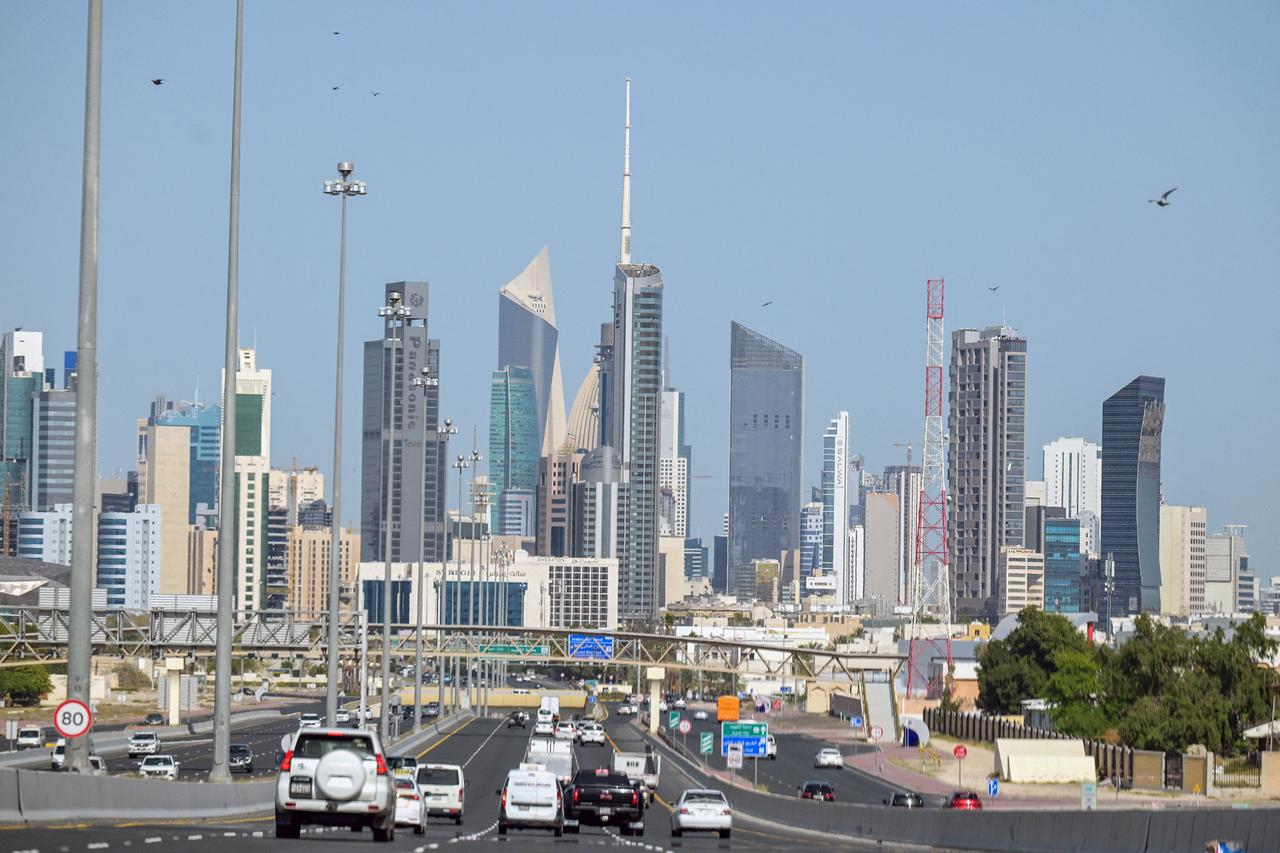
At the same time, the UAE’s strong fiscal buffers, diversified economy, and advanced infrastructure provide a significant degree of resilience. Abu Dhabi’s robust non-oil sector and sovereign wealth reserves, together with Dubai’s position as a global financial and logistics hub, help cushion the economic impact of temporary disruptions.
Both cities are frequently cited as among the world’s safest. Still, the crisis underscores an important reality that Gulf economies thrive on stability. Sustained conflict risks undermining the confidence that attracts global capital, talent, and investment.
The Gulf War unfolding today illustrates a broader transformation in regional security dynamics. Conflicts are no longer confined to traditional battlefields; they now unfold across skies, shipping lanes, financial markets, and information networks simultaneously.
Resilience in this new environment requires more than military capability. It demands integrated systems that combine advanced technology, crisis governance, diplomatic agility, and economic adaptability.
The UAE’s experience during this conflict offers an instructive example of such an approach. By combining strong defense preparedness with disciplined crisis management and strategic communication, the country has managed to maintain internal stability even as missiles and drones threaten its territory.
Perhaps the most striking aspect of the crisis has been the return to everyday life. Within days of the most intense attacks, people began returning to malls, cafes, and workplaces.
Leaders made visible public appearances, signaling confidence and reassurance. This quiet normalization is not accidental. It reflects a deliberate effort to demonstrate that, even amid regional turmoil, the UAE remains what it has long sought to be: a safe and reliable hub at the crossroads of global commerce and ideas.
The war in the Gulf is far from over, and its geopolitical consequences will likely unfold for years to come. Yet the experience of the last few days has shown that resilience grounded in preparedness, institutional capacity, and public confidence can help countries endure even the most turbulent moments. In a region historically defined by instability, that resilience may ultimately prove to be the Gulf’s most important strategic asset.


 Set as preferred source
 Set as preferred source


 7 min read