Newsletters




Standing before a massive crowd in June 1963, U.S. President John F. Kennedy delivered one of the most defiant addresses of the Cold War. His visit came at a period of intense global instability; the Berlin Crisis of 1961 had resulted in the construction of the Berlin Wall, and only a year later, the Cuban Missile Crisis had pushed the superpowers to the edge of nuclear conflict.
By framing West Berlin as the ultimate frontline in the ideological struggle between democracy and communism, Kennedy used his speech to provide a vital psychological anchor for the city. He famously declared, “Ich bin ein Berliner,” a symbolic gesture intended to reassure the population that the United States remained fully committed to their military and political survival.
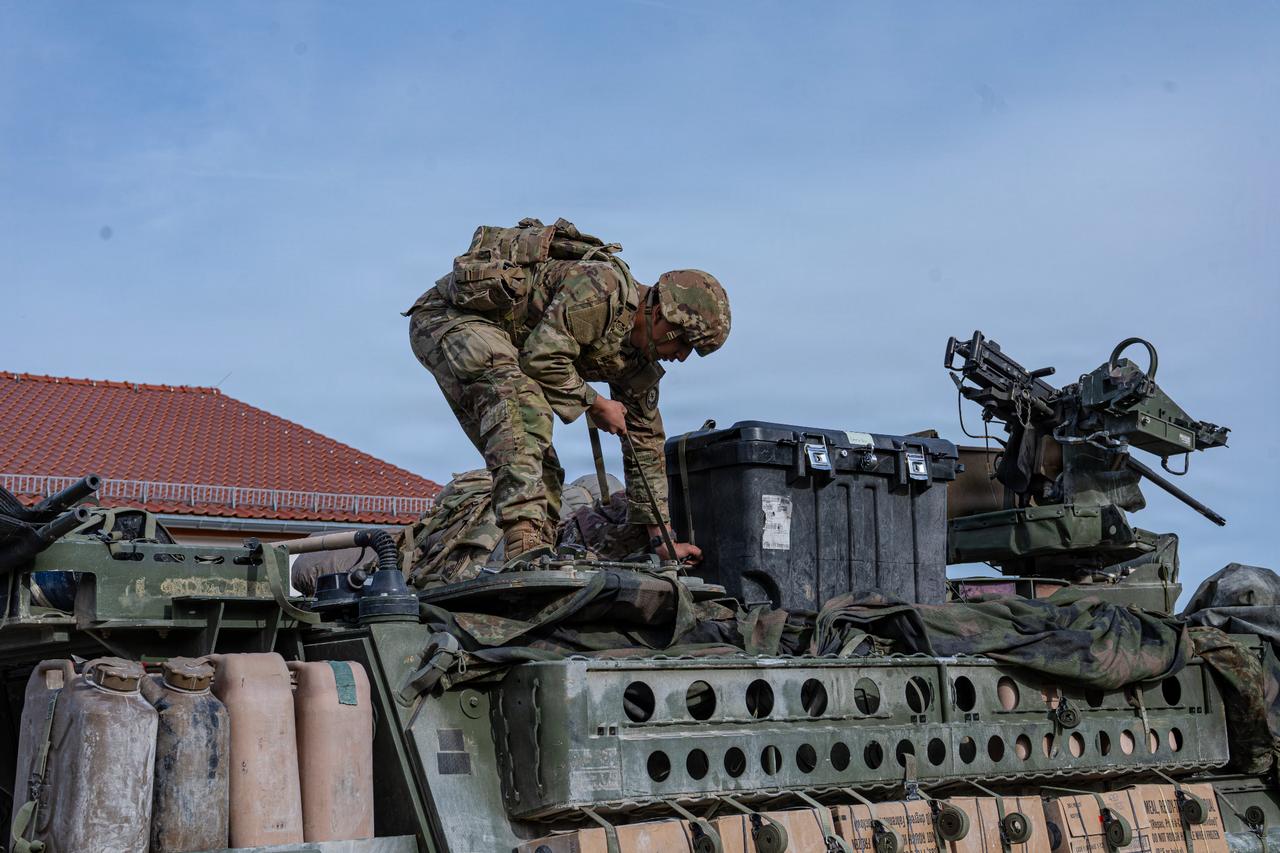
From 1953 to 1993, the United States maintained around a quarter of a million troops in West Germany. The number of U.S. military personnel declined to 105,254 in 1993, to 69,203 in 2000, and to fewer than 39,000 in 2019. Following Russia’s full-scale invasion of Ukraine, this number rose to over 50,000 in 2024, and has since fallen to more than 36,000 active-duty U.S. troops today.
Germany not only hosts the largest number of U.S. military personnel in Europe, but is also home to the headquarters of U.S. European Command (EUCOM) in Stuttgart, which is responsible for all U.S. security operations in Europe, as well as U.S. Africa Command (AFRICOM).
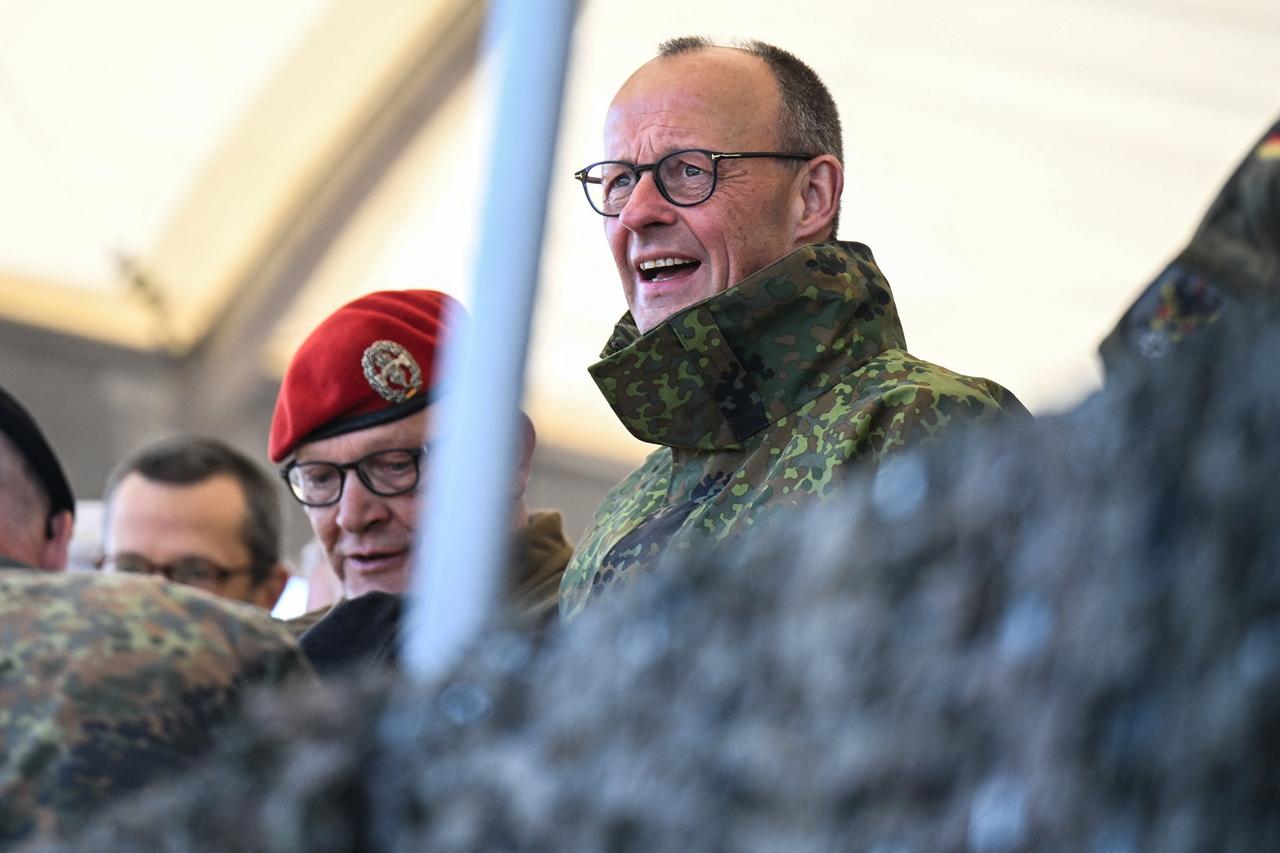
The Pentagon’s recent announcement that it would withdraw around 5,000 U.S. troops from Germany carries significance far beyond the number itself. It signals that European security is no longer a priority for the United States.
While the decision has been interpreted in the press as retaliation for German Chancellor Merz’s criticism of the U.S. regarding the war with Iran, in reality, a reduction of the U.S. military presence in Europe has long been expected. The uncertainty was about timing. The Trump administration appears to be using Chancellor Merz’s remarks as a pretext to accelerate the process.
Moreover, the potential withdrawals are not limited to Germany. President Trump has also said that he is considering pulling American troops from Italy and Spain due to their opposition to U.S.-led military operations against Iran.
Since Trump’s first presidency, Europe has been mentally preparing for the possibility that the United States would eventually relinquish its role as the guarantor of European security. That transition is now materializing, and European countries are mobilizing to fill the gaps that are emerging or likely to emerge in various areas.
During that period, Trump has emphasized that Europe must take responsibility for its own security. In his second presidency, this has become a central pillar of U.S. foreign policy. Trump, Vice President J.D. Vance, Secretary of Defense Pete Hegseth, and Secretary of State Marco Rubio have repeatedly stated—on every platform—that U.S. priorities lie in the Western Hemisphere and the Indo-Pacific, and that Europe must assume a greater share of the burden for its own defense. The National Security Strategy, published in December 2025, and the National Defense Strategy released in January 2026 confirm this policy direction.
Anti-NATO rhetoric has also been a consistent feature of Trump’s discourse since his first term. He had previously suggested that the United States could withdraw from NATO, and last month—following allies’ refusal to support the U.S. in the Iran war—he stated that he is “absolutely, without question” considering such a withdrawal.
Despite all these tensions, Trump attended the Hague NATO Summit in 2025. Although planned new strategic decisions against Russia were set aside and support for Ukraine was only indirectly referenced in the summit declaration, the meeting was effectively salvaged by allies agreeing to raise their defense spending to 5% of their GDP in order to satisfy the United States.
The Iran war further intensified tensions. Allies initially hesitated to open their bases, provided only limited cooperation thereafter, and ultimately refused to support U.S. efforts to secure the Strait of Hormuz. This led to an escalation in Trump’s anti-NATO rhetoric. He called allies “cowards” and argued that a NATO without the United States would be a “paper tiger.”
Marco Rubio also stated that the U.S. may need to reconsider whether the alliance still serves its intended purpose, or whether it has become an imbalanced arrangement in which America supports Europe, while its allies fail to provide critical support, such as basing access and overflight rights when needed.
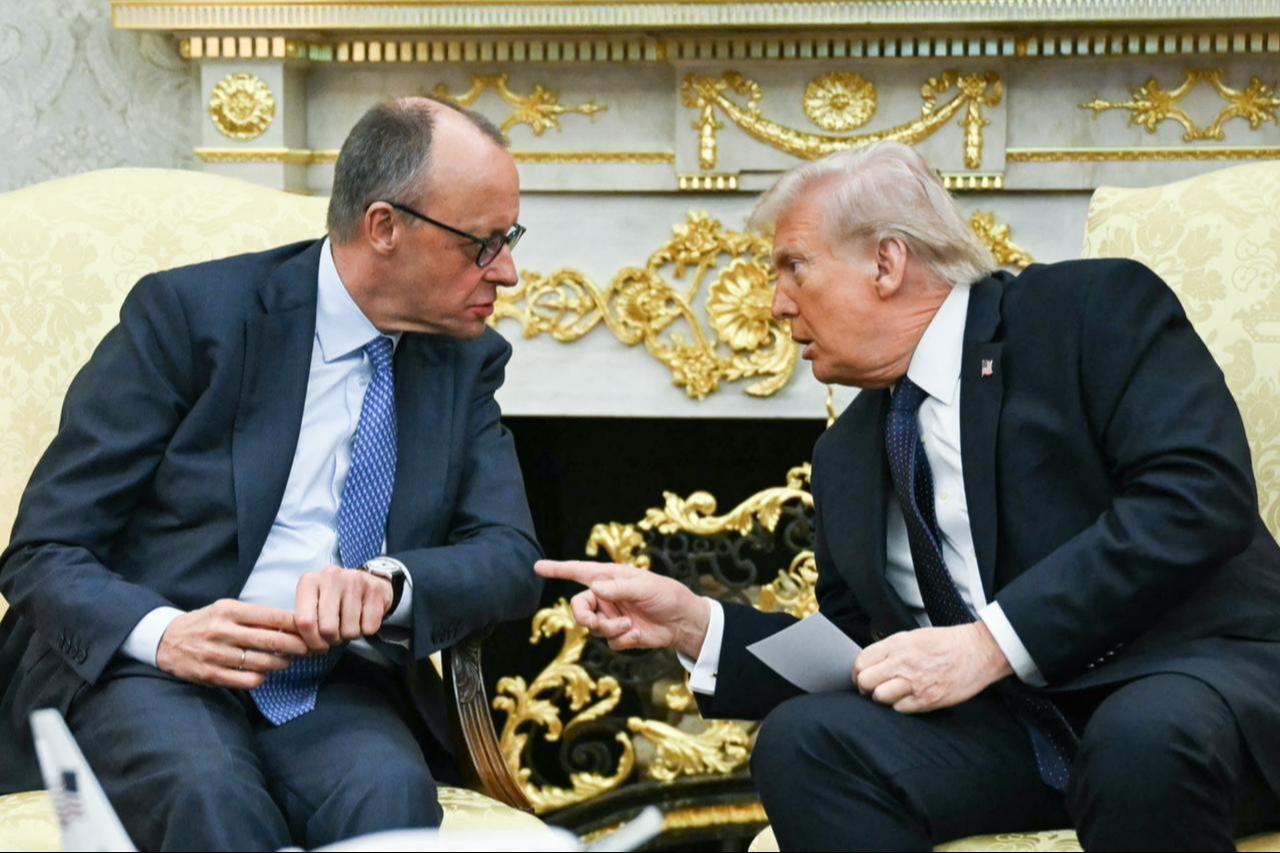

The weakening of the U.S. commitment to European defense first became evident during the ceasefire and peace negotiations over Ukraine. From the outset of its engagement, the Trump administration adopted a position that appeared favorable to Russia.
Following the Alaska Summit with President Putin in August 2025, Trump attempted to impose Putin’s demands on Ukraine. In the final peace talks before the Iran war, the U.S. reportedly conditioned its security guarantees on Ukraine ceding the entire Donbas region to Russia—including parts of Donetsk that Russia had not occupied.
Until Trump took office, the United States had been the leading provider of military assistance to Ukraine. After he assumed office, this support did not merely decrease—it ceased entirely. Between February 2022 and June 2025, the U.S. provided $65.9 billion in military aid to Ukraine, while the European Union committed over $65 billion.
In the subsequent period, the U.S. halted all military assistance. European countries—particularly the United Kingdom and Germany—as well as Canada, largely filled the gap left by the United States. The National Defense Authorization Act (NDAA) allocated $500 million for Fiscal Year 2026 to the Ukraine Security Assistance Initiative (USAI), allowing Ukraine to purchase arms from the U.S. defense industry—a significant decrease compared to previous levels of support.
Within the NATO–U.S. agreement framework, the Prioritised Ukraine Requirements List (PURL) initiative was established to supply essential U.S.-origin military equipment. The mechanism now operates through voluntary financial contributions from NATO member states to fund purchases from the United States.
Another development that has shaken European trust in the United States concerns Greenland. Trump’s renewed and more forceful push in his second term to bring Greenland—an autonomous territory of NATO member Denmark—under U.S. control raised serious concerns among allies. His persistent stance and his willingness to keep military options on the table for an extended period were interpreted as a potential end to the Euro-Atlantic alliance.
NATO was founded on the principle of collective security: an attack on one member is considered an attack on all. A possible military operation by one ally against another would fundamentally invalidate this principle. Although Trump stated in his 2026 Davos speech that military options were not preferred, any U.S. effort to take control of the territory would still violate the core principles of territorial integrity and sovereignty.
One of Europe’s greatest concerns regarding the United States’ negative stance toward the transatlantic alliance and its repeated signals of withdrawal is the possibility that the U.S. might end its nuclear security umbrella and abandon its nuclear commitments. Since the early years of the Cold War in the 1950s, nuclear weapons deployed in Europe under NATO’s nuclear-sharing program were aimed at deterring Soviet aggression and discouraging nuclear proliferation among NATO Allies.
While these weapons once numbered around 7,000, today they are believed to be limited to approximately 100 B61 gravity bombs stationed in Belgium, Italy, the Netherlands, Germany, and Turkey, usable only with U.S. authorization. Nuclear weapons and their delivery systems form the backbone of the alliance’s strategic deterrence.
In February 2026, in his well-known "NATO 3.0" speech at the NATO Defense Ministerial, the U.S. Under Secretary of War for Policy Elbridge Colby argued that NATO should evolve into a new version in which European countries are responsible for Europe’s conventional security. He also stated that the United States would continue to provide extended nuclear deterrence. However, Europe no longer trusts the messages coming from Washington.
Perhaps reflecting this uncertainty, French President Emmanuel Macron—leader of one of the two nuclear-armed countries in the alliance other than the United States—announced that France plans to expand its nuclear arsenal and is prepared to extend its nuclear deterrence to protect other European countries.
He added that several countries—including the U.K., Germany, Poland, the Netherlands, Belgium, Greece, Sweden, and Denmark—have agreed to participate in a new “advanced deterrence” strategy. These countries could take part in exercises involving France’s air-launched nuclear forces and host bases for French nuclear-capable bombers, allowing French strategic air assets to disperse across Europe and complicate adversaries’ planning.
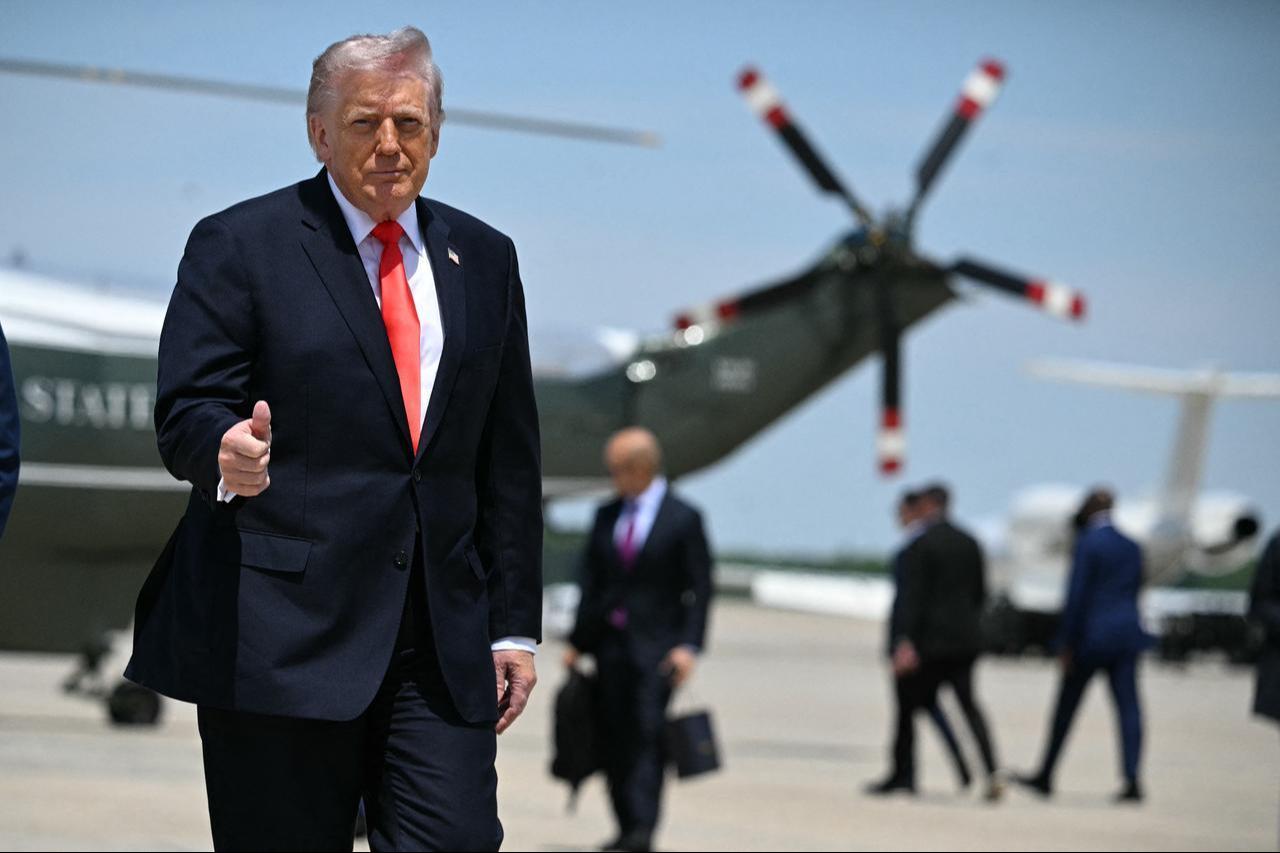
Another major concern among European NATO allies since the beginning of Trump’s second term has been the anticipated changes in the U.S. force posture in Europe. Key questions have included when and by how much the United States would reduce its approximately 85,000 troops in Europe, and whether such reductions would be coordinated to allow European allies sufficient time to fill the gap.
Last year, the U.S. decision not to replace a rotational Army brigade in Romania—considered a frontline defense in case Russia’s war in Ukraine spread westward—was taken without consulting U.S. commanders or lawmakers, catching both U.S. officials and allies off guard and deepening doubts about U.S. reliability. This heightened concerns that future force reductions could be implemented abruptly and without notice. The Pentagon’s decision not to release its Global Posture Review—expected in April 2026—further amplified these concerns.
Despite the administration’s inclination to reduce commitments to European security and transatlantic relations, a majority in Congress has acted to prevent abrupt decisions. The NDAA for 2026, approved by Congress, demonstrates that Europe remains important for a majority in Congress, including within the Republican Party. The NDAA includes provisions preventing U.S. troop levels in Europe from falling below 76,000 unless Congress is first notified that NATO allies have been consulted and independent assessments of the impact on U.S. national security, alliance readiness, and deterrence against Russia have been conducted. This effectively reduces the risk of sudden withdrawals at least until 2027.
Against this backdrop, the Pentagon’s decision to withdraw 5,000 troops from Germany and redeploy them to the United States and other overseas locations is not surprising to Europeans. The withdrawal is expected to take place over the next six months to one year.
All these developments are strengthening arguments within the European Union—particularly among proponents of strategic autonomy—that Europe should develop a military capability independent of NATO. The European Commission’s “ReArm Europe” plan commits up to €800 billion ($937.56 billion) in defense investment by 2030.
Its €150 billion loan instrument (SAFE) will enable European countries to procure air defense systems, drones, and other “strategic enablers” from European producers. When coordinated with NATO commitments and capability targets, these efforts will strengthen collective security. However, there are also voices within the EU calling for greater autonomy in security and defense.
In January, EU Defence Commissioner Andrius Kubilius proposed the creation of a standing “European military force” of 100,000 troops to replace U.S. personnel in Europe. While details regarding its command structure and legal feasibility remain unclear, NATO Secretary General Mark Rutte responded a week later in a speech at the European Parliament by arguing that Europe cannot defend itself without the United States—and that European countries would need to spend not 5 percent but potentially 10 percent of their GDP to do so.
Nevertheless, serious concerns persist in Europe about whether the United States would fulfill its Article 5 obligations and come to the aid of an ally under attack. Reflecting these concerns, EU leaders at a recent summit in Cyprus agreed that the European Commission would prepare a “blueprint” outlining how the bloc would respond if the mutual assistance clause of the Treaty on European Union was triggered. According to Article 42(7), “If a Member State is the victim of an armed attack on its territory, the other Member States shall provide it with assistance and assistance by all the means at their disposal (…)”
While these initiatives can be seen as efforts to position the EU as a mid-sized military power in an emerging multipolar order, they also carry the risk of redefining the EU’s role within NATO. On the one hand, steps taken by the EU in parallel to NATO efforts could undermine collective security by duplicating resources and weakening alliance cohesion.
On the other hand, the emergence of a European force outside NATO and the potential erosion of Article 5 commitments would create significant security vulnerabilities for non-EU NATO members such as the United Kingdom, Canada, Türkiye and Norway.


 Set as preferred source
 Set as preferred source


 1 min read
 1 min read